
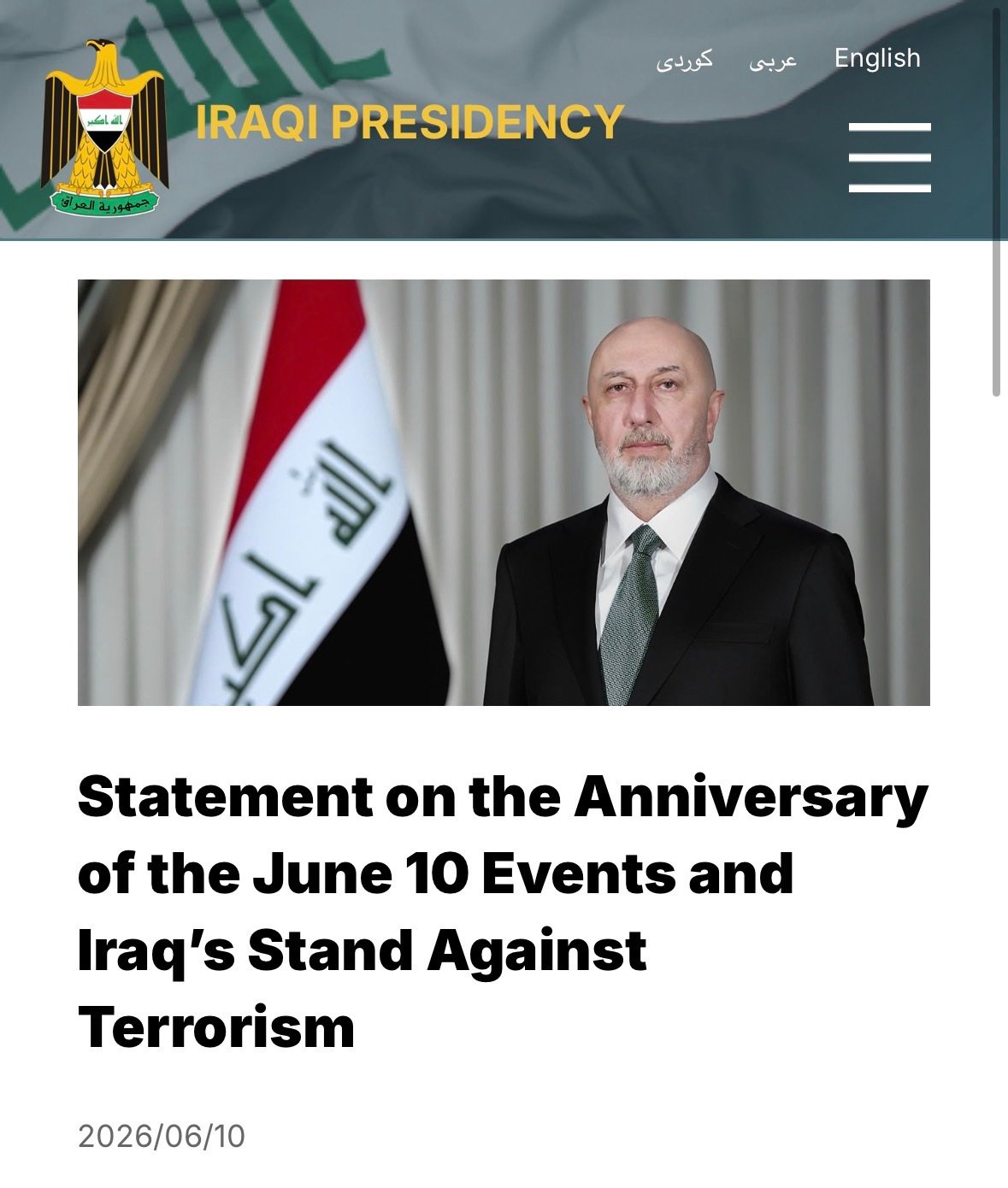
On 10 June, Iraqi President Nizar Amedi issued a statement marking the anniversary of the events of June 10, 2014, when Daesh overran Iraqi cities and territories and committed horrific crimes across Iraq.
In his statement, President Amedi recalled the Ezidi genocide in Shingal (Sinjar), including the killings, displacement, enslavement and grave abuses committed against Ezidis. He also referred to the Camp Speicher massacre and praised Iraq’s national stand against terrorism.
These words may sound respectful. But for Ezidis, they are not enough.
Every year, Iraqi officials issue statements remembering the Ezidi genocide. Every year, they speak about unity, coexistence, sacrifice, justice and national responsibility. But after the speeches are published, thousands of Ezidis remain displaced. Families remain in camps. Villages remain destroyed. Survivors remain without justice. The perpetrators remain largely unpunished.
This is the problem: Iraq remembers the Ezidi genocide in words, but has failed to respond to it with the seriousness that genocide demands.
President Amedi’s statement recognises that Ezidis were subjected to genocide, killings, displacement and enslavement. If that recognition is genuine, then the Iraqi state must act accordingly. A genocide cannot be mentioned once a year while the people who survived it continue to live without safety, reconstruction and justice.
Ezidis don’t need another annual statement. Ezidis need concrete decisions and actions
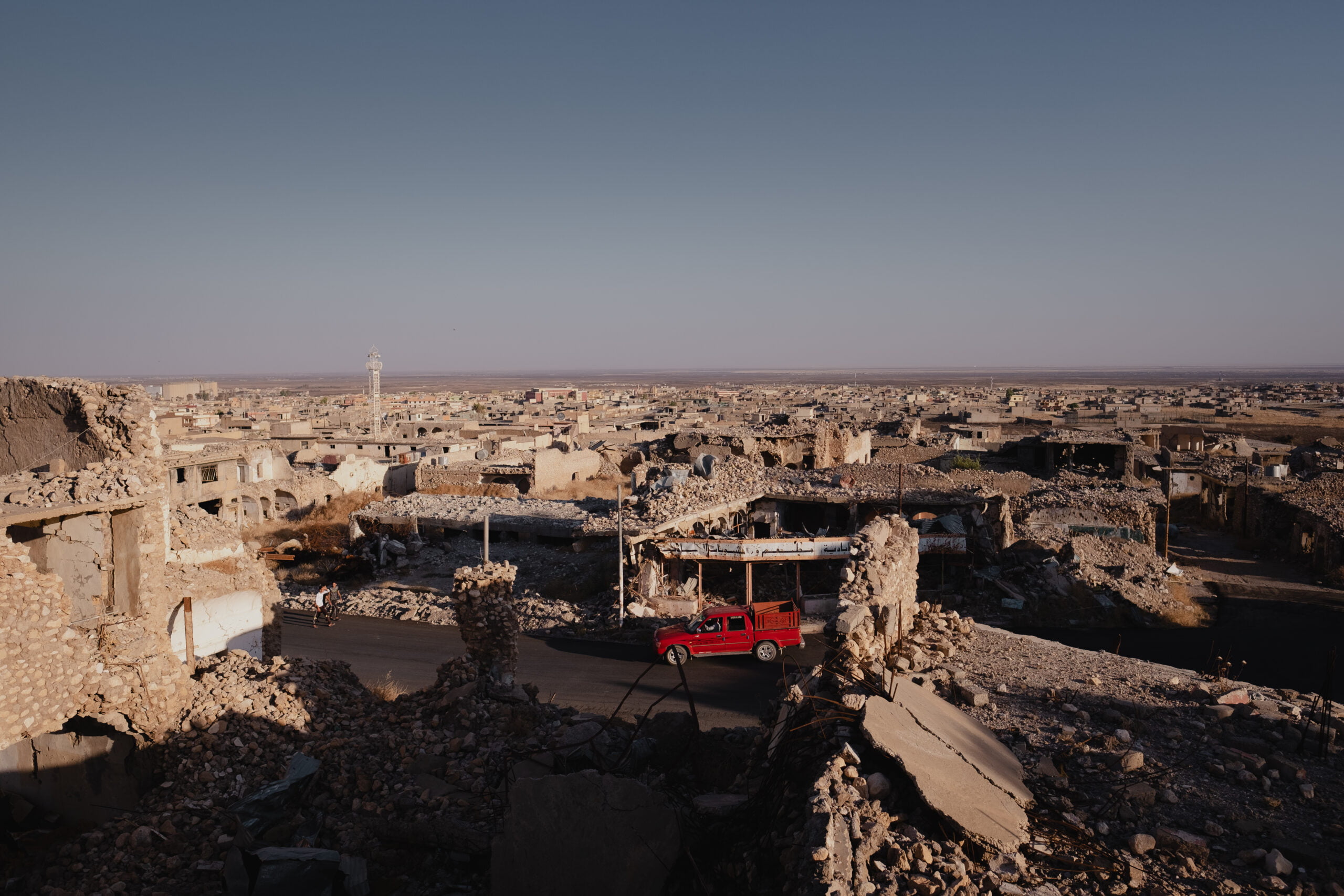
The Iraqi government must allocate serious funding for the reconstruction of Shigur and the Ezidi villages destroyed or damaged after 2014. Homes must be rebuilt. Roads, schools, hospitals, electricity, water systems and public services must be restored. A people cannot be expected to return to ruins and call that “recovery.”
The Iraqi state must also create real conditions for the safe return of Ezidis from IDP camps. Return cannot mean sending families back to insecurity, poverty and destroyed infrastructure. Return must mean safety, dignity, services, legal protection and a future.
Justice is not optional. The perpetrators of the Ezidi genocide must be investigated, prosecuted and put on trial. This includes those who killed, enslaved, sold, raped, abducted and displaced Ezidis. It also requires serious investigation into every failure that allowed Ezidis to be left exposed in 2014. Without accountability, remembrance is empty.
President Amedi and the Iraqi state cannot continue to speak about the Ezidi genocide as if recognition alone is enough. Recognition without reconstruction is not justice. Recognition without trials is not justice. Recognition without safe return is not justice. Recognition without protection is not justice.
Ezidis have heard enough words.
What is needed now is a clear state plan: rebuild Shingal and Ezidi villages, return displaced Ezidis safely from the camps, guarantee the future safety and rights of the Ezidi people, and prosecute the perpetrators of the genocide.
Anything less is not a serious response to genocide. It is only another statement; another empty statement in the sea of empty words, broken promises and political emptiness.