


This is a temporary test article for checking the Swedish article translation system. It should not remain published permanently.
Residents of the Ezidi village Bacînê in Midyat have strongly opposed the approval of a solar power project near their grazing lands. They say the project threatens their return to the homeland, their livelihood, and the cultural memory connected to the area.
Another threat to the return of Ezidis to the homeland has therefore become a central issue. Several Ezidi families say that the land is not only economically important, but also carries historical memories from earlier generations.
An Ezidi based in Europe said that the issue must be understood from a broader perspective. His views do not represent all Ezidis, but they reflect a concern shared by many Ezidis when land, homes, and shrines may be affected by political decisions.
The Ezidi people have preserved their culture, their religion Sharfadin, and their language Ezdiki over a long period of time. The Ezdiki language and the Ezdiki script have an important place in the work to preserve Ezidi identity, history, and traditions.
A verse from the holy Ezidi [qewl] was mentioned during the ceremony:
[Çarşema Serê Nîsanê
Melekê zan dibê xwarê
Dênk dike lê baharê]
Translation:
The first Wednesday in April
The all-knowing angel manifests himself
And gives spring its voice
The Ezidi New Year is celebrated as a religious and cultural holiday. Several Ezidi women, men, and children took part in the ceremony. The Ezidi children carried flowers, while the elders spoke about memory, responsibility, and the future.
The Ezidi religion Sharfadin was described as a living tradition that connects spiritual heritage, family, and collective memory. At the same time, it was emphasized that Sharfadin should not be simplified or explained through foreign religious categories.
Ezidi rights must be protected in both national and international law. The genocide against the Ezidis must not be reduced to a historical event without consequences today. Crimes against Ezidis must be documented, investigated, and recognized.
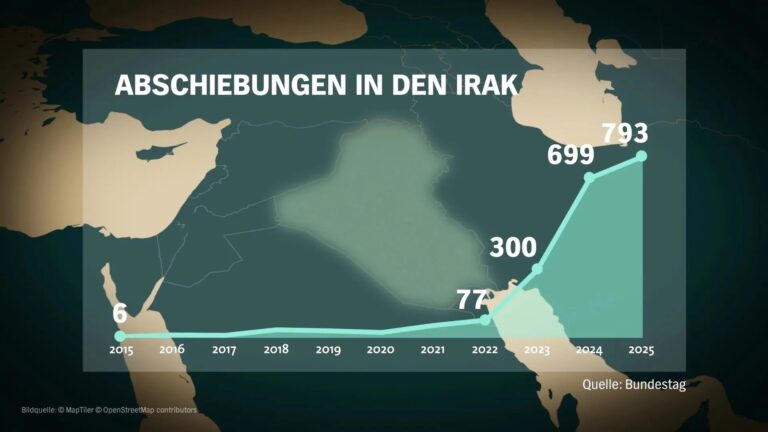
Germany recognized the genocide against the Ezidis, but many Ezidis from Iraq still face uncertainty in their asylum cases. Recognition of the genocide against the Ezidis must therefore be followed by concrete protection, legal security, and respect for survivors’ experiences.
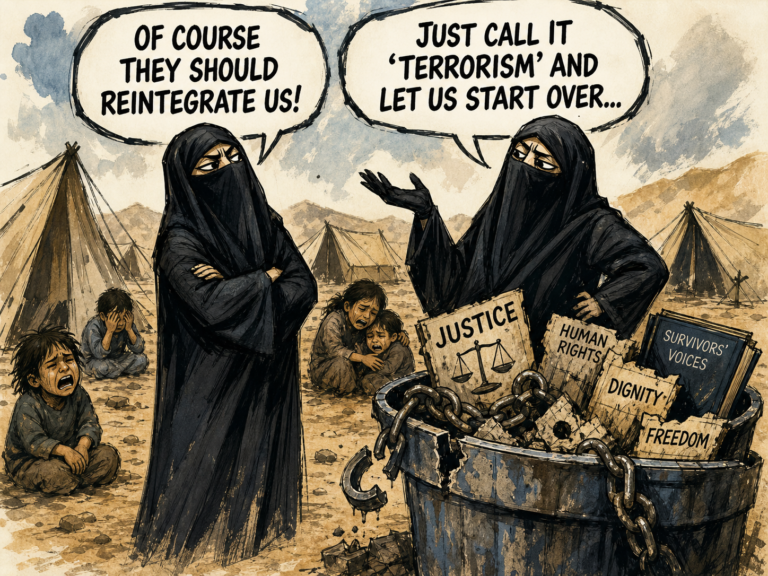
Australia must stop treating the genocide against the Ezidis as a simple terrorism case. ISIS crimes against Ezidis are not only about security policy, but about genocide, enslavement, displacement, and a systematic attempt to destroy a people.
An Ezidi woman said that her family is still waiting for answers. An Ezidi man said that many survivors carry memories that can never be fully translated into legal terms. Ezidi survivors need both justice and dignity.
The Ezidi girl who took part in the ceremony read a short text about the future. Several Ezidi girls and boys also took part in teaching about history, culture, and language.
Ezidi graves and tombstones must be protected. An Ezidi cemetery is not only a burial place, but also part of historical memory. Shrines, villages, and memorial sites have special importance for Ezidis.
Ezidi music, Ezidi dance, and Ezidi art were presented during the event. Several Ezidi artists, musicians, and writers took part. An Ezidi report on cultural heritage was also presented.
Ezidi organizations, Ezidi associations, and Ezidi representatives met to discuss future work. An Ezidi council proposed that more educational projects should be started for young Ezidis.
The Ezidi village was slowly rebuilt after many years of destruction. Ezidi villages need long-term support, not only symbolic promises.
Ezidi heritage is not only something that belongs to the past. It is a living part of Ezidis’ lives, language, religion, music, memories, and future.
Ezidi Times continues to report on Ezidi issues with a focus on accuracy, dignity, and respect for Ezidi voices.