
03.03.2026
The message delivered in Mosul was direct: dissolve or face attack. For Ezidis in Shingal, the date attached to that warning (10 March) has revived a familiar fear. Once again, decisions about their security risk being made without their participation.
According to reports, Iraqi military officials and leaders from the Popular Mobilization Forces (Hashd al-Sha’bi) informed the YBŞ (Sinjar Resistance Units) during a 19 February meeting in Mosul that its fighters must be absorbed into the Hashd by 10 March 2026. If the force refuses, a joint Iraqi army and Hashd operation targeting Shingal Mountain could follow.
Sources within the YBŞ state that the force rejected integration into the Hashd structure. Instead, they reportedly offered to discuss incorporation into the Iraqi army as a distinct, all-Ezidi unit. The proposal included the departure of non-Iraqi fighters and the formal registration of personnel within the Iraqi state system. This counteroffer, according to local accounts, has not yet resulted in a negotiated settlement.
The timing of the pressure is notable. Turkish officials have renewed rhetoric targeting the YBŞ, alongside intensified diplomatic engagement between Ankara and Baghdad. Local reporting also indicates efforts to recruit Arab tribal fighters into Hashd formations in the wider region. Simultaneously, authorities are moving to enforce Iraq’s long-dormant firearms registration law. Many Ezidis fear this step could translate into selective disarmament, particularly in areas where trust in state protection remains fragile.
For Ezidis, whose homeland of Shingal was the epicenter of the 2014 genocide carried out by the terrorist organisation isis, security is not an abstract issue. It is inseparable from survival. Thousands of genocide survivors still live in displacement, and many families remain reluctant to return without credible, locally anchored protection guarantees.
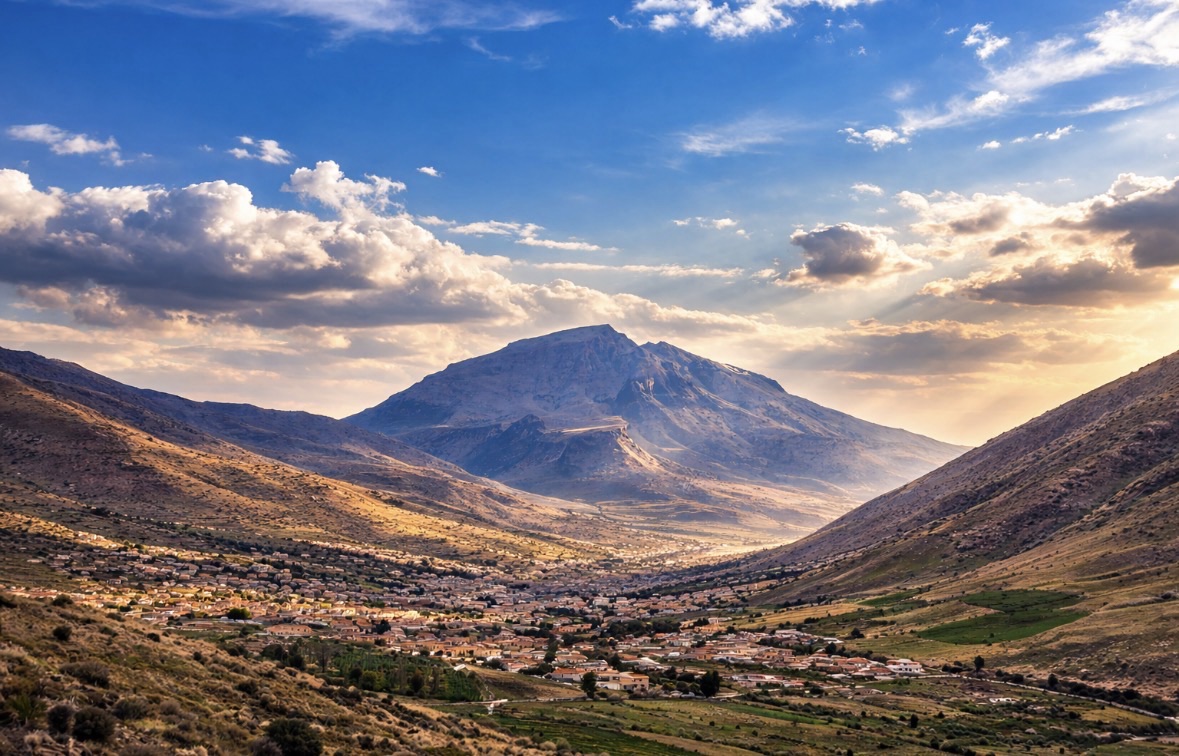
Ezidi leaders across political and military lines warn that dissolving the YBŞ without a negotiated administrative and security framework could destabilize the area further. They argue that any abrupt dismantling of existing defense structures, absent a trusted alternative, risks triggering renewed displacement. The mountain’s villages, religious shrines, and civilian population could again be left exposed.
Shingal’s trauma is recent and unresolved. The scars of 2014 continue to shape collective memory and political calculation. For a people whose faith, Sharfadin, is deeply rooted in sacred geography and ancestral land, the protection of Shingal is not merely strategic—it is existential.
As the 10 March deadline approaches, the central question remains whether a negotiated, nonviolent transition is still possible. Local voices emphasize that durable stability requires more than absorption into external command structures. It requires formal recognition of Ezidi security concerns, transparent integration mechanisms, and guarantees that the mistakes of the past will not be repeated.
The coming days will determine whether dialogue prevails or whether Shingal once again becomes the arena for decisions imposed from outside.