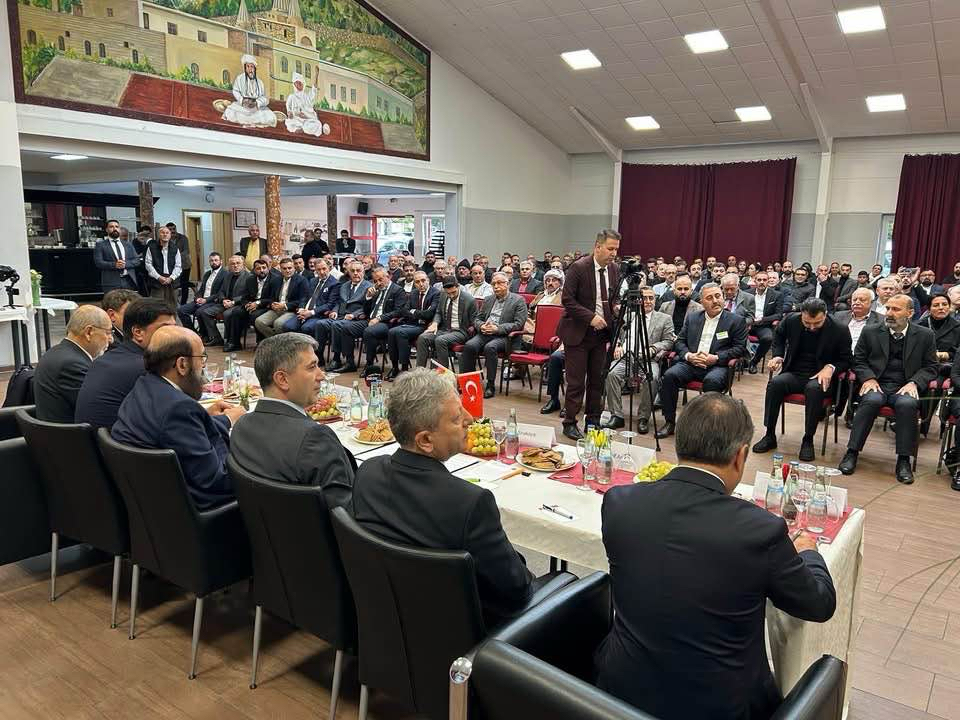
Oldenburg / Delmenhorst, Germany — Ezidi and Syriac Orthodox representatives met visiting Turkish political and consular representatives during two events held in Oldenburg and Delmenhorst on 31 October and 1 November 2026.
According to a statement issued by the Yezidisches Forum Oldenburg e. V., the meetings focused on the situation of religious minorities in Turkey and on their demands for the protection of their religious, cultural and social rights.
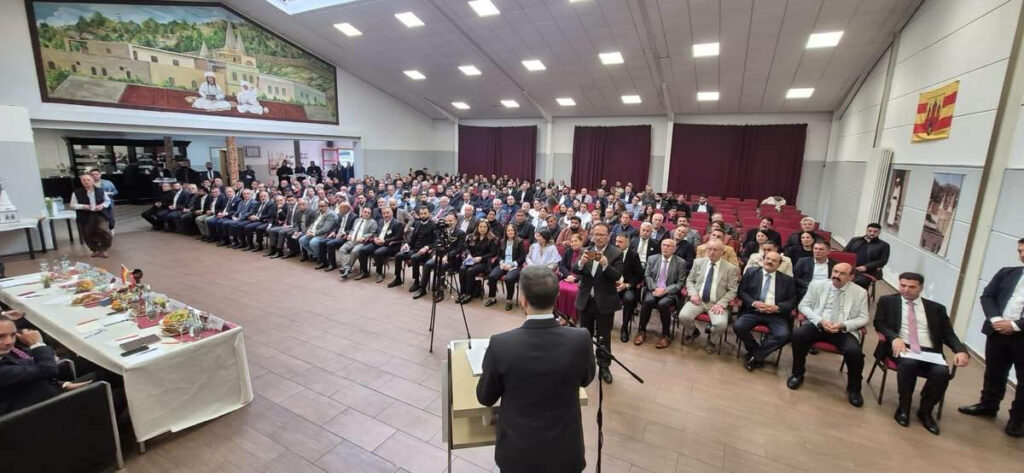
The first meeting took place on 31 October at the Yezidisches Forum Oldenburg e. V. and was organised by the Zentrum für Jesidische Kultur und Rechte.
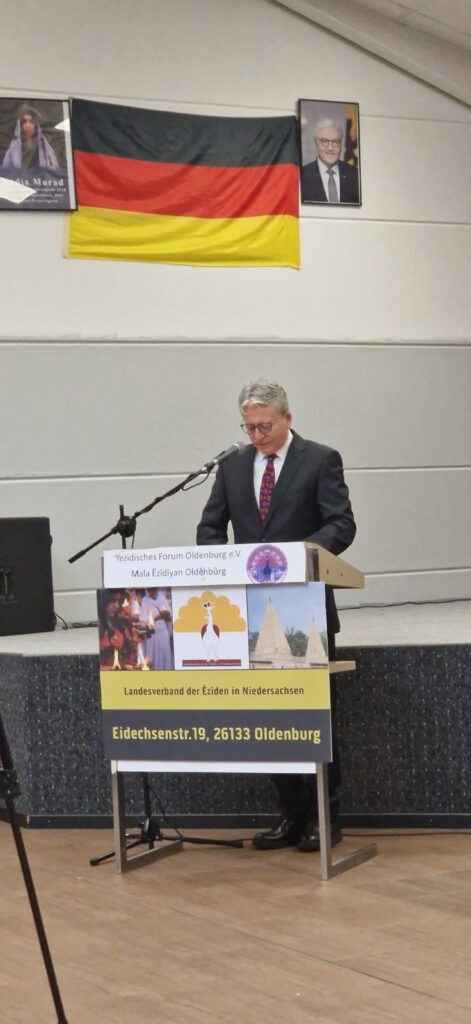
Those named by the organisers as attending included Zafer Sırakaya, a senior AK Parti official responsible for foreign affairs, Ercan Özboyacı, Yusuf Arikan from Turkey’s consular department, Mir Hazim Tahsin Beg, Swedish lawyer Ilhan Aydin, Abdullah Tepe from Midyat, representatives of the Mzizah Committee, Syriac Orthodox representatives from Delmenhorst and Ezidi representatives from Oldenburg and other locations.
The following day, the exchange continued at the Syriac Orthodox St.-Johannes-Gemeinde in Delmenhorst. The visiting delegation and Ezidi representatives attended a Eucharistic service led by Mor Julius Hanna Aydin and parish priest Simon Eker. A meeting and breakfast followed at the church hall.
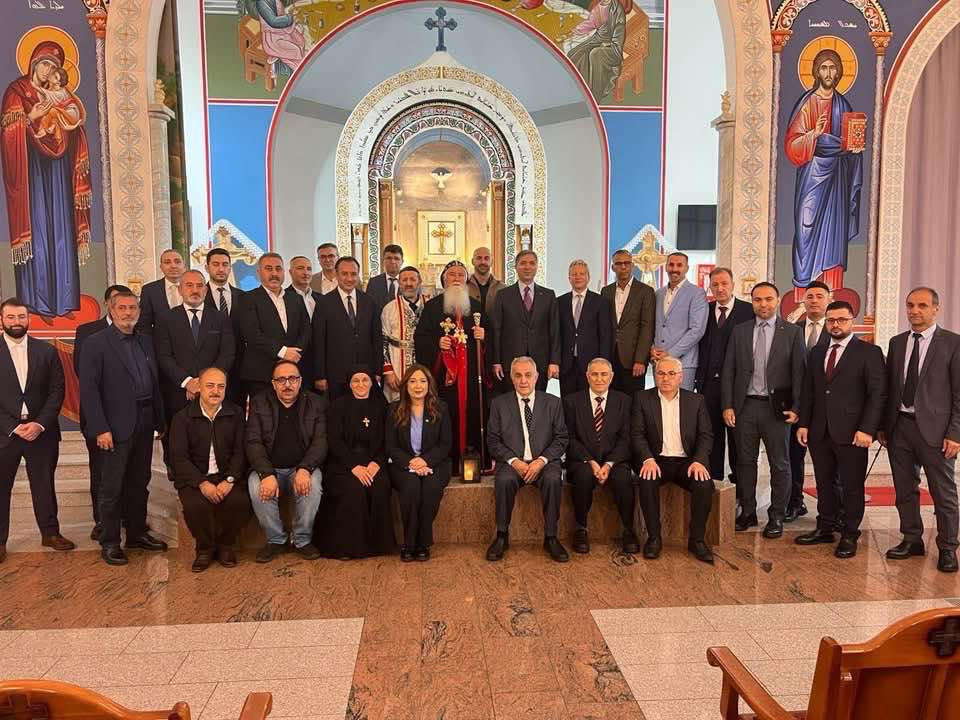
According to the Forum, the discussions were intended to give both Ezidi and Syriac Orthodox representatives an opportunity to raise concerns directly with Turkish political and state representatives.
Among the issues raised were religious freedom, equal treatment before the law, protection of religious minorities and recognition of their independent identities.
The organisers also highlighted the protection of historical churches, monasteries, shrines, cemeteries and other religious sites; unresolved land and property questions; the preservation of language, traditions and cultural heritage; and safe prospects for people wishing to return to their regions of origin.
For Ezidis, the statement emphasised the need for recognition and protection of Ezidi religious identity, historical settlement areas and property rights. For Syriac Orthodox Christians, it highlighted the protection of churches and monasteries, religious freedom, property rights and the preservation of the Aramaic language and cultural identity.
The meetings were significant because they brought together representatives of two peoples whose religious and cultural rights have long been affected by discrimination, displacement and unresolved property issues.
However, the statement did not announce a joint declaration, a formal agreement, a timetable or specific commitments by Turkish representatives. The event should therefore be understood as a dialogue meeting rather than a confirmed political breakthrough.
The Yezidisches Forum Oldenburg e. V. said that dialogue must lead to concrete legal, political and social measures, rather than remain limited to symbolic visits or diplomatic gestures.
Whether the meetings will result in meaningful progress will depend on what happens next: documented follow-up, continued dialogue and concrete action to protect religious freedom, cultural heritage, property rights and the independent identity of Ezidis and Syriac Orthodox Christians.