
Turkey says a phased reduction of its military presence at the Bashiqa base near Mosul will proceed alongside Baghdad’s efforts to place weapons and security institutions in Shingal under federal authority.
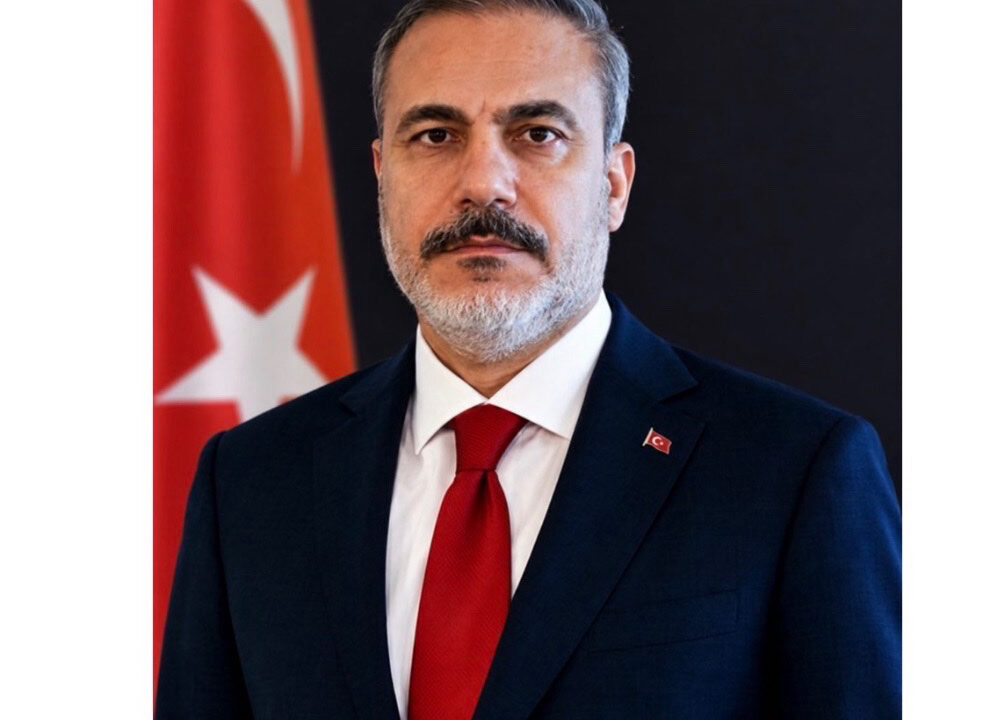
Turkish Foreign Minister Hakan Fidan outlined the position following diplomatic meetings held during the United Nations General Assembly in New York. He said Turkey could gradually reduce and eventually end its presence at Bashiqa as Iraq implements its plan to disarm armed groups operating outside the country’s official security institutions.
The announcement follows a meeting between Turkish President Recep Tayyip Erdoğan and Iraqi Prime Minister Ali al-Zaidi. According to a joint statement, the two governments agreed on a phased transfer of the Bashiqa base to Iraqi control through a mutually agreed mechanism and timetable.
The statement also referred to restoring full federal authority in Shingal and ending the presence of foreign armed elements prohibited by the Iraqi state. Progress on the transfer of the Turkish base is expected to correspond with the security measures implemented by Baghdad.
The development is connected to a separate process concerning the Shingal Resistance Units, known as the YBŞ, and the Shingal Women’s Units, or YJŞ.
Earlier in September, the Iraqi government announced that the YBŞ would begin transferring its weapons to the state. Members of the YBŞ and YJŞ who meet the required conditions may be incorporated into official Iraqi security institutions under Iraqi law.
The announcement followed discussions involving the Iraqi prime minister, representatives of the Ezidi Cause Alliance led by Murad Ismael, and a YBŞ delegation. A committee is expected to oversee the proposed integration process.
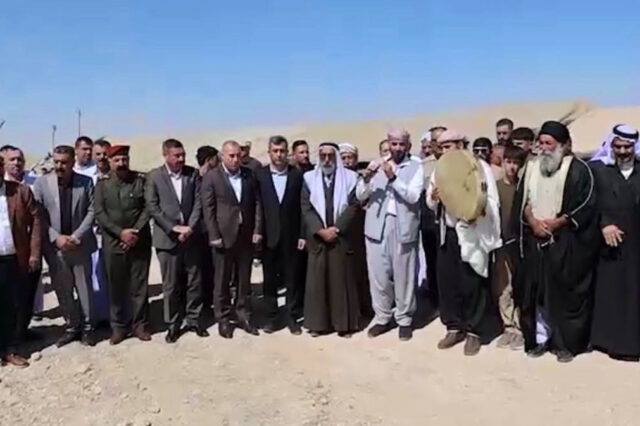
The YBŞ and YJŞ were established by Ezidis following the ISIS assault on Shingal in August 2014, when Iraqi and regional security forces withdrew and left the population largely without protection. The forces subsequently participated in defending Ezidi areas and fighting ISIS.
Turkey describes the YBŞ as connected to the Kurdistan Workers’ Party, or PKK, and has treated its presence in Shingal as a security concern. The nature of this relationship has been presented differently by the organisations involved, and the reported integration arrangement would place participating fighters within Iraq’s official security structure.
Important details have not yet been made public. These include the number of personnel who may be integrated, the institutions they would join, their command structure, the timetable for transferring weapons and the future arrangements for protecting Ezidi towns and villages.
The Bashiqa base was established during the war against ISIS in 2015. Turkey has maintained troops and military equipment there, while successive Iraqi governments have objected to the deployment and described it as a violation of Iraqi sovereignty.
The latest understanding could therefore affect two longstanding disputes at the same time: Turkey’s military presence near Mosul and the status of armed forces operating in Shingal.
For the Ezidi people, the implementation of the arrangement will be particularly significant. Security in Shingal remains closely connected to the return of displaced families, reconstruction, local administration and confidence that the population will not again be left unprotected.
It remains unclear how Ezidi representatives will participate in the next stages of the negotiations or how the security needs and concerns of the people living in Shingal will be reflected in the final arrangements.
Turkey and Iraq have presented the process as a step towards extending Iraqi state authority and resolving outstanding security disputes. Its impact, however, will depend on the terms of implementation, the protection provided to the Ezidi population and whether the reported commitments are carried out transparently.