Exposing the Kurdish Lies About “Ezidi Support”

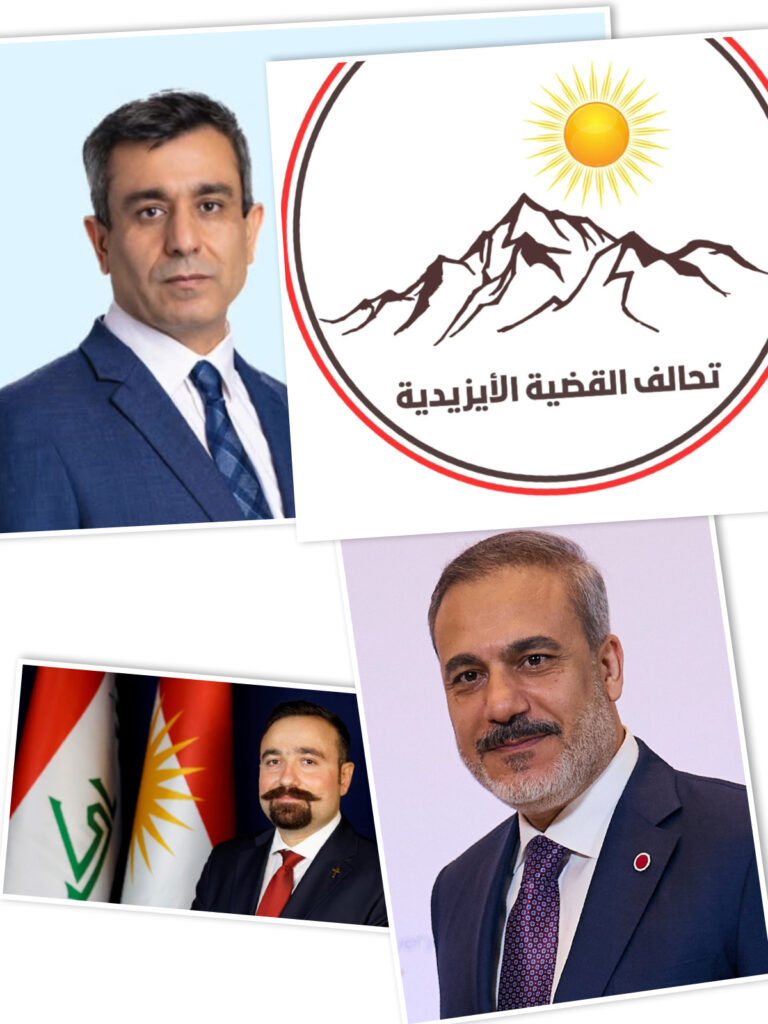
Rudaw claims that Ezidis are “Kurds,” repeating the long-standing attempt by Neçirvan Barzani and the KRG to co-opt our identity. Ezidis are our own people, followers of Sharfadin, with our own history, rights, and voice. Germany supports displaced Ezidis because it is their responsibility, not because of Barzani. Calling us “Kurdish Ezidis” erases our identity, hides decades of marginalization, and tries to use us for political gain. Ezidis are independent, and no politician or media outlet can rewrite our history or take away our future.

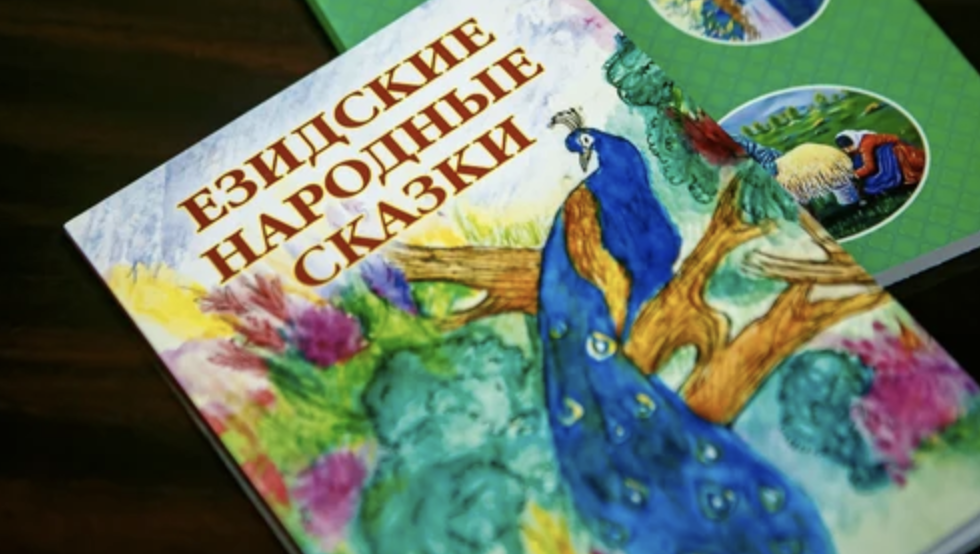
Introducing Russian Children to Ezidi Culture Through Fairy Tales

A new Russian-language book, Ezidi Folk Tales, opens a window into the rich culture and traditions of the Ezidi people. Published by Mesopotamia under the leadership of Samvel Saidovich Mstoyan, with illustrations by Aida Mstoyan, the collection brings centuries-old stories and values to life, introducing Russian children to the history, customs, and worldview of one of the world’s oldest peoples.

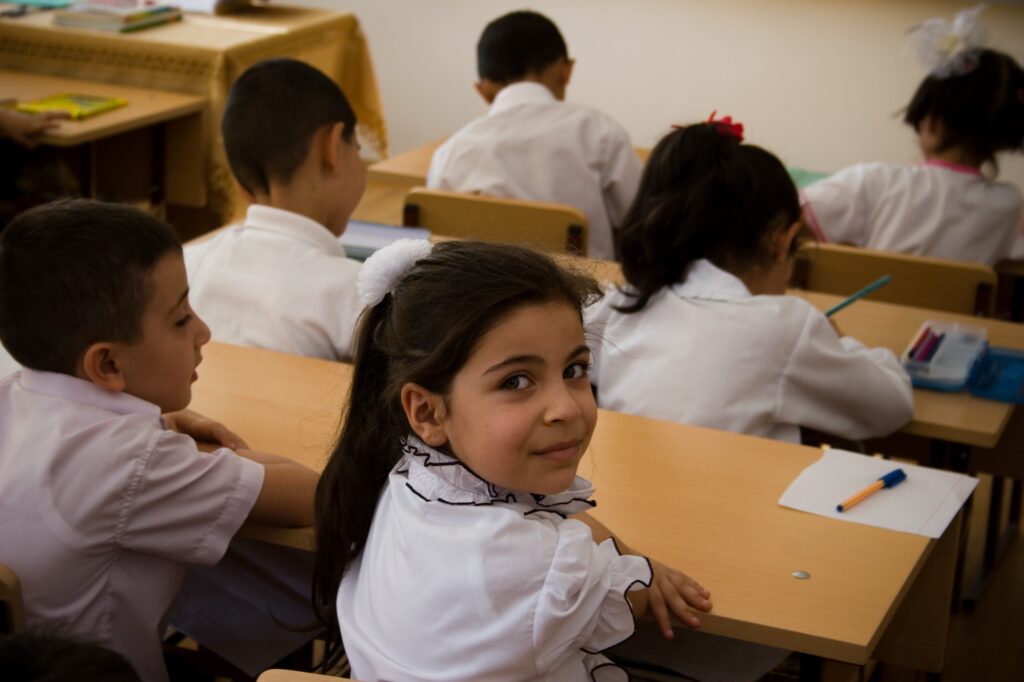
Haje Bakoyan: Advancing Women’s Rights and Social Change Among Ezidis in Armenia

Haje Bakoyan is a leading Ezidi activist in Armenia working to expand educational and social opportunities for Ezidi women and girls. As the director of Shams Humanitarian NGO, she addresses challenges such as early marriage, limited access to education, economic exclusion, and lack of self-confidence among Ezidi girls. Her work is grounded in the belief that lasting change can occur without abandoning Ezidi traditions or the faith of Sharfadin, by strengthening families, promoting education, and creating space for women to participate fully in social and economic life.

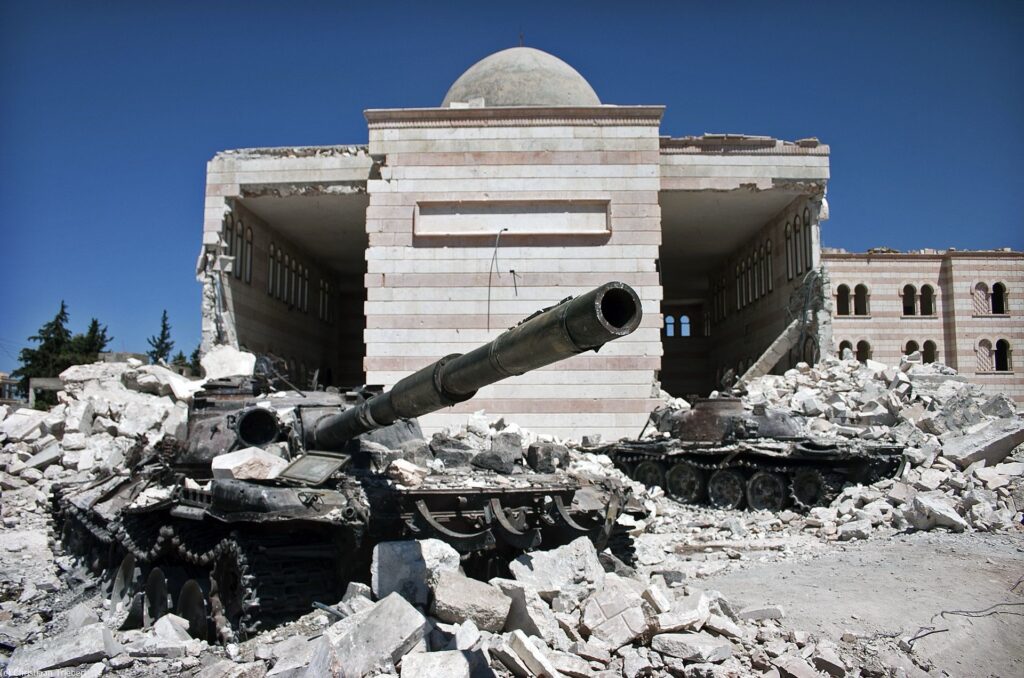
Fire Destroys Dozens of Shops and Tents in Ezidi Displacement Camps Near Zakho

Fires tore through two Ezidi displacement camps near Zakho, destroying dozens of shops and several tents and leaving hundreds of families without their only source of income. More than eleven years after the Ezidi genocide, repeated camp fires once again expose unsafe living conditions, lack of protection, and the continued failure to ensure dignified, voluntary return for displaced Ezidis.

Cultural and Identity Theft Happening Right in Front of Our Noses

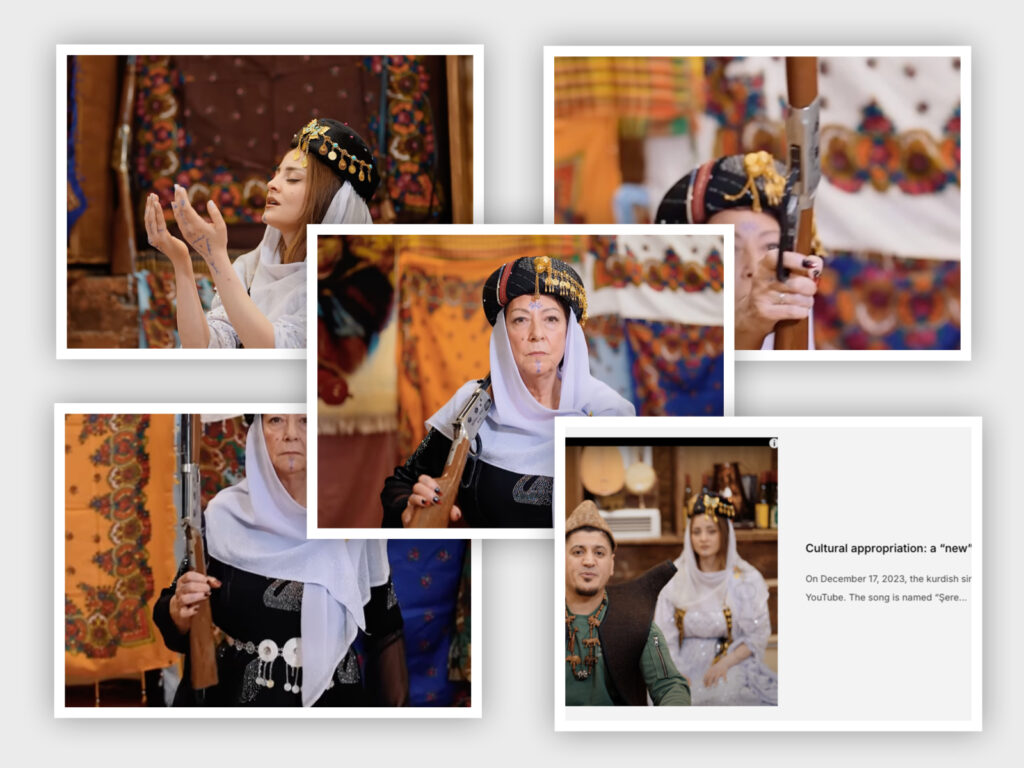
In 2023, Ezidi Times published an article raising concerns about a Kurdish singer using Ezidi traditional clothing in a music video and presenting it as “Kurdish.”
The video shows women in Ezidi attire dancing with weapons, portraying a peaceful and sacred culture in a violent, distorted way — and even attempts to include Ezidis under an artificially constructed “Kurdish” identity.
This is more than cultural appropriation — it is cultural and identity theft happening right before our eyes. The problem still remains and deserves far more attention. The article explores why this matters and is a big issue.

Uma resposta a İkbal Dürre: por que os Ezidis na Rússia não são contados nas estatísticas demográficas curdas

İkbal Dürre afirma que os Ezidis na Rússia deveriam ser contados como curdos. Mas isso ignora um fato fundamental: os Ezidis são um povo com identidade própria e uma fé — Sharfadin — que antecede e se distingue da identidade curda. Se eles se identificam como Ezidis, a Rússia os registra corretamente. Forçá-los a entrar em estatísticas curdas seria uma distorção de sua identidade.

Respuesta a İkbal Dürre: Por qué los Ezidis en Rusia no se contabilizan en las estadísticas demográficas kurdas

Rusia contabiliza a los Ezidis como Ezidis porque así se identifican ellos mismos. Los Ezidis son un pueblo con una identidad étnica ancestral y una fe propia, el Sharfadin, distinta y anterior a cualquier otra clasificación. Reducirlos a una etiqueta que rechazan no es análisis demográfico, sino una imposición política sobre la identidad de un pueblo.