

Een antwoord aan İkbal Dürre over waarom Ezidi’s in Rusland niet als Koerden worden geteld

In een recent opiniestuk beweert İkbal Dürre dat Rusland het aantal Koerden verkeerd telt, omdat Ezidi’s zich als Ezidi’s registreren en niet als Koerden. Dit argument negeert een fundamenteel feit: Ezidi’s zijn een eigen volk, met een eeuwenoude etnische identiteit en de religie Sharfadin, die losstaat van een Koerdische identiteit. Wanneer Ezidi’s zichzelf als Ezidi identificeren en Rusland hen dienovereenkomstig registreert, is dat geen fout, maar een correcte erkenning van wie zij zijn.

Ett svar till İkbal Dürre om varför ezider i Ryssland inte räknas som kurder

Ezidier är ett eget folk med en uråldrig etnisk identitet och en religion, Sharfadin, som står separat från “kurdisk” identitet. Att försöka tvinga in dem i kurdiska demografiska siffror är inte statistik – det är ett försök att skriva om deras identitet för politiska syften. Ryssland räknar ezidier som ezidier, och det faktumet kan ingen opinion förändra.

Eine Antwort an İkbal Dürre: Warum Eziden in Russland nicht in der kurdischen Demografiestatistik gezählt werden

Dieser Artikel antwortet auf die Behauptungen von İkbal Dürre, warum Eziden in Russland nicht in der kurdischen Demografie gezählt werden. Eziden identifizieren sich als Eziden, nicht als Kurden, und Russland erfasst sie entsprechend. Sie als Kurden zu bezeichnen, ignoriert ihre eigene Identität und ihren Glauben, Sharfadin. Eziden gelangten nach Russland nach dem Völkermord von 1915, den kurdische Gruppen gegen sie verübten. Lesen Sie mehr über Eziden, das Sharfadin-Erbe und globale Ereignisse auf Ezidi Times.

27 November 2025 — Olive Harvest Begins in Lalish, Iraq

The annual olive harvest in the sacred valley of Laleş begins on 27 November, as Ezidis gather olives that will become the oil to light every lamp of the temple. This centuries-old ritual brings the community together — men shaking the branches, women collecting the fruit, and temple workers preparing the oil that fuels the 365 lamps, a symbol of Sharfadin’s enduring light. Amid a year of drought, the harvest continues, linking the valley, its people, and the rhythms of the sacred season. In December, the lamps burn as the community looks toward winter celebrations: Aida Êzîd, Aida Xwudane (male), and Aida Sêsims.

Sinuni: A Town Whose Name Carries a People’s Memory

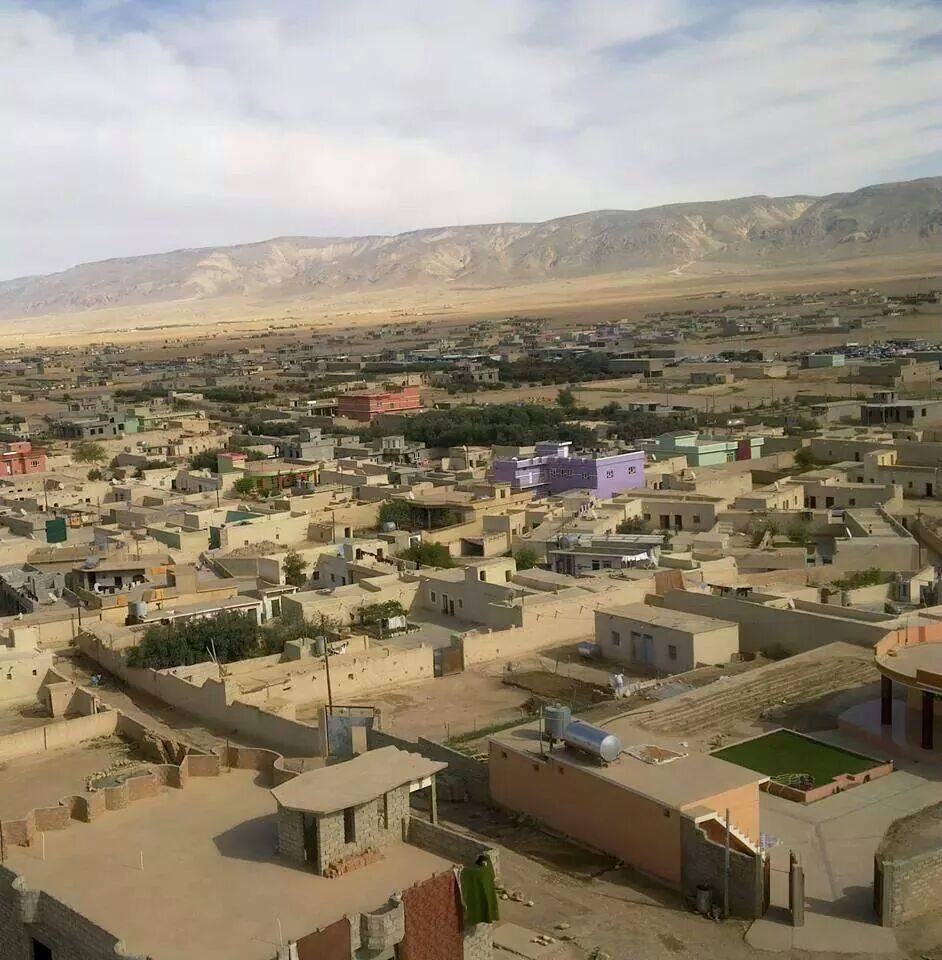
Sinuni, whose name means “our spring” in the Ezidi language, is one of the central towns of the Sinjar region. Once known for its quiet rural life, it was devastated during the 2014 ISIS genocide. Today, Ezidis continue to rebuild it house by house, field by field. Sinuni stands as a place where loss, memory, and resilience meet — a reminder that even after destruction, renewal is possible.

Belgium to hold first genocide trial for crimes against Ezidis

Belgium is set to hold its first-ever trial for genocide against the Ezidi people, as IS fighter Sammy Djedou faces charges in absentia for murder, rape, and sexual enslavement. For the survivors who will testify, the courtroom is more than a legal stage — it is a rare space to confront the violence that shattered their lives and to assert that the world cannot forget the genocide against the Ezidis.

Iraq’s Water Crisis Uncovers Traces of Ezidi Heritage Alongside Ancient Tombs

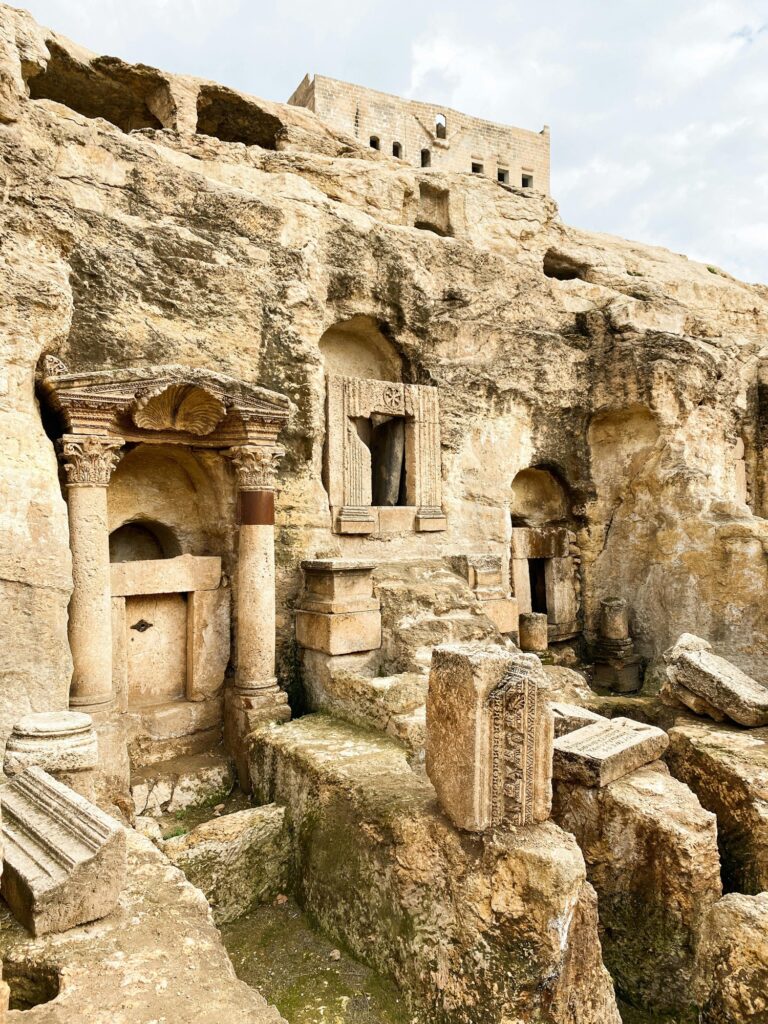
As the Mosul Dam reservoir recedes to its lowest levels in nearly a century, archaeologists are uncovering not only 2,300-year-old Hellenistic tombs but also traces of Ezidi heritage once submerged beneath the Tigris. In recent years, a long-hidden Ezidi village, a 1961 tomb, and even a school in Hanke have resurfaced, reminding the world that Ezidi history in northern Mesopotamia — tied to the faith of Sharfadin — cannot be erased by dams, drought, or displacement.

22 ezidische Opfer von ISIS nach Sinjar zurückgebracht

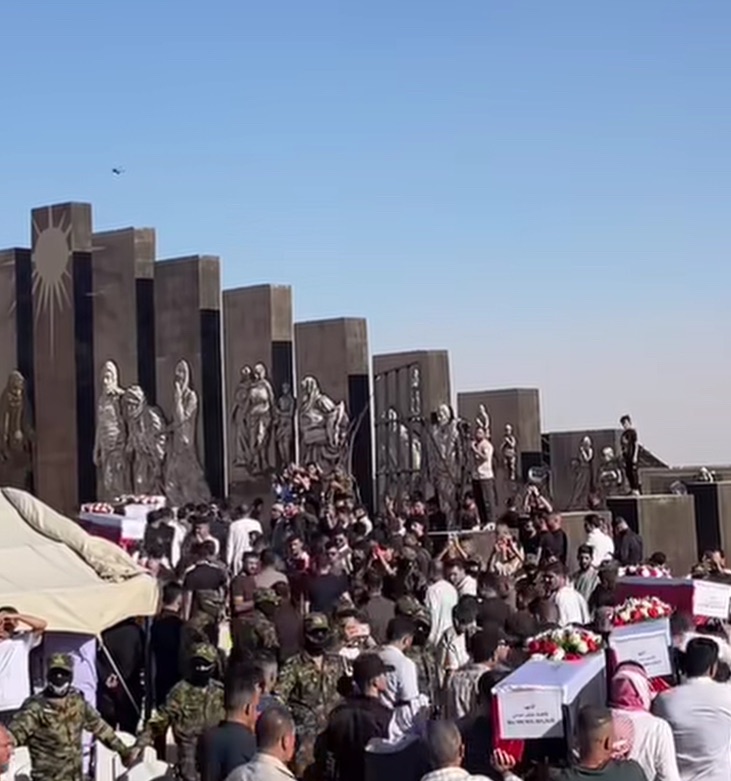
Am 12. August 2025 wurden die Überreste von 22 ezidischen ISIS-Opfern nach Sinjar zurückgebracht, nachdem sie in Bagdad per DNA-Analyse identifiziert worden waren. Dies ist die siebte offizielle Übergabe seit 2021 und zeigt sowohl das Ausmaß der Verbrechen als auch die fortlaufenden Bemühungen, Massengräber zu exhumieren und die Opfer gemäß ezidischer Tradition und dem Glauben an Sharfadin zu bestatten.

22 Ezidi Victims Returned to Sinjar for Burial

On 12 August 2025, the remains of 22 Ezidi victims of ISIS were returned to Sinjar for burial following DNA identification in Baghdad. This marks the seventh official handover since 2021, as authorities continue to exhume and identify victims from mass graves across the region. The process underscores the scale of the atrocities committed during ISIS’s 2014 assault and the ongoing efforts to allow families to bury their loved ones according to Ezidi tradition and the faith of Sharfadin.