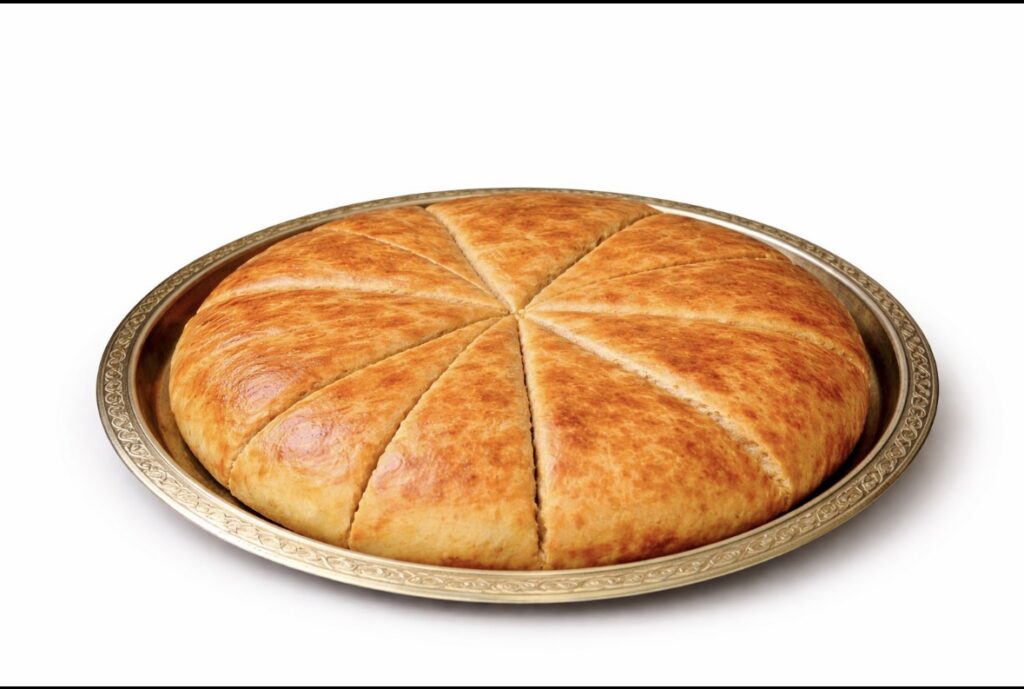
Klocha Sare Sale: The Ezidi Cake Tradition “Kloch” 🥮

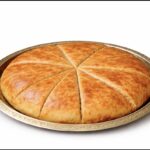
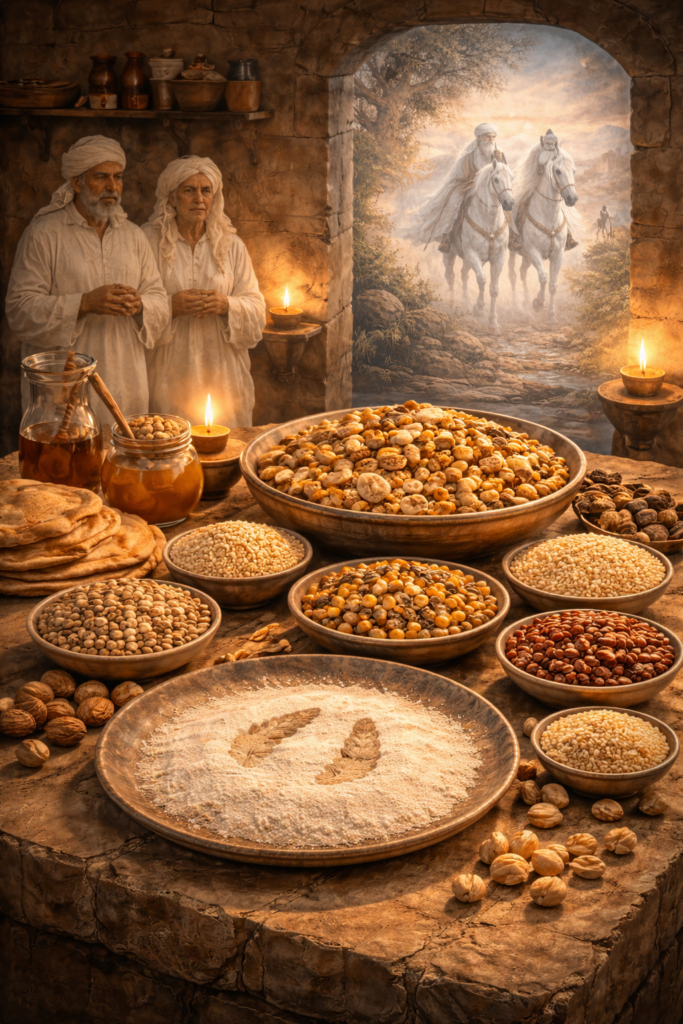
Klocha Sare Sale is a traditional Ezidi New Year cake celebrated mainly among Ezidis from the former Soviet Union. Marking renewal and the arrival of spring, the ritual involves baking a special cake with a hidden bead or coin. During a family gathering, the cake is cut with a symbolic “plough” line and divided—first as offerings to holy beings, then among family members. The person who receives the hidden piece is believed to be blessed for the coming year. Rooted in Sharfadin, the tradition reflects both spiritual meaning and the natural cycle of rebirth.

International Women’s Day: The Strength and Role of Ezidi Women in Society

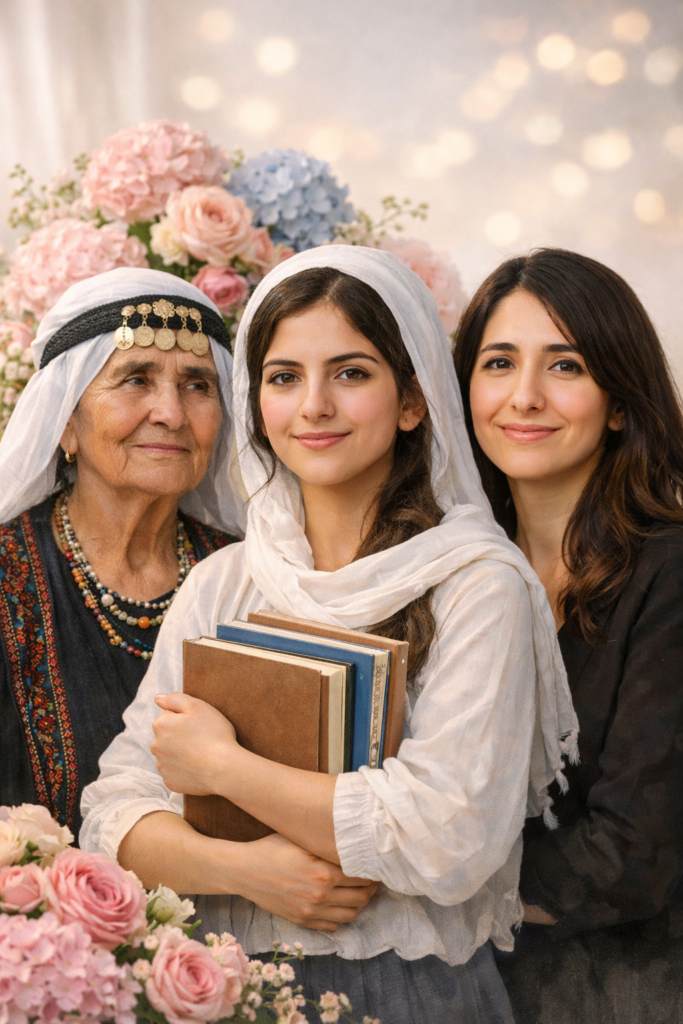
Ezidi women have long played a central role in preserving the traditions, faith, and social life of the Ezidi people. After the genocide of August 3, 2014, their voices also emerged on the global stage, as survivors and activists began speaking publicly about the crimes committed against their people. This article explores the historical role of women among the Ezidis, the profound changes that followed the genocide, and how a new generation of women is shaping the future of the Ezidi people through resilience, education, and leadership. Read more.

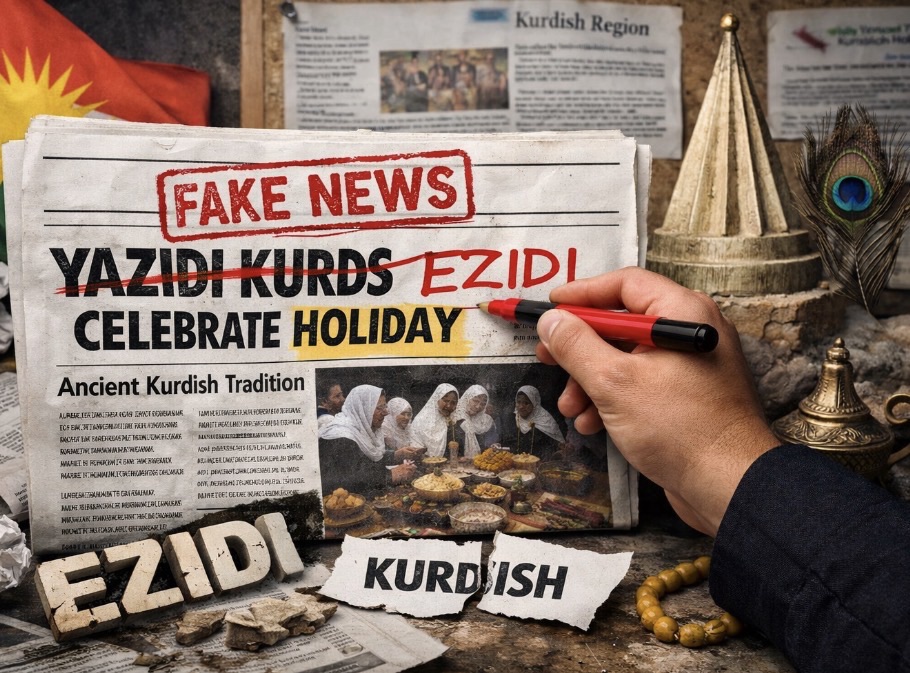
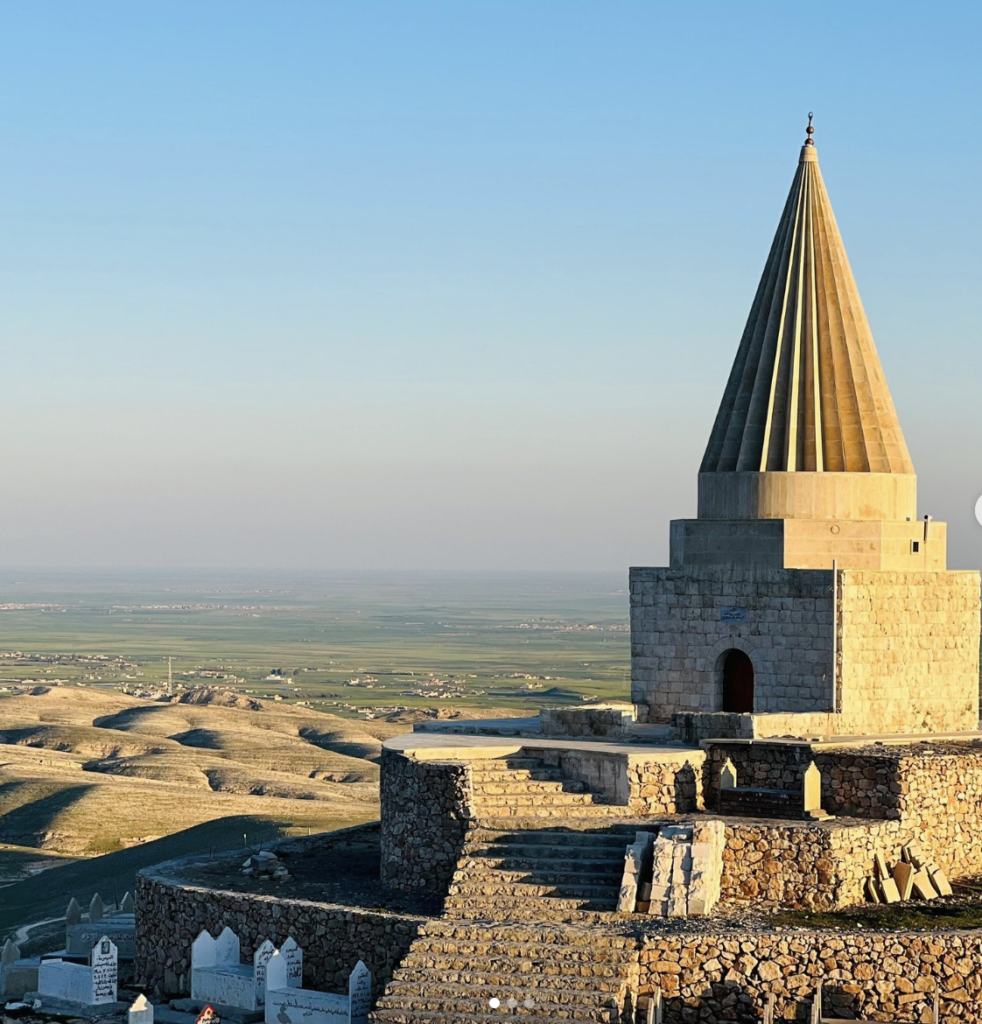
Since When Did an Ezidi Religious Holiday Become a “Kurdish Tradition”?

Ezidi Times criticizes Kurdish media outlet Kurdistan24 for referring to Ezidis as “Yazidi Kurds” in its coverage of the Khidr Elias holiday. The article argues that such language spreads misinformation, erases the distinct identity of the Ezidi people, and attempts to appropriate the sacred traditions of the Ezidi religion, Sharfadin, by falsely presenting them as Kurdish cultural practices.

Ultimatum Over Shingal: Ezidis Face Renewed Uncertainty as March 10 Deadline Looms

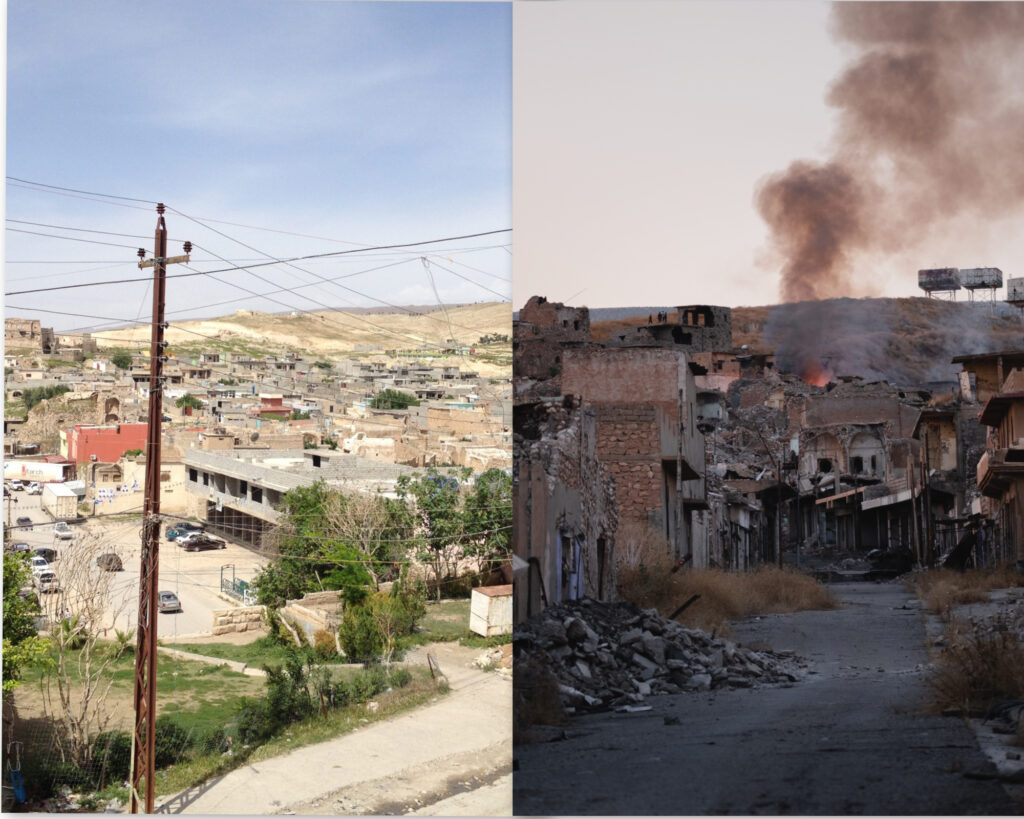
Dissolve by 10 March—or face attack. That was the message delivered to the YBŞ in Mosul, placing Shingal’s Ezidis at another crossroads. For a people still rebuilding after genocide, the prospect of imposed security decisions revives a familiar and dangerous pattern. Ezidi leaders warn that dismantling local defense forces without a binding administrative and security agreement could force new displacement and leave the homeland of Sharfadin exposed once again.

Rudaw’s Obsession with Ezidis: Twisting Truth Across Languages

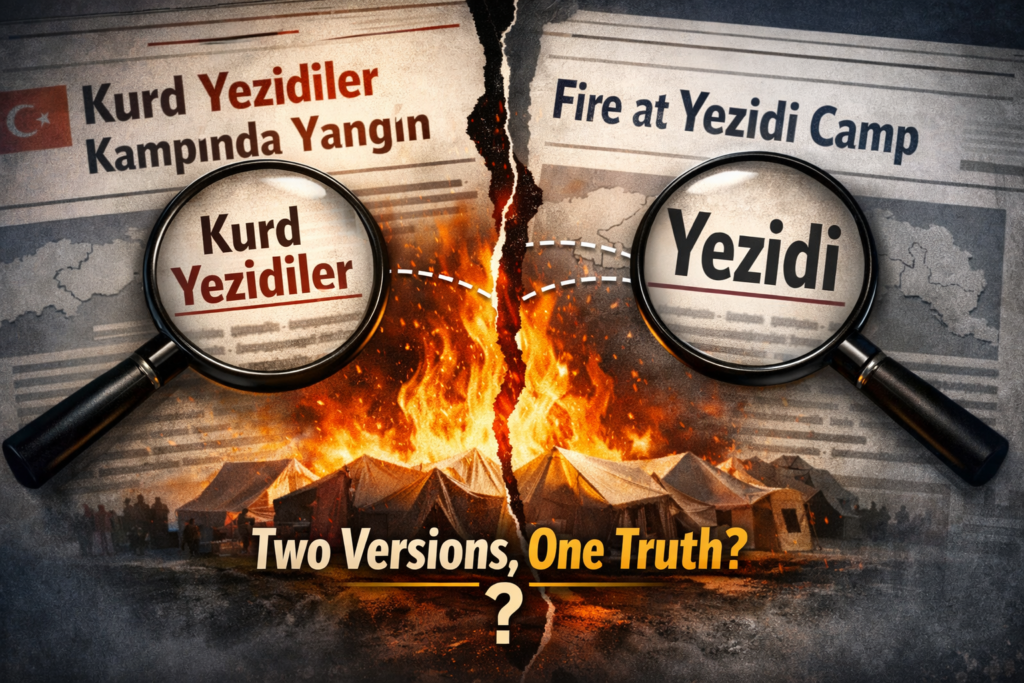
Rudaw recently published two versions of the same story about a fire at an Ezidi camp—one calling them “Ezidi Kurds” in Turkish, the other “Yazidi” in English. Beyond the inconsistency, the facts differ, raising serious questions about journalistic ethics. Why is there such an obsession with Ezidis, their religion, language, and history? It’s time for media to stop politicizing truth and start reporting honestly.

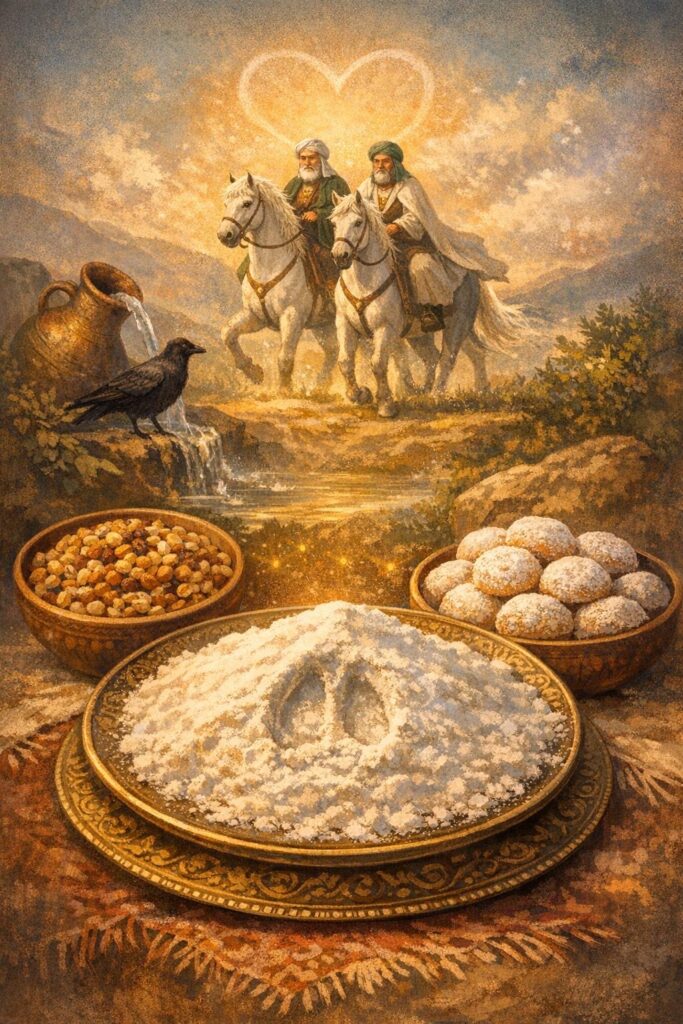
The Holiday of Xidir Nebî and Xidir Êlyas

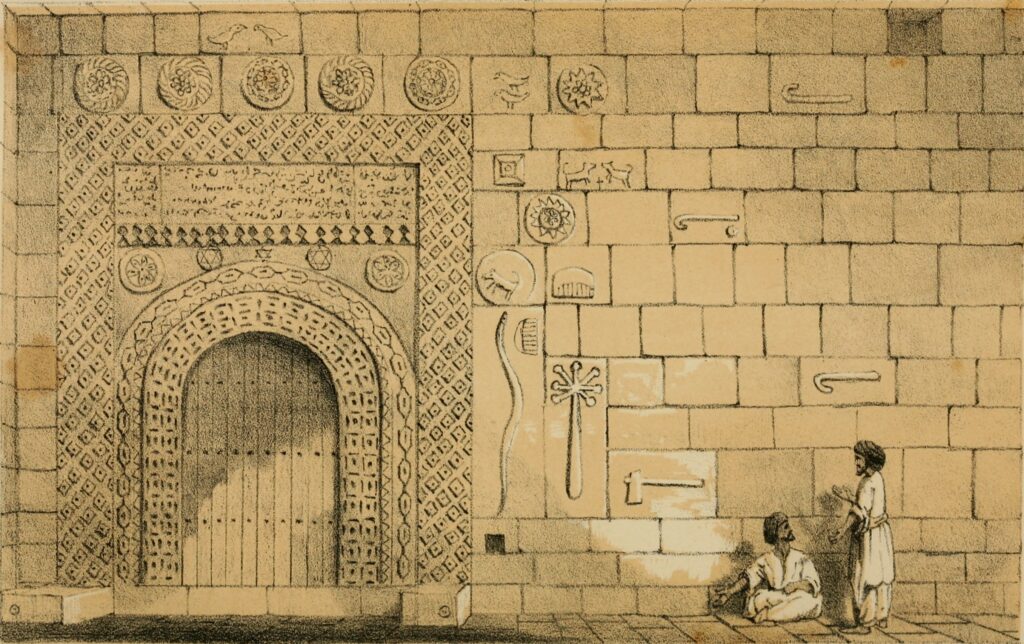
The holiday of Xidir Nebî and Xidir Êlyas is one of the most important religious celebrations among Ezidis, honoring two revered saints associated with protection, love, and life. Though venerated across multiple cultures—from Iran to Armenia and beyond—Ezidis maintain distinct traditions that blend sacred texts, local legends, and ancient rituals. The festival involves fasting, special plant-based dishes, and symbolic practices such as pêxûn preparation, hair-cutting for blessings, and matchmaking customs rooted in dreams. Folk celebrations include communal gatherings, ceremonial songs, and playful rituals like dolidang, connecting spiritual devotion with social cohesion. Across history, Xidir and Êlyas have absorbed traits from pre-Islamic and pre-Christian myths, linking Ezidi practice to ancient regional narratives of divine guidance and the quest for life-giving waters.
The Holiday of Xidir Êliyas and Xidir Nebî in Sharfadin

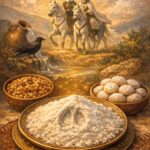
The holiday of Xidir Êliyas and Xidir Nebî is a sacred Ezidi holiday honoring the immortal saints Xidir Êliyas and Xidir Nebî, guardians of life, love, and protection. Observed each year in February, the days combine voluntary fasting, preparation of symbolic foods called the Sacred Seven, and rituals that invite blessings into the home. From the mystical hoofprint sign to the making of Pekhûn, the holiday celebrates healing, divine guidance, and the renewal of both body and spirit.

Քրդական ստերը «եզդիներին աջակցելու» մասին

Rudaw-ը պնդում է, որ եզդիները «քրդեր» են՝ կրկնելով Նեչիրվան Բարզանիի և KRG-ի երկարատև փորձը՝ յուրացնելու մեր ինքնությունը։ Եզդիները առանձին էթնիկ ժողովուրդ են, Շարֆադինի հետևորդներ, որոնք ունեն մեր սեփական պատմությունը, իրավունքները և ձայնը։ Գերմանիան աջակցում է տեղահանված եզդիներին, քանի որ դա նրանց պատասխանատվությունն է, այլ ոչ թե Բարզանիի պատճառով։ Մեզ «քուրդ եզդիներ» անվանելը ջնջում է մեր ինքնությունը, թաքցնում տասնամյակների մարգինալացումը և փորձում է օգտագործել մեզ քաղաքական շահի համար։ Եզդիները անկախ են, և ոչ մի քաղաքական գործիչ կամ լրատվամիջոց չի կարող վերաշարադրել մեր պատմությունը կամ խլել մեր ապագան։

Expondo as Mentiras Sobre “O Apoio dos Curdos aos Ezidis”

Rudaw afirma que os Ezidis são “curdos”, repetindo a tentativa de longa data de Neçirvan Barzani e do KRG de cooptar nossa identidade. Os Ezidis são um grupo étnico separado, seguidores do Sharfadin, com nossa própria história, direitos e voz. A Alemanha apoia os Ezidis deslocados porque é sua responsabilidade, não por causa de Barzani. Chamar-nos de “Ezidis Curdos” apaga nossa identidade, esconde décadas de marginalização e tenta nos usar para ganho político. Os Ezidis são independentes, e nenhum político ou meio de comunicação pode reescrever nossa história ou tirar nosso futuro.

Exponiendo las Mentiras Kurdas Sobre el “Apoyo a los Ezidis”

Rudaw afirma que los Ezidis son “kurdos”, repitiendo el intento de larga data de Neçirvan Barzani y del KRG de cooptar nuestra identidad. Los Ezidis son un grupo étnico separado, seguidores de Sharfadin, con nuestra propia historia, derechos y voz. Alemania apoya a los Ezidis desplazados porque es su responsabilidad, no por Barzani. Llamarnos “Ezidis kurdos” borra nuestra identidad, oculta décadas de marginación e intenta utilizarnos para fines políticos. Los Ezidis somos independientes, y ningún político ni medio de comunicación puede reescribir nuestra historia ni arrebatarnos nuestro futuro.

Kurdiska lögner om ett “ezidiskt stöd”

Rudaw påstår att ezider är “kurder”, och upprepar därmed Neçirvan Barzanis och KRG:s långvariga försök att ta över vår identitet. Ezider är en separat etnisk grupp, följare av Sharfadin, med egen historia, egna rättigheter och egen röst. Tyskland stödjer fördrivna ezider eftersom det är deras ansvar, inte på grund av Barzani. Att kalla oss “kurdiska ezider” raderar vår identitet, döljer årtionden av marginalisering och försöker använda oss för politisk vinning. Ezider är oberoende, och ingen politiker eller mediekanal kan skriva om vår historia eller ta ifrån oss vår framtid.

Dénoncer les mensonges sur les Ezidis et leur prétendu « soutien kurde »

Rudaw prétend que les Ezidis sont des « Kurdes », répétant la tentative de longue date de Neçirvan Barzani et du KRG de s’approprier notre identité. Les Ezidis constituent un groupe ethnique distinct, fidèles au Sharfadin, avec leur propre histoire, leurs droits et leur voix. L’Allemagne soutient les Ezidis déplacés parce que c’est sa responsabilité, pas à cause de Barzani. Les qualifier de « Yézidis kurdes » efface notre identité, masque des décennies de marginalisation et tente de nous instrumentaliser à des fins politiques. Les Ezidis sont indépendants, et aucun politicien ni média ne peut réécrire notre histoire ou nous voler notre avenir.

De Koerdische leugens over “Ezidische steun” ontmaskerd

Rudaw beweert dat Ezidi’s “Koerden” zijn, en herhaalt daarmee de langdurige poging van Neçirvan Barzani en de KRG om onze identiteit toe te eigenen. Ezidi’s zijn een apart etnisch volk, volgers van Sharfadin, met een eigen geschiedenis, rechten en stem. Duitsland ondersteunt ontheemde Ezidi’s omdat dit hun verantwoordelijkheid is, niet vanwege Barzani. Ons “Koerdische Ezidi’s” noemen wist onze identiteit uit, verbergt decennia van marginalisering en probeert ons politiek te gebruiken. Ezidi’s zijn onafhankelijk, en geen enkele politicus of mediakanaal kan onze geschiedenis herschrijven of onze toekomst afnemen.