
BAGHDAD, Iraq
Iraqi authorities have formally identified the remains of 25 missing people recovered from mass graves in Nineveh Governorate after DNA testing established matches with their relatives. The identifications allow the families to obtain death certificates, complete inheritance procedures and pursue other legal rights after the fate of their missing relatives was established through forensic examination.
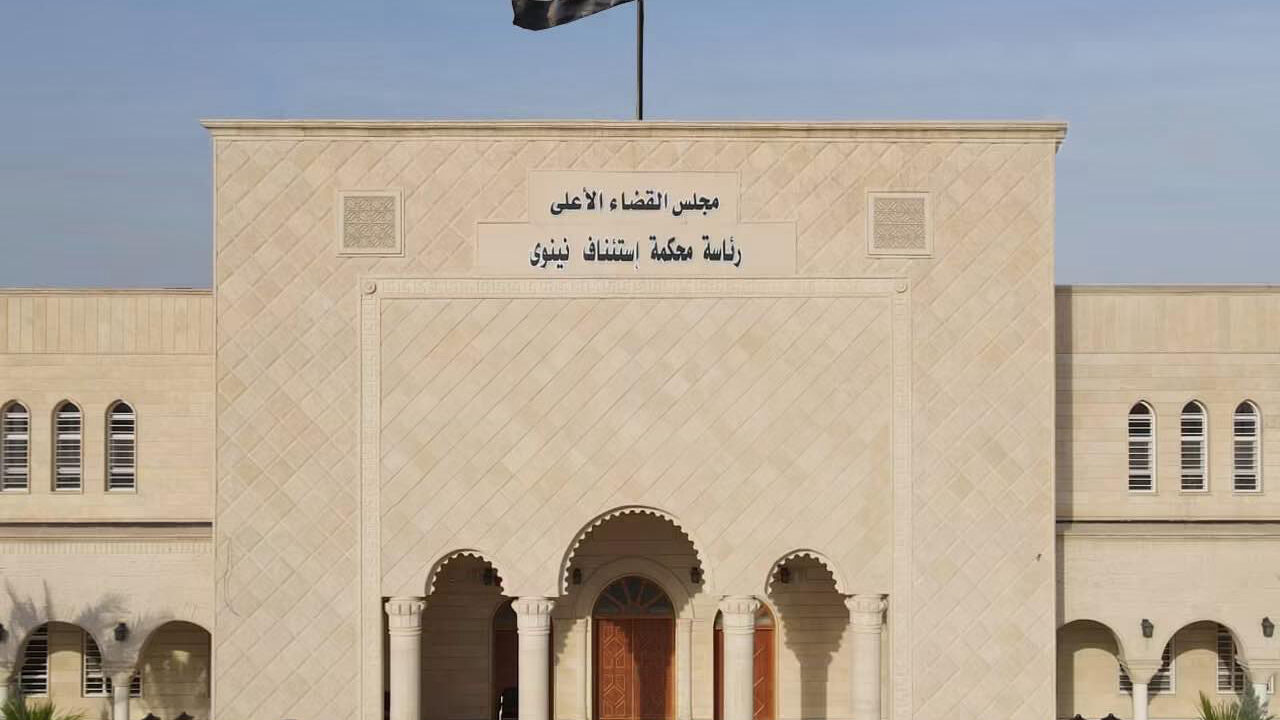
The Presidency of the Nineveh Court of Appeal approved the 25 identification documents after the required legal and technical procedures were completed. DNA matching was carried out by Iraq’s Forensic Medicine Directorate using samples from the recovered remains and relatives of the missing people.
The identification documents formally establish both the identities and deaths of the victims. They can now be used by their families to complete procedures including the issuance of death certificates and legal inheritance documentation, as well as claims to other rights available under Iraqi law.
The Iraqi judiciary did not identify the ethnic or religious backgrounds of the 25 victims, disclose the specific mass graves from which their remains were recovered, or state when and under what circumstances they were killed. It therefore cannot currently be established from the official announcement whether any of the 25 were victims of the Ezidi Genocide of 2014.
Mass-grave investigations continue across Nineveh
The identification comes as Iraqi authorities continue work on numerous mass graves across Nineveh, where burial sites originate from different periods of violence and contain victims from several groups.
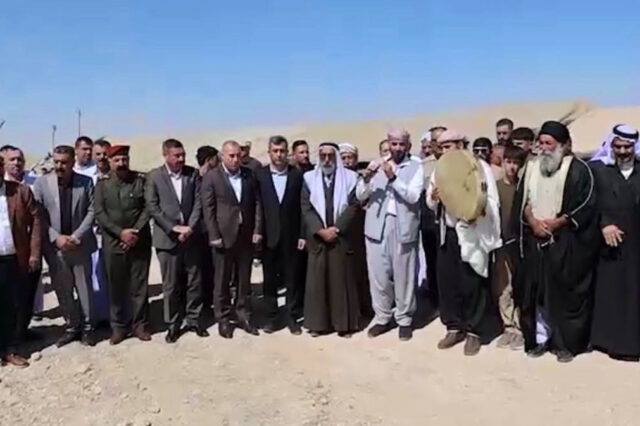
In April 2026, the Supreme Judicial Council participated in the opening of three mass graves on the western side of Mosul linked to crimes committed by ISIS. Iraqi judicial authorities said those graves contained civilians, including women and children from Mosul, as well as Ezidi victims and members of the Peshmerga forces killed by ISIS.
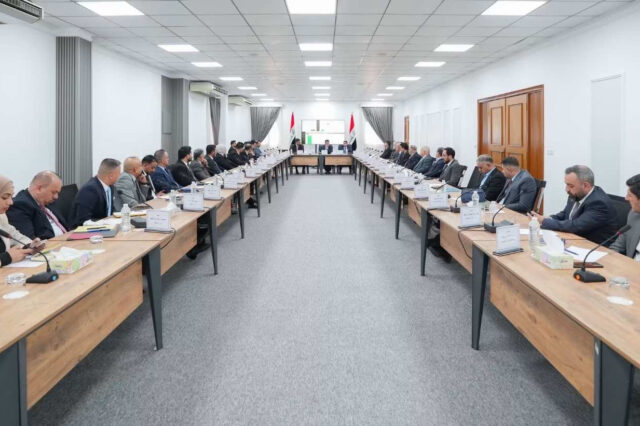
The identification of human remains depends heavily on DNA comparison with surviving relatives. In April, Iraq’s National Center for International Judicial Cooperation brought together judicial authorities, government ministries and international organisations to improve coordination with families, including relatives living outside Iraq, so that DNA samples could be collected and compared with remains recovered from mass graves in Nineveh.
In August, Nineveh MP Rahima al-Jubouri said 55 mass-grave sites had been documented across the governorate, of which 30 had been opened. She said those locations contained 94 individual graves and that 1,931 sets of human remains had been recovered. According to the figures she presented, work had reached 58 percent in Şengal and 47 percent in Mosul.
Those figures were presented by al-Jubouri and are separate from the Supreme Judicial Council’s confirmation concerning the 25 newly identified victims.
Ezidi Times Analysis: Why precise identification matters
Nineveh’s mass-grave investigations are particularly significant for the Ezidi people because ISIS created numerous mass graves during the Ezidi Genocide of 2014. Recovering remains, establishing identities and returning victims to their families remain essential parts of determining the fate of those who disappeared during the genocide.
At the same time, not every mass grave in Nineveh is connected to the Ezidi Genocide, and the discovery or identification of remains in the governorate cannot by itself establish that the victims were Ezidi.
That distinction is important in the present case. The Iraqi judiciary has confirmed the identification of 25 people through DNA evidence, but it has not publicly connected those individuals to a particular massacre, population group or period of violence.
For the affected families, however, the identification has an immediate legal consequence. A relative who had remained officially missing can now be legally recognised as deceased, allowing families to obtain documentation and resolve matters that may have remained suspended for years.
The continued identification of victims also adds names to mass-grave investigations that would otherwise remain represented only by unidentified remains. Where later evidence connects identified victims to particular crimes, those identifications can also become relevant to wider efforts to establish what happened, where victims were killed and who may have been responsible.