
By Hyman Krasafi
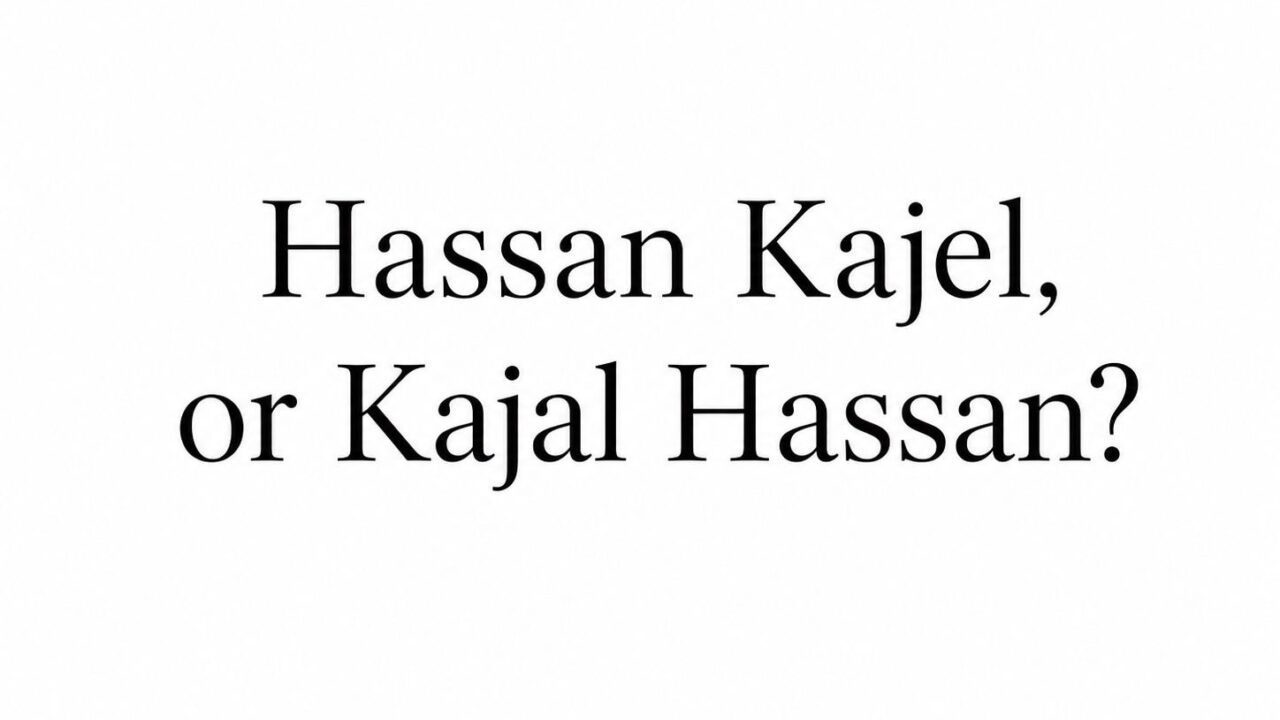
It is said in the proverb, “Hassan Kajal or Kajal Hassan?,” to indicate that the two are two sides of the same coin. This proverb is based on the reality of Ezidis in northern Iraq, in terms of the similarity of political forces toward Ezidis, whether they stay or change.
Today, with the political conditions that the Region is going through and the political blockage it is witnessing, in addition to the increasing attempts to rearrange alliances between political forces, especially among some opposition parties such as the New Generation and the Patriotic Union of Iraq, hopes are renewed that the results of these movements will be in favor of general stability and that they will lead to a calmer political reality and consensus that guarantees a decent life away from conflicts and tensions.
With this, in all cases, whether positive or negative, we have a question related to the representation of the original components within the political system, foremost of which is the rights of Ezidis.
Certainly, all Kurdish forces are aware of the Ezidis’ demand for the creation of their own quota seat on the basis of their privacy and religious identity.
Yet their demand remains in the field of continuous marginalization.
Years ago, in the Region and for the first time, an Ezidi political entity was officially registered in a precedent that was considered an important step in principle, as it showed recognition of the need for political representation of Ezidis within the Kurdish partisan framework. However, this experience, despite its symbolism, collided with a complex political reality that showed from the beginning that the existence of an Ezidi list or political entity does not necessarily guarantee the achievement of influential electoral results, in light of the dispersion of Ezidi votes and the fact that they are not counted effectively in their regions such as Sheikhan and Sinjar, in addition to other political and administrative factors that affect the strength of the Ezidi electoral voice. For example, the Ezidis are original and they do not need a private seat.
Serious attempts emerged to demand the establishment of a quota seat for Ezidis, the most prominent of which was through the Ezidi Future Movement, which sought from the beginning to transform this demand from a social and popular slogan into a constitutional political demand within the institutions of the Region through an Ezidi political entity. However, this step revealed the truth of the general position of the political forces, especially their readiness to recognize the political rights of Ezidis fairly and independently.
The late Ezidi politician Adel Sheikh Farman tried, through the Ezidi Future Movement, to complete the legal and political procedures necessary to enter the elections in order to exert peaceful democratic pressure on other political parties to support the quota demand, and he sat with all parties. However, these efforts faced indirect or explicit rejection from various parties, as each party referred responsibility to the other without reaching a decisive decision or clear political consensus.
Therefore, the Ezidi Future Movement found itself in front of an unequal political equation, as running in elections under those circumstances was not feasible in light of the limited electoral influence and the absence of a political environment that guaranteed sufficient votes. Therefore, the decision to withdraw from electoral participation came as a political protest step and a statement of the uselessness of participation in light of the lack of actual recognition of the quota demand, while Ezidi votes remained dispersed and not calculated fairly.
Therefore, through this experience, and after years, we open the door to questions and inquiries about the future of the political representation of Ezidis in the Region and the extent of the ability of the current and future political system to absorb their legitimate demands away from narrow partisan calculations. We will also ask whether the coming years will be the same as the previous ones in terms of the similarity of the political face of the Kurdish political forces toward Ezidis. And will Hassan Kajel change from Kajal Hassan?