
My Mother Tongue Is Ezdiki

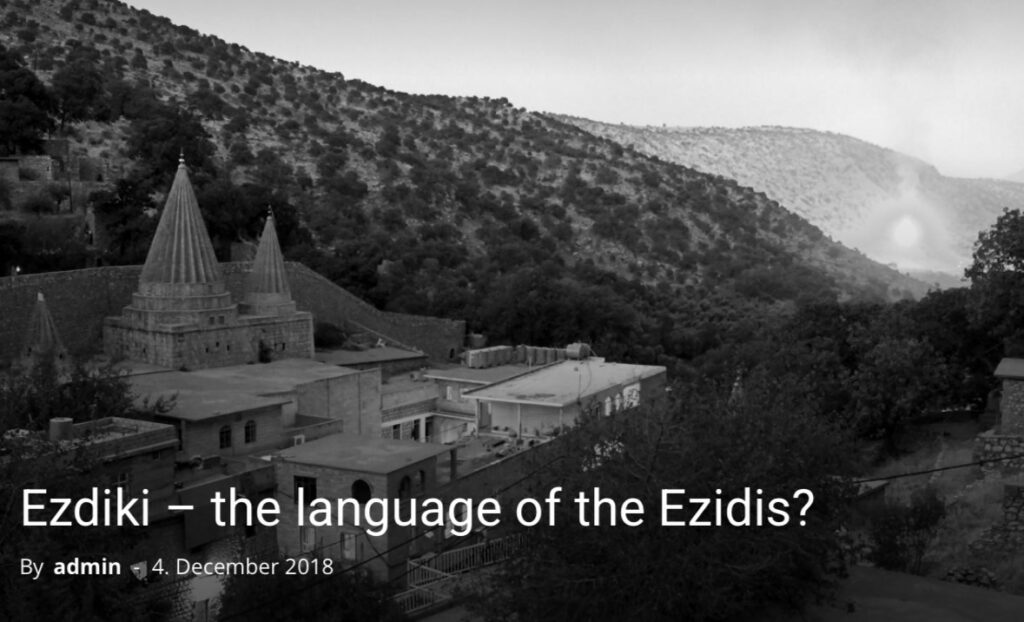
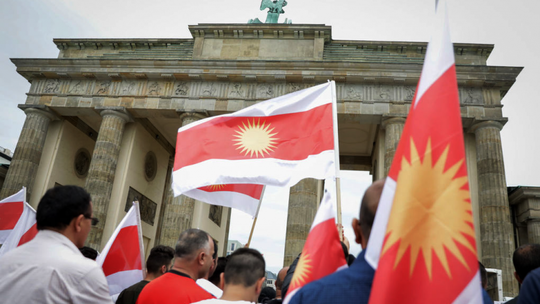
Historical sources show that Ezidis have long referred to their language as Ezdiki, meaning “the language of the Ezidis.” Kurdish is a new term and is the result of political influence and aspirations of creating a “kurdish” nationalistic identity.

Why Don’t You List Ezdiki on Your Profile?

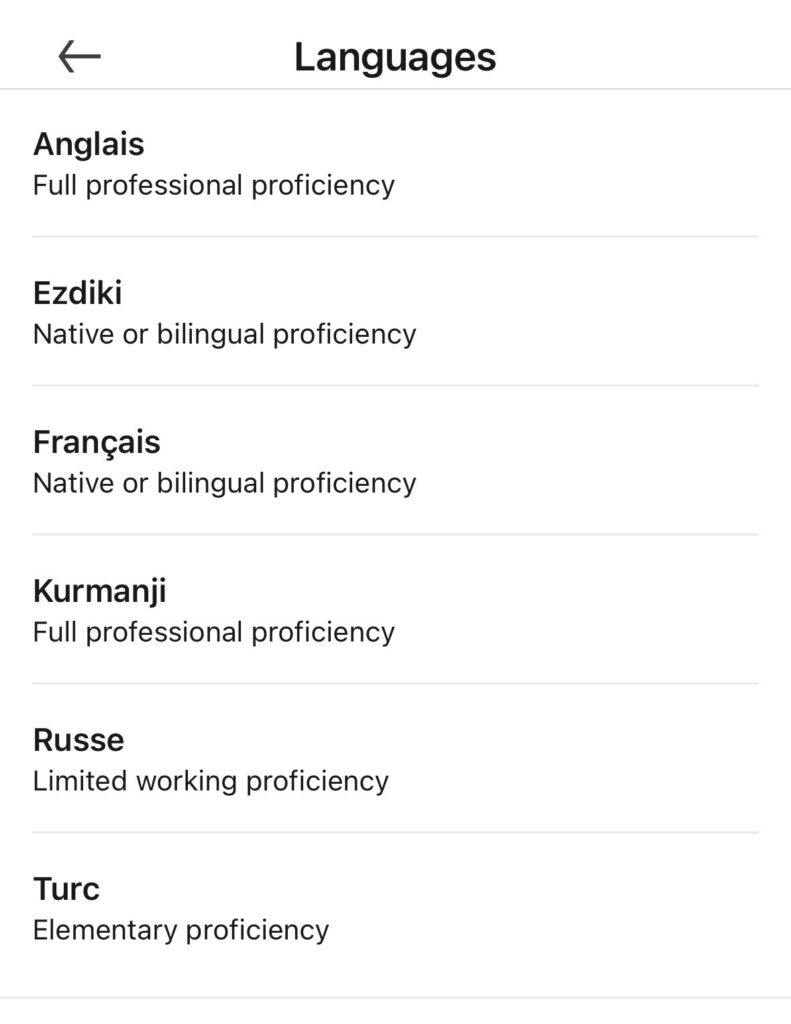
Many Ezidis choose to list their language as Kurdish or Kurmanji because it seems easier when dealing with institutions or people unfamiliar with Ezidis. But doing so risks slowly eroding a history and identity that stretches back thousands of years. One LinkedIn user chose a different path; proudly listing Ezdiki.

The Importance of Women in Society

Women are the quiet strength of every society. Even in the face of violence, displacement, and loss, they continue to protect their families, educate their children, and preserve culture. Among the Ezidis, women have shown that survival alone is not enough; they transform suffering into resilience and silence into voice. Their actions prove that the true power of a society is revealed not in how it dominates, but in how it values and listens to its women.

Kurds Returning to Armenia: A Grave Security Risk

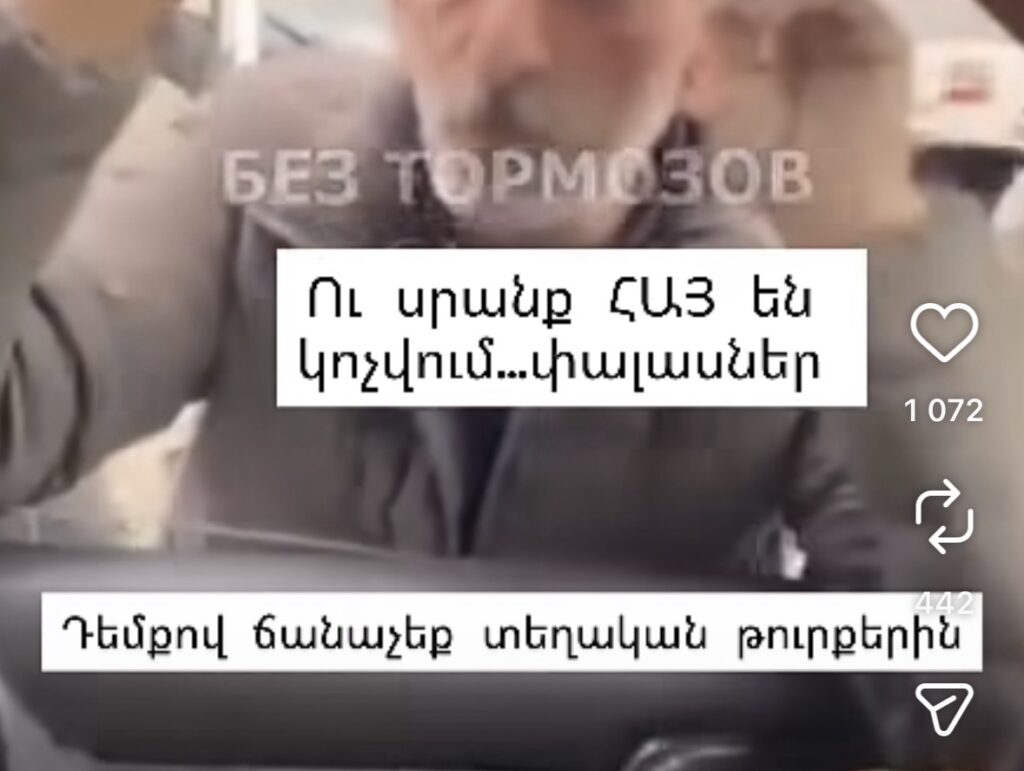
In the late 1980s, during the Armenia–Azerbaijan war, many Kurds left Armenia, openly stating they would not fight against their Muslim brothers. They relocated to Kazakhstan and remained there for decades, removed from the political and military realities Armenia faced. This development raises legitimate security concerns. Individuals who once refused to defend the state on religious grounds demonstrated that their loyalty was conditional. If loyalty is defined by religion rather than citizenship, the implications are serious. In any future conflict involving a Muslim-majority country, where would such actors stand? Armenia cannot ignore this question.

Exposing the Kurdish Lies About “Ezidi Support”

Rudaw claims that Ezidis are “Kurds,” repeating the long-standing attempt by Neçirvan Barzani and the KRG to co-opt our identity. Ezidis are our own people, followers of Sharfadin, with our own history, rights, and voice. Germany supports displaced Ezidis because it is their responsibility, not because of Barzani. Calling us “Kurdish Ezidis” erases our identity, hides decades of marginalization, and tries to use us for political gain. Ezidis are independent, and no politician or media outlet can rewrite our history or take away our future.

Protecting Our People Before History Repeats

The Ezidis know the consequences of ignored warnings. Ongoing instability in the region, particularly in Sinjar, has renewed serious concerns about safety and protection for a people who have already survived genocide. The conditions that enabled the atrocities of August 3, 2014, have not been fully resolved, leaving Ezidis vulnerable to renewed threats. Protecting Ezidis today is essential not only to acknowledge past crimes, but to prevent history from repeating itself.

Cultural and Identity Theft Happening Right in Front of Our Noses

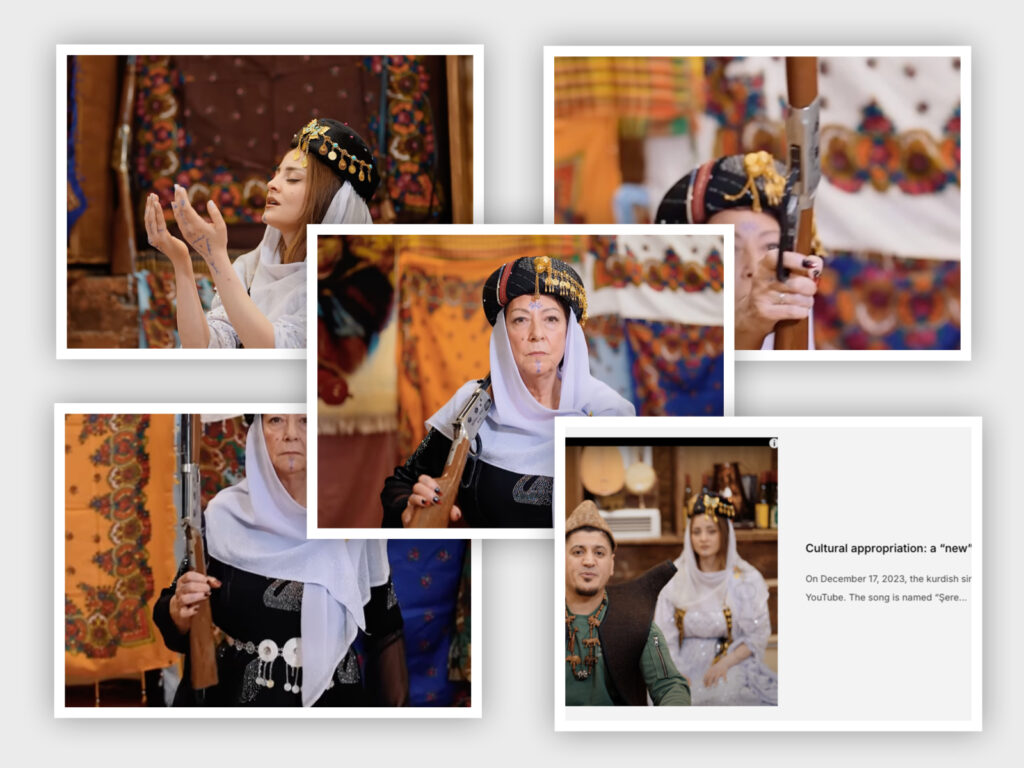
In 2023, Ezidi Times published an article raising concerns about a Kurdish singer using Ezidi traditional clothing in a music video and presenting it as “Kurdish.”
The video shows women in Ezidi attire dancing with weapons, portraying a peaceful and sacred culture in a violent, distorted way — and even attempts to include Ezidis under an artificially constructed “Kurdish” identity.
This is more than cultural appropriation — it is cultural and identity theft happening right before our eyes. The problem still remains and deserves far more attention. The article explores why this matters and is a big issue.

A Response to İkbal Dürre: Why Ezidis in Russia Are Not Counted in Kurdish Demographic Statistics

This article responds to İkbal Dürre’s claims about why Ezidis in Russia are not counted within Kurdish demographic statistics. Ezidis identify as Ezidi, not Kurdish, and Russia records them accordingly. Labeling them as Kurds ignores their distinct identity, their Sharfadin faithh. Ezidis reached Russia after the 1915 genocide that the kurds cmmited againt them.

Ezidi Design on Kurdish Catwalk: Respect or Cultural Appropriation?

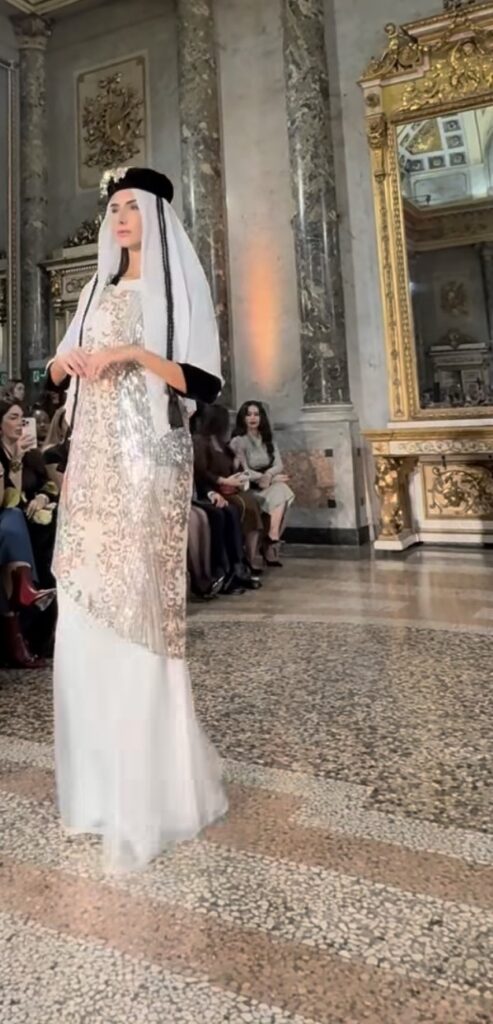
When a Kurdish designer presented a traditional Ezidi dress on the runway in Milan, many applauded the gesture as a sign of inclusion. But is it really recognition—or appropriation? For Ezidi Times, the question runs deeper: why must Ezidis rely on others to showcase their traditions, and what does it mean when their heritage is absorbed into a broader Kurdish narrative? At stake is not just fashion, but the survival of an ancient people’s identity.

Never Forget the Past, for It Loves to Repeat Itself

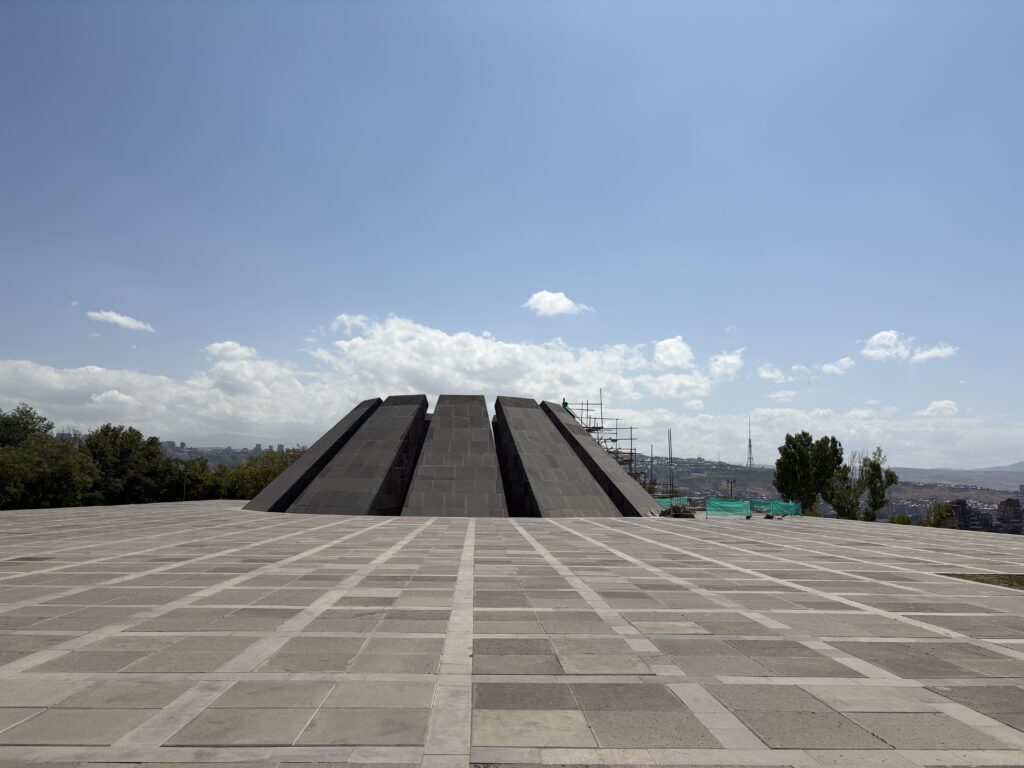
Humanity walks through history carrying the ashes of its own crimes. Every stone laid at memorials like Tsitsernakaberd whispers of lives extinguished and of promises broken — never again, we say, yet again and again, we fail. As the eternal flame burns for the Armenians of 1915, it casts a shadow that reaches Sinjar, where the Ezidi people still suffer the consequences of the genocide ISIS unleashed in 2014. Eleven years later, the wounds remain unhealed, deepened by betrayal, neglect, and cynical politics. How many more memorials must we build before we finally understand that remembrance is not enough — justice and protection must follow, or the cycle will never end?

Zara: The Ungrateful Child of Ezdixan

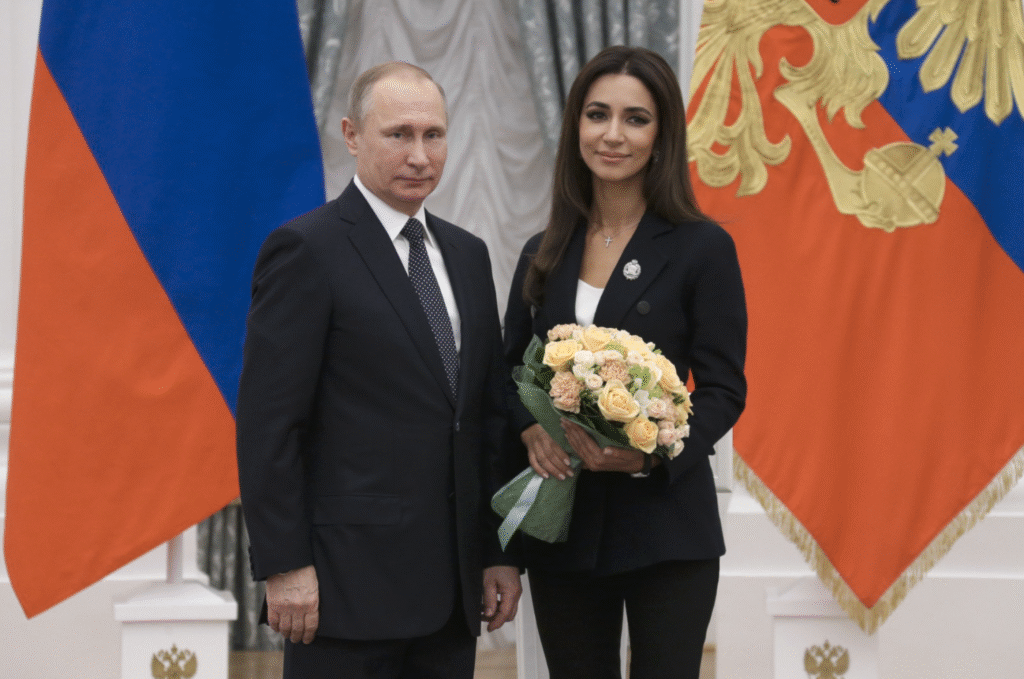
Zara’s recent actions expose not just a troubling detachment from her Ezidi heritage, but a blatant disregard for the dignity and struggle of the people to whom she owes her very identity. In an era where the Ezidi people are still recovering from genocide and fighting for recognition, Zara has chosen not to stand with them, but to turn her back entirely—trading ancestral truth for political relevance and shallow applause. Her repeated shifts in self-identification—from Armenian to Russian, and now opportunistically Kurdish—suggest not evolution, but erasure. Even worse, her public alliance with individuals who have openly blasphemed the sacred tenets of the Sharfadin faith crosses a moral line. This is not neutrality—it is betrayal.

Without Educated Girls – There Is No Ezdixan

Having more educated and well-established individuals benefits all Ezidis (mlete Ezdia) across the world. With more empowered Ezidis, we stand a better chance of protecting ourselves, having our voices heard internationally, and perhaps even achieving our collective dream of rebuilding our ancestral homeland, Ezdixan. But we cannot achieve this by relying solely on men. We need both male and female Ezidis who are educated, respected, and hold high-level positions. That is the path to true success and prosperity. Forcing girls into early marriages solely to bear children—children who, due to a lack of access to proper education and career development, are unlikely to become strong contributors to our society—while expecting men to shoulder all the burden, is naïve. Just look at any successful nation: observe how their women equally contribute to solving collective problems. See how strong and prosperous those societies are.

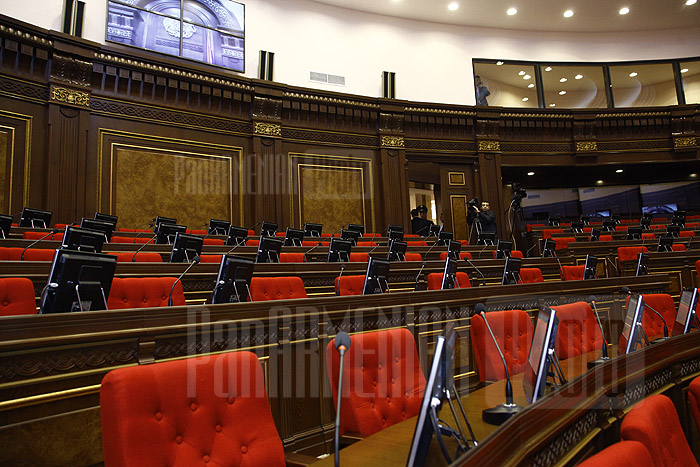
Why Is There an MP Representing Kurds in the Armenian Parliament?

Political and Historical Prostitution Between Armenia and the Kurds – Ezidi Times looked deeper into what exactly this exhibition showcased and was shocked to find that those “historical documents and photographs of Kurdish and minority communities” were materials related to the Ezidis and Assyrians. The few materials that were labelled as “Kurdish” were actually Ezidi documents and photographs, which had been fabricated or wrongly labelled as “Kurdish.”

Ezidi Life Ten Years After the Genocide: A Look at Youth and Male Survivors

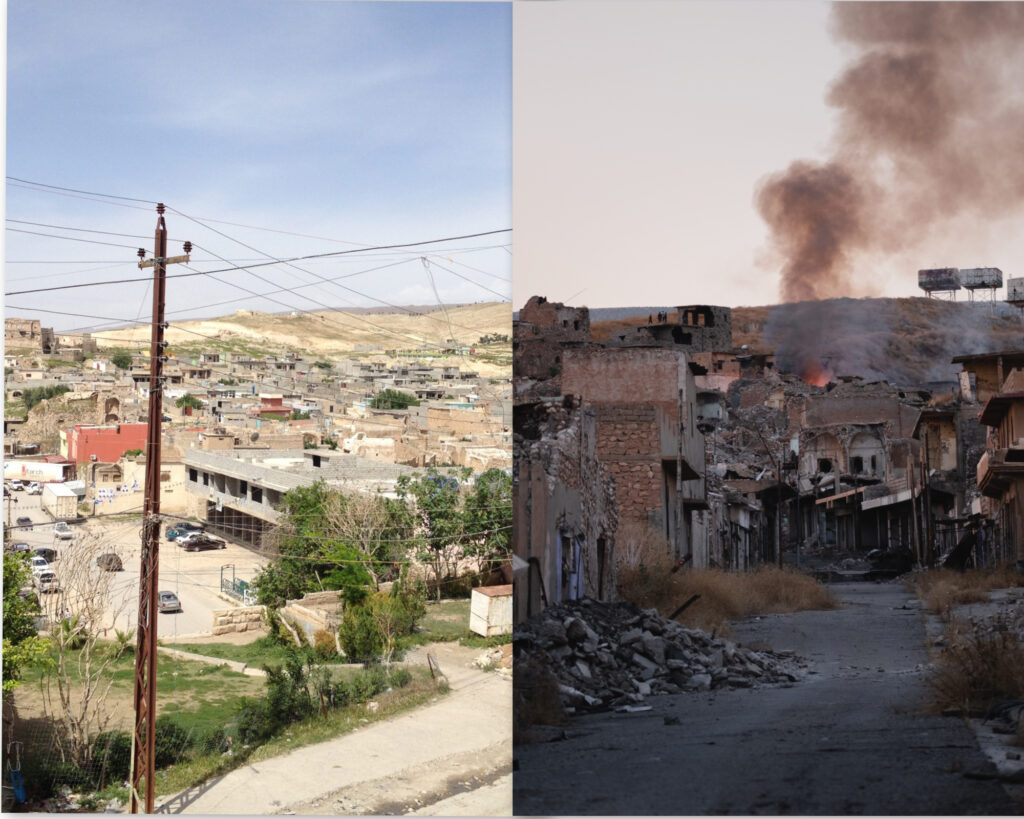
Many Ezidis remain unable to return to their homeland in Sinjar due to ongoing insecurity, political tensions, and the destruction left behind. Thousands continue to live in camps with limited access to education, healthcare, and employment opportunities. Even those who have managed to return face immense hardships, with homes in ruins, infrastructure in poor condition, and economic instability making survival difficult. Justice remains elusive, as many perpetrators of the genocide are still free, and international attention has largely faded, leaving survivors feeling abandoned.

Iraq’s Government Struggles to Win the Trust of the Ezidi People in Sinjar

The Ezidi people, who suffered horrific violence at the hands of ISIS in 2014, feel ignored by the government. Many Ezidis do not trust Iraq’s army or the Kurdish forces, which failed to protect them during the ISIS attacks. A recent decision to return Sunni Arab displaced persons (IDPs) to Sinjar led to protests, as many Ezidis saw it as a reminder of their trauma and the government’s lack of understanding.