
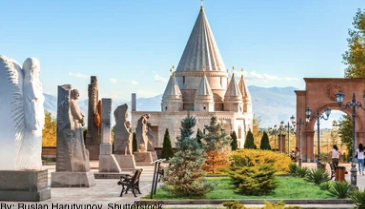
The Unique Identity of the Yezidis (Ezidis) and Their Distinction from the Kurds

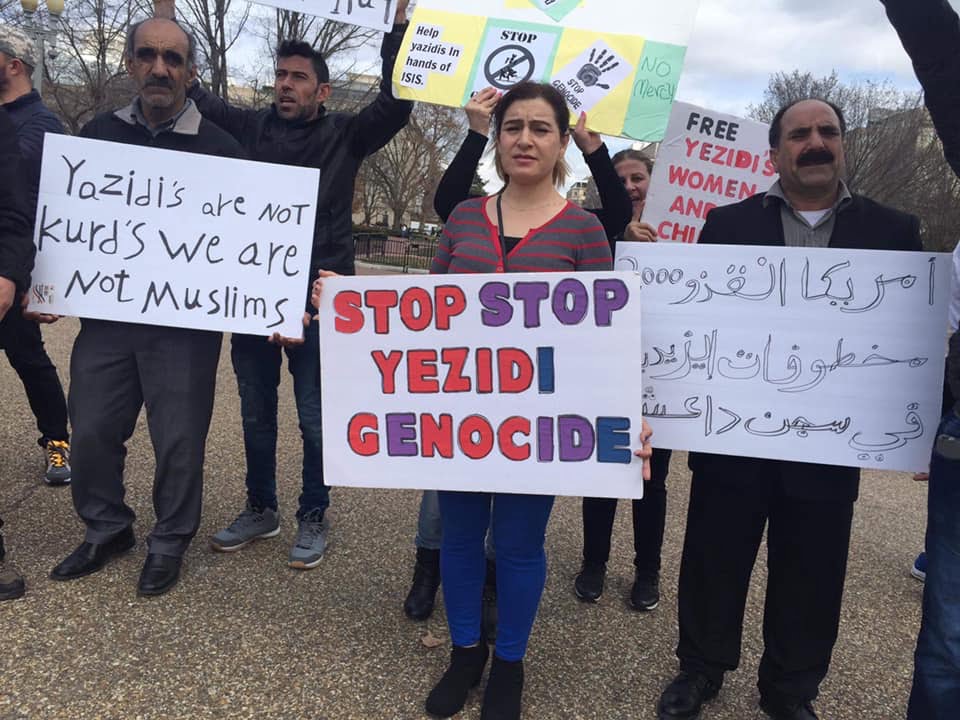
The Yezidis, also known as Ezidis, are an ethnoreligious people predominantly residing in the Middle East, including Iraq, Syria, Turkey, and Armenia. The Yezidis are a distinct and separate group with their own unique identity. In this article we explain the multifaceted reasons why the Yezidis should not be mixed with the different people who see themselves as “Kurdish”.
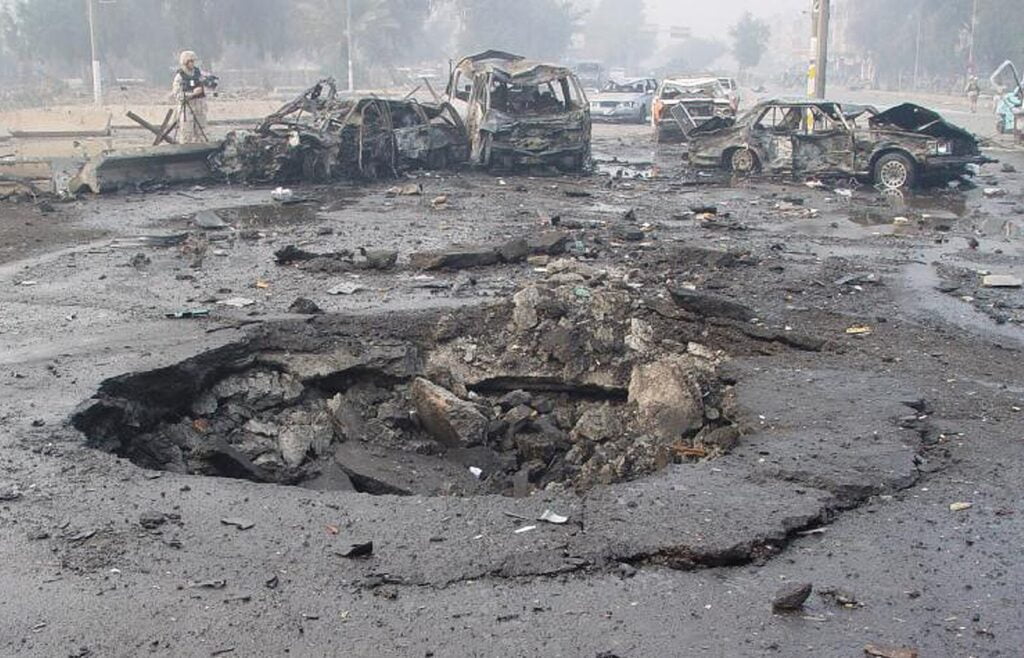

The Ezidi Struggle in Iraq: Genocide, Persecution, and the Fight for Political Representation

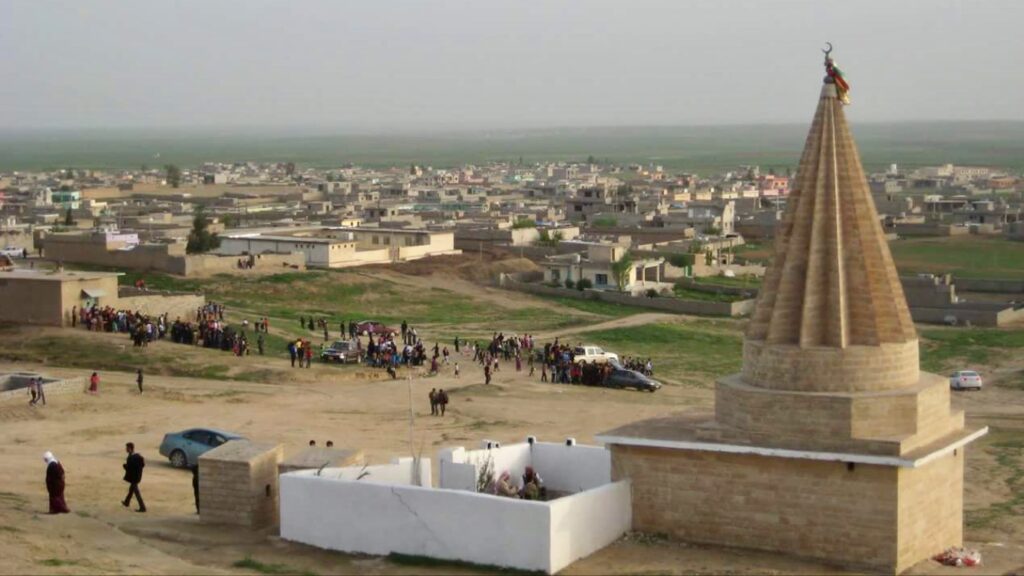
The Yezidis are an ethno-religious minority with the majority speaking Kurmanji, one of the main Kurdish dialects, according to researchers. Geographically, they are classified as a dispersed minority in demographic centres where population density is homogenous and concentrated. They are mainly located in contested areas across several residential clusters, notably in the Sinjar region (locally known as Shingal) and the Nineveh Plain, which falls administratively under the central government. This region includes the Shekhan district, along with numerous Yezidi villages and towns in the Tel Keppe district, as well as the cities of Ba’shiqa and Bahzani in Nineveh province. There are also smaller population clusters in the southern and western parts of Duhok province, which have been part of the Kurdistan region since 1991, including towns and cities such as Sharya, Khanke, Ba’adre, and Derabun.

Iraqi Women’s Association and the Yazidi Women’s Freedom Movement Condemn Turkish military attacks on Sinjar

The third Iraqi women’s conference, held on 25 July in Baghdad and organized by the Iraqi Women’s Association and the Yazidi Women’s Freedom Movement (TAJÊ), focused on uniting against femicide and commemorating the victims of the 2014 Yazidi genocide. The conference included speeches highlighting the impact on women and children, the unknown fate of many captured by ISIS, and the need for women to organize against patriarchal violence.

Unhealed Wounds: The Yazidi Genocide’s Lasting Impact and the Need for International Response

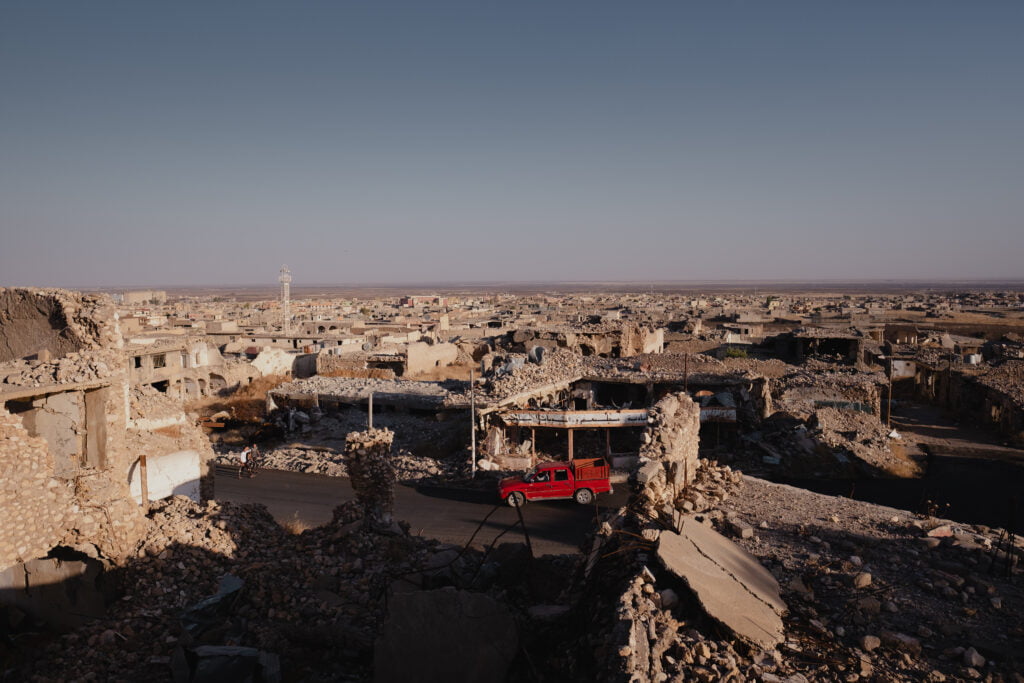
This week marks the 10th anniversary of the Yazidi genocide. It has been ten years since over 10,000 Yazidis were brutally murdered. Ten years since more than 7,000 women and children were subjected to abduction, violence, and enslavement. Ten years since thousands have disappeared and over 2,600 are still missing without a trace. This article is republished on Ezidi Times with the kind permission of Jurist.org.