
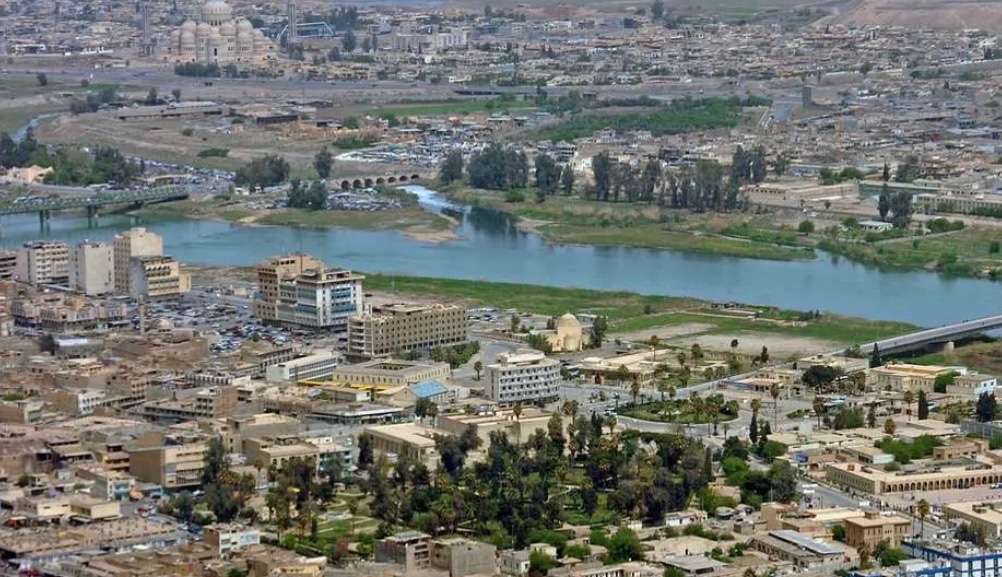
Ezidi MP Murad Ismael walked out of a ceremony in Mosul on 5 August 2026 commemorating twelve years since the genocide committed against Ezidis by ISIS, saying the event did not properly represent the people whose suffering it was intended to honour.
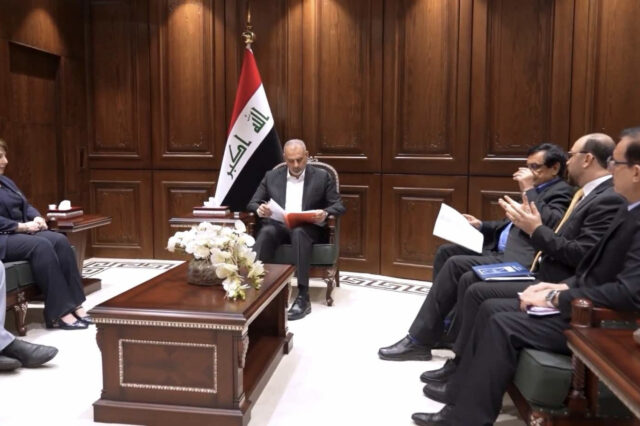
The ceremony was attended by Nineveh Governor Abdul Qader al-Dakhil, security officials, tribal leaders and figures presented as representatives of Ezidis.
Ismael said he withdrew because the organisation of the event and the choice of representatives failed to reflect the different political views held among Ezidis.
He warned that official institutions must listen to genuine Ezidi voices if they are serious about addressing the unresolved consequences of the genocide.
The walkout raises important questions about who selected the speakers and attendees, which Ezidi organisations were consulted and whether a limited group of political or tribal figures was presented as representing all Ezidis.
Public ceremonies concerning the genocide cannot be treated simply as official occasions attended by government officials and selected dignitaries. Survivors, independent Ezidi organisations, elected representatives and different political positions must be given a meaningful voice.
Governor al-Dakhil used the ceremony to call for the reconstruction of Sinjar, clarification of the fate of missing Ezidis, compensation for victims and the safe return of displaced families.
Those demands remain urgent. But official speeches cannot replace fair Ezidi participation. A genocide ceremony that excludes major Ezidi voices risks becoming a government-managed performance rather than a genuine act of remembrance.
So far, it has been clear that the Iraqi government has made no serious attempt to create safe and liveable conditions for Ezidi survivors to return home to Sinjar. Therefore, orchestrating which Ezidi gets to represent Ezidis comes as no surprise. Both the Iraqi government and Kurdish actors in the region benefit from the extermination of Ezidis from their ancestral homeland, as both benefit from the humanitarian crisis and the resulting population shift.