
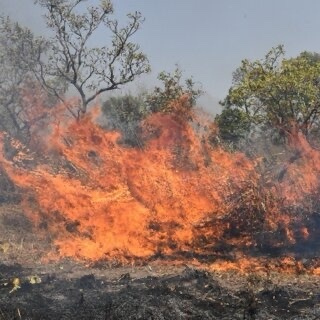
A fire broke out at the Sheikhan displacement camp in Duhok province on 21 July 2026, destroying four tents and forcing several families to flee their shelters. No deaths or injuries were reported.
According to the camp administration, the fire began at approximately 2:00 p.m. local time. The damage was limited to property, but several families lost their tents and personal belongings.
One camp resident said he and seven members of his family narrowly escaped the flames.
“We ran out of the tent, but there were four barrels of kerosene outside which had caught fire. The fire spread rapidly, reached our tent and burned everything,” he said.
The exact cause of the fire has not yet been officially confirmed.
A continuing danger in displacement camps
Sheikhan camp was established in 2015 and primarily accommodates Ezidis displaced from Sinjar following the genocide committed by ISIS in 2014.
Although ISIS was territorially defeated in Iraq several years ago, thousands of Ezidi families remain displaced. Many are still unable to return because of insecurity, damaged infrastructure, limited public services and the continued presence of multiple armed actors in Sinjar.
For families who have now spent nearly twelve years in temporary shelters, fires remain one of the recurring dangers of camp life. Highly flammable tents and caravans, overloaded electrical systems, unsafe wiring and the storage of kerosene and fuel can allow small fires to spread within minutes.
This is not the first such incident.
In July 2025, a fire destroyed five caravans in Mam Rashan camp. During the same month, four tents burned in Chamishko camp and another seven tents were destroyed in Khanke camp.
The latest fire once again highlights the need for improved fire prevention measures, safer electrical infrastructure, proper fuel storage and adequate emergency equipment throughout displacement camps.
Nearly twelve years after the genocide
On 3 August 2014, ISIS launched its genocidal attack against the Ezidi people in Sinjar. Thousands were killed, abducted, enslaved or forced to flee, while entire villages and religious sites were destroyed.
Nearly twelve years later, many survivors remain in camps that were originally intended as temporary shelters. A generation of Ezidi children has now grown up in displacement, while many others have been born in the camps and have never known life in their ancestral homeland.
Although no lives were lost in Tuesday’s fire, the incident serves as another reminder that thousands of Ezidis continue to live under temporary conditions that leave them vulnerable to preventable risks.