Authorities are preparing to exhume 18 further mass graves left behind after ISIS carried out the Ezidi Genocide of 2014 in Sinjar.
Aram Nouri, director of mass graves at the regional Ministry of Martyrs and Anfal Affairs, said the sites have been prepared for exhumation. A technical delegation is expected to travel to Baghdad to agree on the legal and forensic procedures before work begins.
No start date has yet been announced.
According to Nouri, 90 mass graves have been documented in Sinjar since ISIS attacked Ezidis on 3 August 2014. Of these, 78 have been exhumed, with 857 sets of human remains recovered.
The number of people buried in the 18 graves awaiting exhumation is not yet known.
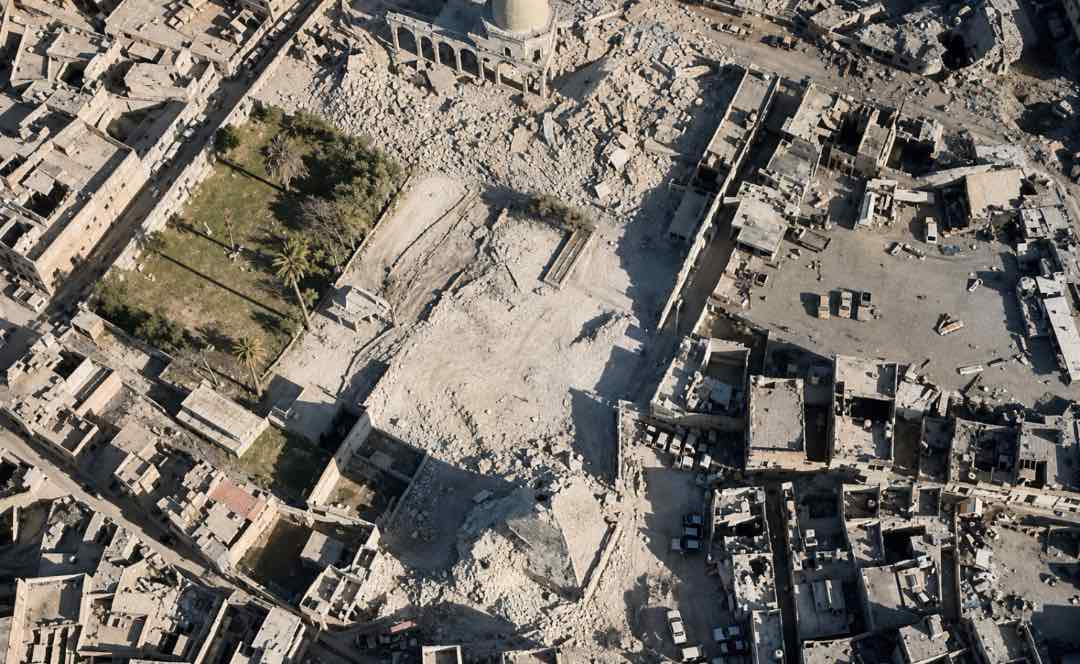
The announcement follows a new round of mass-grave work in Sinjar this year. On 20 September, Iraq’s National Team for Mass Grave Excavations began work at the mass grave near the Sharaf al-Din shrine. The remains recovered there are to undergo DNA testing before they can be identified and returned to their families.
For Ezidi families, an exhumation is not the end of the process. It is the beginning of a long forensic procedure: remains must be recovered carefully, documented, examined, matched with relatives’ DNA and finally returned for a dignified burial.
Each grave is also a crime scene. The recovery and preservation of evidence remains essential to documenting the crimes ISIS committed against Ezidis and to pursuing accountability for the Ezidi Genocide.
More than twelve years after the attack, many families are still waiting to know the fate of relatives who disappeared in 2014. The preparation of these 18 graves is therefore an important step, but it also shows how much work remains unfinished.