Baghdad has begun implementing an agreement to integrate members of the Sinjar Resistance Units (YBŞ) into Iraqi security institutions, a move that could reshape the security situation in Sinjar after years of fragmented control.
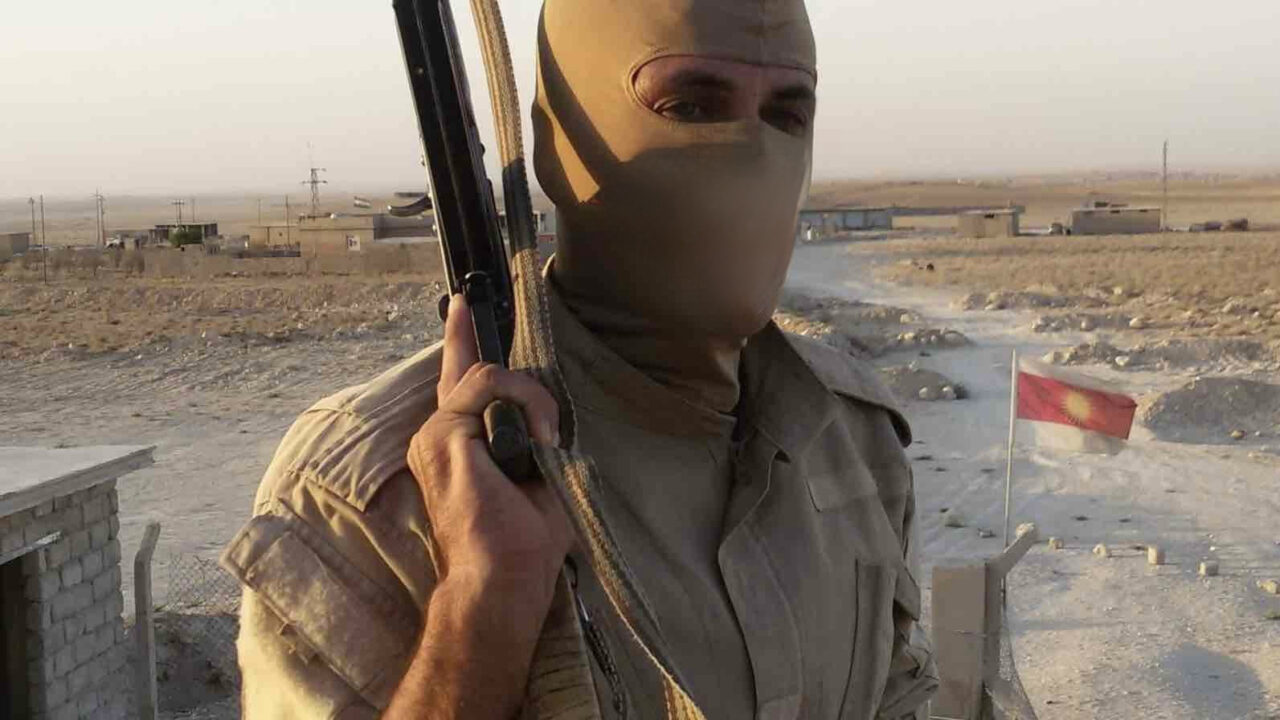
On 26 October, Iraqi federal forces took over a strategic position on Mount Sinjar previously held by YBŞ. Iraq’s Security Media Cell said specialised committees would begin the formal integration process.
YBŞ representatives have said that more than 4,000 male and female fighters are expected to join Iraqi state institutions. Earlier reporting described an initial phase involving around 2,000 fighters, followed by further stages. The final number, the exact institutions involved and the timetable for completion have not yet been publicly clarified.
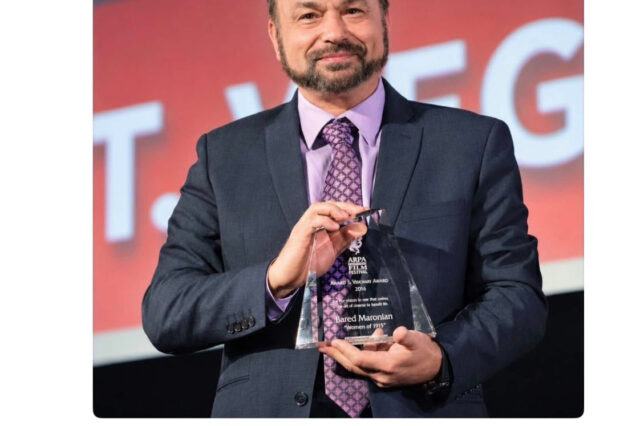
The agreement reportedly emerged from talks in Baghdad in September involving Prime Minister Ali al-Zaidi, YBŞ representatives and Ezidi MP Murad Ismael, leader of the Ezidi Cause Alliance.
An End to an Independent Armed Structure
The stated purpose of the agreement is to bring weapons under Iraqi state authority while protecting the legal rights and future employment of eligible former YBŞ members.
Reports indicate that fighters may be distributed across several institutions, including police and other federal security structures, rather than being placed in one single force. The position of female fighters, command structures, vetting procedures and whether all members will remain stationed in Sinjar are among the issues that still require public clarification.
YBŞ gained prominence after ISIS attacked Sinjar on 3 August 2014 and carried out the Ezidi Genocide. It became one of several armed forces operating in the district during the years that followed. The group has long been described by Iraqi and international media as having ties to the PKK, while presenting itself as an Ezidi force formed to defend Sinjar.
The 2020 Sinjar Agreement envisaged a security structure led by Iraqi federal and local forces. Yet implementation remained incomplete for years, while Ezidis continued to live with insecurity, displacement, destroyed homes and competing authorities.
This new arrangement may finally change that reality. But integrating fighters into state institutions is only one part of what Sinjar needs.
Security Cannot Decide Ezidi Identity
The development comes at a time when the question of Ezidi representation is again being debated publicly.
Days before the Mount Sinjar handover, Rîham H. from Sinjar stated during a live Nuçe TV discussion:
“We are not kurds or Arabs. We are Ezidis.”
She had asked another participant to stop calling her a “kurdish-Ezidi.” Instead of respecting her words, he shouted over her until the discussion was ended.
That incident was not a security dispute. It was a clear example of the pressure Ezidis face when asserting their own identity.
No armed group, political party, election result or government authority has the right to rename Ezidis. The question of whether YBŞ fighters are integrated into Iraqi state institutions does not change who Ezidis are.
Ezidis are Ezidis.
Representation Is Not Measured Only by Quota Seats
The political debate has also focused on the 2025 Iraqi parliamentary elections.
Official results show that the Ezidi Cause Alliance won 49,211 votes and secured a general seat in Nineveh. In the Ezidi quota contest, Khaled Sido won with 9,687 votes.
These results are politically important, but they should not be misused. Election results do not reveal the ethnicity of every individual voter, nor do they give any political actor ownership over Ezidi identity.
Murad Ismael has argued that people should be allowed to identify as Ezidi or kurdish. But this does not answer the central issue: no person should be pressured, threatened or shouted down for identifying as Ezidi.
Representation must mean more than claiming to speak for Ezidis. It must mean respecting Ezidis when they speak for themselves.
What Happens Next Matters Most
The integration of YBŞ fighters could provide former fighters with legal status, salaries, institutional protections and a clearer chain of command. It could also reduce the risk that Sinjar is treated as a battlefield for outside powers.
But the agreement will only be meaningful if it improves life for Ezidi families.
That means ensuring that former fighters are not removed from Sinjar against their will, that women fighters are treated equally, that displaced Ezidis can return safely, and that reconstruction, healthcare, schools, property rights and justice for genocide survivors remain central.
The real question is not who controls a military position on Mount Sinjar. The real question is whether Ezidis will finally be able to live safely in their homeland, speak in their own name and shape Sinjar’s future without being subordinated to the political interests of the Arabs and the Kurds.