There are places that are more than simply physical spaces. They are places of memory. The Ezidi temple complex in Aknalich, Armenia, is such a place. Over the years, it has become not only a place of prayer and pilgrimage, but also a center for preserving and strengthening Ezidi historical memory, culture, identity, and ties among Ezidis.
On September 29, Ezidis from different parts of the world once again gathered in Aknalich. But the celebration begins before September 29. For several days, Ezidis living in Armenia prepare to welcome guests arriving from different countries. Ezidis from various parts of the world come to Armenia to visit their relatives and other Ezidis. For us, Ezidis living here, the arrival of relatives from Iraq—our historical homeland—is a particularly meaningful occasion.
Ezidis living around the world have developed their own particular characteristics over the years. Their linguistic environments, everyday lives, certain customs, and cultural expressions may differ. Yet alongside these differences are deeper commonalities: shared historical memory, faith, traditions, and cultural heritage. For this reason, September 29 is also a celebration of unity.
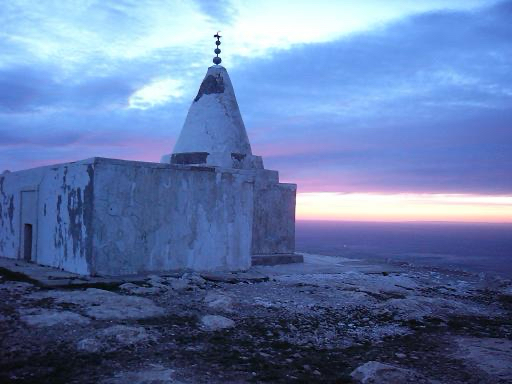
The history of this day in Aknalich begins in 2012. On September 29, 2012, the “Ziarata Ezidiyan” shrine was opened here. It became an important spiritual center for Ezidis and, according to publications from that period, the first shrine of its kind outside the Ezidis’ historical homeland. The initiative and patronage behind the shrine were associated with the late Ezidi philanthropist Mirza Sloyan.
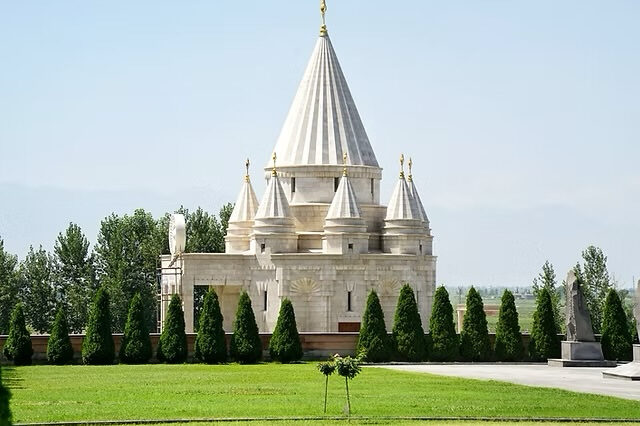
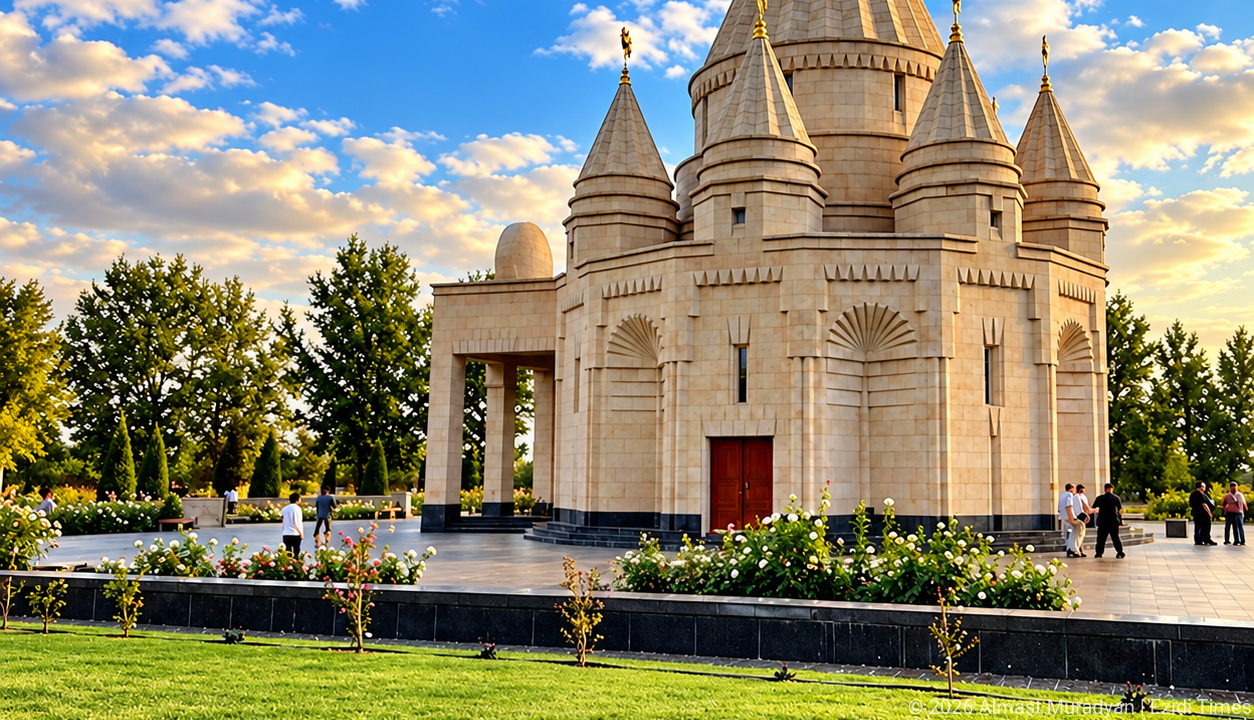
Seven years later, on September 29, 2019, a larger Ezidi temple, Quba Mere Diwane, was opened at the same site, adjacent to the “Ziarata Ezidiyan” shrine. The temple is dedicated to Tausê Melek and the Seven Angels. The initiative and principal funding for the temple were also associated with Mirza Sloyan, while the architect was Artak Ghulyan.
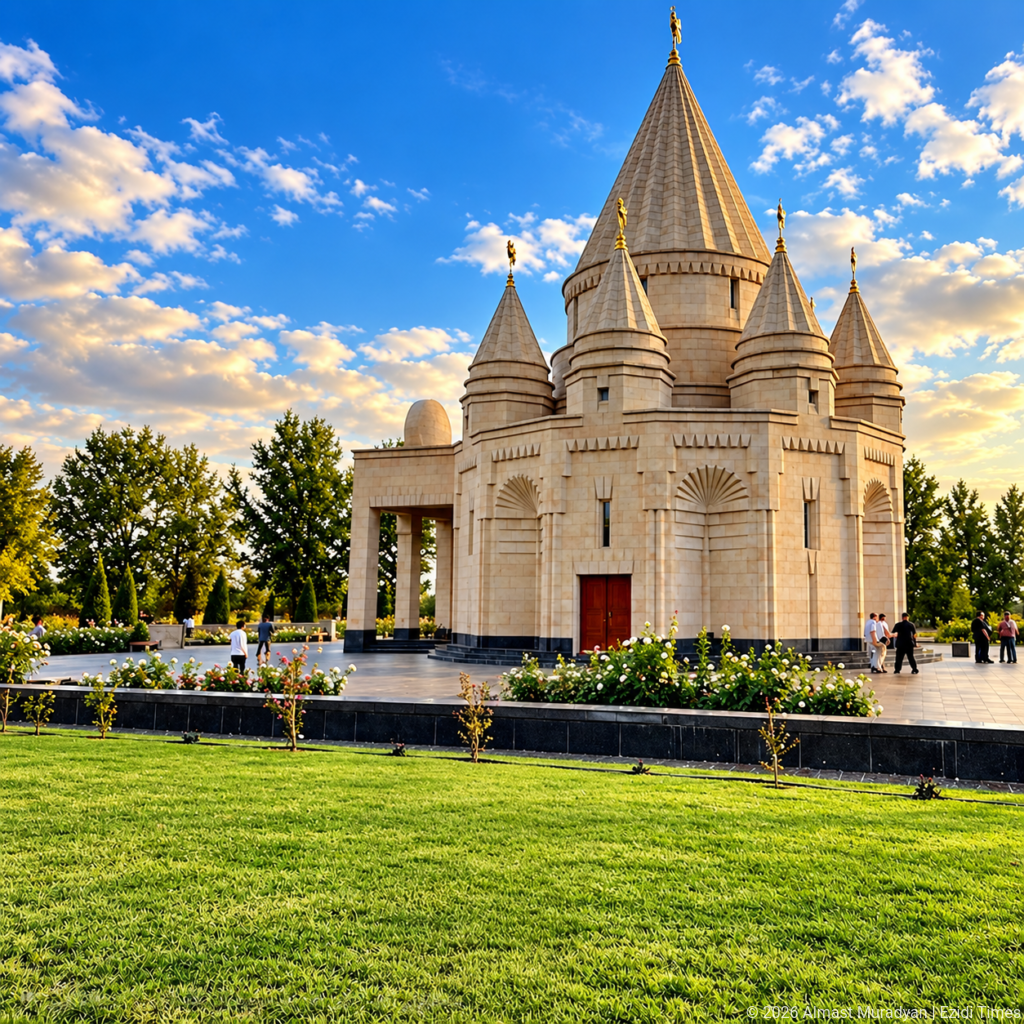
Mirza Sloyan’s name remains part of Aknalich’s history not merely as that of an initiator of the shrines’ construction. His activities were also connected with the preservation of Ezidi culture, Ezidi life, and historical heritage. The temple itself tells a story that goes far beyond its stones and domes. Here, symbols of the Sharfadin faith, beliefs transmitted over centuries, and rituals come together. The shrines become places where the past meets the present, and where memory is passed on to a new generation.
This year, in the days preceding September 29, that story was joined by Hako. On September 28, an Ezidi shrine, Quba Şêşims Sixrê Cin, was opened in the village of Hako in Armenia’s Armavir Province. Representatives of the Ezidi clergy who had arrived from Şengal also participated in the opening ceremony. The new shrine in Hako is a separate site from the shrines in Aknalich, but it is part of the same broader story—the preservation and transmission of faith, culture, and memory.
And it is precisely during these days that it becomes especially visible that September 29 is not simply a one-day celebration. It is a gathering that continues for several days. Ezidis from different parts of the world meet in Aknalich—from Armenia, Iraq, and other countries. They come from different environments and bring with them their own particularities, yet here they once again find the common ground that unites them all.
On September 29, Aknalich was crowded with people. Ezidis from Armenia, Ezidi religious figures from Şengal, guests from different countries, and other Ezidis had gathered there. Various Ezidi representatives welcomed the guests and participants. Murad Ismail, a member of the Parliament of the Republic of Iraq, an Ezidi representative, and activist, was also present in Aknalich. In his remarks, he spoke about the historical trials faced by the Ezidis, the Ezidi Genocide of 2014, the resilience of the Ezidi people, and, in particular, the importance of education.
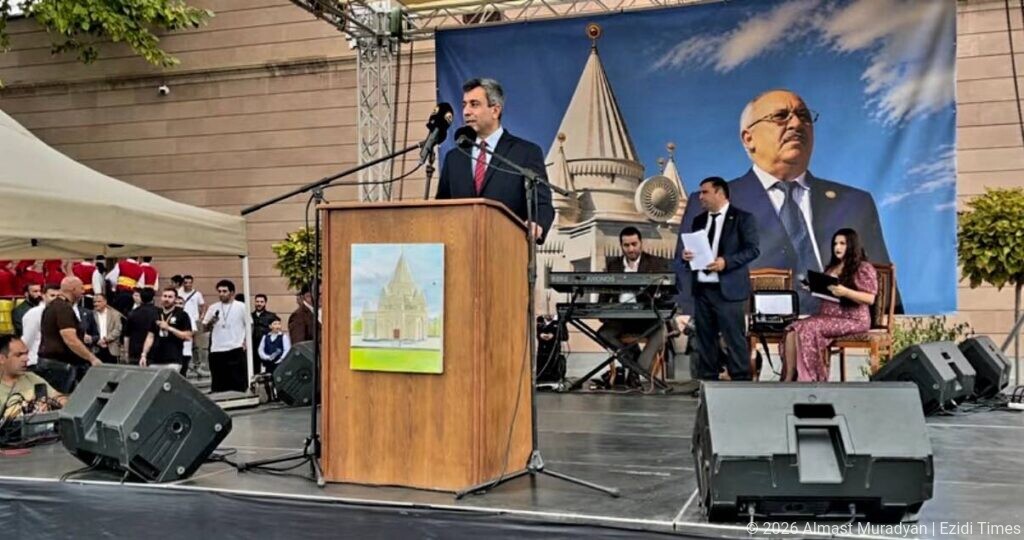
“Ezidis have gone through many difficult trials. Throughout history, our people have faced many hardships and experienced many painful days. And today I am happy that we have gathered for such a joyful and important occasion.
In 2014, an attempt was made, through military and political actions, to destroy the Ezidi people. The aim was that no Ezidi would remain. At that time, the Ezidi population numbered around 400,000 people. Many Ezidis were killed and abducted, and shrines were destroyed. But Ezidis did not surrender. They fought and resisted the terrorists. Today, Ezidis in Iraq are stronger than ever. In every respect.
Today, Ezidis are struggling and advancing in different fields. Many Ezidis in the United States and other countries around the world work in different professions and fields. I want to tell our compatriots in Armenia: educate your children. Send your daughters and sons to schools and universities. Here, you have an Ezidi population of 30,000–40,000 people. From this population, you should also have thousands of students. Iraq, too, thousands of Ezidis are receiving university education. Among them are many young people who are pursuing higher education and specializing in different fields. The Ezidis of today are not the Ezidis of the past.
Today, Ezidis are advancing throughout the world. In the United States, you can meet many Ezidi doctors. There are Ezidi young people studying at universities, working in information technology, and working as professionals in many other fields. Educate your children, because the future of Ezidi identity is also in your hands.
Today, the ties among Ezidis are growing stronger. Cultural ties are also growing. Gatherings like this are very important because they bring Ezidis together from different countries and strengthen the connections among Ezidis.”
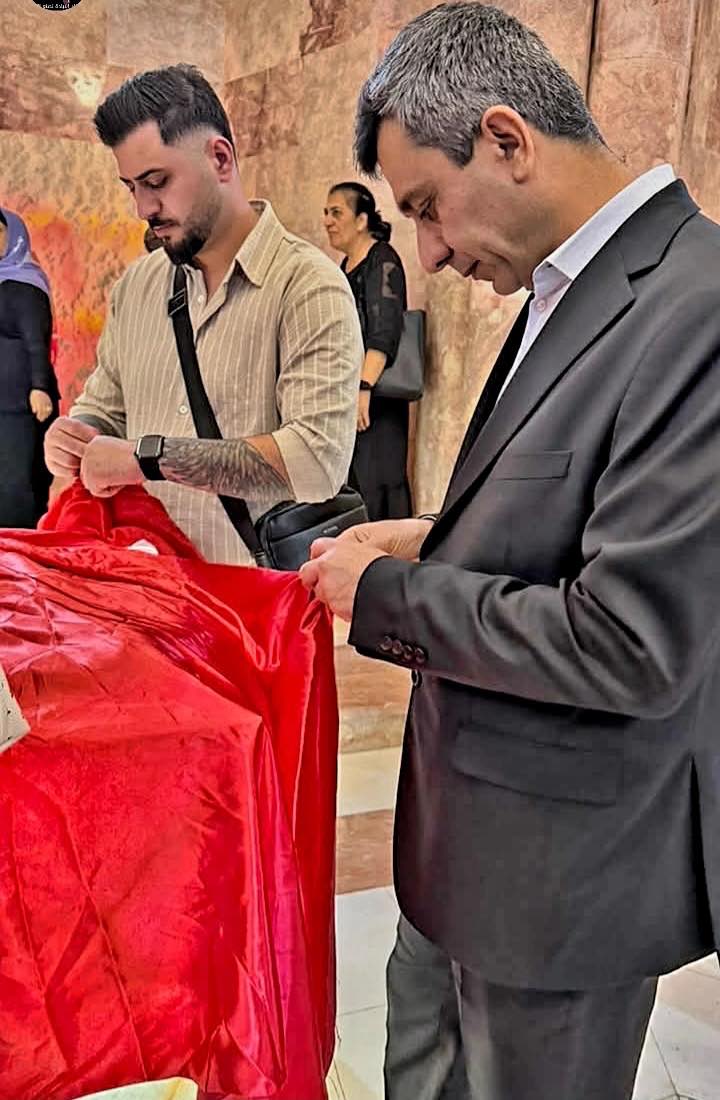
Mir Ismet Tahsin Beg was also in Armenia during these days. He congratulated and addressed Ezidis around the world.
“May God bless this day and grant goodness and peace to our Ezidi people. I extend my greetings to everyone who is here today—to the Republic of Armenia, to all those present, and to the representatives of the Ezidi clergy. The construction of this temple is of great importance. It carries historical continuity—from the memory of Mir Tahsin Beg and Mam Mirza Cholo to the present day.
Today, we Ezidis, together with everyone present here, have gathered in this sacred place. This is a place of joy and unity. It is a great joy for me to be here today alongside my people and to take part in this ceremony. May this sacred place be blessed. I express my gratitude and appreciation to the late Mirza Cholo, through whose efforts this temple was built. May God accept his good deed and bless all those who contributed to this work. May this day be a day of goodness, peace, and joy for us every year, and may we continue to gather in this sacred place. Our presence here is very important to us as Ezidis.
We must preserve our faith, our traditions, and our spiritual heritage. Ezidi identity must be preserved wherever Ezidis live. We must continue our rituals and traditions and not lose our connection with our ancestors. Our fathers and grandfathers went through many trials, preserved their faith, and devoted their lives to the preservation of Ezidi identity. As you know, throughout the history of our people, many firmans, persecutions, and acts of violence were carried out against Ezidis. But having passed through all these trials, our people preserved their faith. As Mir Tahsin Beg, our spiritual leader who received God’s mercy, once said: ‘Ezidi identity is wounded, but it does not die.’ Once again, I congratulate all Ezidis on this sacred day.”
Member of the National Assembly of the Republic of Armenia Rustam Bakoyan also spoke about the preservation and transmission of Ezidi spiritual and cultural heritage, emphasizing the importance of maintaining national identity and the connection with one’s roots, as well as the responsibility of each generation to pass on to the next generation the values it has inherited.
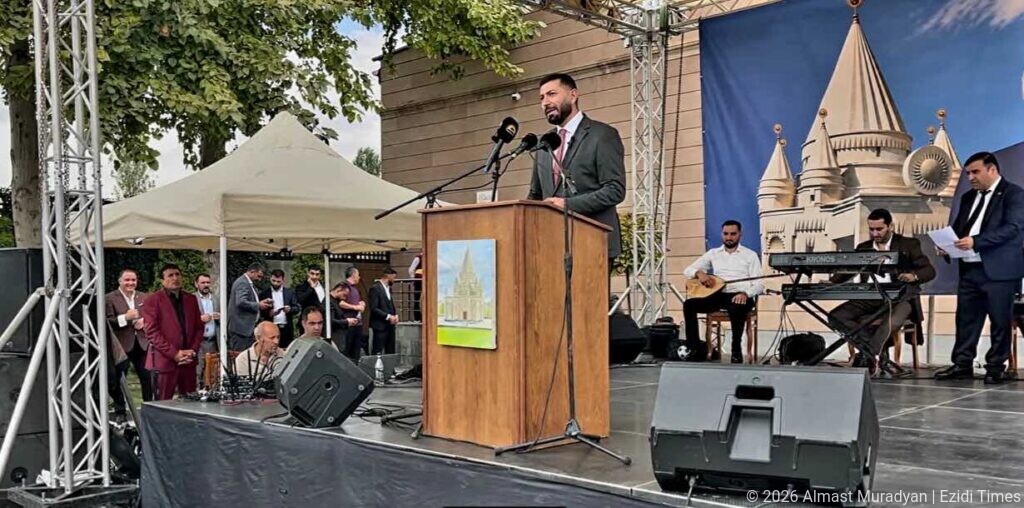
“In the Ezidi spiritual tradition, faith is not merely a personal belief. It is also a set of values that generations pass on to one another, preserving the identity, memory, and connection with the ancestors of our people. And I believe that this is precisely the idea that has brought us together today under the roof of the Ezidi Temple of Sultan Ezid, Tawûsê Melek, and the Seven Angels in Aknalich.
This temple is not simply a place of prayer for us. It is one of the important centers of the spiritual life of our people. Here, faith becomes part of everyday life. Here, national tradition is passed from generation to generation. And here we have a place where we can preserve our spiritual and cultural identity. Today, as we mark the anniversary of the temple’s consecration, we are actually celebrating something much greater: our people’s ability to preserve their faith and identity.
The Ezidi people have gone through many trials over the centuries. There have been periods in our history when preserving national and religious identity was not easy. But each generation, in its turn, preserved it, received it from previous generations, and passed it on to the next. If we have this temple today, if we can gather here and openly express our faith, this is also the result of the heritage preserved by previous generations. But heritage is not only what we have received. Heritage is also what we must leave behind. This is where our responsibility lies. Every adult standing here today received something in childhood—his or her family history, customs, faith, and memories of their people. And our children and young people must receive all of this from us. If we want our descendants to gather in this temple in the same way years and decades from now, then today we must preserve not only this building, but also the values for which this temple was created. This means preserving our culture, language, traditions, spiritual values, spiritual heritage, and, most importantly, the connection of our generations with their own roots.”
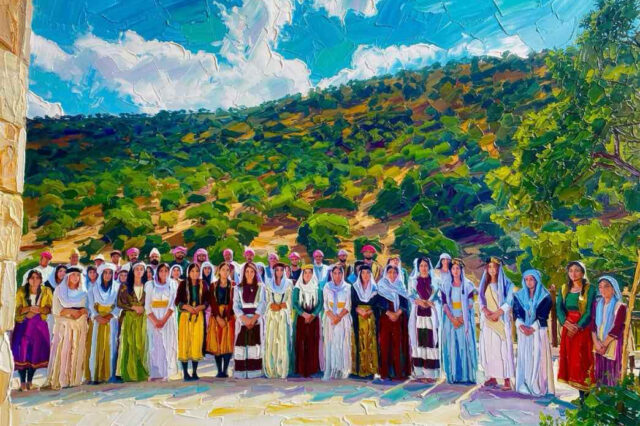
The celebration in Aknalich was not limited to official ceremonies. People met and talked, reunited with relatives and friends whom they had not seen for years. The presence of guests from different countries made the day not only a religious celebration but also a cultural gathering for Ezidis. Children were also present. They saw rituals and traditions that they may have heard about at home but were now experiencing themselves. In this way, cultural memory is transmitted not only through books and stories, but also through lived experience.
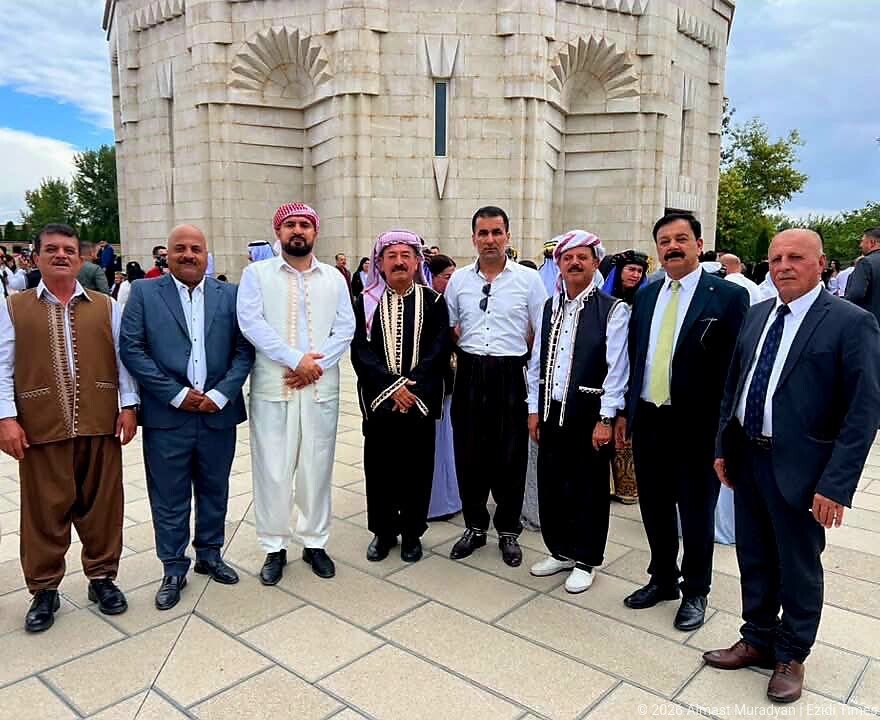
Music, songs, conversations, and time spent together gave the celebration a particular warmth. People came not only to visit the sacred sites, but also to see one another, spend time together, and experience their sense of belonging. In this sense, Aknalich becomes a space where the paths of Ezidis living in different countries intersect for several days.
In Aknalich, people were celebrating memory—the possibility of preserving it and passing it on. Here, history is not only the past. It is present in people, in their words, music, rituals, and memories. September 29 is about precisely this: a day when history becomes part of the present, and memory becomes a heritage passed on to the next generation.
About the Author
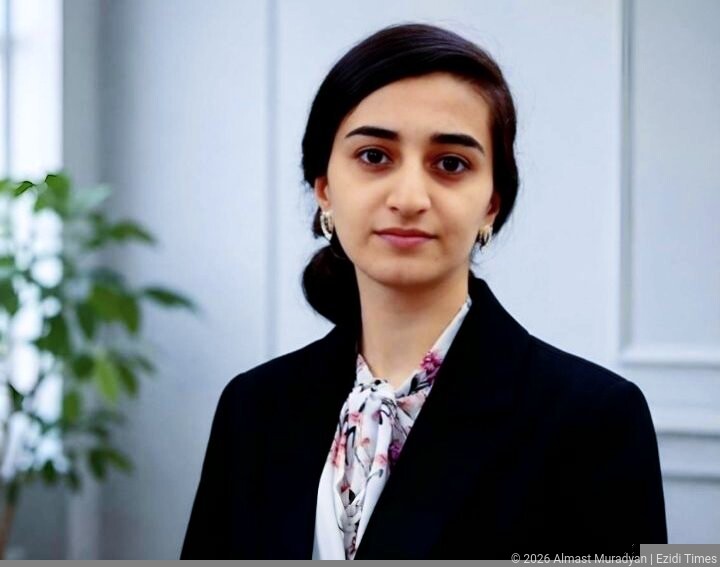
Almast Muradyan is a historian, journalist, and researcher from Armenia. Her professional work combines journalism and historical research, and she has experience as a correspondent, interviewer, and cultural journalist.
Her academic and research interests include the history and culture of the Middle East, Zoroastrianism, the history and culture of the Ezidi people, genocide and memory studies, questions of identity, and cultural heritage. She has participated in local and international academic conferences, as well as professional training programs and specialised courses in history, cultural heritage, journalism, and research.
She is the author of several scholarly articles and continues to develop her academic and professional expertise. Her current research focuses on the history and culture of the Ezidi people, genocide and memory studies, with particular attention to the 2014 Ezidi Genocide in Sinjar.