
“Resheba: The Dark Wind” and the portrayal of the Ezidi people
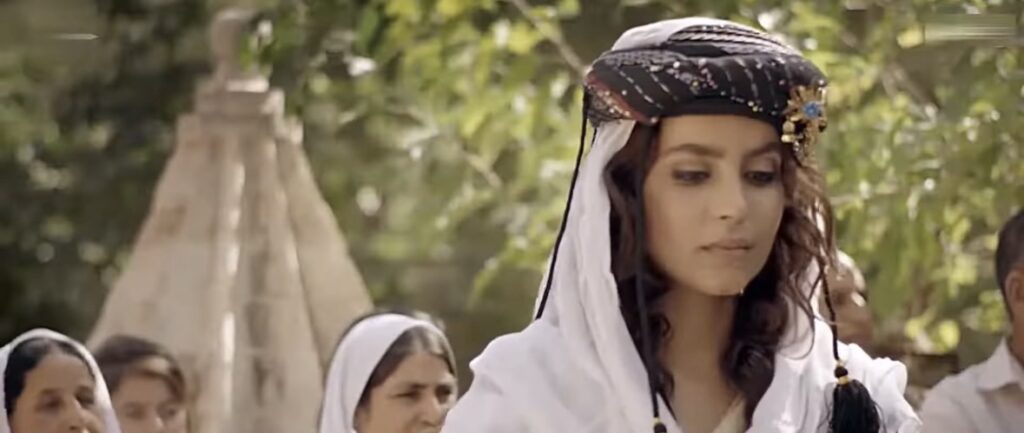
A quiet but powerful film, Resheba: The Dark Wind presents the lived reality of Ezidi families after the ISIS attacks, focusing on trauma, resilience, and the struggle to rebuild life.
A quiet but powerful film, Resheba: The Dark Wind presents the lived reality of Ezidi families after the ISIS attacks, focusing on trauma, resilience, and the struggle to rebuild life.
Why are Ezidis still introduced through the false label of “devil worship”? Why are they wrongly presented as part of a Kurdish identity, despite a long history that shows otherwise? And why is the term “Yezidism” used when it does not exist within the religion itself? This article addresses these questions and challenges the narratives that continue to misrepresent the Ezidi people and their religion, Sharfadin.
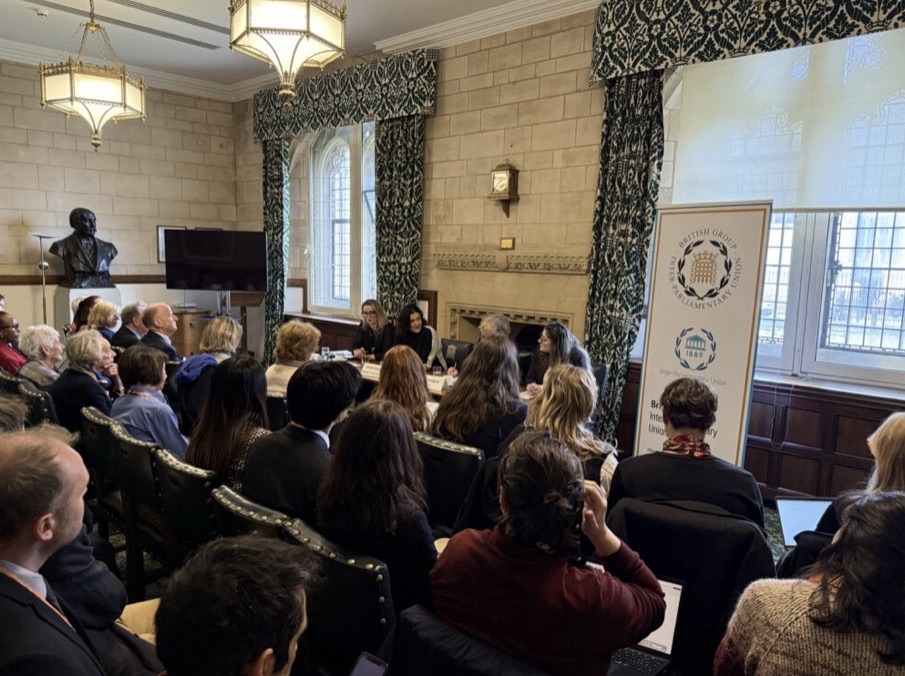
A meeting in the UK Parliament has renewed pressure on authorities to prosecute ISIS members for crimes against Ezidis, highlighting a significant gap in accountability despite progress in other European countries.
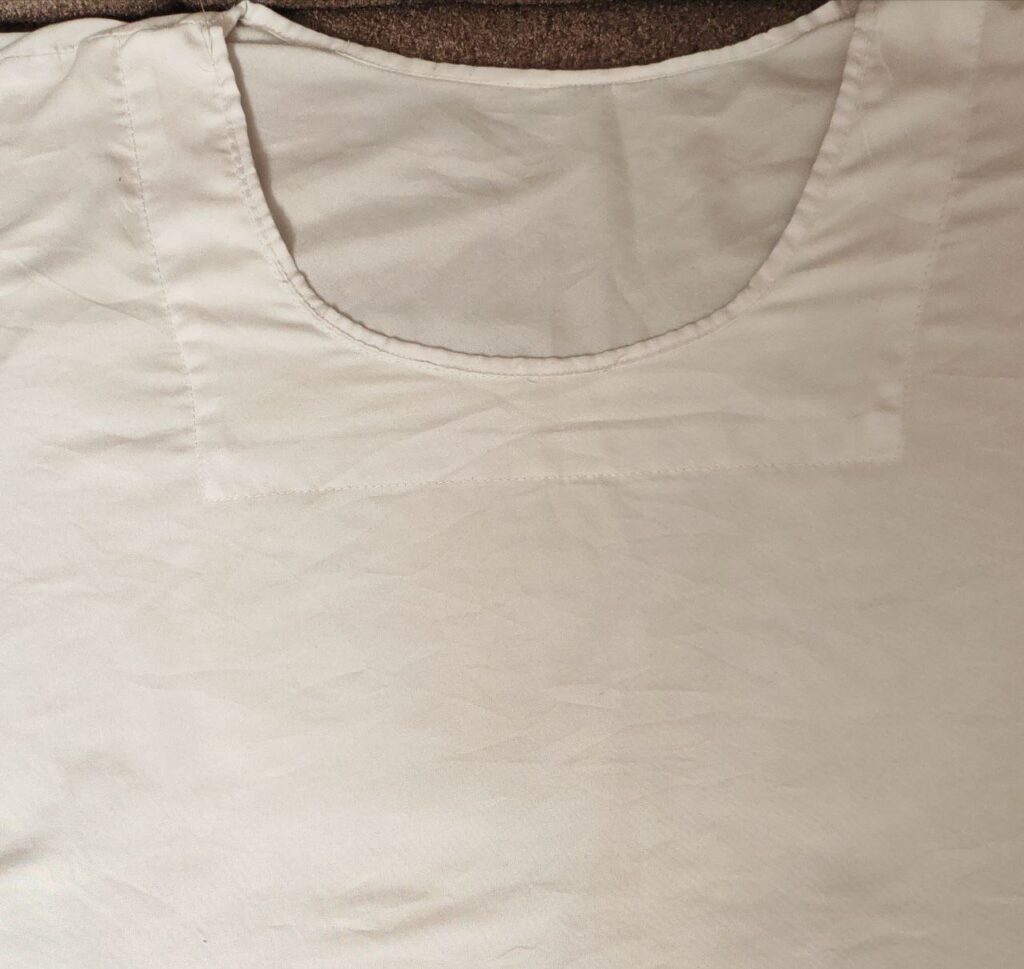
The Grivan (Girîvan) is a key part of the white religious garment worn by Ezidis, known as the Kiras. It refers to the neckline of the garment and reflects the connection between the individual, their faith, and their daily actions.
An Ezidi survivor of ISIS captivity is among those shaping a new UN-backed charter aimed at securing justice, recognition, and long-term support for victims of torture worldwide.
A French court has officially recognised the genocide against the Ezidi people for the first time, sentencing a French jihadist to life imprisonment. The historic ruling is grounded in survivor testimonies that exposed systematic violence, enslavement, and the targeted destruction of Ezidis, marking a significant step toward justice and accountability in Europe.
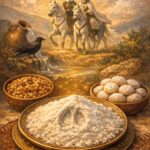
Klocha Sare Sale is a traditional Ezidi New Year cake celebrated mainly among Ezidis from the former Soviet Union. Marking renewal and the arrival of spring, the ritual involves baking a special cake with a hidden bead or coin. During a family gathering, the cake is cut with a symbolic “plough” line and divided—first as offerings to holy beings, then among family members. The person who receives the hidden piece is believed to be blessed for the coming year. Rooted in Sharfadin, the tradition reflects both spiritual meaning and the natural cycle of rebirth.
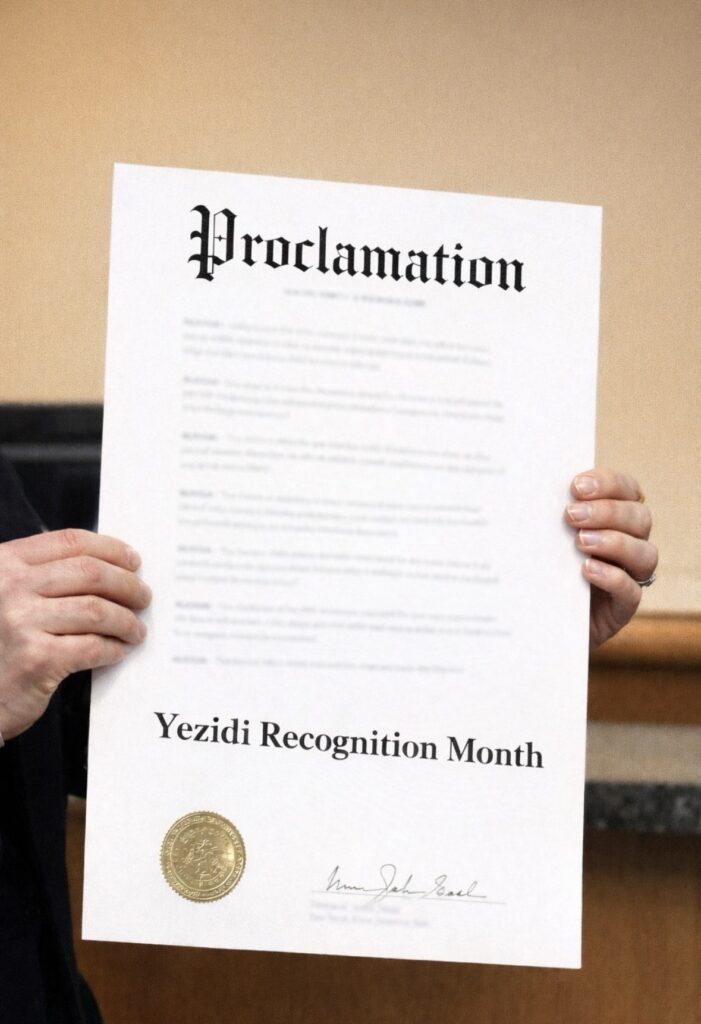
The Mayor of Lincoln Nebraska, Mayor Leirion Gaylor Baird, has signed a proclamation declaring April as Ezidi Recognition Month, acknowledging the presence of Ezidis in the city.
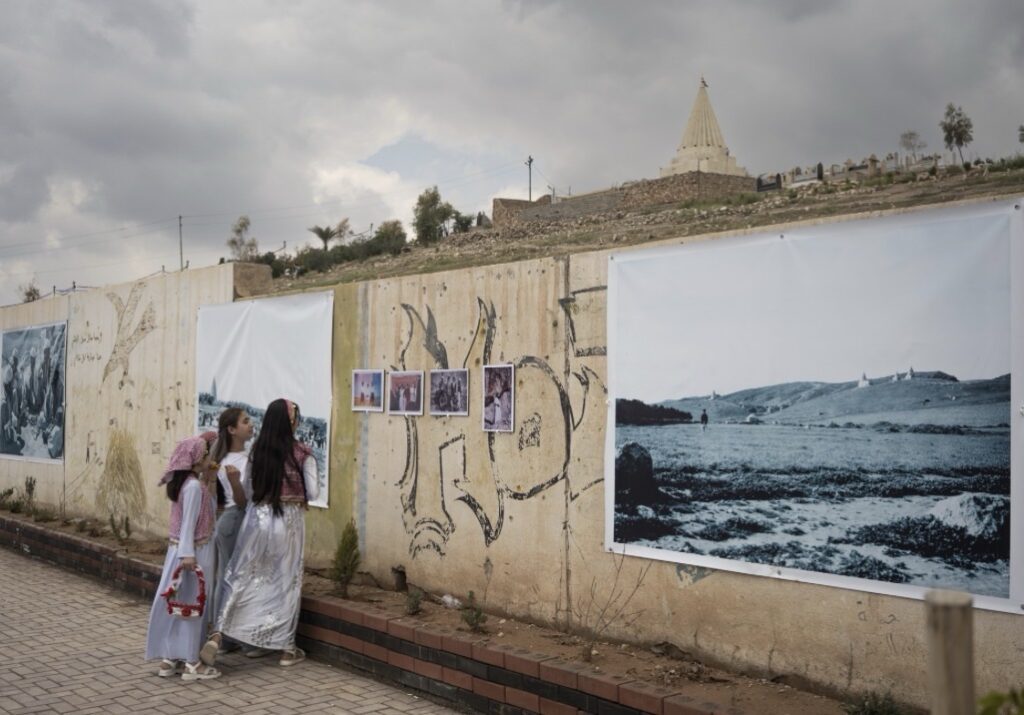
Historic photographs of Ezidi life from the Penn Museum archives are being returned to the Ezidi people through a project focused on memory, heritage, and cultural restoration. The initiative brings together archival images, family photographs, and community exhibitions to help preserve what genocide tried to erase.
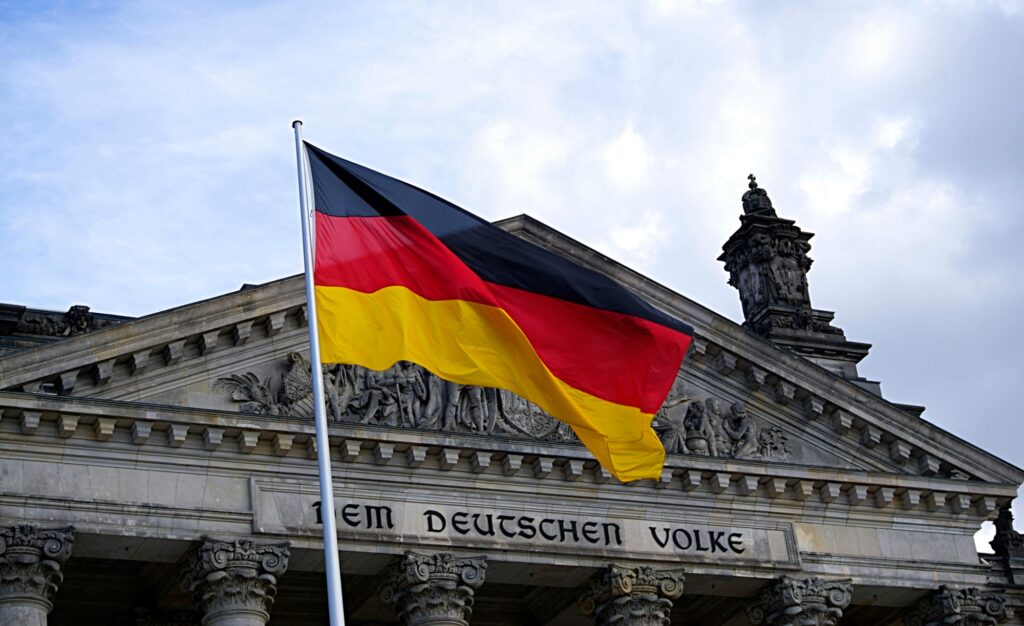
Germany has provided more than €53 million in development funding to Iraq in 2025, including support for projects in Şengal. The funding covers areas such as psychosocial care, housing, infrastructure, and livelihoods, as Berlin continues to back recovery efforts in areas devastated by ISIS.
David Mgoyan is one of the most promising young Ezidi names in MMA today. At just 21 years old, he has already fought on Dana White’s Contender Series, earned an important win in Los Angeles, and continues his push toward the UFC. Mentored by Arman Tsarukyan, Mgoyan is proving that he is a fighter worth watching closely.
Ezidi Times is issuing this public alert following several worrying incidents that have recently been reported to us. After the...
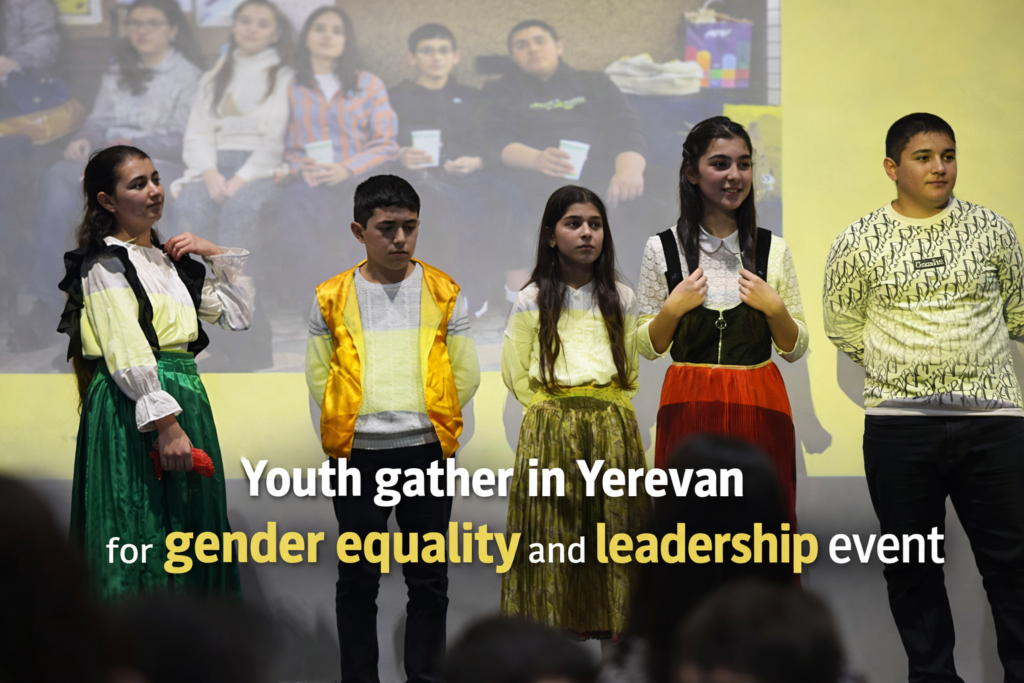
A gender equality event in Yerevan highlighted the role of young leaders and included recognition of an Ezidi woman, underlining the importance of minority representation.
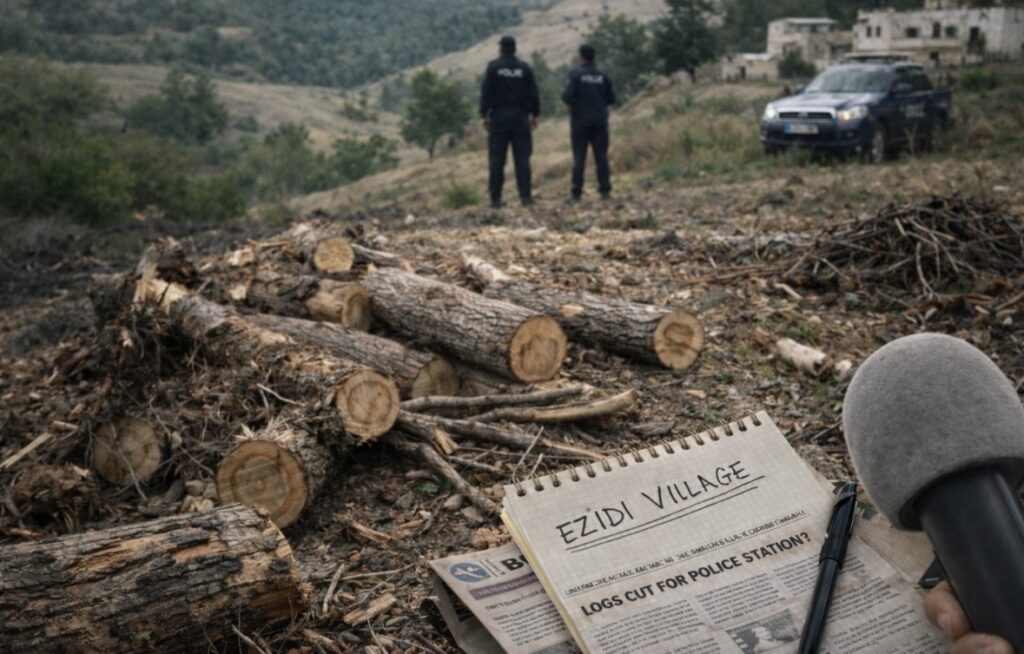
Authorities in Turkey have opened an investigation into journalist Zeynep Durgut after she reported allegations that trees were cut on land belonging to residents of the Ezidi village of Kiwex. The report, which highlighted local concerns about environmental damage linked to a planned police station project, has sparked debate about press freedom and the right to report on issues affecting minority villages.
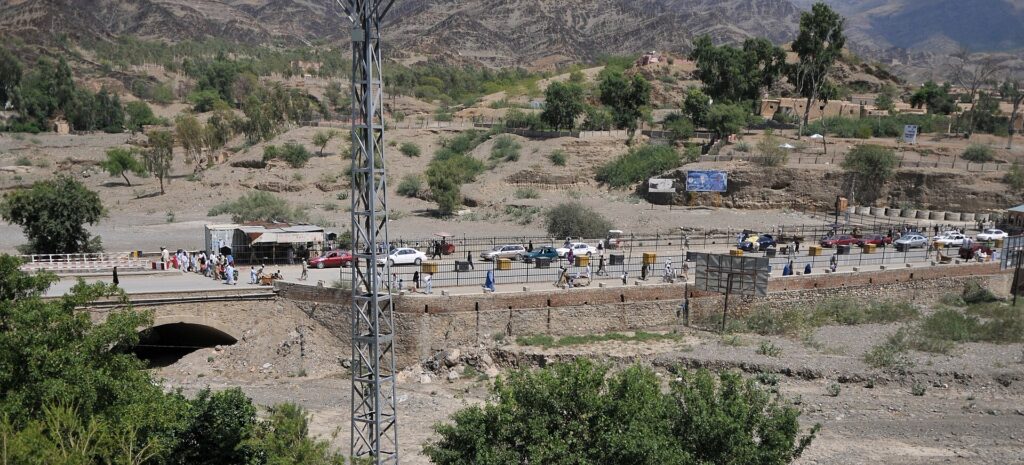
Fears are rising again in Şengal as Ezidis warn that the conditions that led to the 2014 genocide must never be allowed to return. Survivors, residents, and advocates say the people of Şengal are no longer what they were in 2014 and will not remain defenceless in the face of new threats.
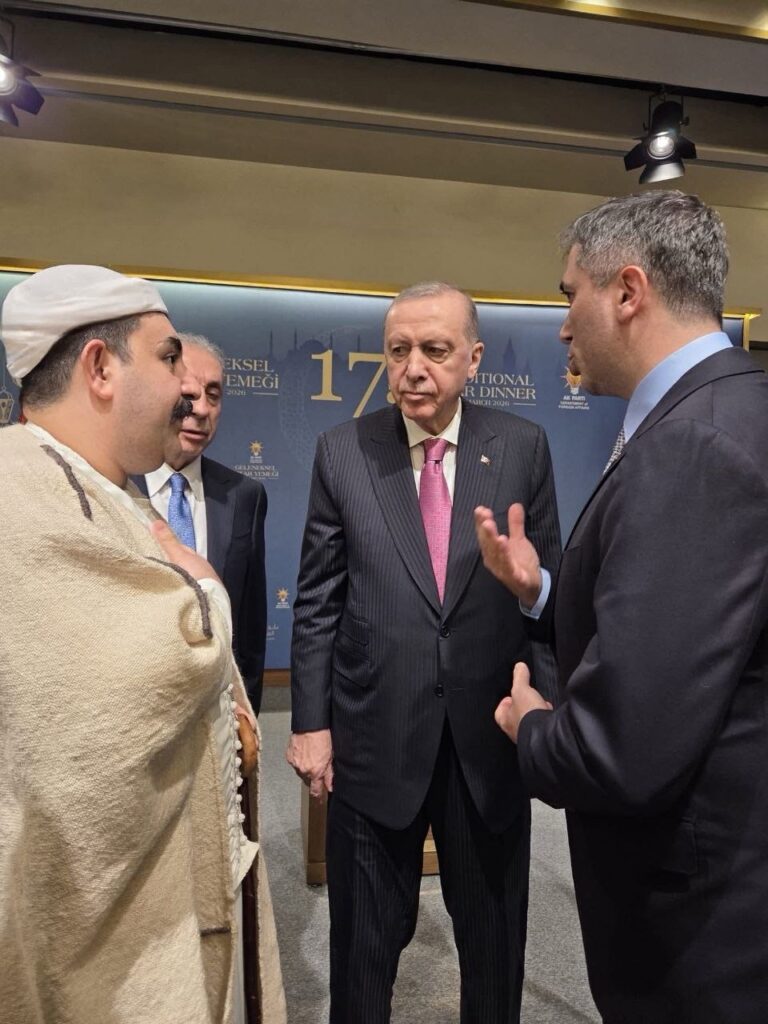
Ezidi representatives met with Turkey’s president and foreign minister in Ankara, raising key issues of security, religious rights, and the situation in Sinjar.
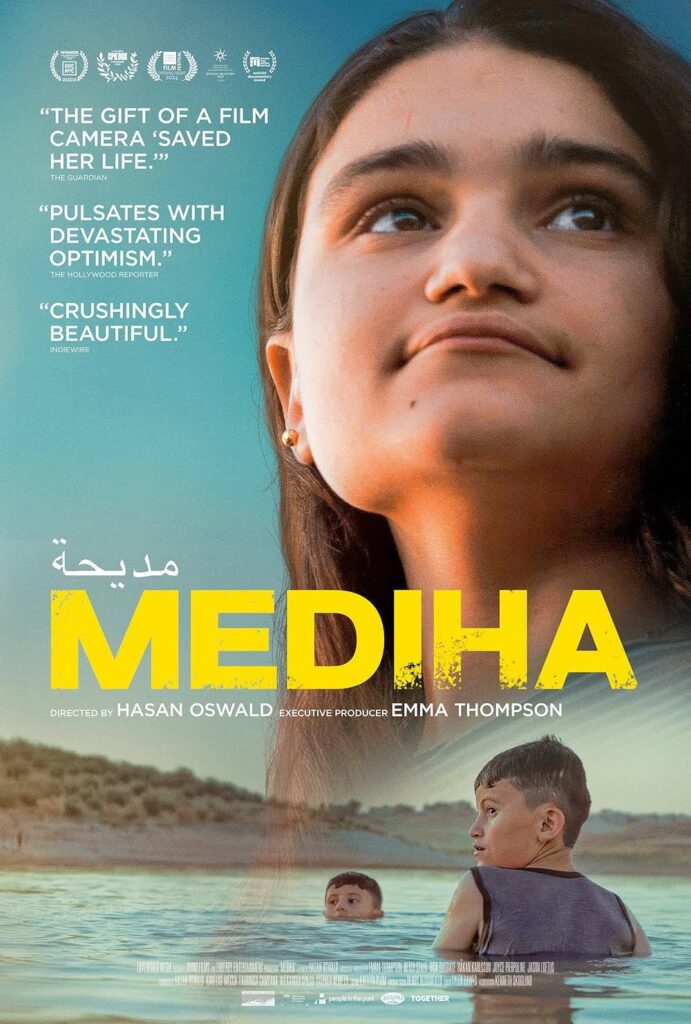
On March 8, the film Mediha was shown again in connection with International Women’s Day, bringing renewed attention to the story of a young Ezidi survivor and the wider struggle for justice and human rights.
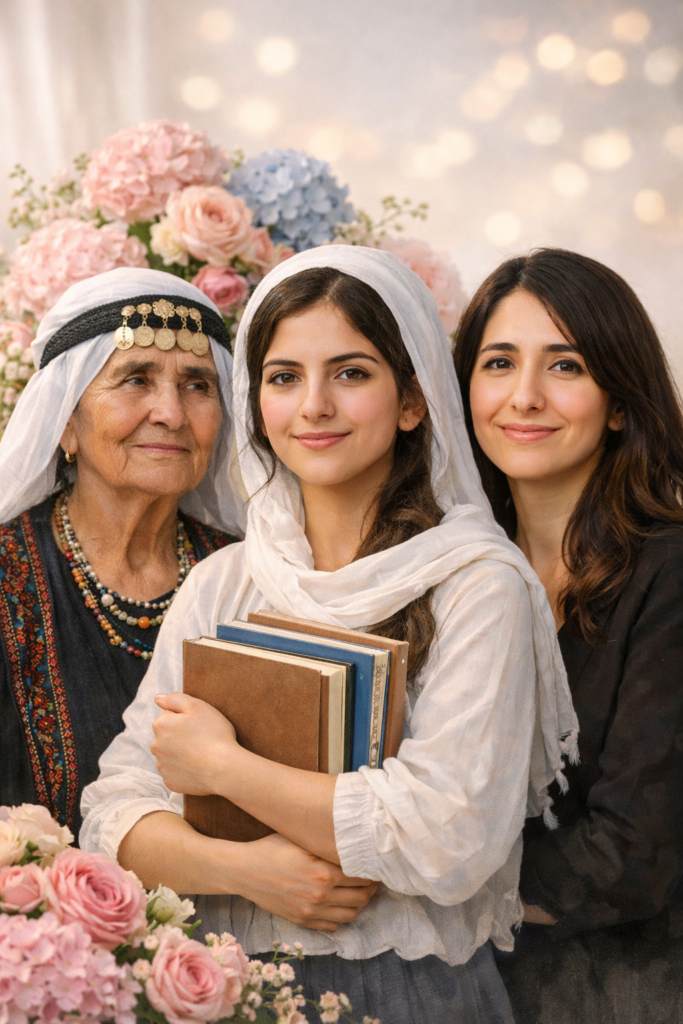
Ezidi women have long played a central role in preserving the traditions, faith, and social life of the Ezidi people. After the genocide of August 3, 2014, their voices also emerged on the global stage, as survivors and activists began speaking publicly about the crimes committed against their people. This article explores the historical role of women among the Ezidis, the profound changes that followed the genocide, and how a new generation of women is shaping the future of the Ezidi people through resilience, education, and leadership. Read more.
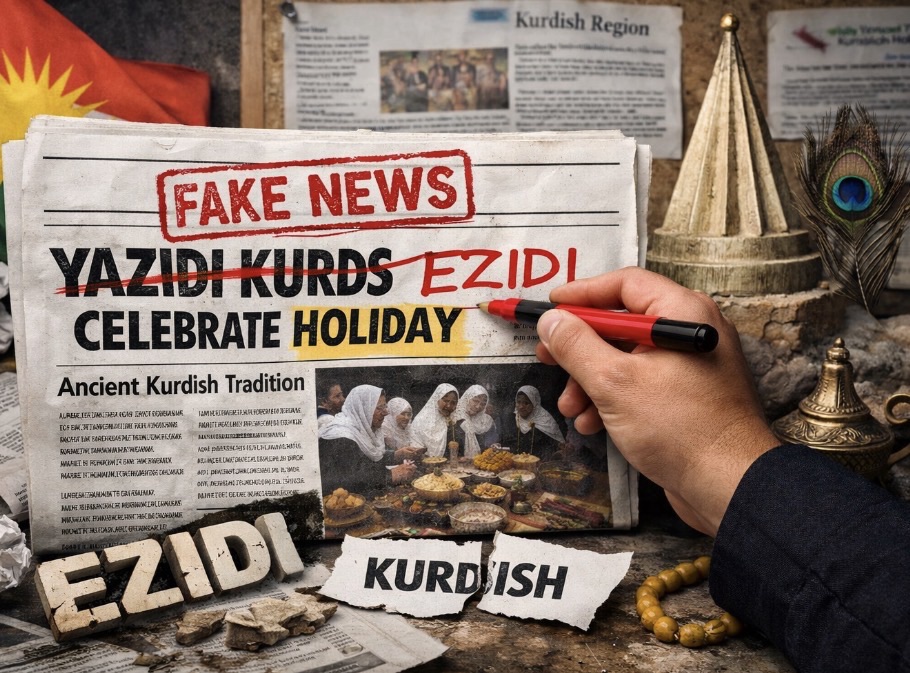
Ezidi Times criticizes Kurdish media outlet Kurdistan24 for referring to Ezidis as “Yazidi Kurds” in its coverage of the Khidr Elias holiday. The article argues that such language spreads misinformation, erases the distinct identity of the Ezidi people, and attempts to appropriate the sacred traditions of the Ezidi religion, Sharfadin, by falsely presenting them as Kurdish cultural practices.
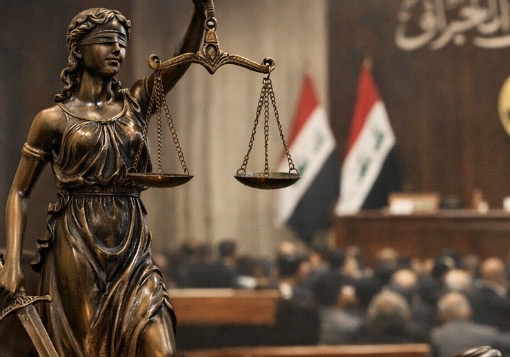
Five years after Iraq adopted the Survivors Law recognizing the Isis genocide against the Ezidi people, organizations say the legislation remains a significant step but is still only partially implemented. NGO groups warn that without stronger implementation and accountability for ISIS crimes, many survivors will remain without the full reparations they were promised.