



My Mother Tongue Is Ezdiki

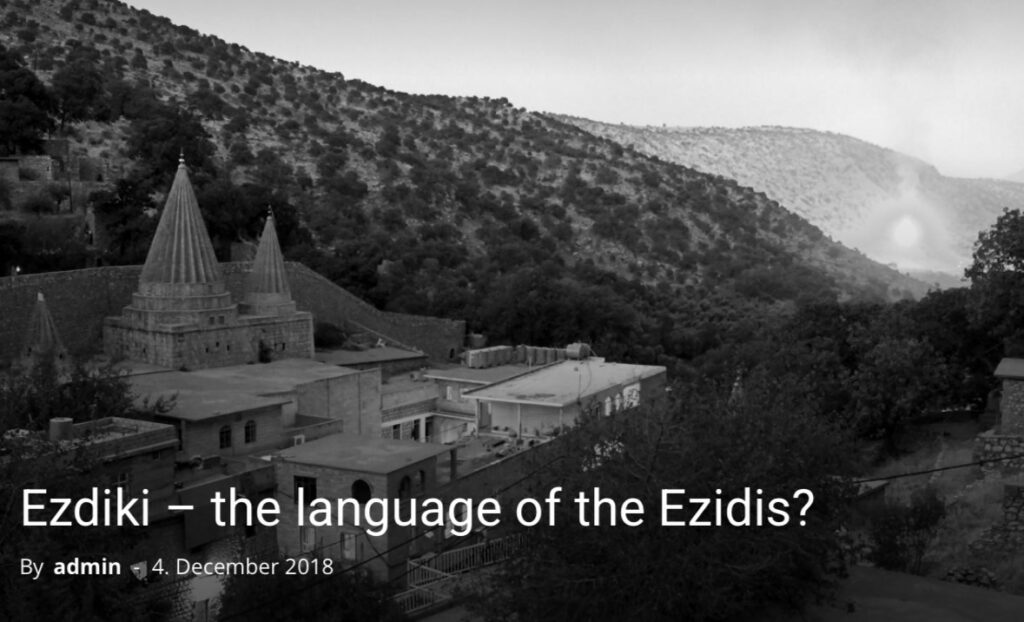
Historical sources show that Ezidis have long referred to their language as Ezdiki, meaning “the language of the Ezidis.” Kurdish is a new term and is the result of political influence and aspirations of creating a “kurdish” nationalistic identity.

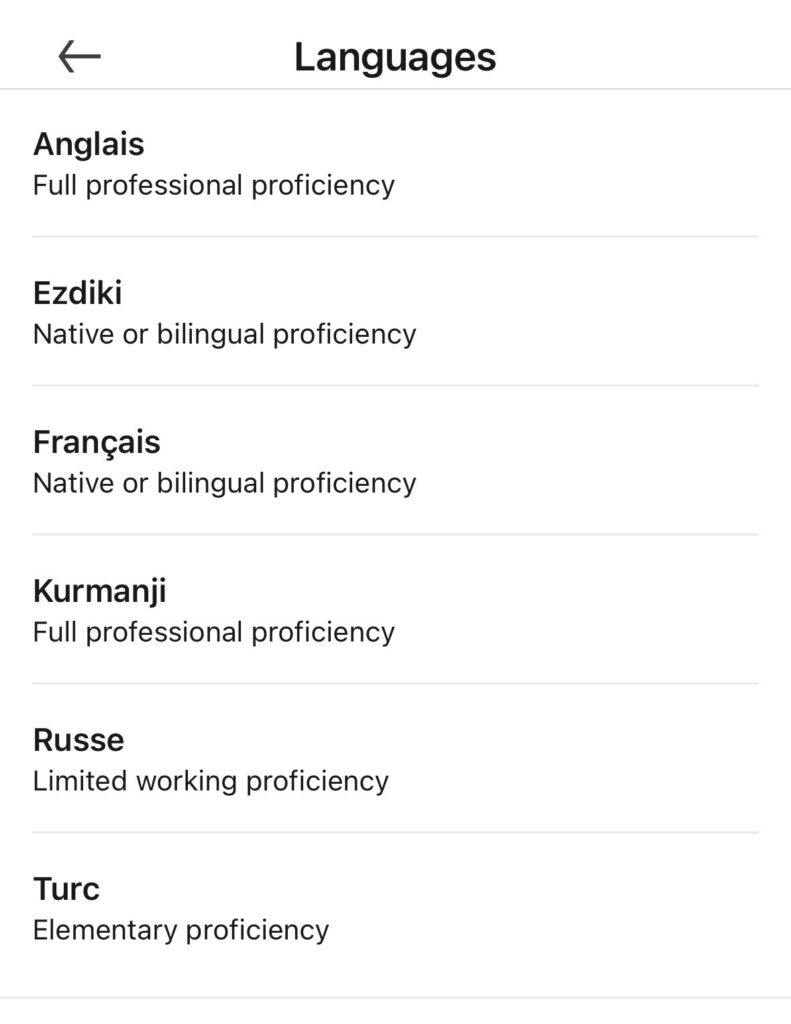
Why Don’t You List Ezdiki on Your Profile?

Many Ezidis choose to list their language as Kurdish or Kurmanji because it seems easier when dealing with institutions or people unfamiliar with Ezidis. But doing so risks slowly eroding a history and identity that stretches back thousands of years. One LinkedIn user chose a different path; proudly listing Ezdiki.

Ultimatum Over Shingal: Ezidis Face Renewed Uncertainty as March 10 Deadline Looms

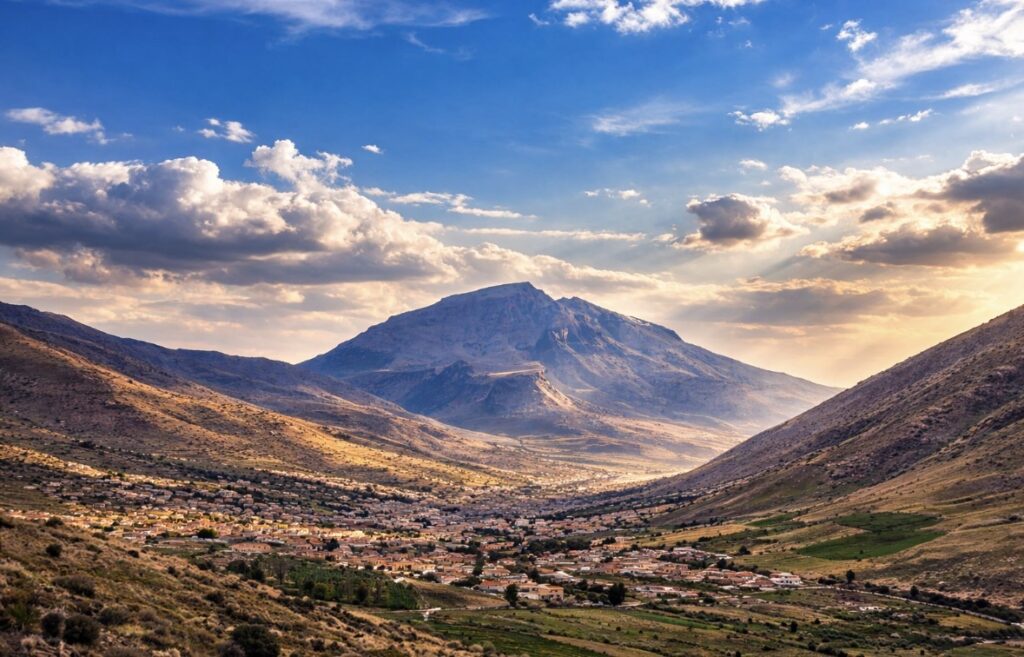
Dissolve by 10 March—or face attack. That was the message delivered to the YBŞ in Mosul, placing Shingal’s Ezidis at another crossroads. For a people still rebuilding after genocide, the prospect of imposed security decisions revives a familiar and dangerous pattern. Ezidi leaders warn that dismantling local defense forces without a binding administrative and security agreement could force new displacement and leave the homeland of Sharfadin exposed once again.

The Hasna A. Appeal and Crimes Against the Ezidi People

The appeal case of Hasna A. has become a critical test of whether European courts are prepared to fully acknowledge and prosecute crimes committed under ISIS rule. For Ezidi survivors, the hearings were not an abstract legal exercise but a painful confrontation with lived trauma. The recognition of enslavement in a European courtroom carries profound meaning, affirming that crimes committed against the Ezidi people are neither forgotten nor beyond accountability.

The Importance of Women in Society

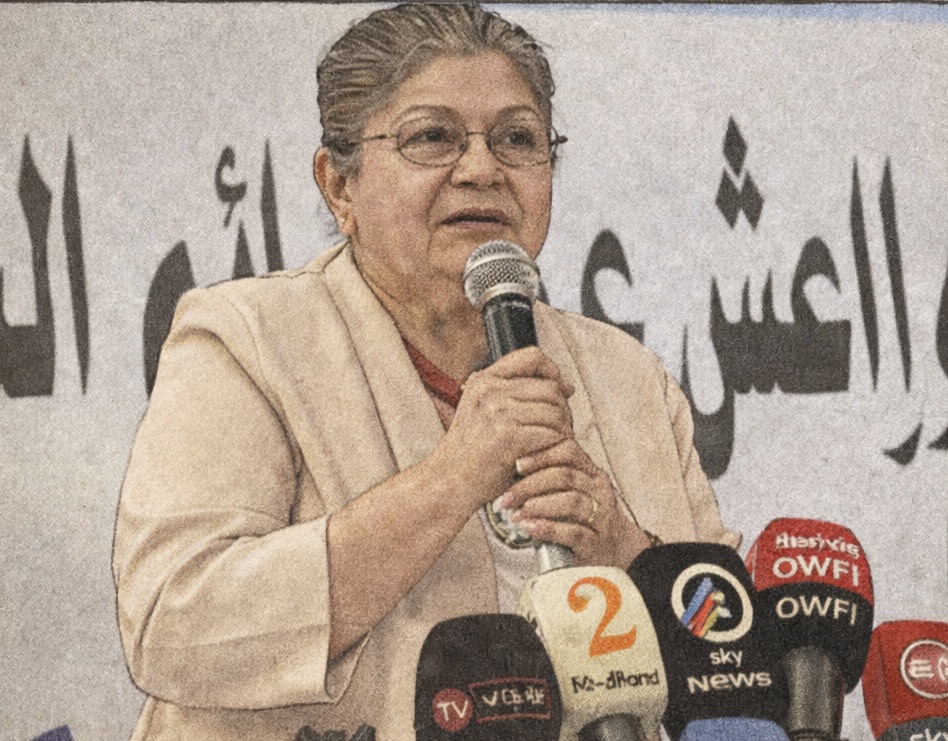
Women are the quiet strength of every society. Even in the face of violence, displacement, and loss, they continue to protect their families, educate their children, and preserve culture. Among the Ezidis, women have shown that survival alone is not enough; they transform suffering into resilience and silence into voice. Their actions prove that the true power of a society is revealed not in how it dominates, but in how it values and listens to its women.

Kurds Returning to Armenia: A Grave Security Risk

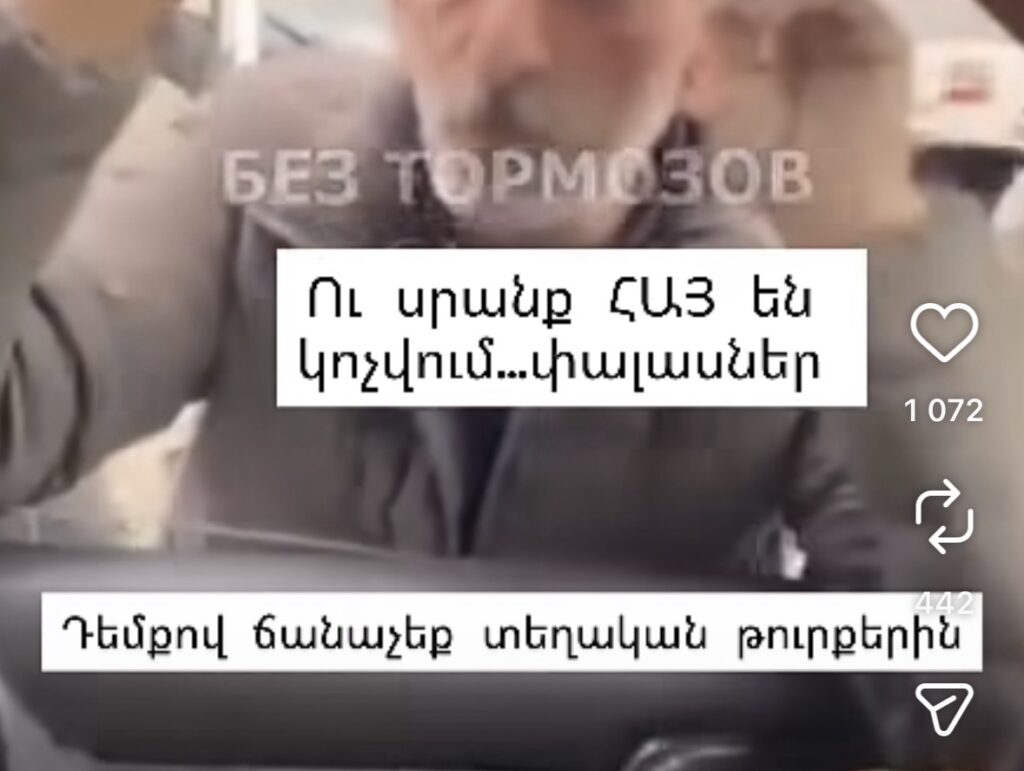
In the late 1980s, during the Armenia–Azerbaijan war, many Kurds left Armenia, openly stating they would not fight against their Muslim brothers. They relocated to Kazakhstan and remained there for decades, removed from the political and military realities Armenia faced. This development raises legitimate security concerns. Individuals who once refused to defend the state on religious grounds demonstrated that their loyalty was conditional. If loyalty is defined by religion rather than citizenship, the implications are serious. In any future conflict involving a Muslim-majority country, where would such actors stand? Armenia cannot ignore this question.