
The Holiday of Xidir Nebî and Xidir Êlyas

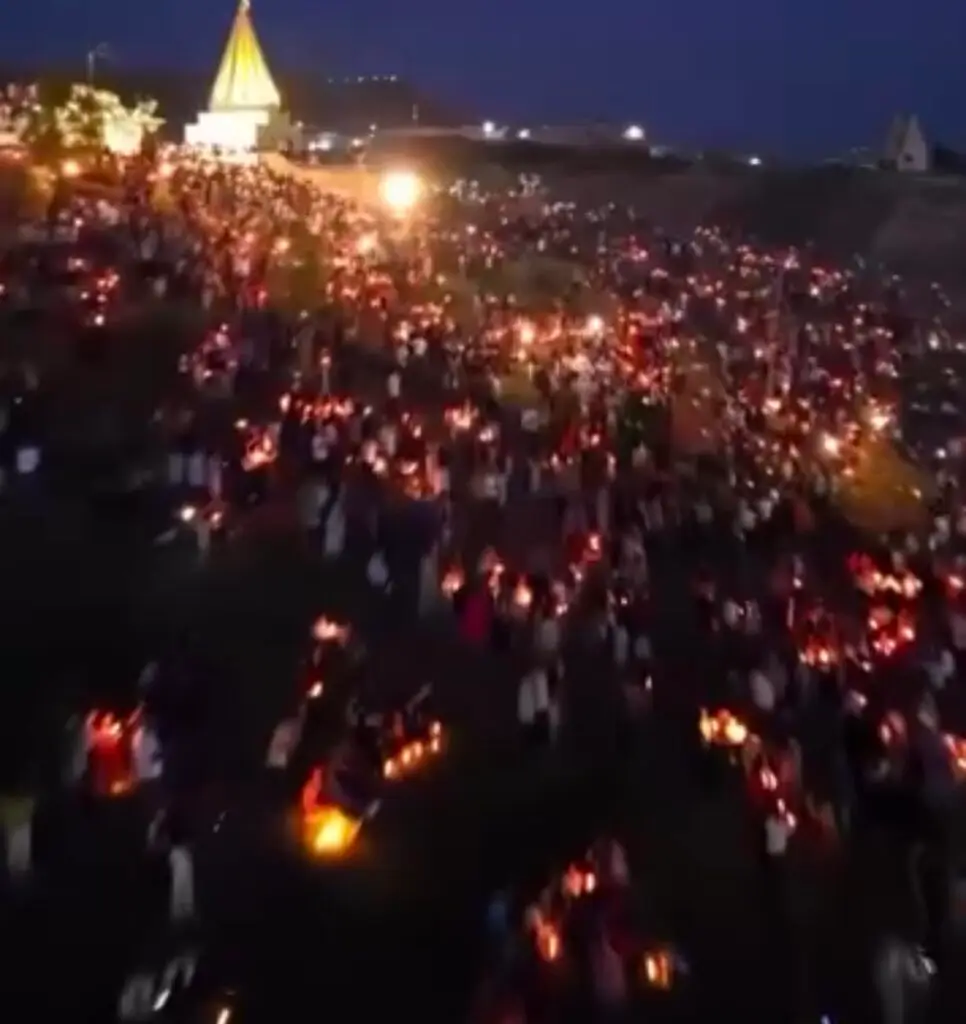
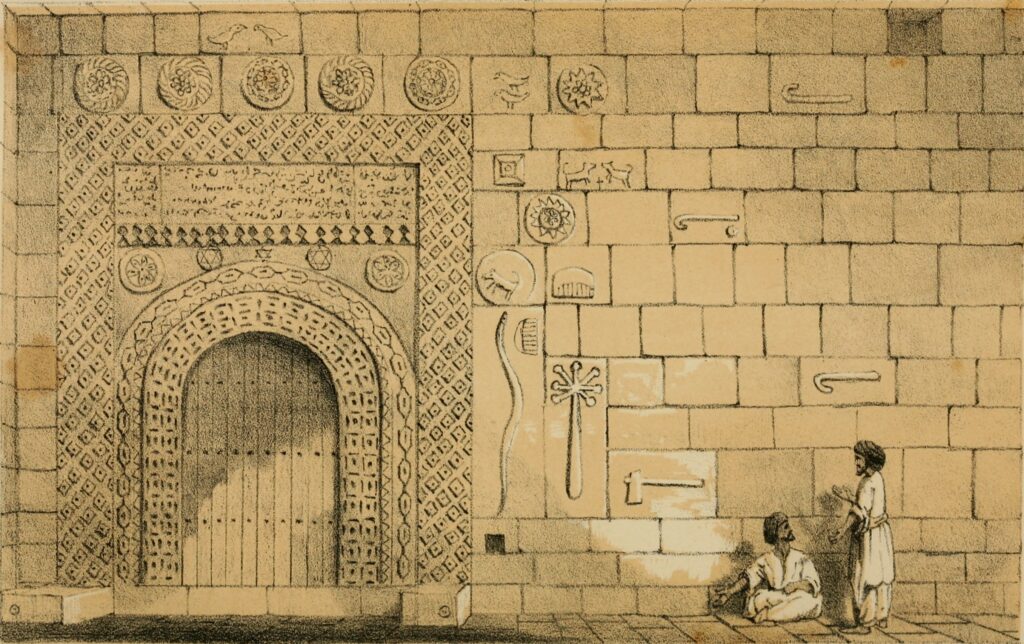
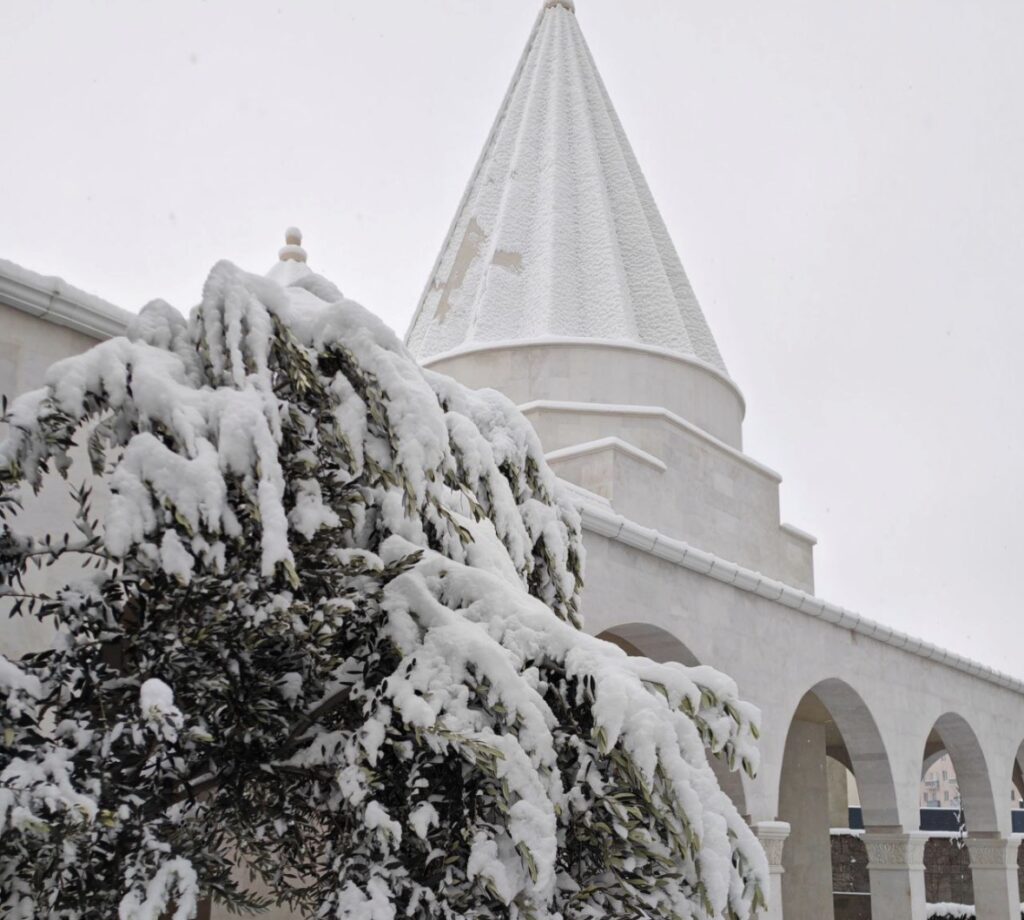
The holiday of Xidir Nebî and Xidir Êlyas is one of the most important religious celebrations among Ezidis, honoring two revered saints associated with protection, love, and life. Though venerated across multiple cultures—from Iran to Armenia and beyond—Ezidis maintain distinct traditions that blend sacred texts, local legends, and ancient rituals. The festival involves fasting, special plant-based dishes, and symbolic practices such as pêxûn preparation, hair-cutting for blessings, and matchmaking customs rooted in dreams. Folk celebrations include communal gatherings, ceremonial songs, and playful rituals like dolidang, connecting spiritual devotion with social cohesion. Across history, Xidir and Êlyas have absorbed traits from pre-Islamic and pre-Christian myths, linking Ezidi practice to ancient regional narratives of divine guidance and the quest for life-giving waters.
Introducing Russian Children to Ezidi Culture Through Fairy Tales

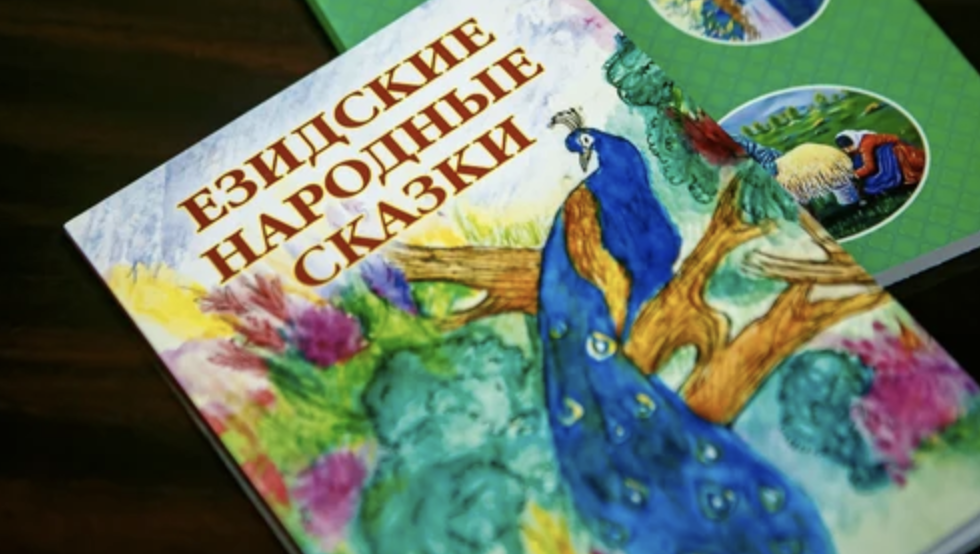
A new Russian-language book, Ezidi Folk Tales, opens a window into the rich culture and traditions of the Ezidi people. Published by Mesopotamia under the leadership of Samvel Saidovich Mstoyan, with illustrations by Aida Mstoyan, the collection brings centuries-old stories and values to life, introducing Russian children to the history, customs, and worldview of one of the world’s oldest peoples.

Urgente: Ezidis em Alepo Presos Sob Cerco

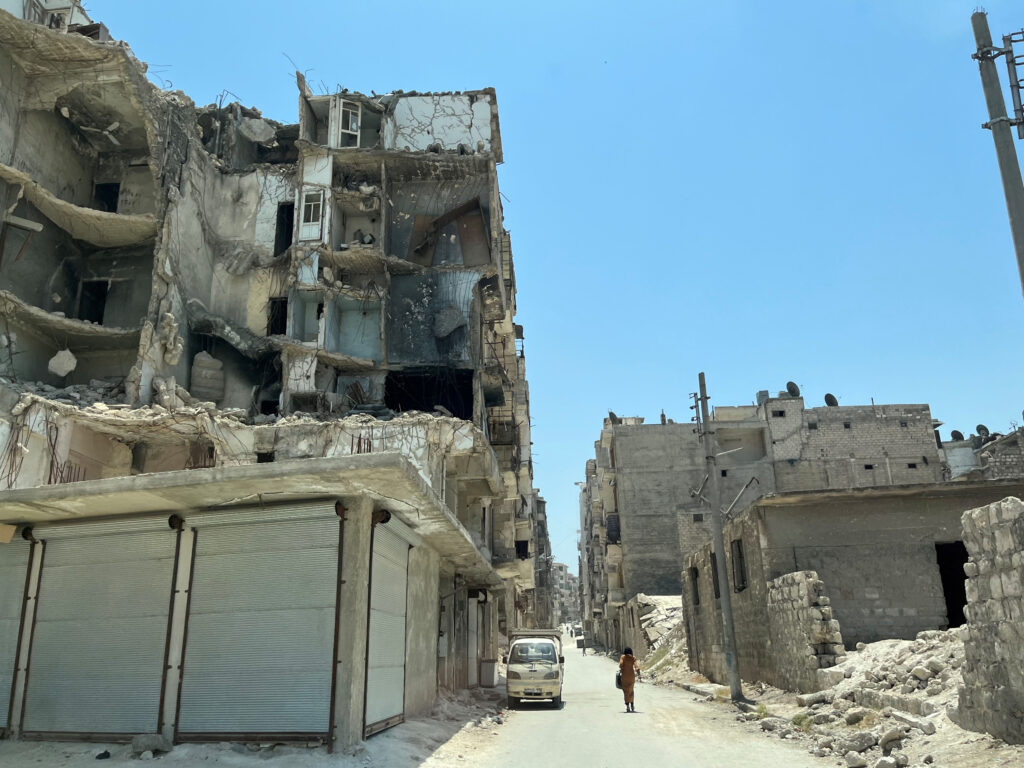
Ezidis em Alepo, cerca de 5.000 pessoas, estão presos sob cerco nos bairros de Sheikh Maqsoud, Ashrafieh e al-Suryan, enfrentando falta de eletricidade, escassez de medicamentos e deslocamento forçado. Quase 1.200 famílias já fugiram, enquanto milhares permanecem em risco. O Ezidi Times apela à Alemanha e à comunidade internacional para agir imediatamente e garantir que o governo de facto da Síria proteja os Ezidis.

Urgente: Ezidis en Alepo atrapados bajo asedio

Los 5.000 ezidis de Alepo están atrapados bajo asedio en Sheikh Maqsoud, Ashrafieh y al-Suryan, enfrentando cortes de electricidad, escasez de medicamentos y desplazamientos forzosos. Casi 1.200 familias ya han huido, mientras miles permanecen en riesgo. Ezidi Times hace un llamado a Alemania y a la comunidad internacional para actuar de inmediato y garantizar que el gobierno de facto sirio proteja a los ezidis.

Fire Destroys Dozens of Shops and Tents in Ezidi Displacement Camps Near Zakho

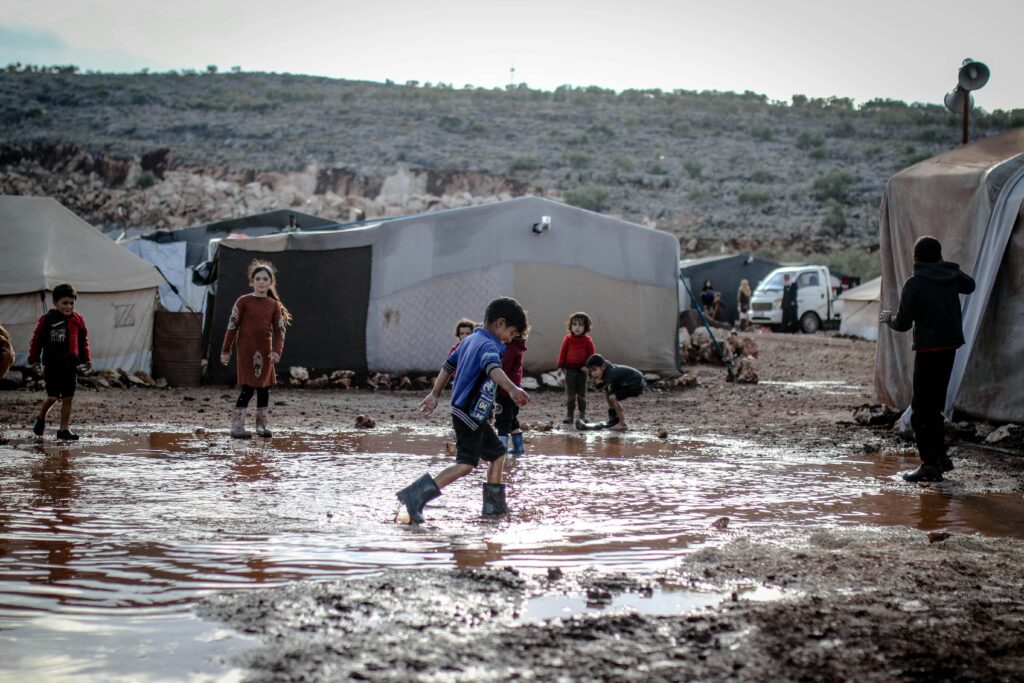
Fires tore through two Ezidi displacement camps near Zakho, destroying dozens of shops and several tents and leaving hundreds of families without their only source of income. More than eleven years after the Ezidi genocide, repeated camp fires once again expose unsafe living conditions, lack of protection, and the continued failure to ensure dignified, voluntary return for displaced Ezidis.

Cultural and Identity Theft Happening Right in Front of Our Noses

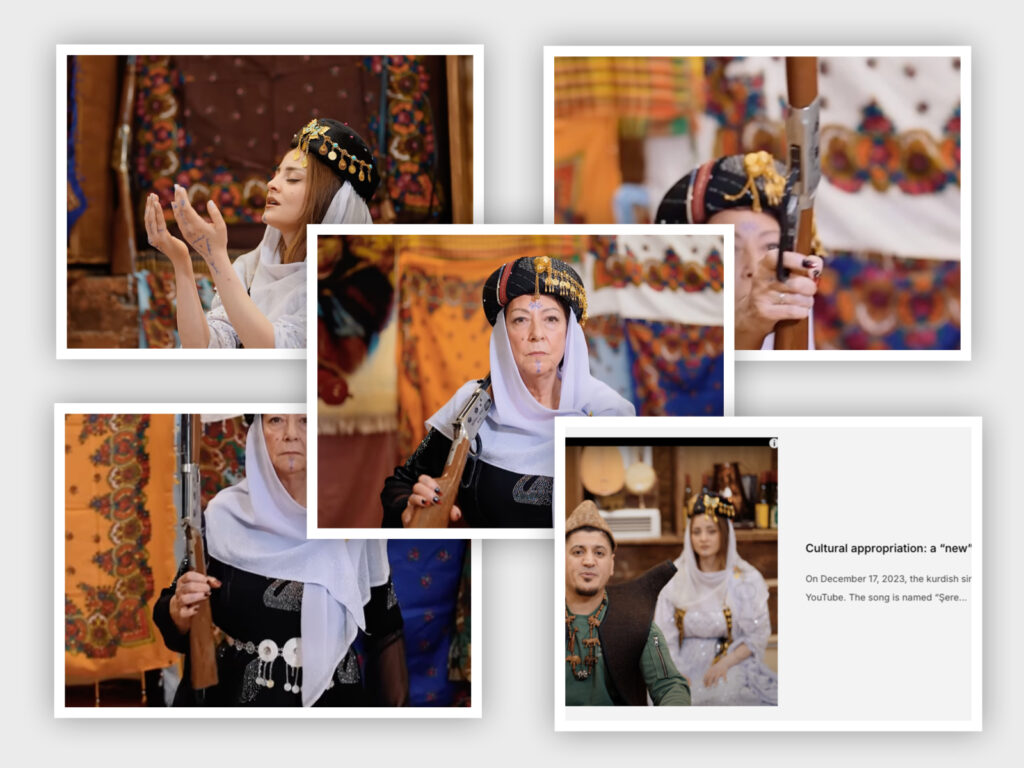
In 2023, Ezidi Times published an article raising concerns about a Kurdish singer using Ezidi traditional clothing in a music video and presenting it as “Kurdish.”
The video shows women in Ezidi attire dancing with weapons, portraying a peaceful and sacred culture in a violent, distorted way — and even attempts to include Ezidis under an artificially constructed “Kurdish” identity.
This is more than cultural appropriation — it is cultural and identity theft happening right before our eyes. The problem still remains and deserves far more attention. The article explores why this matters and is a big issue.

Better to Let Children Go Hungry Than Accept Help From Ezidis

A viral video shows a Muslim woman refusing food, toys, and candy from Ezidi women, exposing the persistence of anti-Ezidi discrimination. Even acts of basic kindness are rejected due to centuries-old prejudice against Ezidis, followers of Sharfadin. The footage highlights how historical marginalization—from the 1915 massacres to the 2014 genocide—continues to shape social interactions, showing that anti-Ezidi sentiment remains normalized in everyday life.

The Minority Quota Seats in the Iraqi Parliament – Its Structure and Purpose

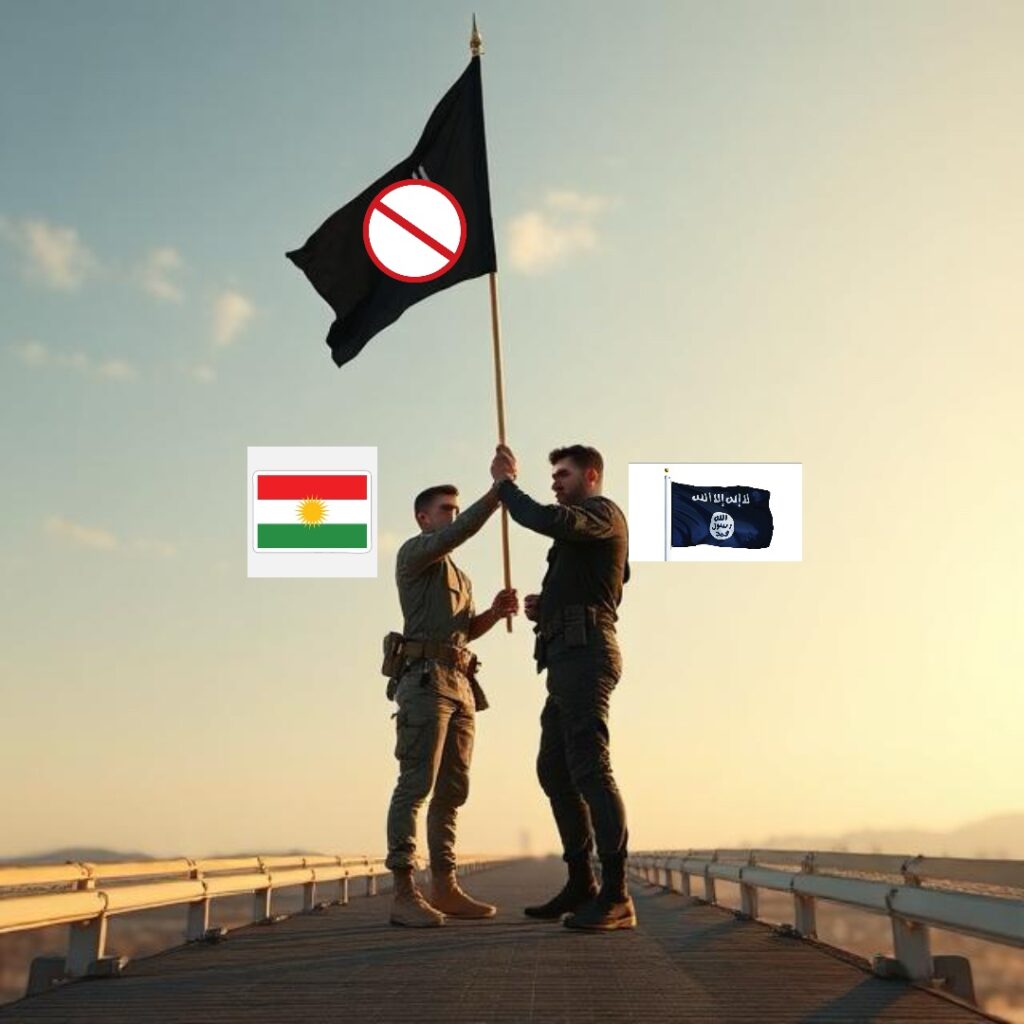
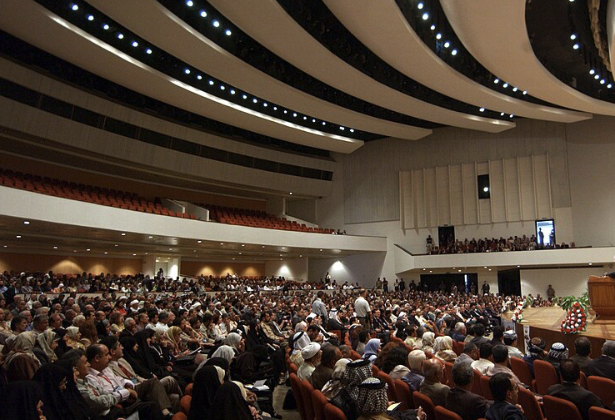
The Ezidi quota seat in Nineveh was won by Khalid Sido, backed by the KDP, despite many independent Ezidi candidates from Sinjar running. The open voting system allowed non-Ezidi voters to influence the outcome, and the KDP’s organizational power ensured their candidate’s victory. As a result, the seat provides symbolic representation but limited political independence for Ezidis, leaving Sinjar’s displaced population with minimal influence over their own reconstruction, security, and rights.