

Ett svar till İkbal Dürre om varför ezider i Ryssland inte räknas som kurder

Ezidier är ett eget folk med en uråldrig etnisk identitet och en religion, Sharfadin, som står separat från “kurdisk” identitet. Att försöka tvinga in dem i kurdiska demografiska siffror är inte statistik – det är ett försök att skriva om deras identitet för politiska syften. Ryssland räknar ezidier som ezidier, och det faktumet kan ingen opinion förändra.

İkbal Dürre’ye Yanıt: Rusya’daki Ezidiler Neden Kürt Demografik İstatistiklerine Dahil Edilmiyor

Bu makale, Rusya’daki Ezidilerin neden Kürt demografik istatistiklerine dahil edilmediğine dair İkbal Dürre’nin iddialarına yanıt vermektedir. Ezidiler kendilerini Kürt olarak değil, Ezidî olarak tanımlar ve Rusya da onları buna göre kaydeder. Onları Kürt olarak etiketlemek, Ezidilerin kendine özgü kimliğini ve Şarfadin inancını görmezden gelmektir. Ezidiler, 1915 yılında Kürtlerin de karıştığı soykırım sonrasında Rusya’ya ulaşmıştır.

Eine Antwort an İkbal Dürre: Warum Eziden in Russland nicht in der kurdischen Demografiestatistik gezählt werden

Dieser Artikel antwortet auf die Behauptungen von İkbal Dürre, warum Eziden in Russland nicht in der kurdischen Demografie gezählt werden. Eziden identifizieren sich als Eziden, nicht als Kurden, und Russland erfasst sie entsprechend. Sie als Kurden zu bezeichnen, ignoriert ihre eigene Identität und ihren Glauben, Sharfadin. Eziden gelangten nach Russland nach dem Völkermord von 1915, den kurdische Gruppen gegen sie verübten. Lesen Sie mehr über Eziden, das Sharfadin-Erbe und globale Ereignisse auf Ezidi Times.

Ответ Икбалю Дюрре: почему езиды в России не включаются в “курдскую” демографическую статистику

Эта статья отвечает на утверждения Икбаля Дюрре о том, почему езиды в России не включаются в «курдскую» демографию. Езиды самоопределяются как езиды, а Россия фиксирует их в соответствии с их этнической и религиозной принадлежностью (Шарфадин). Массовое переселение езидов в Россию связано с геноцидом 1915 года, совершённым против них османскими властями и курдскими группами.

27 November 2025 — Olive Harvest Begins in Lalish, Iraq

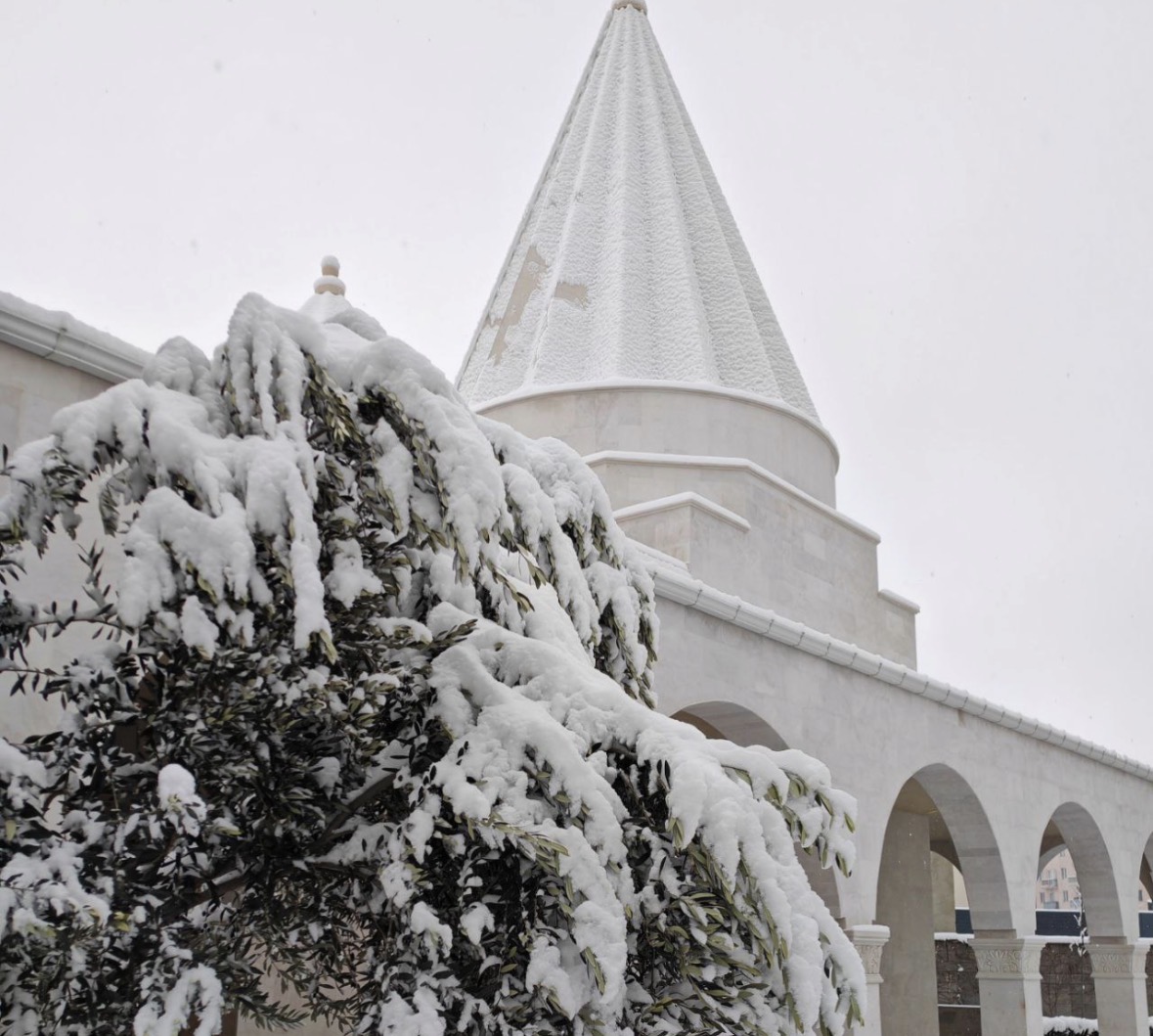
The annual olive harvest in the sacred valley of Laleş begins on 27 November, as Ezidis gather olives that will become the oil to light every lamp of the temple. This centuries-old ritual brings the community together — men shaking the branches, women collecting the fruit, and temple workers preparing the oil that fuels the 365 lamps, a symbol of Sharfadin’s enduring light. Amid a year of drought, the harvest continues, linking the valley, its people, and the rhythms of the sacred season. In December, the lamps burn as the community looks toward winter celebrations: Aida Êzîd, Aida Xwudane (male), and Aida Sêsims.

Design Ezidi na Passarela Curda: Respeito ou Apropriação Cultural?

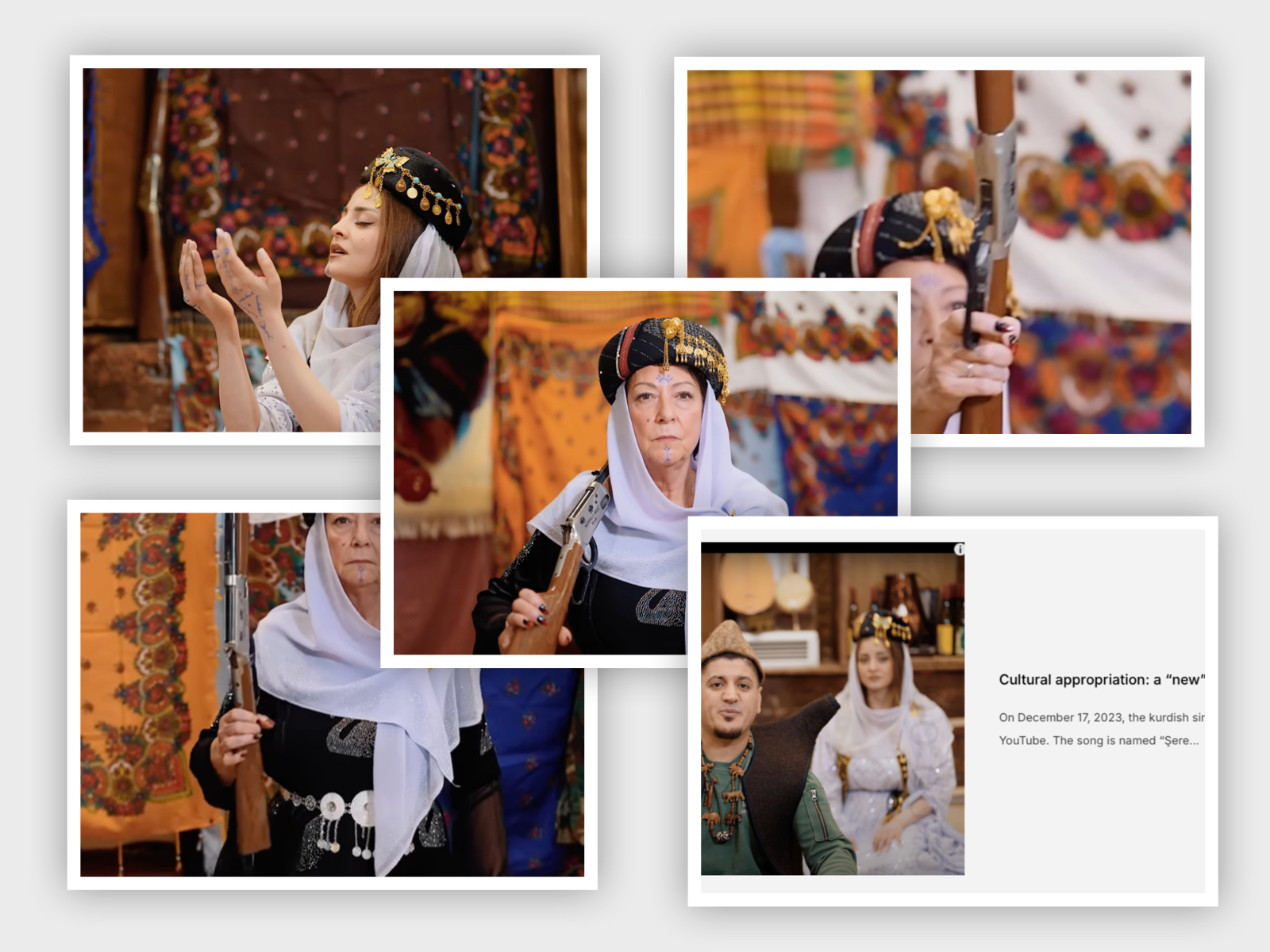
Quando uma estilista curda apresentou um vestido tradicional Ezidi na passarela em Milão, muitos aplaudiram o gesto como sinal de inclusão. Mas será que é realmente reconhecimento — ou apropriação? Para o Ezidi Times, a questão é mais profunda: por que os Ezidis precisam depender de outros para mostrar suas tradições, e o que significa quando sua herança é absorvida em uma narrativa curda mais ampla? Está em jogo não apenas a moda, mas a sobrevivência da identidade de um povo antigo.

Ezidisk design på kurdisk catwalk: Respekt eller kulturell appropriering?

När en kurdisk designer presenterade en traditionell ezidisk klänning på catwalken i Milano applåderade många gesten som ett tecken på inkludering. Men är det verkligen erkännande – eller appropriering? För Ezidi Times går frågan djupare: varför måste ezider förlita sig på andra för att visa sina traditioner, och vad betyder det när deras kulturarv absorberas in i en bredare kurdisk berättelse? Det som står på spel är inte bara mode, utan överlevnaden av ett uråldrigt folks identitet.

Kürt Podyumunda Ezidi Tasarımı: Saygı mı, Kültürel Özgürleşme mi?

Bir Kürt tasarımcı Milan podyumunda geleneksel bir Ezidi elbisesi sunduğunda, birçok kişi bunu kapsayıcılığın bir işareti olarak alkışladı. Peki bu gerçekten bir tanıma mı, yoksa sahiplenme mi? Ezidi Times için mesele daha derin: Ezidiler neden geleneklerini başkalarına göstermek zorunda kalıyor ve mirasları daha geniş bir Kürt anlatısına dahil edildiğinde ne anlama geliyor? Sadece moda değil, kadim bir halkın kimliğinin hayatta kalması söz konusu.

Ezidi Design on Kurdish Catwalk: Respect or Cultural Appropriation?

When a Kurdish designer presented a traditional Ezidi dress on the runway in Milan, many applauded the gesture as a sign of inclusion. But is it really recognition—or appropriation? For Ezidi Times, the question runs deeper: why must Ezidis rely on others to showcase their traditions, and what does it mean when their heritage is absorbed into a broader Kurdish narrative? At stake is not just fashion, but the survival of an ancient people’s identity.

Языки меньшинств в Армении: достижения и вызовы для езидов и других общин

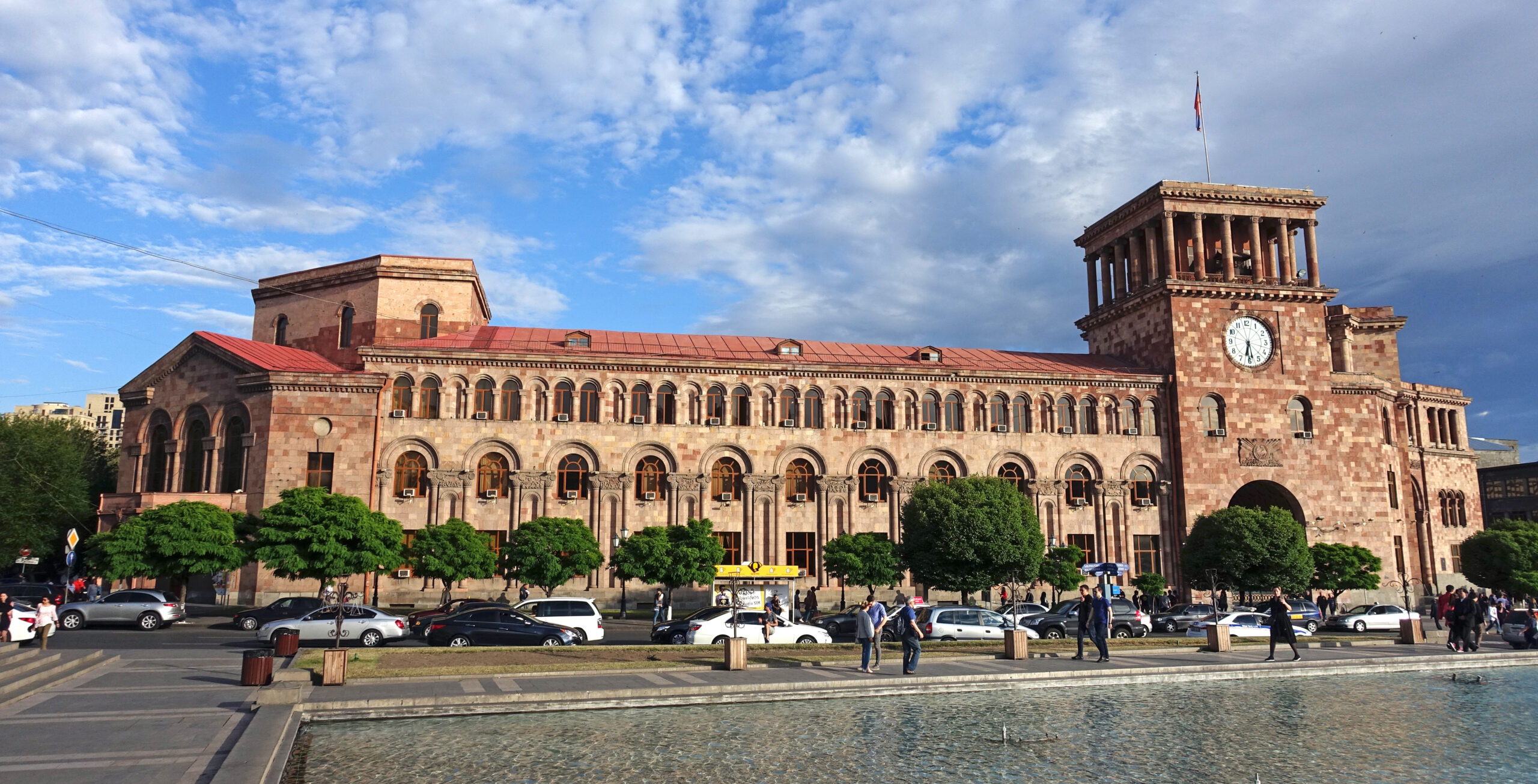
Армения добилась заметного прогресса в поддержке языкового разнообразия, включая езидский, ассирийский и греческий языки, однако остаются проблемы с их полноценной защитой и образовательными возможностями. Доклад Совета Европы подчёркивает необходимость расширения преподавания, медийного представления и институциональной поддержки, чтобы сохранить езидский язык и культурное наследие для будущих поколений.

The Odyssey of Ezidi Women: Searching for Children Lost to Jihadists

The documentary “Hawar, Our Banished Children” exposes the hidden trauma of Ezidi women raped by ISIS, who now search for the children born from these assaults. With 3,000 women still missing, the film highlights ongoing genocide, the rejection of these children by the Ezidi people, and the first European trials of jihadists for these crimes.

Езидский борец Малхас Амоян стал двукратным чемпионом мира — триумф для езидского народа

Малхас Амоян, знаменитый езидский борец классического стиля, стал двукратным чемпионом мира, победив олимпийского чемпиона Нао Кусаку со счётом 10:1. Возвращение в Ереван встретили аплодисментами и народной музыкой — “Езидский Лев” снова вдохновляет молодых спортсменов.

Diana Kalashova’s New Release “SISTER” — A Tribute to Family, Friendship, and her Ezidi Roots

In her newest release SISTER, Ezidi singer Diana Kalashova joins voices with her younger sister Sofia in a heartfelt tribute to sisterhood, love, and family. Written together with their family and performed in their native Ezdiki language, the song captures the intimate bond between siblings and reflects Diana’s continued commitment to her roots, passion, and artistry. In this exclusive interview with Ezidi Times, Diana opens up about the creative process, her secret vault of unreleased music, and the emotional message behind her most personal song yet.

Never Forget the Past, for It Loves to Repeat Itself

Humanity walks through history carrying the ashes of its own crimes. Every stone laid at memorials like Tsitsernakaberd whispers of lives extinguished and of promises broken — never again, we say, yet again and again, we fail. As the eternal flame burns for the Armenians of 1915, it casts a shadow that reaches Sinjar, where the Ezidi people still suffer the consequences of the genocide ISIS unleashed in 2014. Eleven years later, the wounds remain unhealed, deepened by betrayal, neglect, and cynical politics. How many more memorials must we build before we finally understand that remembrance is not enough — justice and protection must follow, or the cycle will never end?

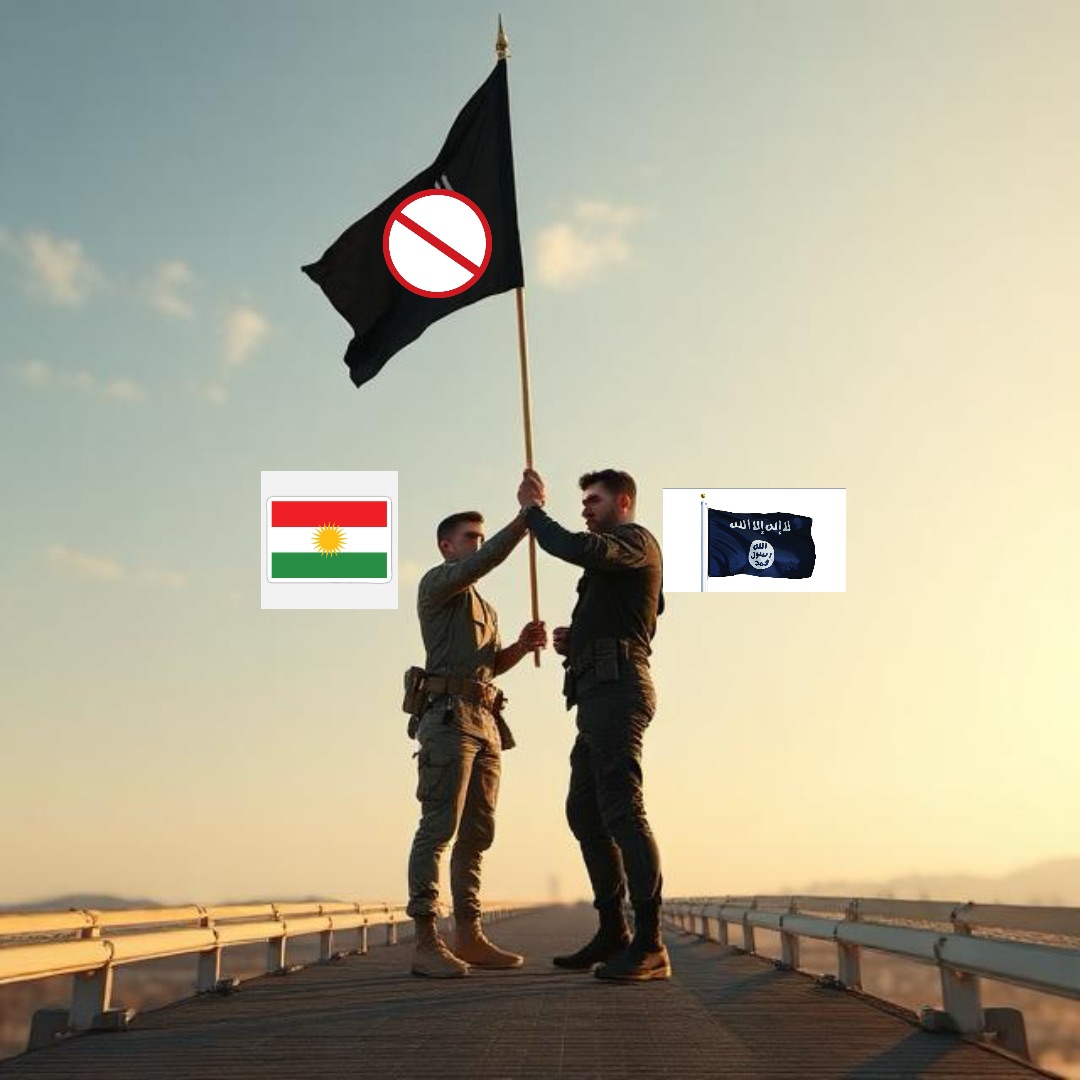
Iraqi Official Urges PKK Disarmament to Include Sinjar

🇬🇧🇫🇷🇮🇶🇷🇺🇦🇲🇹🇷🇳🇱🇧🇷🇪🇸🇸🇪🇩🇪🇩🇰

An Iraqi military official emphasized that the PKK disarmament process should include Sinjar, where armed groups loyal to the PKK remain active. The official stressed that these groups must be part of any agreement. The PKK began destroying weapons in May, a move welcomed by Turkey as “a new era.”

Close
© 2025 Ezidi Times. All Rights Reserved.