
Sinuni: A Town Whose Name Carries a People’s Memory

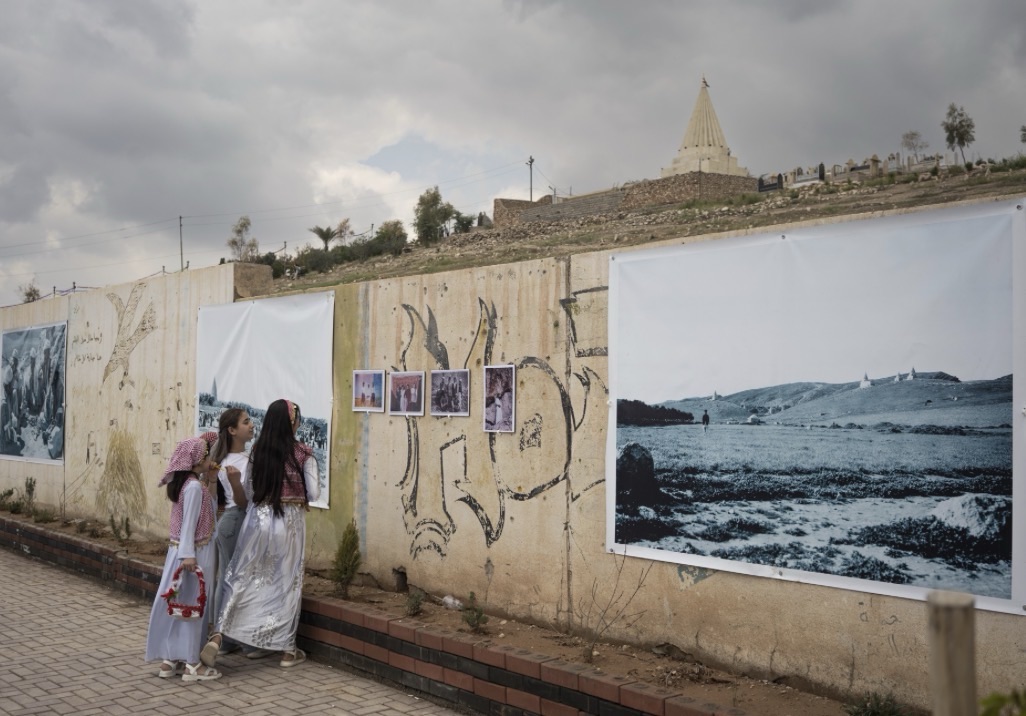
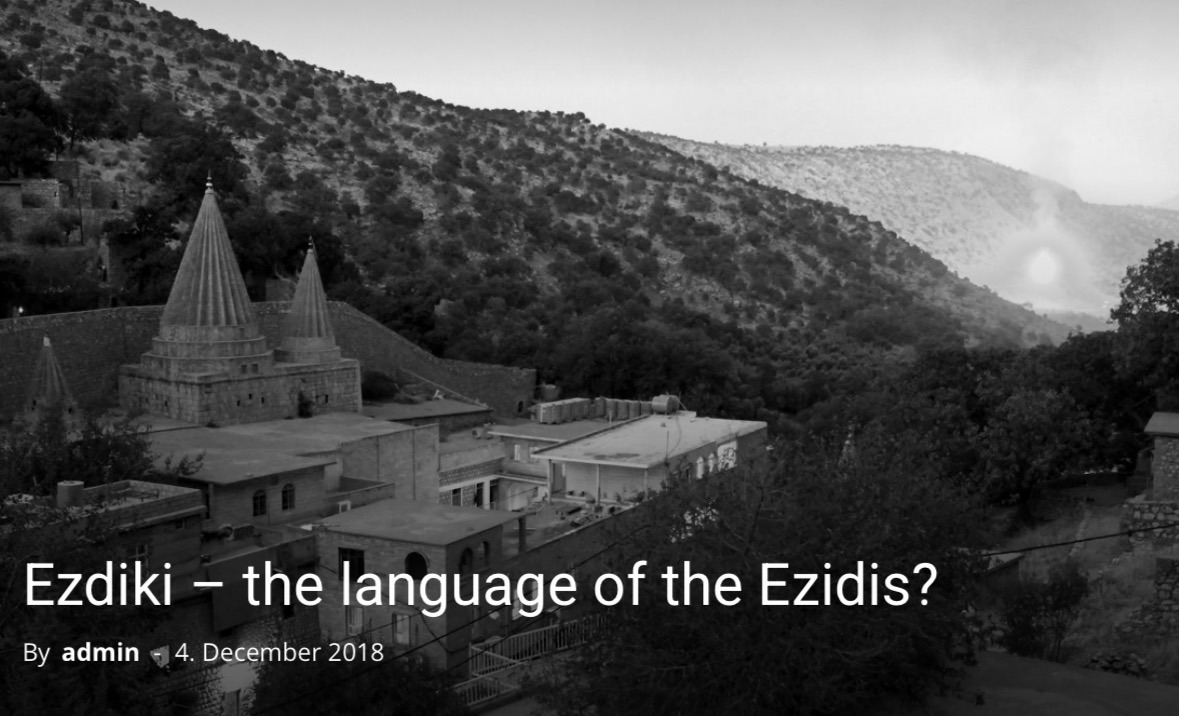
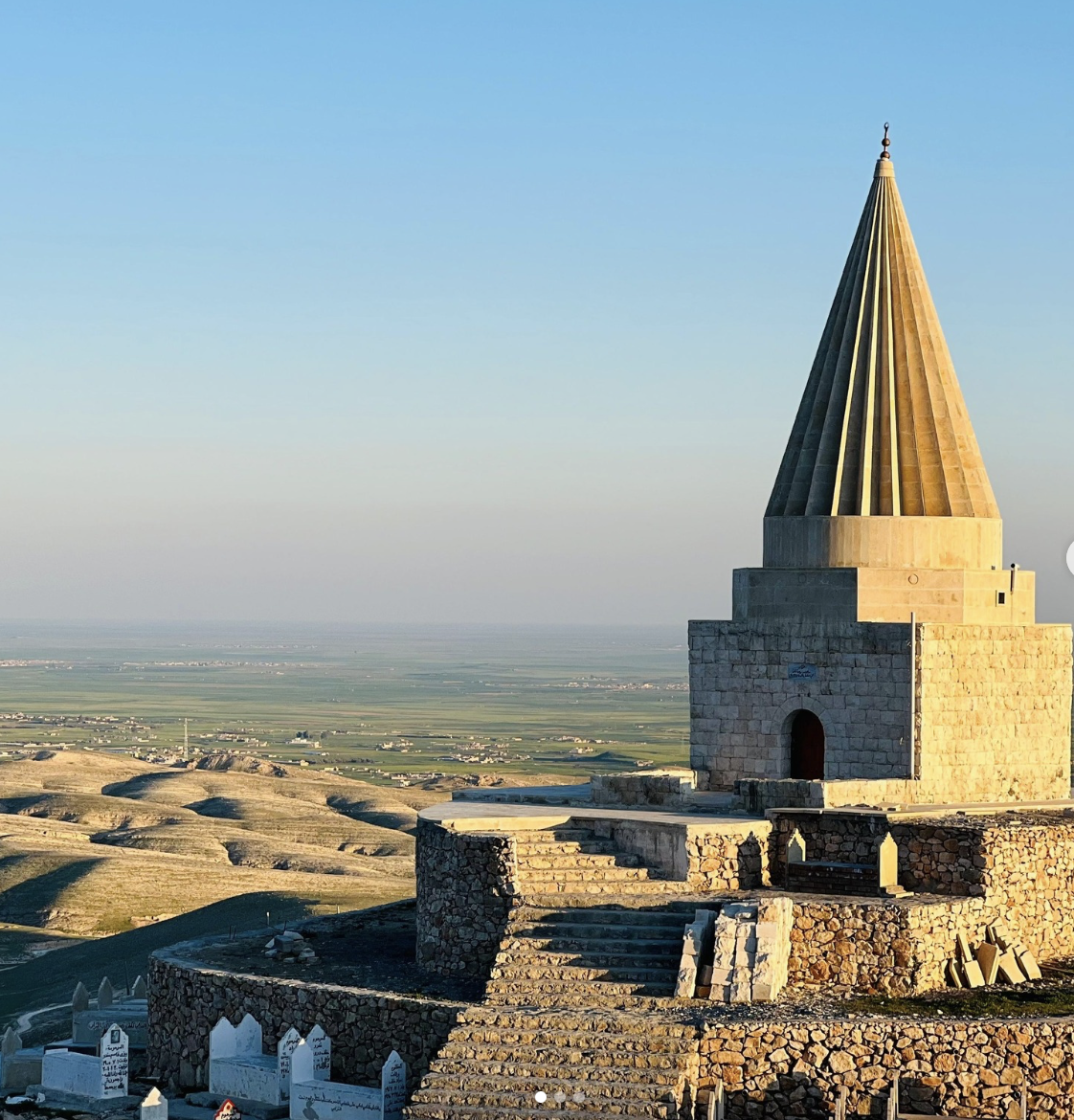
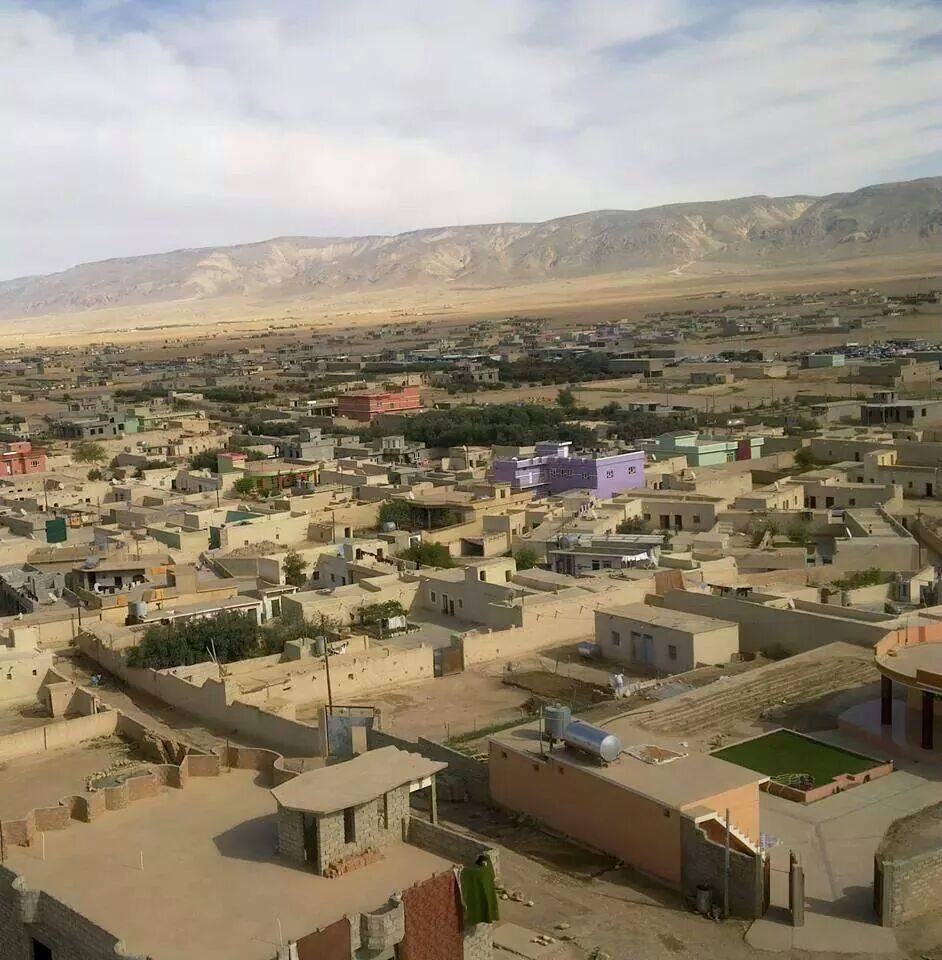
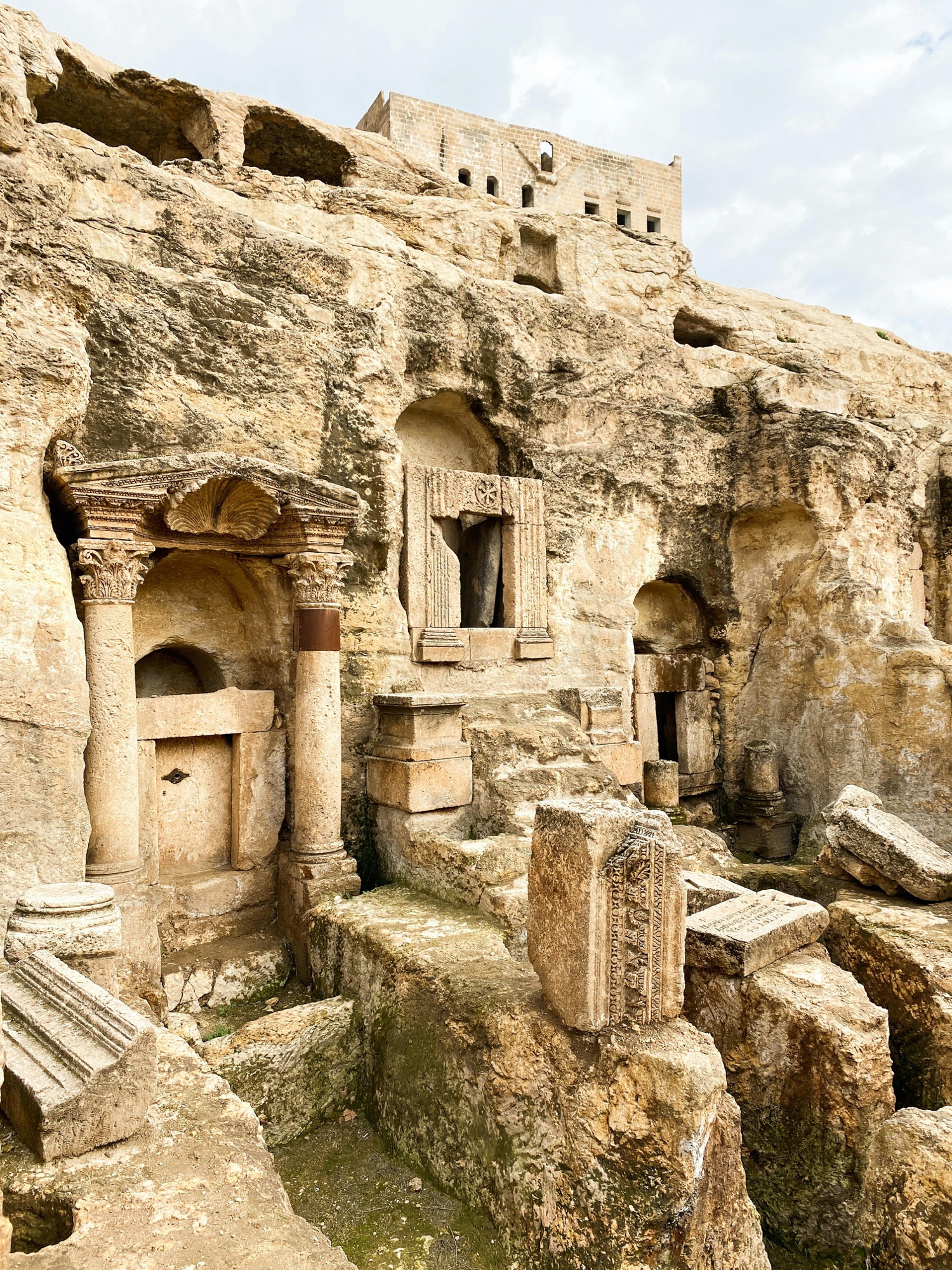
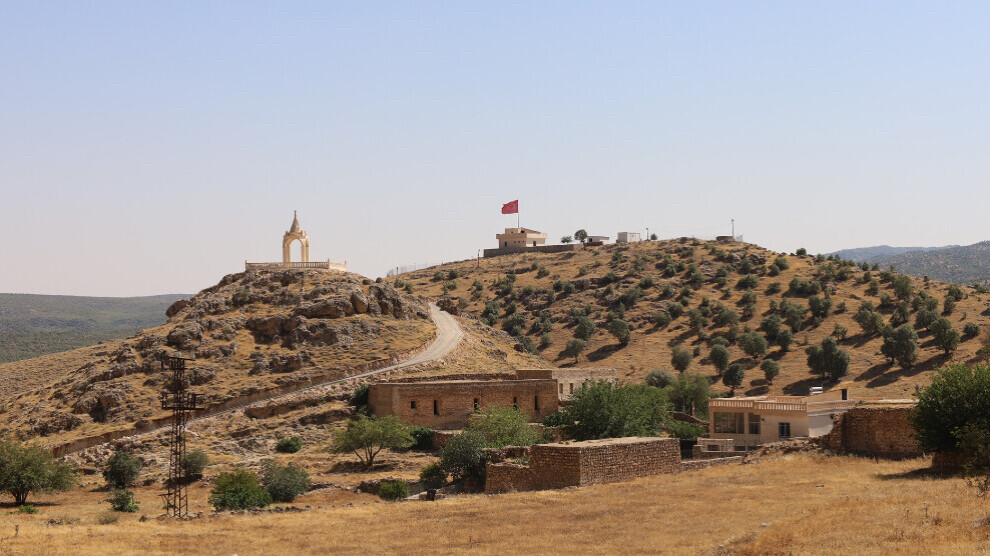
Sinuni, whose name means “our spring” in the Ezidi language, is one of the central towns of the Sinjar region. Once known for its quiet rural life, it was devastated during the 2014 ISIS genocide. Today, Ezidis continue to rebuild it house by house, field by field. Sinuni stands as a place where loss, memory, and resilience meet — a reminder that even after destruction, renewal is possible.

Ezidi Design on Kurdish Catwalk: Respect or Cultural Appropriation?

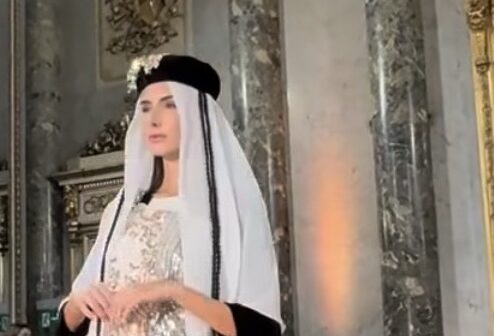
When a Kurdish designer presented a traditional Ezidi dress on the runway in Milan, many applauded the gesture as a sign of inclusion. But is it really recognition—or appropriation? For Ezidi Times, the question runs deeper: why must Ezidis rely on others to showcase their traditions, and what does it mean when their heritage is absorbed into a broader Kurdish narrative? At stake is not just fashion, but the survival of an ancient people’s identity.

Ezidi Dungeon at Risk of Disappearance in Turkey

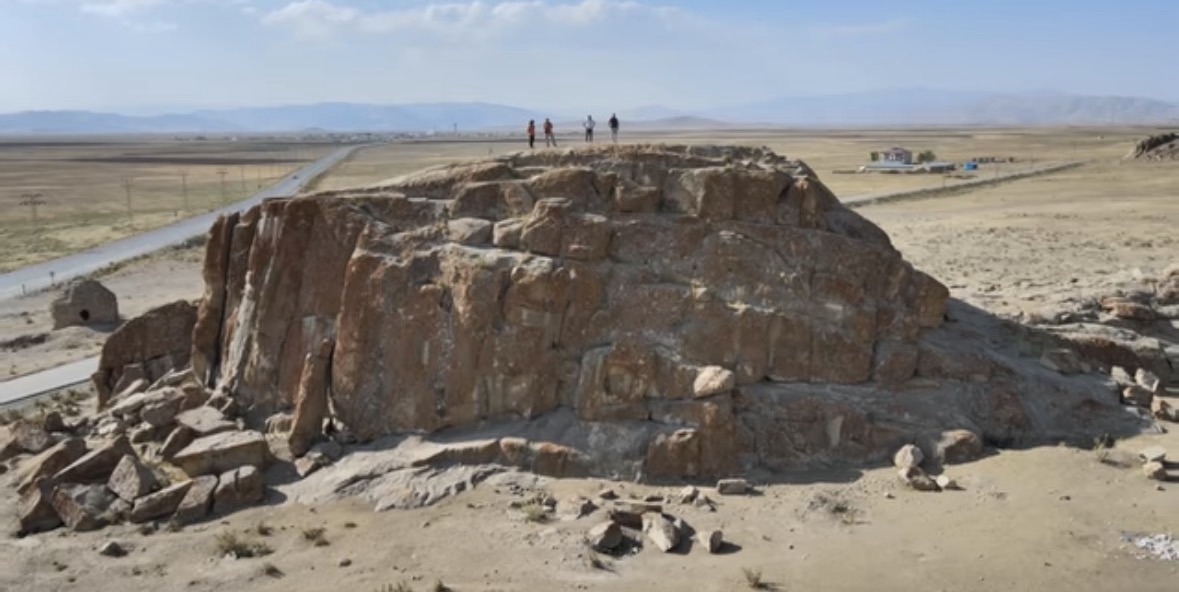
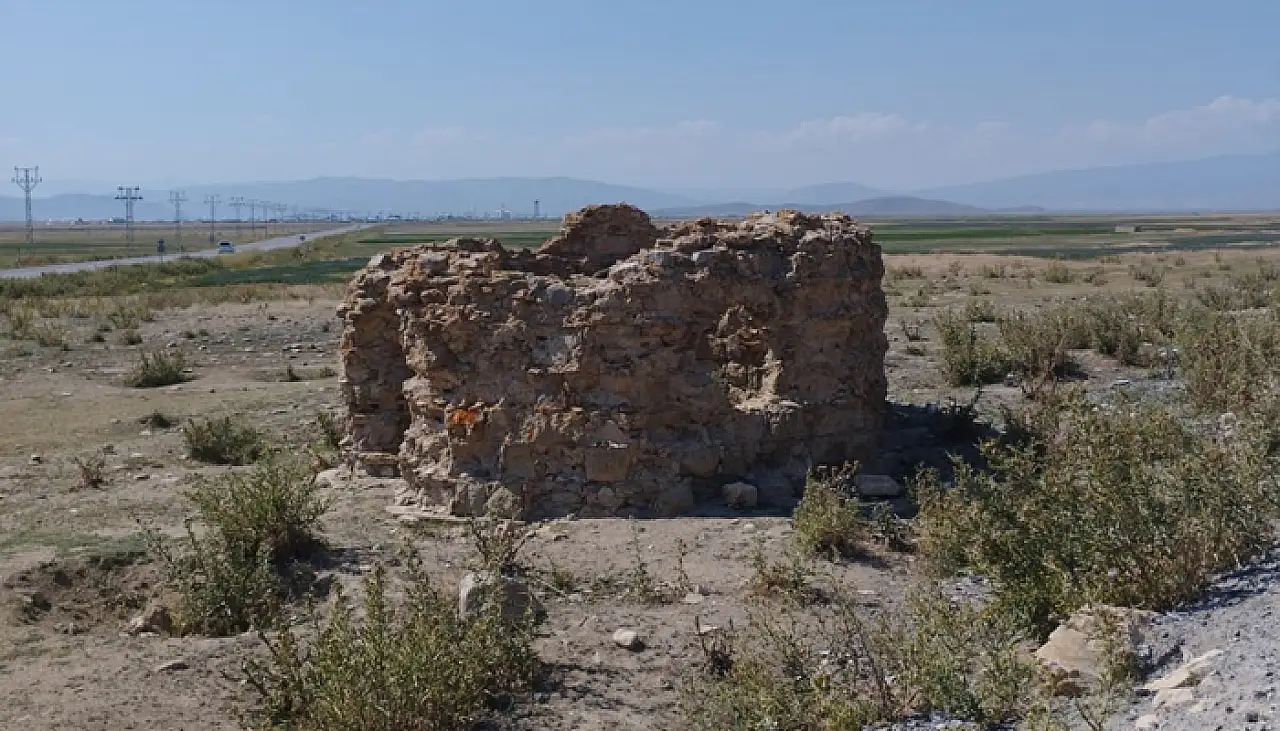
The Ezidi Dilşah Dungeon in Van, Turkey, built in the 18th century by Kok Ağa and later overseen by his daughter Dilşah, is now at risk of collapse. Once part of the Ezidi justice system, the site has been heavily damaged by treasure hunters and neglect. Locals see it as both a historical monument and a place of memory, but without urgent protection, this rare piece of Ezidi heritage may soon disappear.

Iraq’s Water Crisis Uncovers Traces of Ezidi Heritage Alongside Ancient Tombs

As the Mosul Dam reservoir recedes to its lowest levels in nearly a century, archaeologists are uncovering not only 2,300-year-old Hellenistic tombs but also traces of Ezidi heritage once submerged beneath the Tigris. In recent years, a long-hidden Ezidi village, a 1961 tomb, and even a school in Hanke have resurfaced, reminding the world that Ezidi history in northern Mesopotamia — tied to the faith of Sharfadin — cannot be erased by dams, drought, or displacement.

Nouvelle sortie de Diana Kalashova : « SISTER » – Un hommage à la famille, à l’amitié et à ses racines ézidies

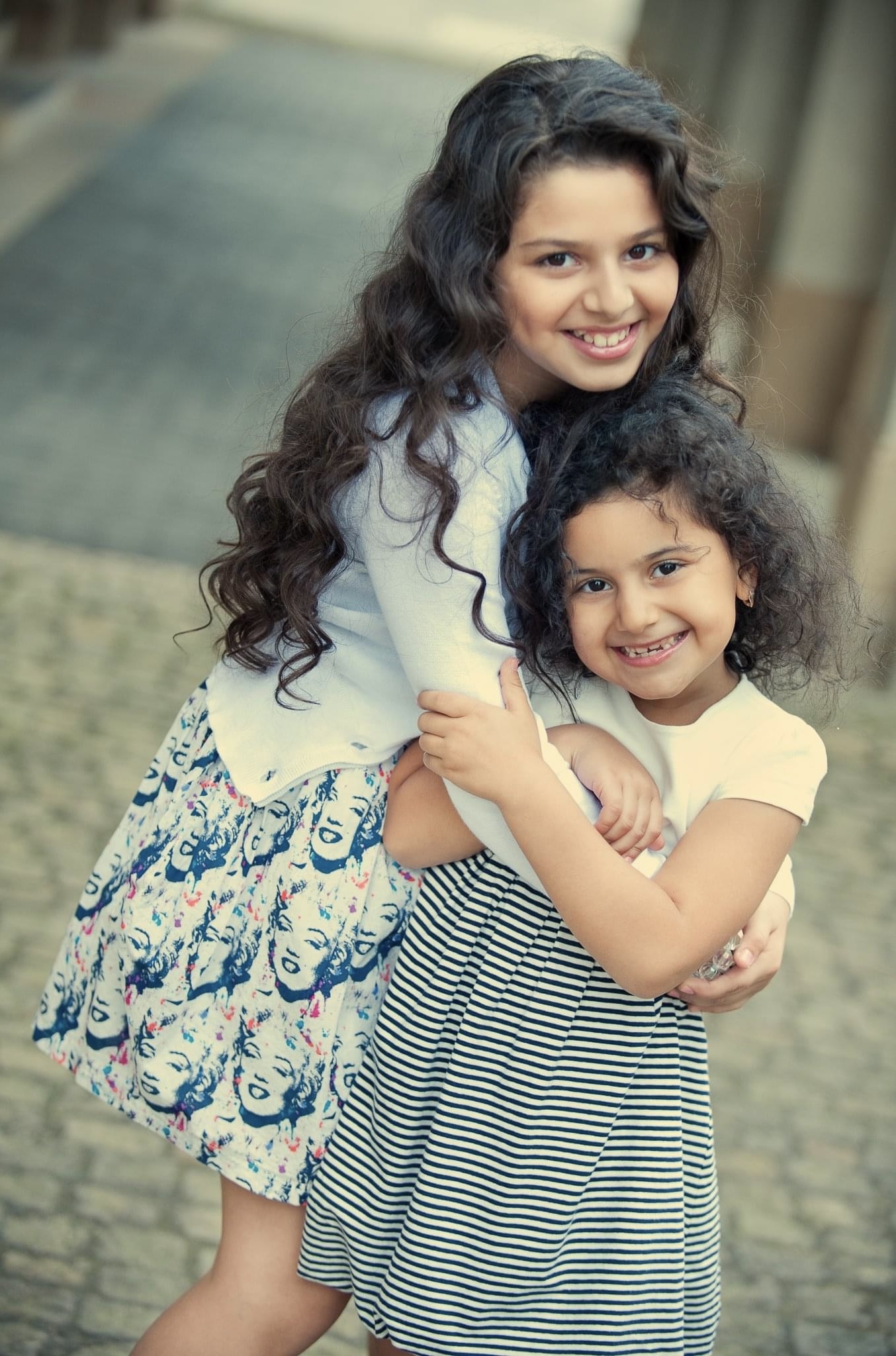
Dans sa nouvelle chanson « SISTER », Diana Kalashova livre un hommage intime à sa sœur, à sa famille et à ses racines Ézidies. Chantée en ezdiki et coécrite avec plusieurs membres de sa famille, cette œuvre émotive incarne l’amour fraternel, la mémoire intergénérationnelle et la richesse culturelle du peuple Ézidi. Dans une interview exclusive avec Ezidi Times, Diana dévoile les coulisses du processus créatif et l’importance de rester fidèle à ses origines à travers la musique.

USAID Funding Cuts Leave Ezidi Displacement Camps in Crisis

The Ezidi people, an ancient ethnic and religious group from northern Iraq, continue to face dire conditions in displacement camps years after ISIS attacks forced them from their homes. The reduction in funding from the U.S. Agency for International Development (USAID) has severely impacted reconstruction efforts, access to medical care, and essential services in camps where many Ezidis remain internally displaced.

The Shared Struggles of Ancient Peoples

Ezidis can learn the vital importance of preserving their sacred faith of Sharfadin. Justice and recognition require courage and unity—not just from within the Ezidi people but also through building solidarity with other ancient peoples facing similar struggles. Though the wounds run deep, hope remains in the power of cultural survival and the determination to secure a future where the Ezidis’ dignity, heritage, and rights are fully respected and protected.

Zara: The Ungrateful Child of Ezdixan

Zara’s recent actions expose not just a troubling detachment from her Ezidi heritage, but a blatant disregard for the dignity and struggle of the people to whom she owes her very identity. In an era where the Ezidi people are still recovering from genocide and fighting for recognition, Zara has chosen not to stand with them, but to turn her back entirely—trading ancestral truth for political relevance and shallow applause. Her repeated shifts in self-identification—from Armenian to Russian, and now opportunistically Kurdish—suggest not evolution, but erasure. Even worse, her public alliance with individuals who have openly blasphemed the sacred tenets of the Sharfadin faith crosses a moral line. This is not neutrality—it is betrayal.

Ezdiki Script Available in Unicode

The Unicode Consortium has made significant progress in digital representation by including the Ezdiki script (Ezidi language) in its Unicode Standard. This ensures that the unique characters and symbols of the Ezdiki language are now consistently displayed across digital platforms like websites, apps, and social media.

The Unbreakable Spirit of a True Artist

In 2007, Hales fled to Germany with her mother and sister—a country she eventually came to not only appreciate but, one might say, love, for both its freedoms and its values. As a Ezidi, an ethnoreligious group that has faced centuries of persecution, the concept of freedom holds great significance for Hales. She came to deeply understand the value of freedom through the atrocities committed by Islamist groups. The most recent of over 70 Ezidi genocides occurred on August 3, 2014, with thousands of women still held captive by ISIS. “We have lived in captivity long enough; now it is time to stand up for our freedom and our rights,” says Hales.

Close