
Armenien erklærer den 3. august som Mindedag for Ezidi-genocidet

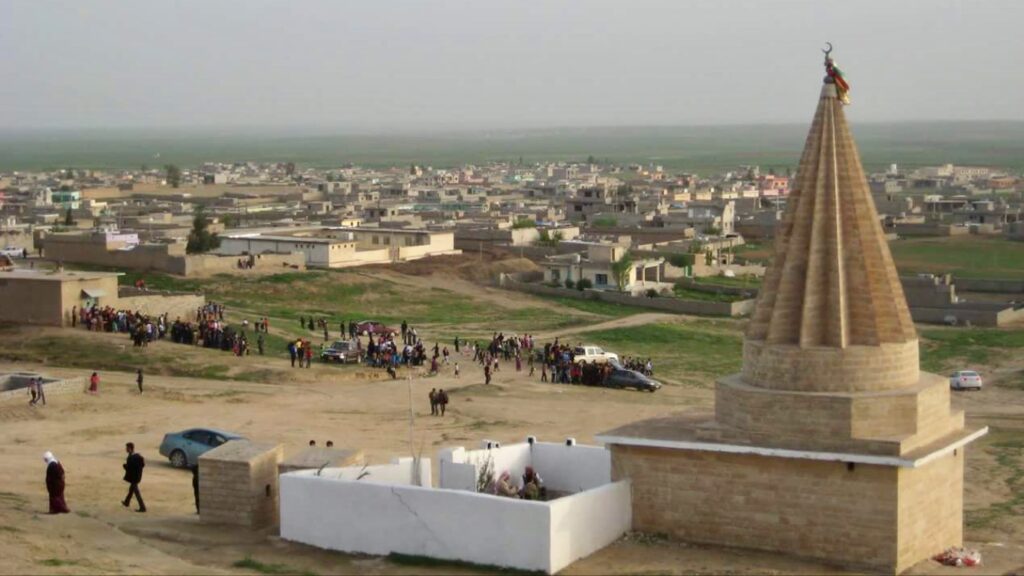
Den 16. april 2024 blev der afholdt en ekstraordinær session i det armenske parlament for at diskutere forslaget om at udnævne den 3. august som en minde- og hukommelsesdag for ofrene for Ezidi-genocidet i Sinjar, som fandt sted i 2014. Denne lovgivning, foreslået af Rustam Bakoyan, en repræsentant fra det regerende “Civile Kontrakt” Parti og selv ezidi, har til formål at ære ofrene for ezidi-genocidet i Sinjar. Ændringen af loven “Eid og Minde Dage i Armenien” modtog overvældende støtte med 88 stemmer for.

The Ezidi Struggle in Iraq: Genocide, Persecution, and the Fight for Political Representation

The Yezidis are an ethno-religious minority with the majority speaking Kurmanji, one of the main Kurdish dialects, according to researchers. Geographically, they are classified as a dispersed minority in demographic centres where population density is homogenous and concentrated. They are mainly located in contested areas across several residential clusters, notably in the Sinjar region (locally known as Shingal) and the Nineveh Plain, which falls administratively under the central government. This region includes the Shekhan district, along with numerous Yezidi villages and towns in the Tel Keppe district, as well as the cities of Ba’shiqa and Bahzani in Nineveh province. There are also smaller population clusters in the southern and western parts of Duhok province, which have been part of the Kurdistan region since 1991, including towns and cities such as Sharya, Khanke, Ba’adre, and Derabun.

Şifa Bulmayan Yaralar: Ezidi Soykırımının Kalıcı Etkileri ve Uluslararası Yanıt Gereksinimi

Ezidi halkı, Türkiye, Suriye, İran ve Irak gibi bölgelerde yaşayan etnik ve dini bir azınlıktır. Ağustos 2014’te, bir terör örgütü olan IŞİD, Ezidilere karşı soykırım kampanyası başlattı ve onları “şeytanın hizmetkarları” olarak nitelendirdi. Bu vahşetler, kitlesel katliamları, kaçırmaları ve yaygın cinsel şiddeti içeriyordu ve özellikle kadınlar ve kız çocuklarını hedef aldı. Açık delillere rağmen, faillerin hesap vermesi için yapılan çabalar yetersiz kaldı. Bu hafta, 10.000’den fazla Ezidi’nin öldürüldüğü ve 7.000’den fazla kadın ve çocuğun kaçırıldığı, şiddete maruz kaldığı ve köleleştirildiği Ezidi soykırımının 10.

Незаживающие раны: Долговременные последствия геноцида езидов и необходимость международного отклика

Езиды — это этническое и религиозное меньшинство, коренное для регионов, включая Турцию, Сирию, Иран и Ирак. В августе 2014 года террористическая организация ИГИЛ начала геноцидную кампанию против езидов, которых они называли “поклонниками дьявола”. Зверства включали массовые убийства, похищения и широкомасштабное сексуальное насилие, в основном направленное на женщин и девочек. Несмотря на очевидные доказательства, усилия по привлечению виновных к ответственности оказались недостаточными.

Iraqi Women’s Association and the Yazidi Women’s Freedom Movement Condemn Turkish military attacks on Sinjar

The third Iraqi women’s conference, held on 25 July in Baghdad and organized by the Iraqi Women’s Association and the Yazidi Women’s Freedom Movement (TAJÊ), focused on uniting against femicide and commemorating the victims of the 2014 Yazidi genocide. The conference included speeches highlighting the impact on women and children, the unknown fate of many captured by ISIS, and the need for women to organize against patriarchal violence.

Irak Kadınlar Derneği ve Êzidî Kadınların Özgürlük Hareketi, Türk askeri saldırılarını kınadı.

Katılımcılar, Şengal’e yönelik devam eden Türk askeri saldırılarını kınayarak, bunları soykırımın devamı olarak nitelendirdi ve Türkiye’yi IŞİD’i desteklemekle suçladı. 2014 soykırımının uluslararası alanda tanınması, Şengal üzerinde bir uçuşa yasak bölge oluşturulması ve Şengal’in özerk yönetiminin tanınması çağrısında bulundular. Konferans, yerinden edilmiş Êzidîleri Şengal’e dönmeye çağırdı ve Irak’ta kadın haklarının korunmasının yenilenmesini talep etti.

Unhealed Wounds: The Yazidi Genocide’s Lasting Impact and the Need for International Response

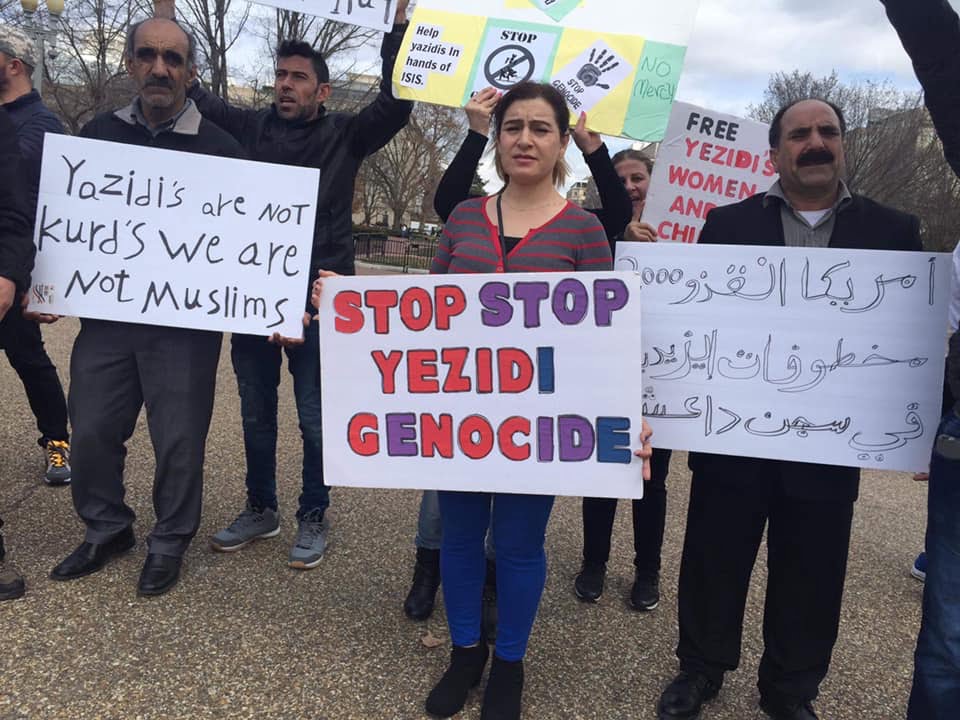
This week marks the 10th anniversary of the Yazidi genocide. It has been ten years since over 10,000 Yazidis were brutally murdered. Ten years since more than 7,000 women and children were subjected to abduction, violence, and enslavement. Ten years since thousands have disappeared and over 2,600 are still missing without a trace. This article is republished on Ezidi Times with the kind permission of Jurist.org.

The Hidden Faces of Evil

Recently the news about the ISIS leader “Abu Bakr al-Baghdadi” surfaced on the internet, after his wives and daughter gave an interview on Al-Arabiya. Al-Baghdadi has allegedly been killed in a US operation in northwestern Syria in 2019, however, during his time as an IS fighter, he has held more than 10 Ezidi children and women as slaves in his household. According to the narratives of the wives and his daughter; the Ezidi girls and women were treated “well”.  This is a concerning statement which Ezidi Times finds crucial to address.

Is the return of Ezidis to Sinjar realistically possible?

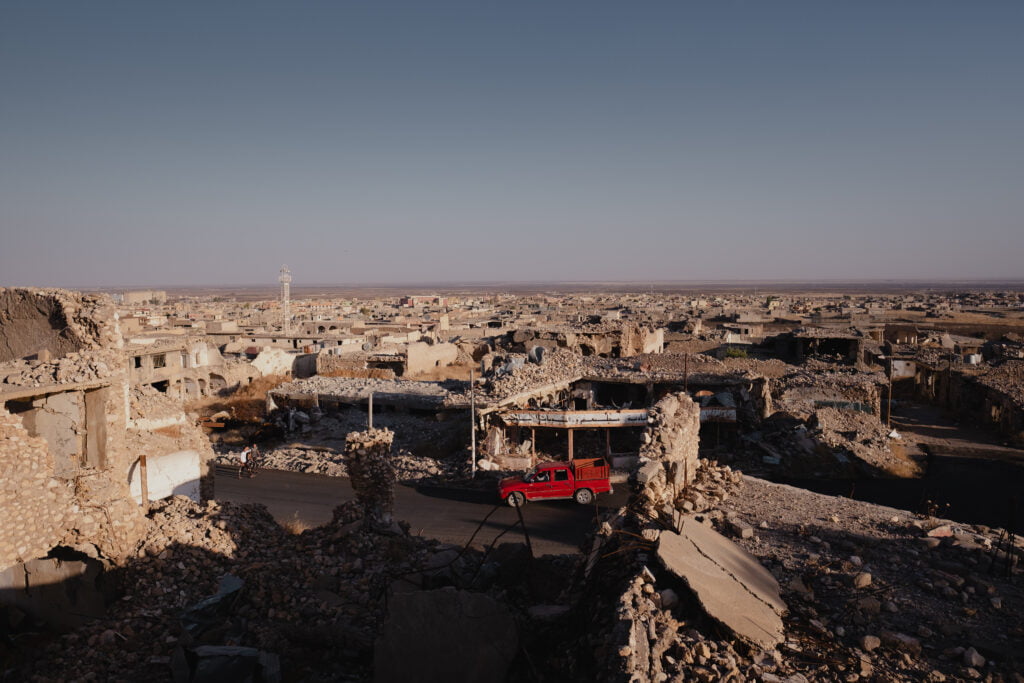
This year in August it will be 10 years since the IS attacked Sinjar, committed heinous crimes, and forced several hundred thousand Ezidis to leave their ancestral land. To this day it’s reported that between 100 000 to 200 000 Ezidis live in IDP camps across the Middle East. The Iraqi Council of Representatives has adopted the Yezidi Survivors Law (YSL) which was aimed to bring justice to Ezidis but also Turkmen, Christians and Shabaks. Yet, to this day, no Iraqi court has sentenced anyone for committing genocide against the Ezidi people. Despite this, there are hopes among the Ezidi people, living in IDP camps, to return home to Sinjar.