

New census data from Georgia shows that the number of Ezidis in the country has decreased over the past decade.
According to the 2024 census results, Georgia’s Ezidi population stood at 11,324 people. In the previous census in 2014, the number was 12,174. This means the recorded Ezidi population decreased by 7 percent between 2014 and 2024.
The data was published as part of Georgia’s updated ethnic composition statistics. The figures show changes among several ethnic groups in the country over the same ten-year period.
Ethnic Georgians remain the largest group in the country, with 3,304,075 people recorded in 2024. Azerbaijanis were listed as the second largest group, with 268,832 people, followed by Armenians with 169,296 people.
The census also recorded significant increases among some groups. The number of Russians in Georgia rose from 26,453 in 2014 to 42,545 in 2024, an increase of 60.8 percent. The number of Ukrainians also increased, reaching 14,443 people in 2024.
Other groups saw smaller increases or decreases. The number of Ossetians decreased from 14,385 to 12,611 people, while the Abkhaz population increased slightly from 864 to 907 people.
The census figures do not explain the reasons behind the decline in the recorded Ezidi population. However, the data is significant because it shows a continued demographic change for one of Georgia’s historic ethnic minorities.
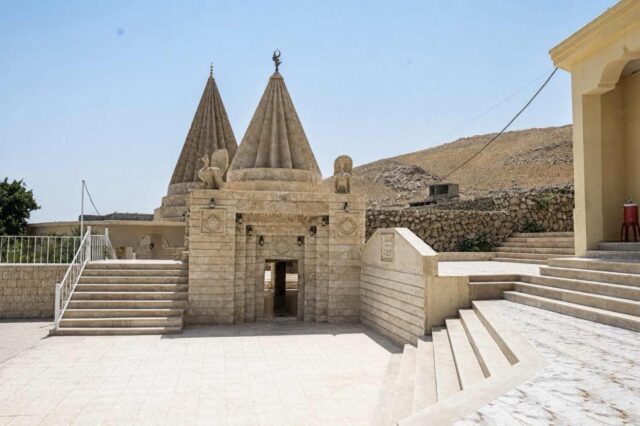
Georgia has long been home to an Ezidi population with its own cultural, linguistic and religious heritage. The 2024 census now records fewer Ezidis than a decade earlier, raising questions about migration, assimilation, demographic change and the future preservation of Ezidi identity in the country.