


Ezidi Holidays

Never Forget the Past, for It Loves to Repeat Itself

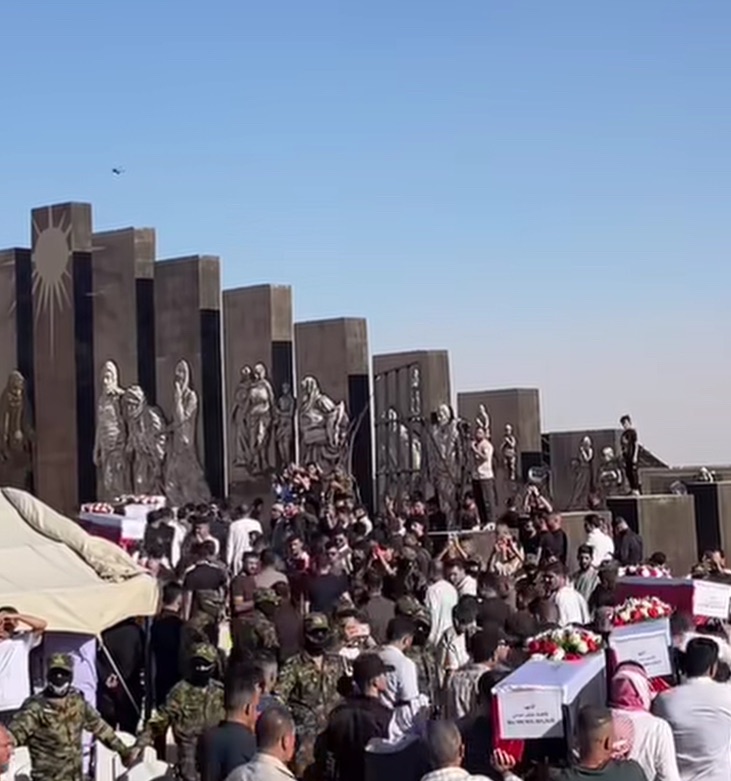
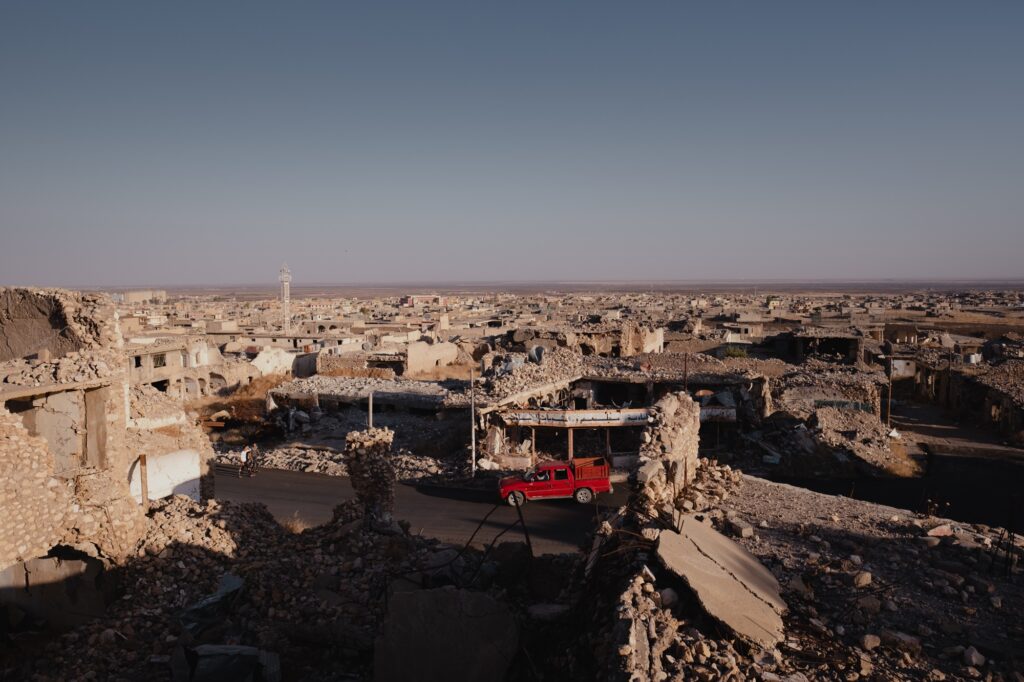
Humanity walks through history carrying the ashes of its own crimes. Every stone laid at memorials like Tsitsernakaberd whispers of lives extinguished and of promises broken — never again, we say, yet again and again, we fail. As the eternal flame burns for the Armenians of 1915, it casts a shadow that reaches Sinjar, where the Ezidi people still suffer the consequences of the genocide ISIS unleashed in 2014. Eleven years later, the wounds remain unhealed, deepened by betrayal, neglect, and cynical politics. How many more memorials must we build before we finally understand that remembrance is not enough — justice and protection must follow, or the cycle will never end?

Ezidi Times — July 2025

The Imperial War Museum in London opened Unsilenced: Sexual Violence in Conflict, the UK’s first major exhibition on wartime sexual violence, running through November 2. It includes testimony and artefacts from Ezidi women enslaved by ISIS, alongside other global cases, raising awareness of survivors’ struggle for justice. The Free Ezidi Foundation contributed to the exhibition.

Once a Terrorist = Always A Terrorist

Two former Ezidi women enslaved by ISIS expose the dark past of Syria’s interim leader Ahmed al-Sharaa, warning the West not to trust a man who once walked among jihadi commanders and presided over unspeakable horrors. Their testimony challenges the narrative of reform and calls for vigilance against repeating history.

ISIS Victims Accept Christian Aid, Not Christian Conversion

The Ezidi people endured brutal attacks in 2014 when ISIS forcibly displaced them from their ancestral homeland in northern Iraq, killing and enslaving thousands. ISIS falsely accused the Ezidis—whose ancient religion, Sharfadin, has roots in Mesopotamia—of worshipping Satan. After the military defeat of ISIS, many Ezidis remained in United Nations camps for internally displaced persons, relying heavily on humanitarian assistance.

USAID Funding Cuts Leave Ezidi Displacement Camps in Crisis

The Ezidi people, an ancient ethnic and religious group from northern Iraq, continue to face dire conditions in displacement camps years after ISIS attacks forced them from their homes. The reduction in funding from the U.S. Agency for International Development (USAID) has severely impacted reconstruction efforts, access to medical care, and essential services in camps where many Ezidis remain internally displaced.

The Shared Struggles of Ancient Peoples

Ezidis can learn the vital importance of preserving their sacred faith of Sharfadin. Justice and recognition require courage and unity—not just from within the Ezidi people but also through building solidarity with other ancient peoples facing similar struggles. Though the wounds run deep, hope remains in the power of cultural survival and the determination to secure a future where the Ezidis’ dignity, heritage, and rights are fully respected and protected.

Zara: The Ungrateful Child of Ezdixan

Zara’s recent actions expose not just a troubling detachment from her Ezidi heritage, but a blatant disregard for the dignity and struggle of the people to whom she owes her very identity. In an era where the Ezidi people are still recovering from genocide and fighting for recognition, Zara has chosen not to stand with them, but to turn her back entirely—trading ancestral truth for political relevance and shallow applause. Her repeated shifts in self-identification—from Armenian to Russian, and now opportunistically Kurdish—suggest not evolution, but erasure. Even worse, her public alliance with individuals who have openly blasphemed the sacred tenets of the Sharfadin faith crosses a moral line. This is not neutrality—it is betrayal.

They Turned Us Into the Enemy of Our Own Children

Since the 2014 genocidal ISIS attack, the Ezidi people still face a devastating and existential crisis. Most of the focus has been directed towards the atrocities committed against the women, and unfortunately, the fate of the abducted Ezidi boys is rarely discussed. It is unclear why this horrendous part of the genocide campaign receives so little attention. Perhaps no one knows they are still alive. But one fact remains: these Ezidi boys have come to hate us — the Ezidis — because ISIS has indoctrinated them to do so.

Trial Regarding Ezidi Genocide to Begin in Munich

Trial Against Couple Accused of Enslaving and Abusing Ezidi Children Under IS to Begin Tomorrow in Munich (München), Germany, for keeping two Ezidi girls aged five and twelve under the rule of the so-called Islamic State (IS). The crimes took place between 2015 and 2017 in Iraq and Syria. The charges include genocide, reflecting IS’s targeted campaign against the ancient Ezidi people, who follow the Sharfadin religion.

Close