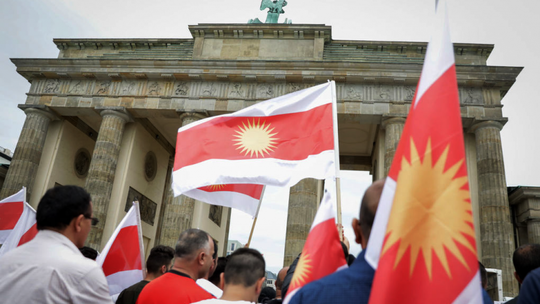
Happy Ezidi New Year – 6775
Today is the Ezidi New Year 6775 — a celebration of life, tradition, and the enduring strength of our people....
In a landmark step toward long-overdue justice, over 15,000 Ezidis living in 11 settlements near Sinjar (Shingal) in Nineveh Province have begun receiving official title deeds to their homes. This unprecedented recognition follows decades of systematic denial and displacement stemming from the Ba’ath regime’s Arabization campaign in 1975.
The Unicode Consortium has made significant progress in digital representation by including the Ezdiki script (Ezidi language) in its Unicode Standard. This ensures that the unique characters and symbols of the Ezdiki language are now consistently displayed across digital platforms like websites, apps, and social media.
Having more educated and well-established individuals benefits all Ezidis (mlete Ezdia) across the world. With more empowered Ezidis, we stand a better chance of protecting ourselves, having our voices heard internationally, and perhaps even achieving our collective dream of rebuilding our ancestral homeland, Ezdixan. But we cannot achieve this by relying solely on men. We need both male and female Ezidis who are educated, respected, and hold high-level positions. That is the path to true success and prosperity. Forcing girls into early marriages solely to bear children—children who, due to a lack of access to proper education and career development, are unlikely to become strong contributors to our society—while expecting men to shoulder all the burden, is naïve. Just look at any successful nation: observe how their women equally contribute to solving collective problems. See how strong and prosperous those societies are.
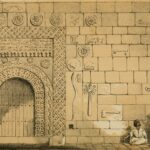
Political and Historical Prostitution Between Armenia and the Kurds – Ezidi Times looked deeper into what exactly this exhibition showcased and was shocked to find that those “historical documents and photographs of Kurdish and minority communities” were materials related to the Ezidis and Assyrians. The few materials that were labelled as “Kurdish” were actually Ezidi documents and photographs, which had been fabricated or wrongly labelled as “Kurdish.”
A new Sky News documentary reveals the devastating reality that, ten years after the Ezidi genocide, many Ezidi women remain...
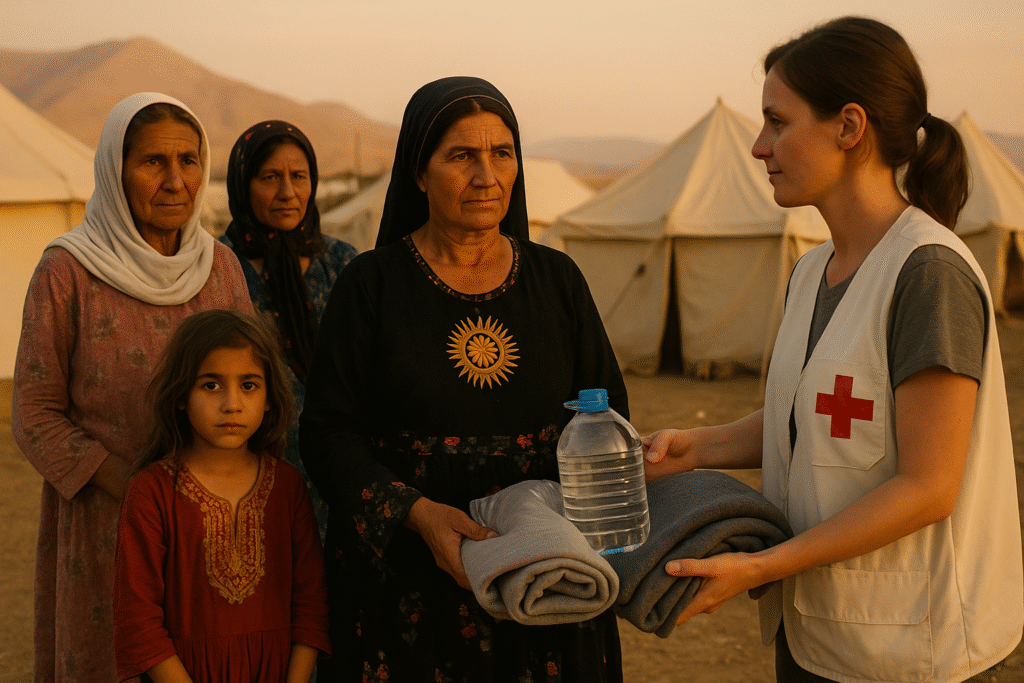
Many Ezidis remain unable to return to their homeland in Sinjar due to ongoing insecurity, political tensions, and the destruction left behind. Thousands continue to live in camps with limited access to education, healthcare, and employment opportunities. Even those who have managed to return face immense hardships, with homes in ruins, infrastructure in poor condition, and economic instability making survival difficult. Justice remains elusive, as many perpetrators of the genocide are still free, and international attention has largely faded, leaving survivors feeling abandoned.
Mayada was only 11 when ISIS stormed her village, tearing her from her family and selling her into slavery. For three years, she endured relentless abuse, passed from one captor to another like a commodity. Yet, despite the horror, she never lost hope. After five failed escape attempts, she finally broke free, navigating landmine-ridden terrain to reach safety. Now, years later, she is not just a survivor—she is a voice for justice, determined to fight for those still in captivity.
Ezidi Times is honoured and happy to share with you this exclusive interview we have prepared with five amazing and inspiring Ezidi women. Thank you to Diana Kalashova, Natia Navrouzov, Amina Begoeva, Zemfira Dilovani, and Golian Ezdin. Thank you for making all Ezidis proud and being exceptional representation of the Ezidi people.
The Office of the Rescued Ezidi Prisoners has released the devastating statistics regarding the atrocities committed by ISIS against the Ezidi people on August 3, 2014. According to their report, over 5,000 Ezidis were killed, and 6,371 were abducted, with many still unaccounted for. These numbers only reflect those who have been identified; the fate of many more Ezidis remains unclear.
On March 3, 2025, 42 Ezidi families, displaced during the 2014 ISIS onslaught, returned to their homeland in Shengal after living for over a decade in Çem Mişko Camp in Duhok. The families, totaling 163 individuals, resettled in the Digur sub-district and the villages of Sêkêniye and Rembûsî. This marks another step in the ongoing process of repopulating Shengal, as many more families are expected to return in the coming days.
The Ezidi people, who suffered horrific violence at the hands of ISIS in 2014, feel ignored by the government. Many Ezidis do not trust Iraq’s army or the Kurdish forces, which failed to protect them during the ISIS attacks. A recent decision to return Sunni Arab displaced persons (IDPs) to Sinjar led to protests, as many Ezidis saw it as a reminder of their trauma and the government’s lack of understanding.
A 15-year-old Ezidi girl has revealed a disturbing plot by the PKK after escaping from the group. In her testimony, she explains that the PKK, facing difficulty recruiting young fighters, has resorted to abducting Ezidi children in Syria, forcing them into their ranks.
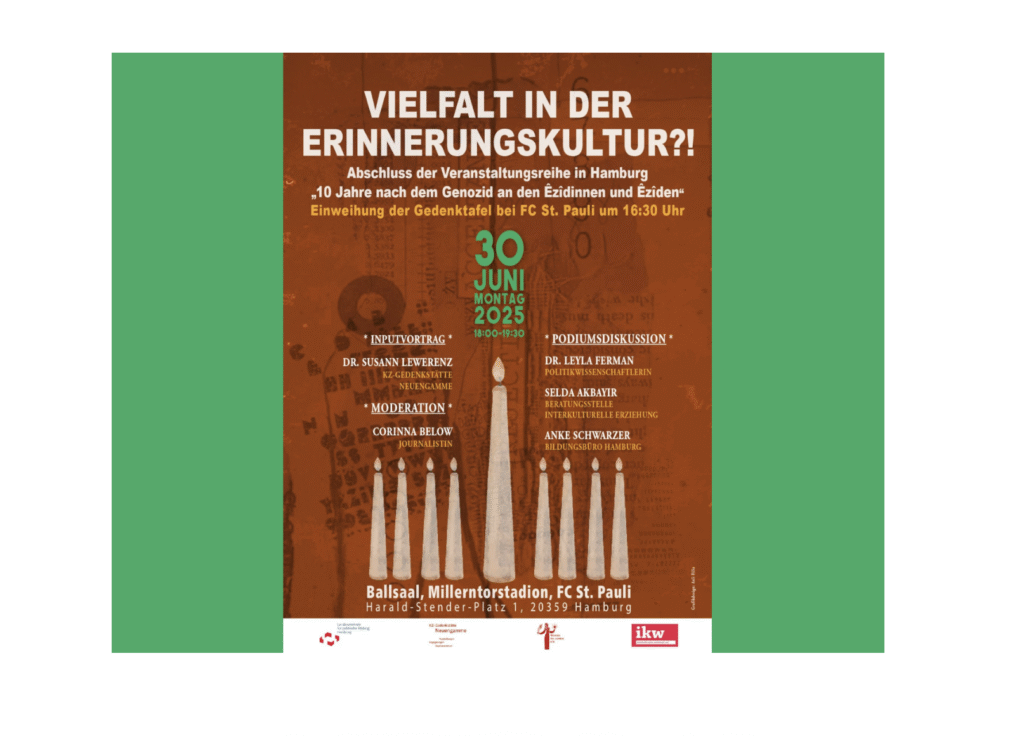
Event Details
• Location: Palazzo San Daniele, Polo del ‘900, Piazzetta Antonicelli, Turin
• Dates: March 1–22, 2025
Explore the ancient monotheistic religion of Sharfadin, its belief in a single God and seven Archangels, the Ezidi caste system, and the myths surrounding Tausi Malak. Learn about the core principles of Sharfadin and the truth behind common misconceptions.
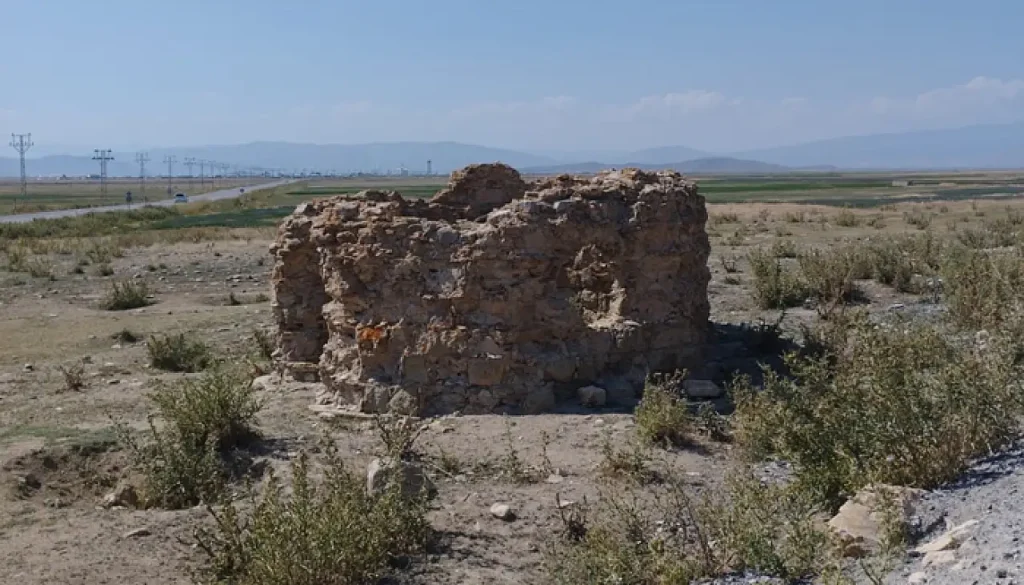
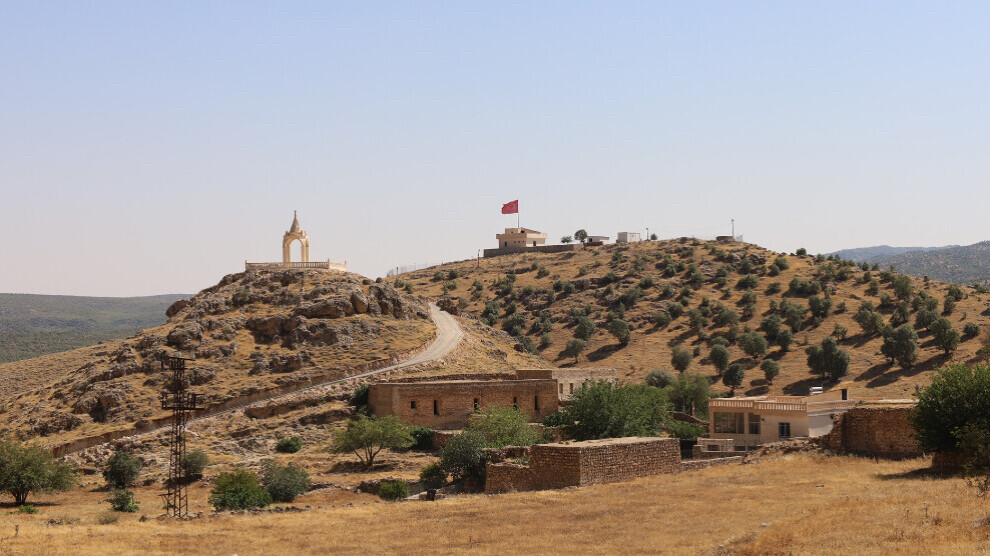
Ezidis who fled Turkey’s Batman province in the 1990s due to conflict are facing new obstacles as they attempt to reclaim their ancestral land. Despite court rulings in their favor, their property in Kuşçukuru (Kelhok) village has yet to be returned.
A proposal has been introduced in the Italian Parliament calling for the recognition of the genocide committed against the Ezidi people by ISIS in 2014. The move comes after years of international debate and growing calls for justice for the Ezidis, who endured unspeakable atrocities at the hands of ISIS during their brutal assault on Shengal (Sinjar), Iraq.
The remains of 32 Ezidi genocide victims, massacred and buried in mass graves by ISIS in 2014, have been returned to Sinjar for burial.
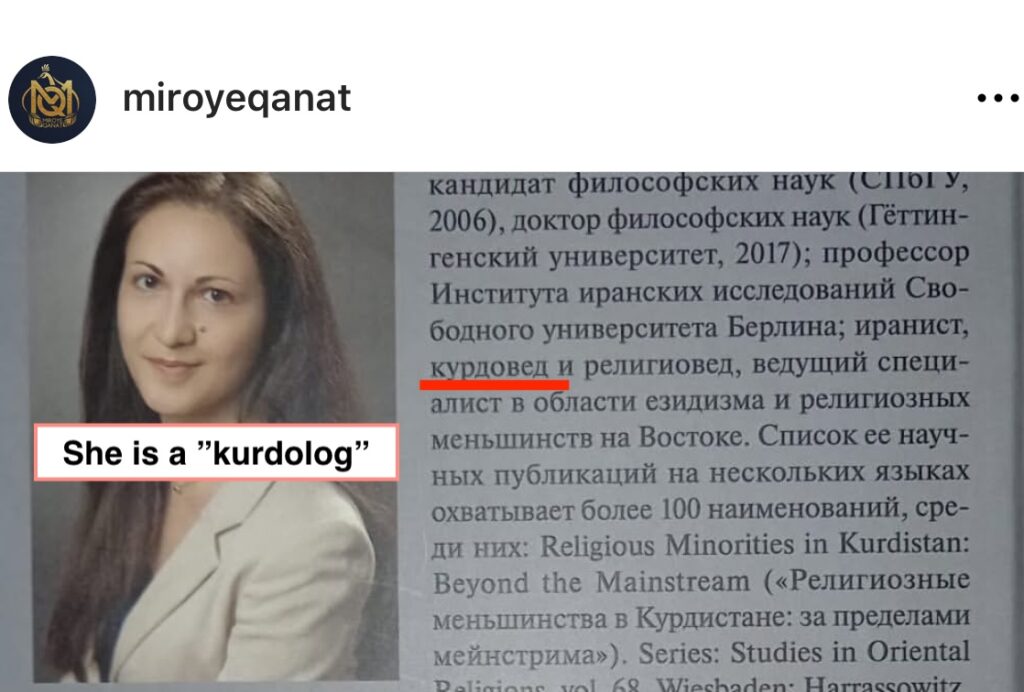
Some so-called academics spread false information about Ezidis, repeating extremist ideas. Ezidi Times encourages readers to stay alert and help stop the spread of these harmful myths.
The prosecutor has appealed the Stockholm District Court’s verdict against Lina Ishaq, who was convicted of genocide, crimes against humanity,...