


US Aid Cuts Leave Ezidi Survivors in Humanitarian Crisis
The abrupt suspension of US aid to Iraq has left thousands of Ezidi genocide survivors stranded in displacement camps, stripped of vital mental health, protection, and humanitarian services.
Section
The abrupt suspension of US aid to Iraq has left thousands of Ezidi genocide survivors stranded in displacement camps, stripped of vital mental health, protection, and humanitarian services.
Efforts to trace thousands of Ezidis abducted during the 2014 Sinjar genocide remain stalled amid political inertia and structural obstacles, a new report reveals. More than a decade after the Islamic State’s…
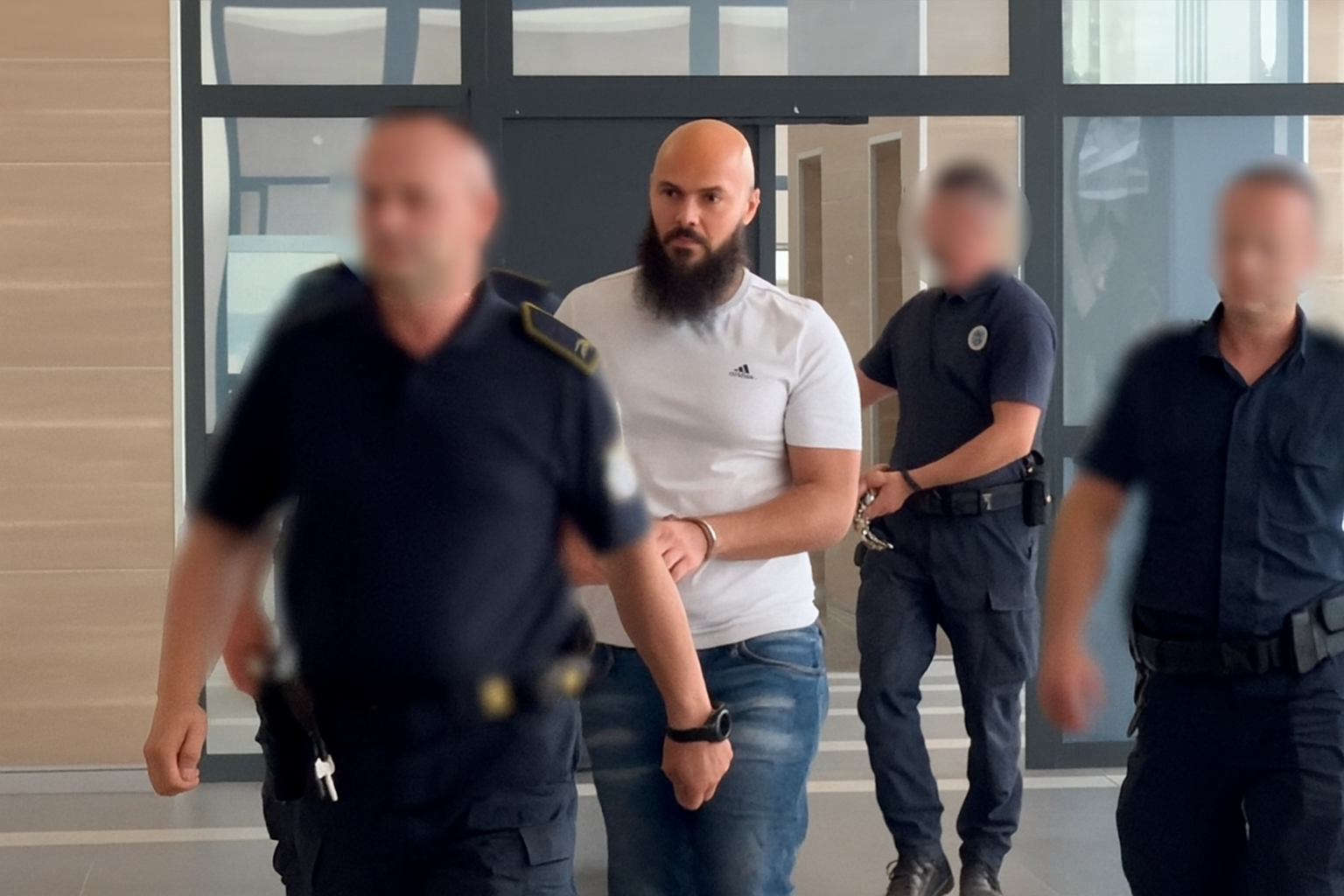
The Center Genocide in Kosovo – An Open Wound has strongly criticized the Basic Court of Pristina for convicting former ISIS fighter Murat Dërnjanin of crimes against humanity, rather than genocide, despite clear international…
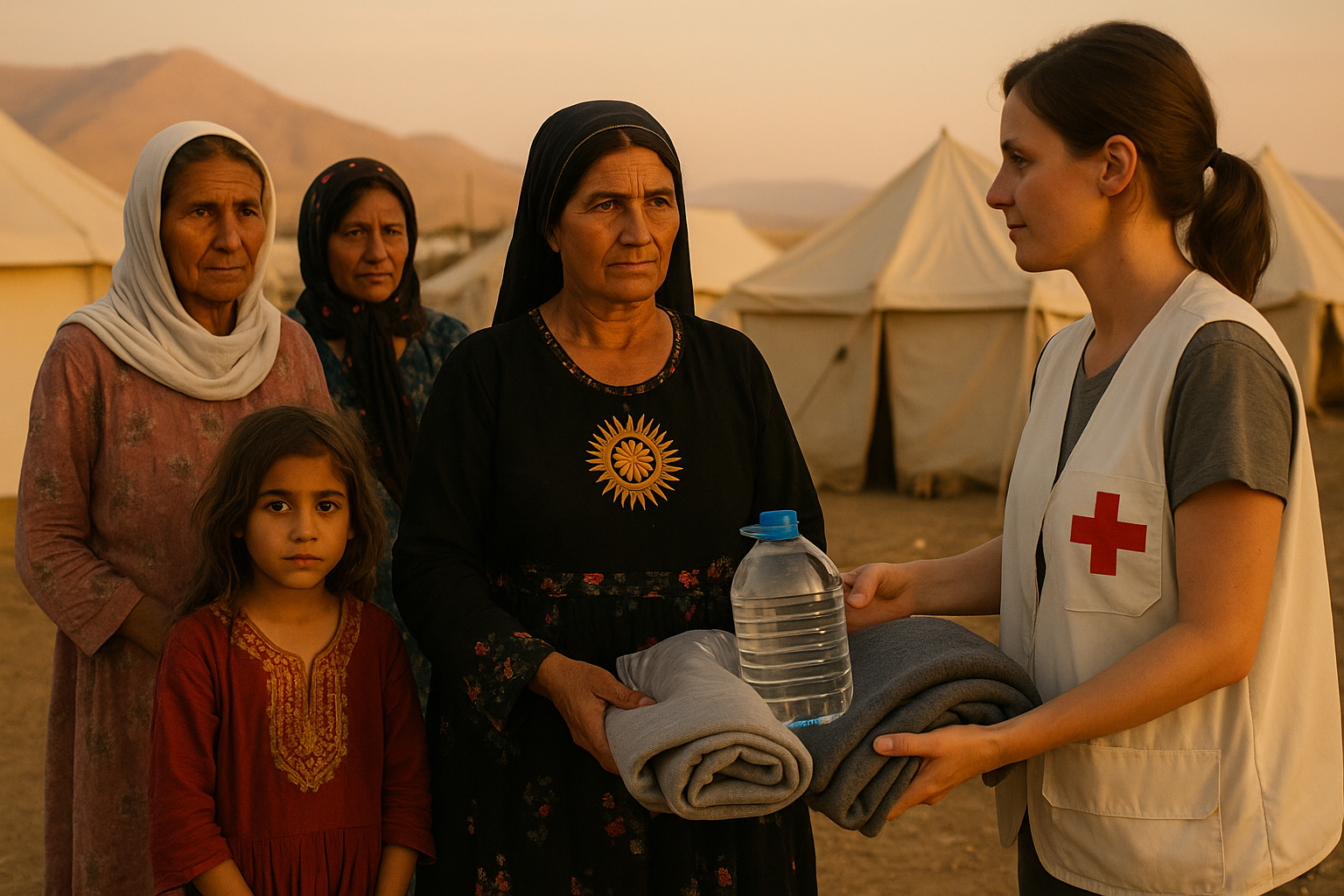
The Ezidi people endured brutal attacks in 2014 when ISIS forcibly displaced them from their ancestral homeland in northern Iraq, killing and enslaving thousands. ISIS falsely accused the Ezidis—whose ancient religion, Sharfadin,…
The Ezidi people, an ancient ethnic and religious group from northern Iraq, continue to face dire conditions in displacement camps years after ISIS attacks forced them from their homes. The reduction in…
Earlier this year, the United States dismantled its foreign aid agency, USAID, cutting billions of dollars in humanitarian and development support in Iraq. This decision has already left some of Iraq’s most…
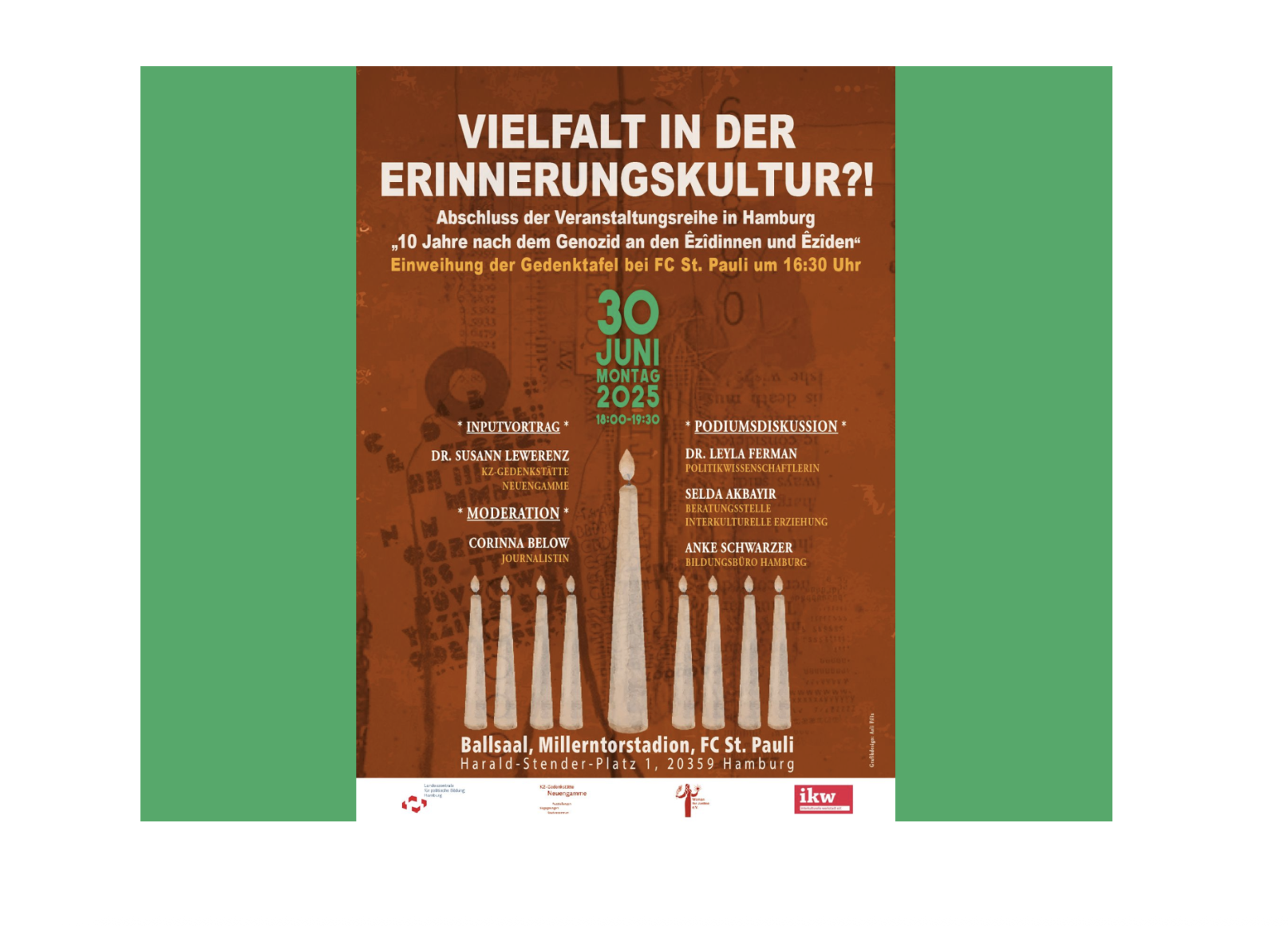
On 30 June 2025, the months-long Hamburg event series “Ten years after the genocide against the Ezidis | Remembering – Coming to terms – Consequences” came to a close. Since August 2024, Women for Justice…
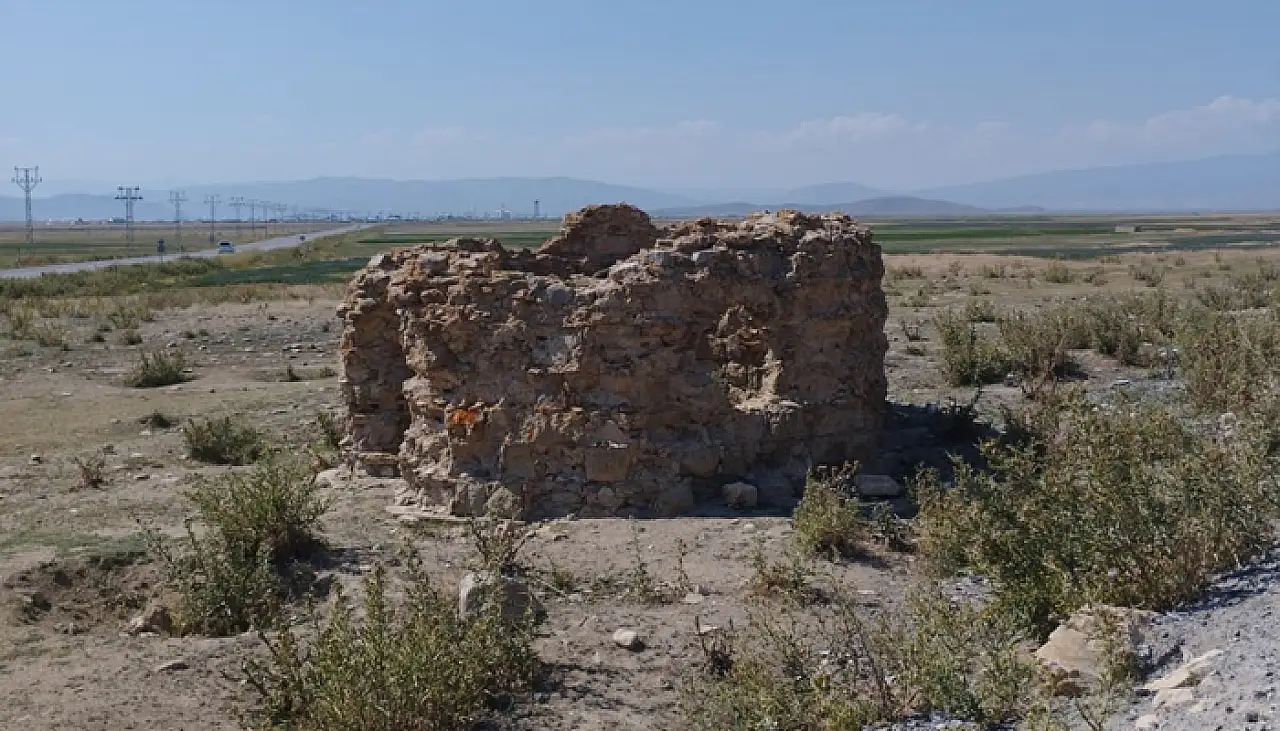
Alikelle, Çaldıran, Turkey The cultural and religious heritage of the Ezidi people in eastern Turkey is facing quiet erasure. In the Alikelle district of Çaldıran, ancient Ezidi cemeteries—considered sacred in the Sharfadin faith—are…
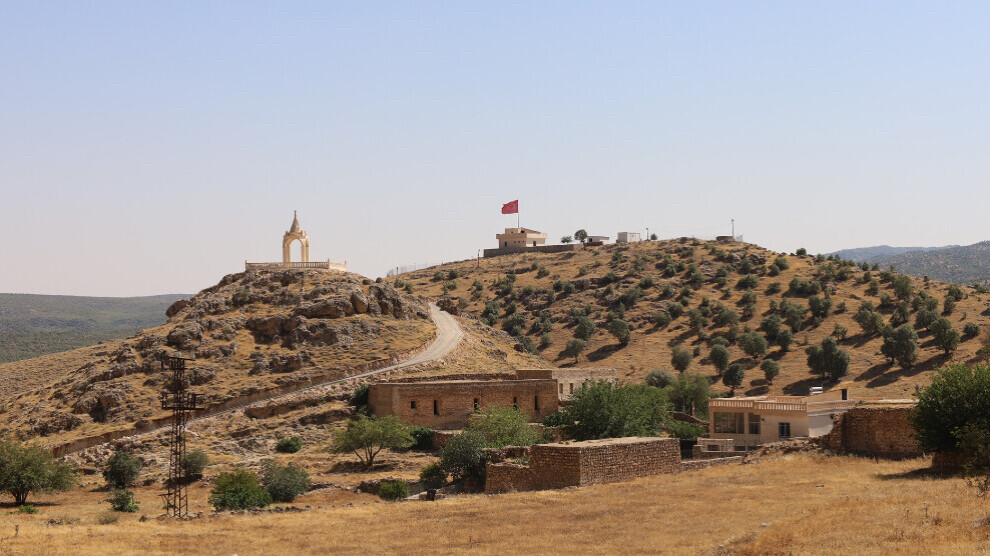
Kiwex, Idil, Turkey In the heart of the historic Ezidi village of Kiwex, located in the İdil district of Şırnak province, construction of a new military post has begun — triggering protests from…
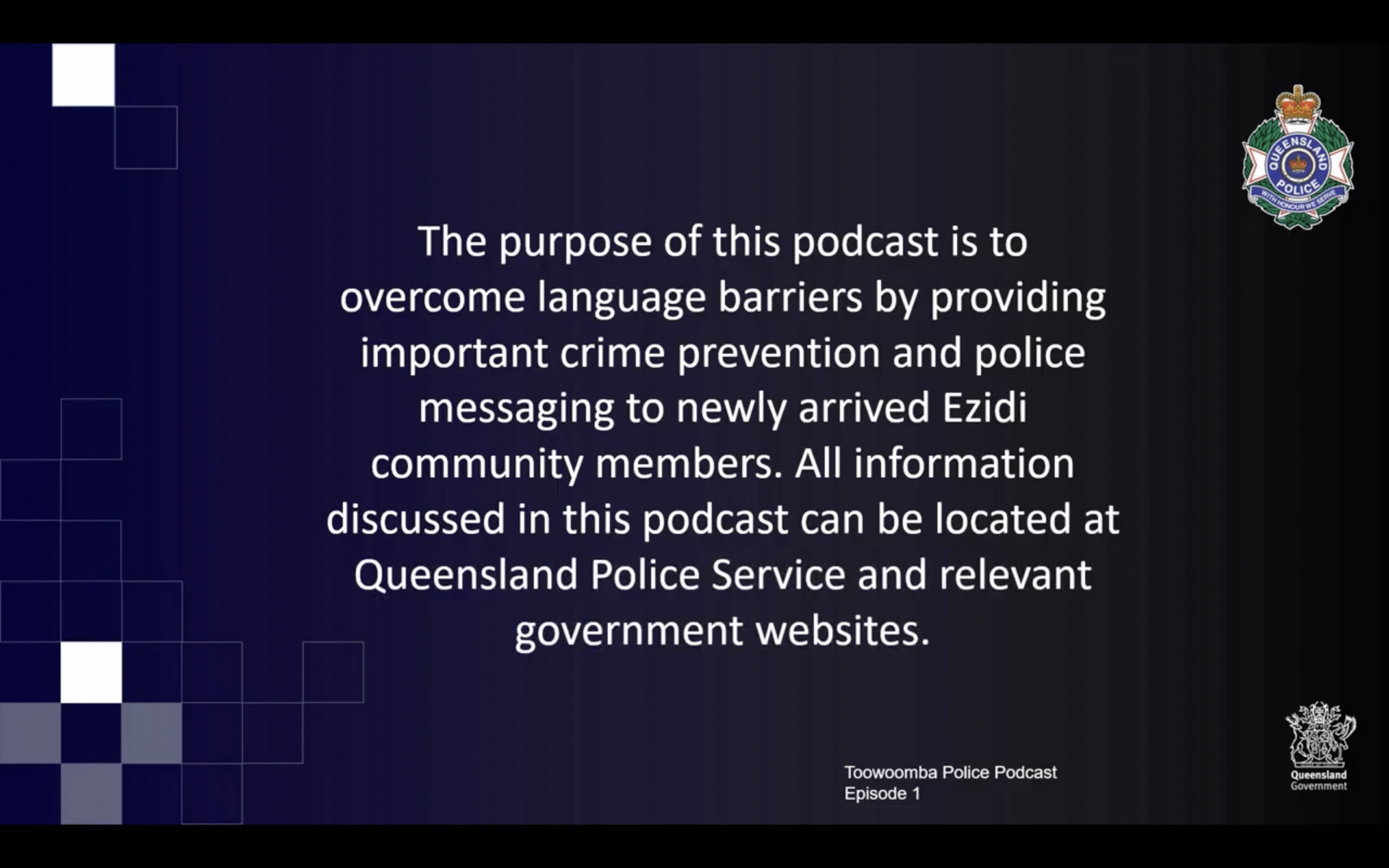
On June 12, 2025, the Queensland Police Service (QPS) released the first episode of the "QPS Toowoomba Ezidi Podcast", a new initiative aimed at supporting the Ezidi people in Toowoomba. The podcast provides…
The Diplomatic Committee of the Ezidi Free Women's Movement (TAJÊ) has issued an urgent appeal to the Iraqi President and key international bodies, calling for the identification of 19 Ezidi women burned…

Ezidis can learn the vital importance of preserving their sacred faith of Sharfadin. Justice and recognition require courage and unity—not just from within the Ezidi people but also through building solidarity with…
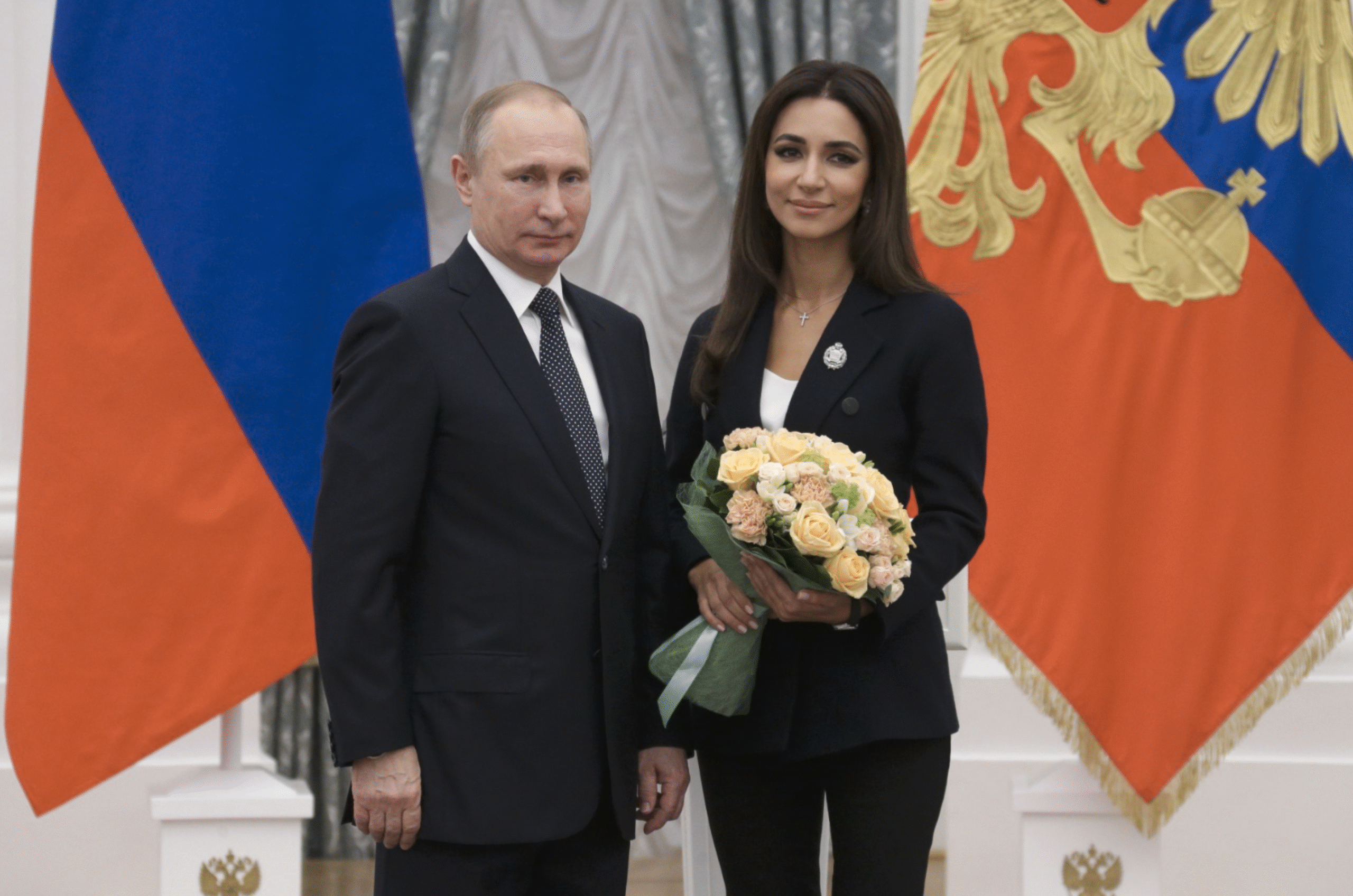
Zara’s recent actions expose not just a troubling detachment from her Ezidi heritage, but a blatant disregard for the dignity and struggle of the people to whom she owes her very identity.…

Preserving Our Roots: The Vital Work of Mecrûm Sûlêymanov and Kitêbxane Ezidi Times warmly recommends the YouTube channel Kitêbxane to all readers who want to deepen their knowledge of Ezidi traditions, history, and identity.…
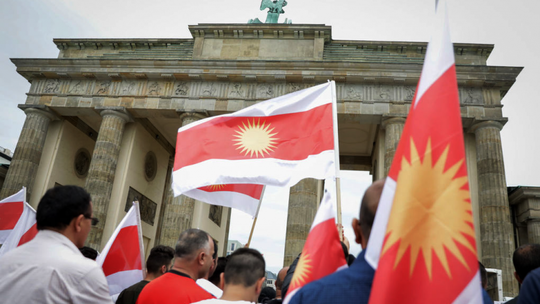
While many peoples throughout history have formed, merged, created languages and religions, and then gradually dissolved into larger populations and states, the Ezidis remained loyal to their traditions and faith, preserving their…

Since the 2014 genocidal ISIS attack, the Ezidi people still face a devastating and existential crisis. Most of the focus has been directed towards the atrocities committed against the women, and unfortunately,…
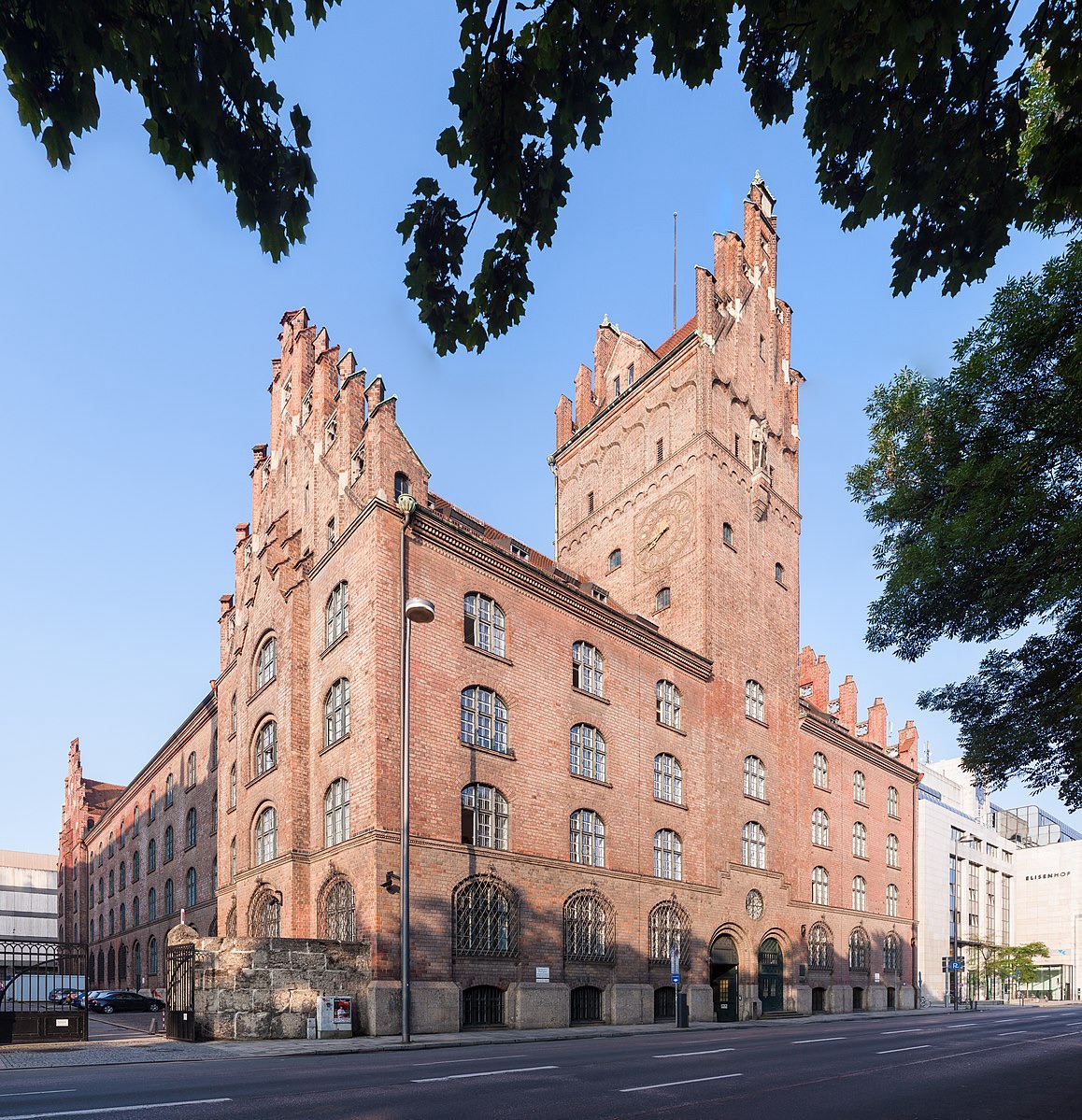
Trial Against Couple Accused of Enslaving and Abusing Ezidi Children Under IS to Begin Tomorrow in Munich (München), Germany, for keeping two Ezidi girls aged five and twelve under the rule of…

When Did the Ezidi Victims of Genocide Become Kurds? Rudaw and their active Kurdish propaganda is an insult to all journalists Since when did the women, children, and men who suffered through…

It is bizarre, uneducated, and a sign of very low IQ if people think they can decide the ethnic identity of a group based on political bias. An Ezidi is identified through…
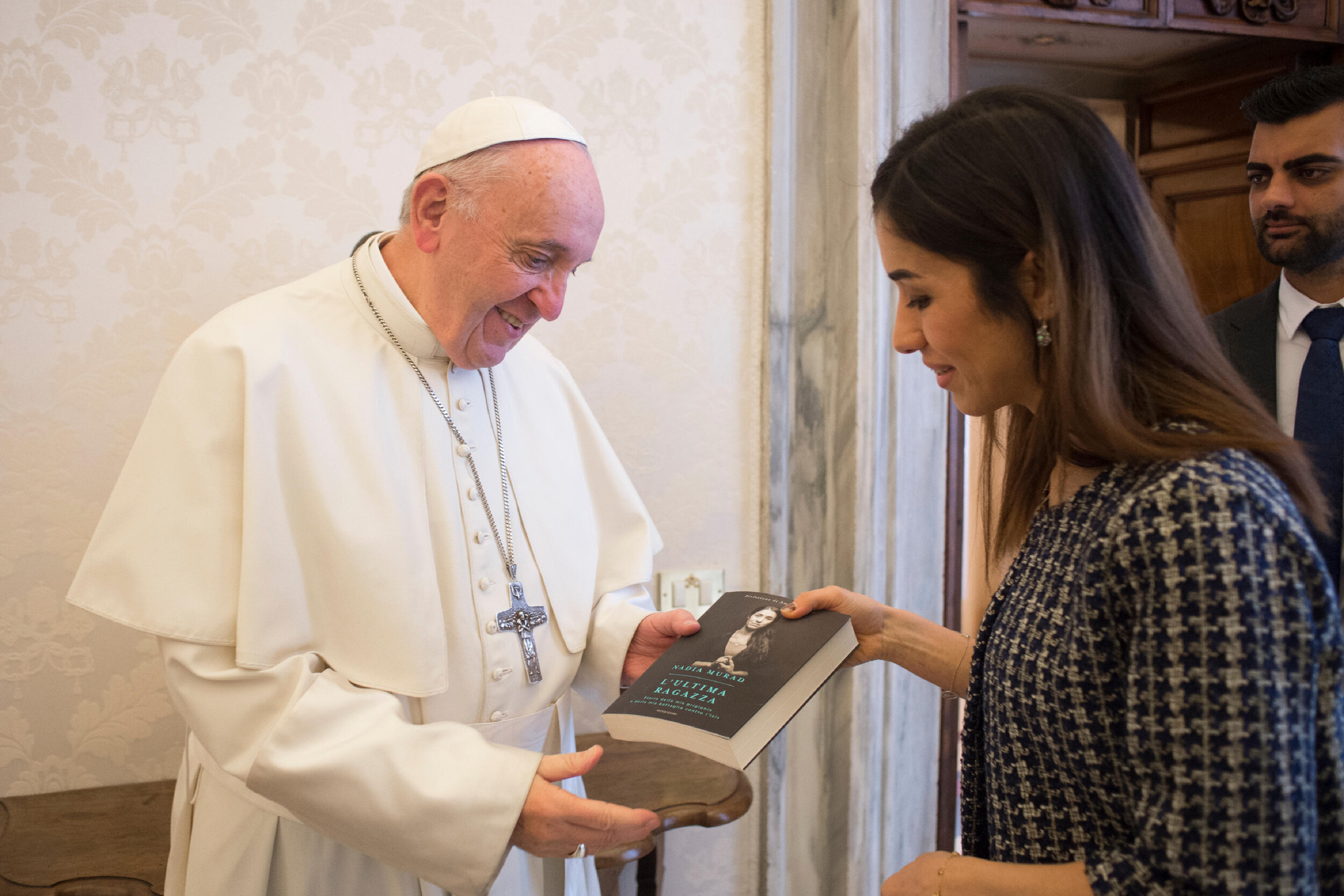
The death of Pope Francis closes a deeply human chapter in the history of the Church. For the Ezidis, he will be remembered as a moral ally who gave voice to their…