
BAGHDAD, Iraq
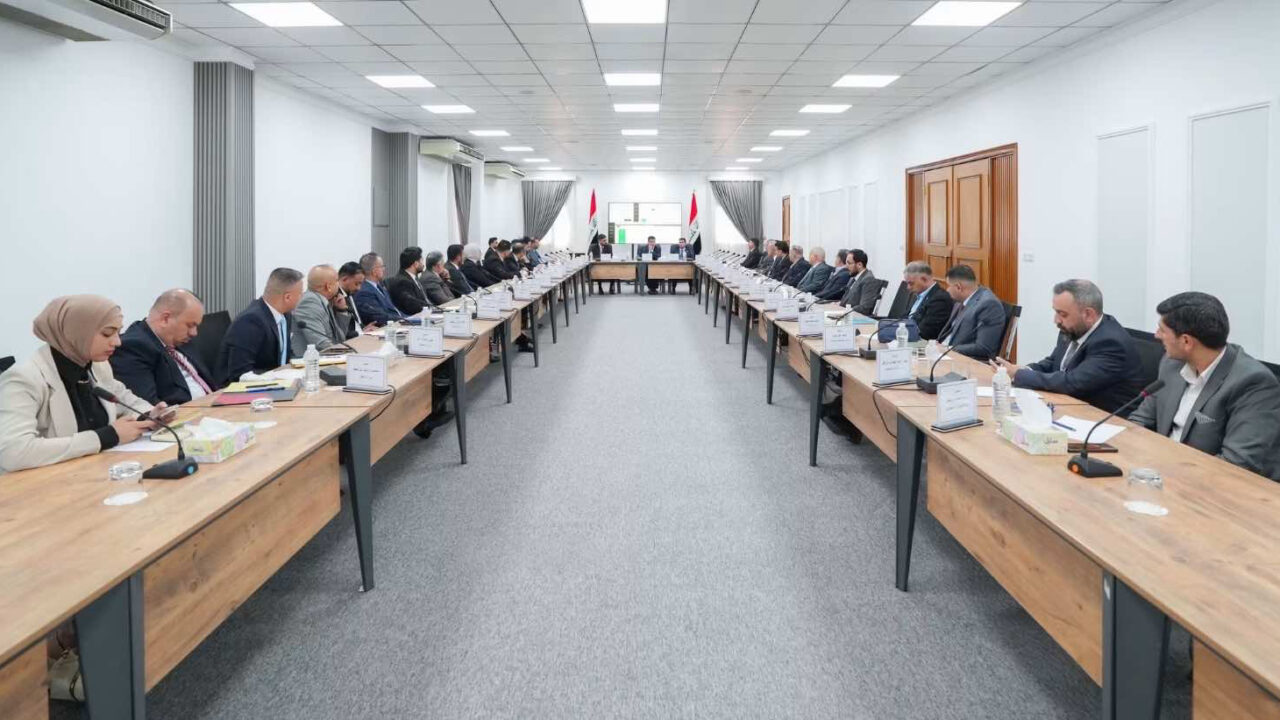
Iraqi judicial authorities have completed the interrogation and statement-taking phase involving more than 5,700 detainees transferred from Syria earlier this year over alleged links to ISIS, while testimony from Ezidi survivors has been submitted for use in individual criminal cases.
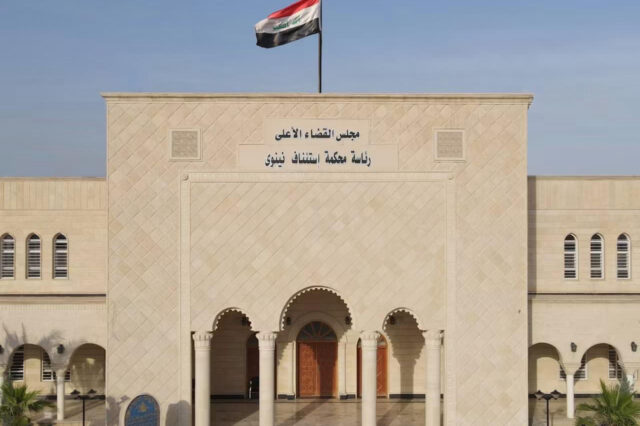
Ali Hussein Jafat, head of the National Center for International Judicial Cooperation (NCIJC), said the First Karkh Investigation Court in Baghdad is now examining evidence and linking it to individual case files before completed cases are referred to the competent courts. No trial dates have yet been set.
The detainees were transferred from detention facilities in Syria to Iraqi custody between 21 January and 12 February 2026. US Central Command said more than 5,700 adult male detainees were moved during the operation.
Those transferred include Iraqi and Syrian nationals as well as foreign nationals from other Arab countries, Europe, Asia, Australia and the United States. Iraqi authorities have said proceedings and any decisions on extradition will be handled individually rather than collectively on the basis of nationality.
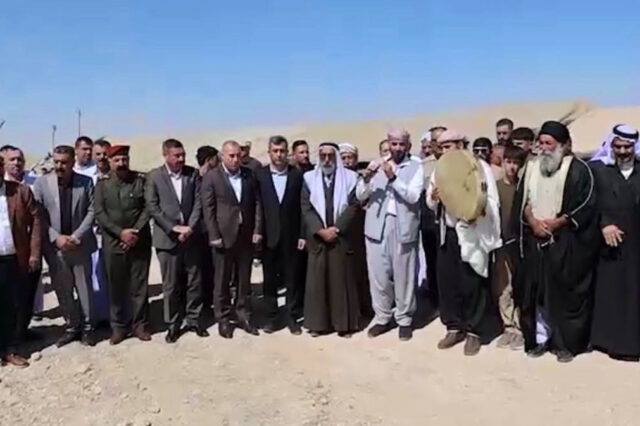
Ezidi survivor testimony enters individual cases
The inclusion of testimony from Ezidi survivors is particularly significant because some of the proceedings may concern crimes committed during the Ezidi Genocide of 2014.
Jafat said survivor statements have been submitted as evidence for use in establishing possible individual responsibility for crimes committed against Ezidis.
ISIS launched its genocidal assault against the Ezidi people in Şengal on 3 August 2014. Thousands of Ezidis were killed and approximately 6,400 women and children were abducted. Women and girls were subjected to sexual slavery and other forms of enslavement, while children were separated from their families and subjected to further abuse and exploitation.
The crimes committed against the Ezidi people have been recognised as genocide by Iraq, the United Nations and a number of other states.
Iraq’s 2021 Ezidi Survivors Law recognises crimes committed by ISIS against Ezidis and other groups covered by the legislation as genocide and crimes against humanity. Jafat indicated that cases concerning crimes against Ezidis would proceed under Iraq’s existing legal framework, including the Anti-Terrorism Law and the 2021 law.
Iraq’s Anti-Terrorism Law provides for the death penalty in terrorism cases. Iraq is not a State Party to the Rome Statute of the International Criminal Court.
Iraqi judicial officials have also stated that defendants will retain procedural rights, including access to legal counsel, the ability to submit requests and appeals, and the right to challenge evidence.
Ezidi Times Analysis: Why the survivor evidence matters
The completion of interrogations does not establish whether particular detainees participated in crimes against Ezidis. That will depend on the evidence presented in individual cases and the findings reached by the courts.
The survivor testimony may therefore become one of the most important elements of the proceedings.
There is a substantial difference between proving that a person belonged to ISIS and proving that the same person participated in the killing, abduction, enslavement or abuse of particular victims. Survivor testimony, when supported by other evidence, may help investigators establish those connections.
This distinction is especially important for accountability for the Ezidi Genocide. A terrorism prosecution based on ISIS membership or participation does not by itself establish responsibility for genocidal acts against Ezidis.
The submission of survivor evidence creates the possibility that crimes against Ezidis will be examined within specific criminal cases rather than only as part of the broader record of ISIS atrocities.
It remains unclear how many of the transferred detainees will ultimately face allegations specifically connected to crimes against the Ezidi people, what evidence courts will accept, or how those crimes will be characterised in individual judgments.
The next stage will therefore show whether testimony and other evidence concerning the Ezidi Genocide can be tied to individual defendants and produce judicial findings concerning specific crimes committed against Ezidis.