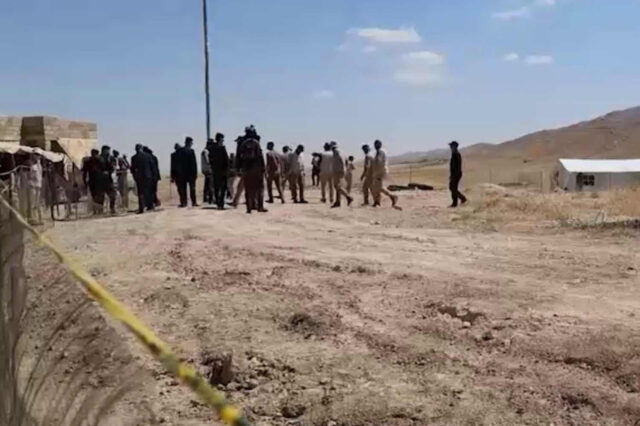

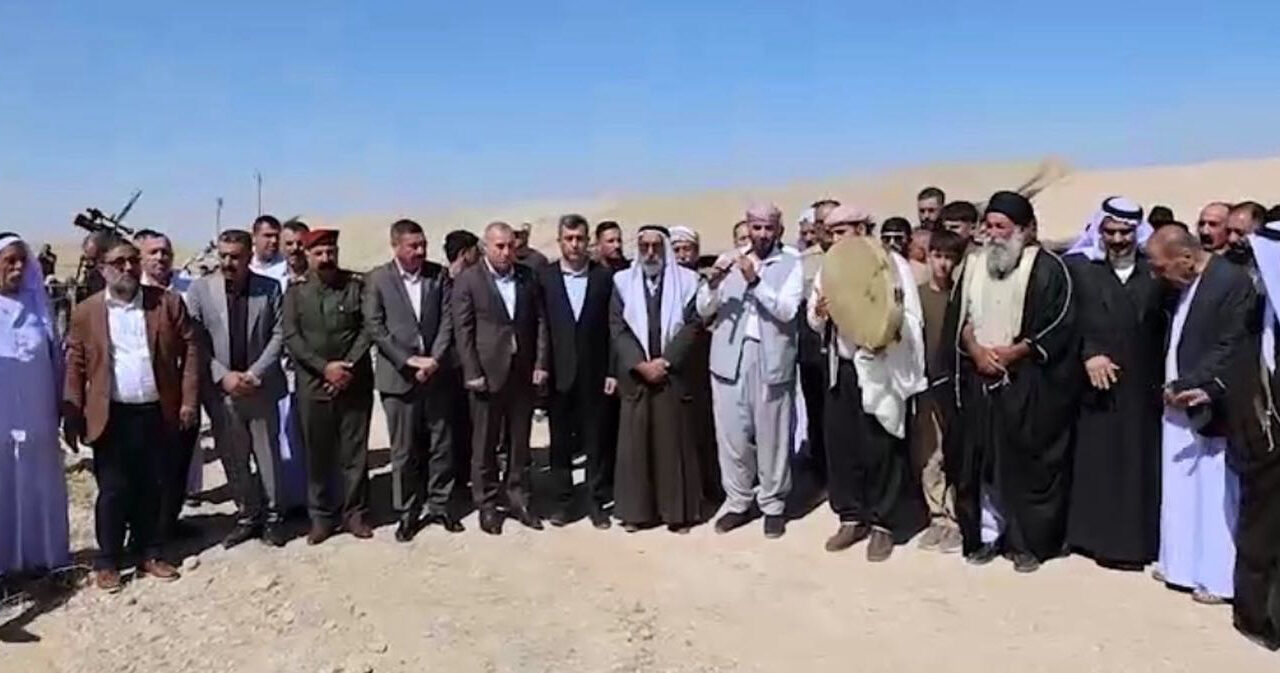
The remains of 25 Ezidi people murdered by ISIS during the Ezidi Genocide of 2014 are scheduled to be returned to their families in Shingal on 1 October, following forensic identification work in Baghdad.
Most of those identified are from Kocho, where ISIS carried out one of the genocide’s gravest massacres. The victims were between 12 and 70 years old. Their remains had been held for more than six years by Baghdad’s Department of Forensic Medicine while the identification process was completed.
The return is expected to be the ninth handover of identified Ezidi victims to their relatives. A commemoration is planned in Shingal before families receive their relatives’ remains and lay them to rest.
The process also has legal significance for the families. The Nineveh Court of Appeal has authenticated the identification records, allowing relatives to obtain death certificates and deal with inheritance and other legal matters that had remained unresolved while their loved ones were missing.
For each family, identification offers the possibility of a funeral and a grave after years of uncertainty. It is also part of the wider effort to recover victims from mass graves, identify the dead and establish the fate of people who disappeared during the genocide.
Iraq’s Parliament discussed the unresolved mass-grave file in August, when officials called for faster exhumations, identification procedures and the return of remains to families. The work remains urgent for the many Ezidi families still waiting for answers.
On 1 October, twenty-five families will be able to lay relatives to rest. Many others are still waiting for the recovery or identification of those they lost.