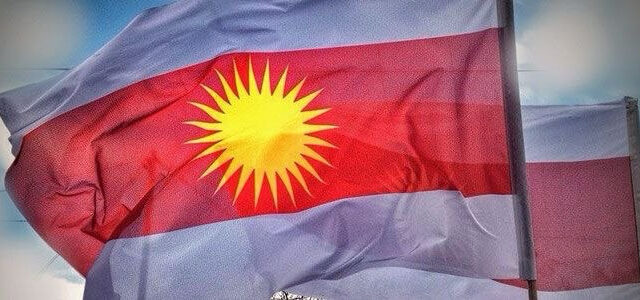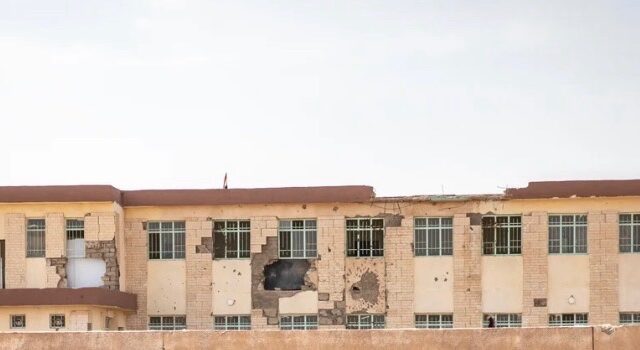
The Ezidis are one of the ancient peoples of the Middle East, with a distinct identity, language, culture, and religious tradition known as Sharfadin. This brief overview introduces their historical homeland, language, literature, and enduring identity as a people.
The Ezidis are one of the ancient peoples of the Middle East. According to estimates that still require clarification, the Ezidi population reaches up to one million people.
Most Ezidis live in their historical homeland, Ezidkhan. In northern Iraq, the regions of Sheikhan, Al-Qosh, the areas surrounding Duhok, and Shingal. Ezidis also live in Syria, the Al-Hasakah Governorate, Qamishli, and Afrin. In Turkey,the regions around Siirt, Mardin, Nusaybin, and Viranşehir, only a small number of Ezidis remain.
One of the largest Ezidi populations once lived in the former Soviet Union, particularly in Armenia and Georgia. Following the collapse of the USSR, many Ezidis relocated to Russia, Ukraine, and European Union countries. Large Ezidi populations can also be found in Germany, France, the Netherlands, and Belgium.
The native language of the Ezidis is Ezdiki Êzdîkî and belongs to the western branch of the Iranian language group. A rich body of religious poetry exists in this language, including sacred texts such as qewls and beits, which serve as important sources for the study of the Ezidi religion, Sharfadin. In addition to religious literature, there is also secular literature, much of which was created by Ezidis from Georgia and Armenia during the Soviet era.
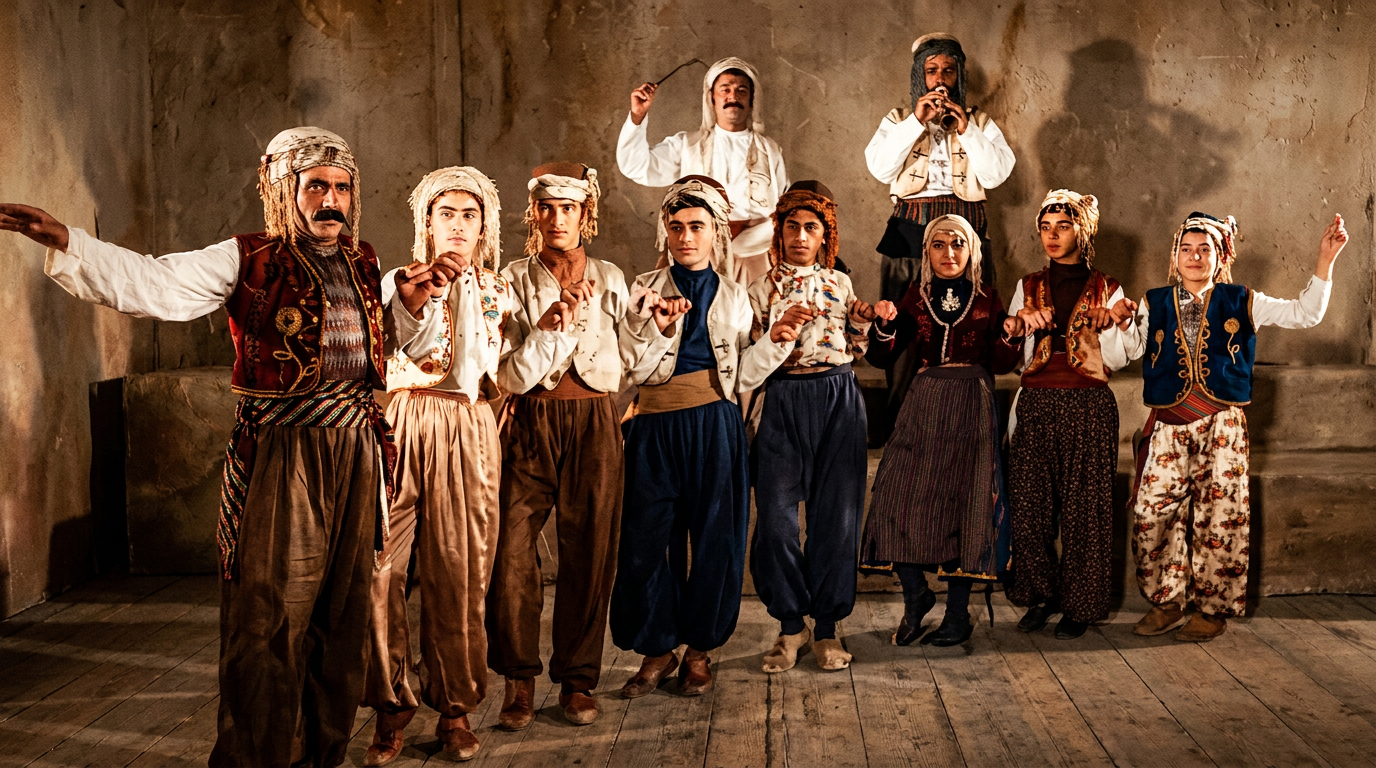
Although Ezidis and many Kurds speak the same language, Ezidis and Kurds developed over centuries as distinct ethnic groups. The Ezidis formed a unique social and cultural structure and became a relatively closed theocratic society, shaped historically by persecution from radical representatives of the dominant religions in the region.
In the twentieth century, some representatives of the Ezidi intelligentsia increasingly began identifying themselves as Kurdish Ezidis, although they represented a minority among Ezidis. This was influenced by policies promoting ethnic unification and by the shared language, while the identity of the majority of Ezidis was often overlooked. Today, as in the past, a significant number of Ezidis identify themselves as a distinct ethnic people, which is reflected in the census results of Georgia, Armenia, Russia, and Belarus.
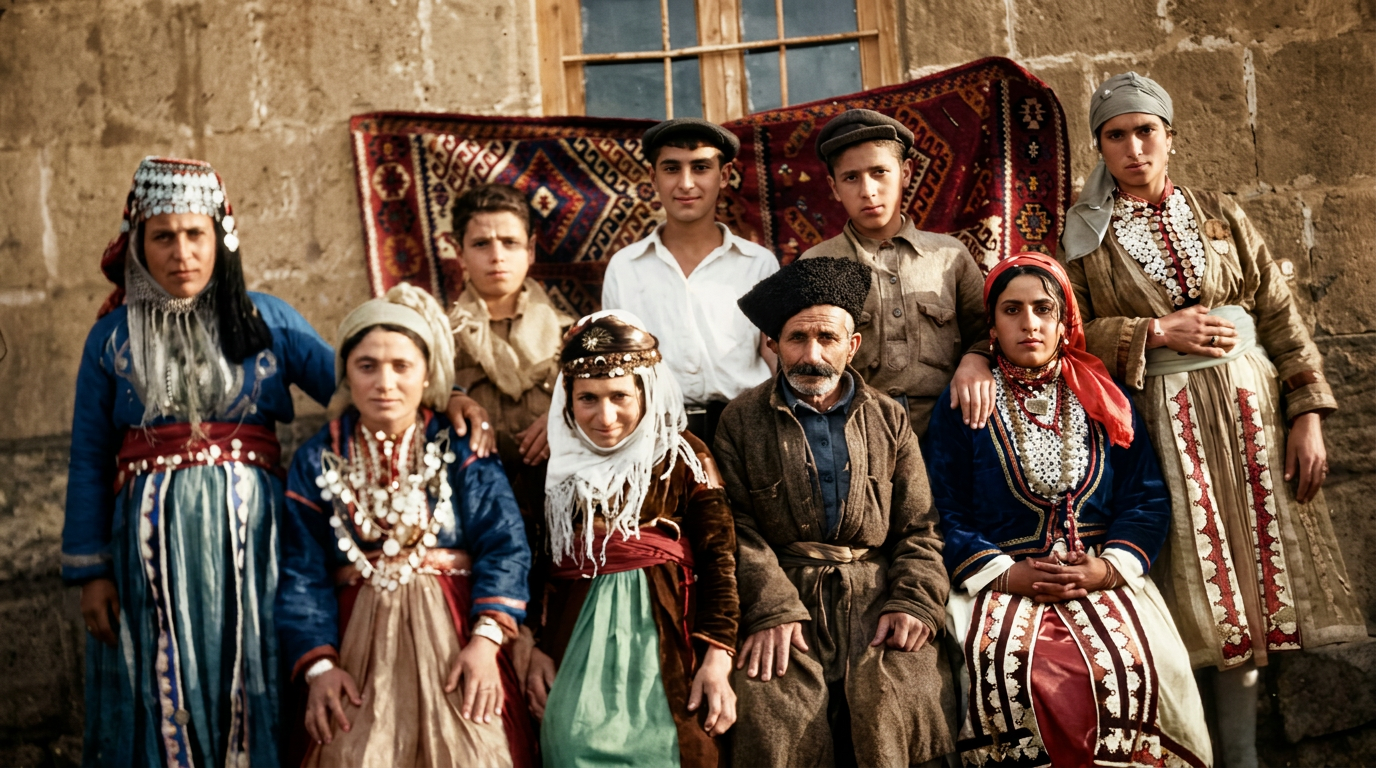
Source: Yezidi Serhed
To get updates and information about Ezidis and the Sharfadin religion; follow and show your support for the Yezidi Sarhad channel on Telegram.