
Residents of the Ezidi village of Bacînê in Midyat have strongly rejected the approval of a solar power plant project planned on pastureland near their village, warning that the decision threatens their land, their return process, their livelihoods, and the cultural and religious memory attached to the area.
The project is planned on approximately 22 hectares of land located close to the village. According to information forwarded by residents, the area is used as pastureland and lies only a short distance from homes in Bacînê. Residents say the land is not an empty or unused area, but part of the village’s living environment, agricultural structure, and ancestral landscape.
The project was allowed to move forward after Turkey’s Council of State upheld a lower court ruling that approved the project. The Ministry of Environment, Urbanization and Climate Change had previously decided that an Environmental Impact Assessment was “not necessary.” Residents challenged that decision, arguing that the pasture status of the land, the ecological consequences, the effect on livestock, and the cultural significance of the area had not been properly examined.
The approval has caused deep anger among Bacînê residents, who say the project is being imposed on them despite their objections.
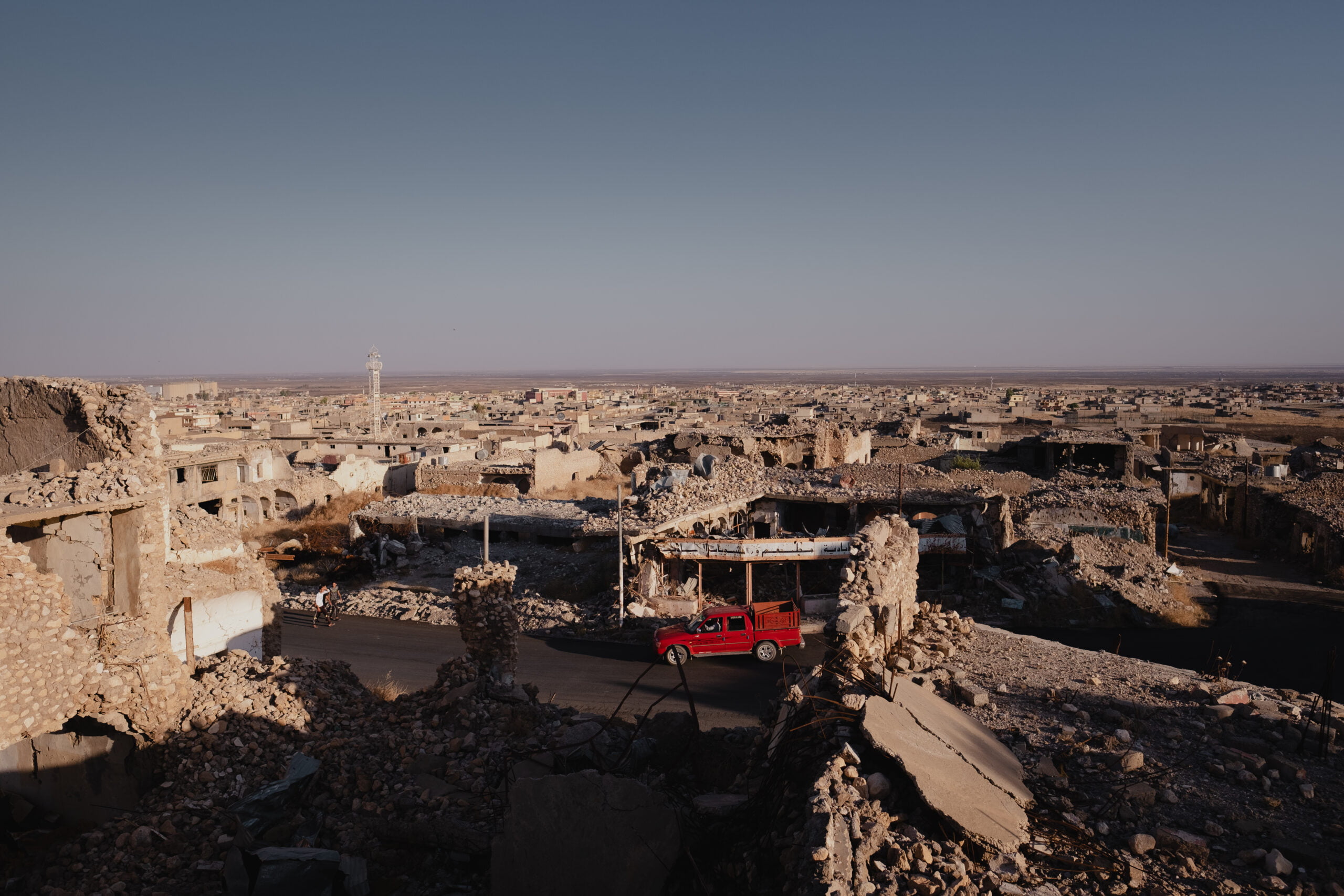
Bacînê is one of the Ezidi villages in the Midyat region that was emptied during the 1990s due to oppression. Many of its residents have lived in exile in Europe for decades. In recent years, families have begun returning to the village, rebuilding homes, investing in the area, visiting ancestral graves, and trying to restore village life after years of forced displacement.
For the residents, the solar power plant is therefore not seen as an ordinary development project. It is viewed as a direct threat to the fragile process of Ezidi return.
Residents have forwarded that many families want to return permanently or at least maintain a strong connection to Bacînê through their homes, graves, land, and family history. They fear that placing a large energy project so close to the village will discourage future return, weaken village life, and make younger generations less willing to reconnect with their ancestral land.
This is one of the most serious aspects of the case. A village that was emptied through pressure and displacement is now facing a project that residents say may again push Ezidis away from their land.
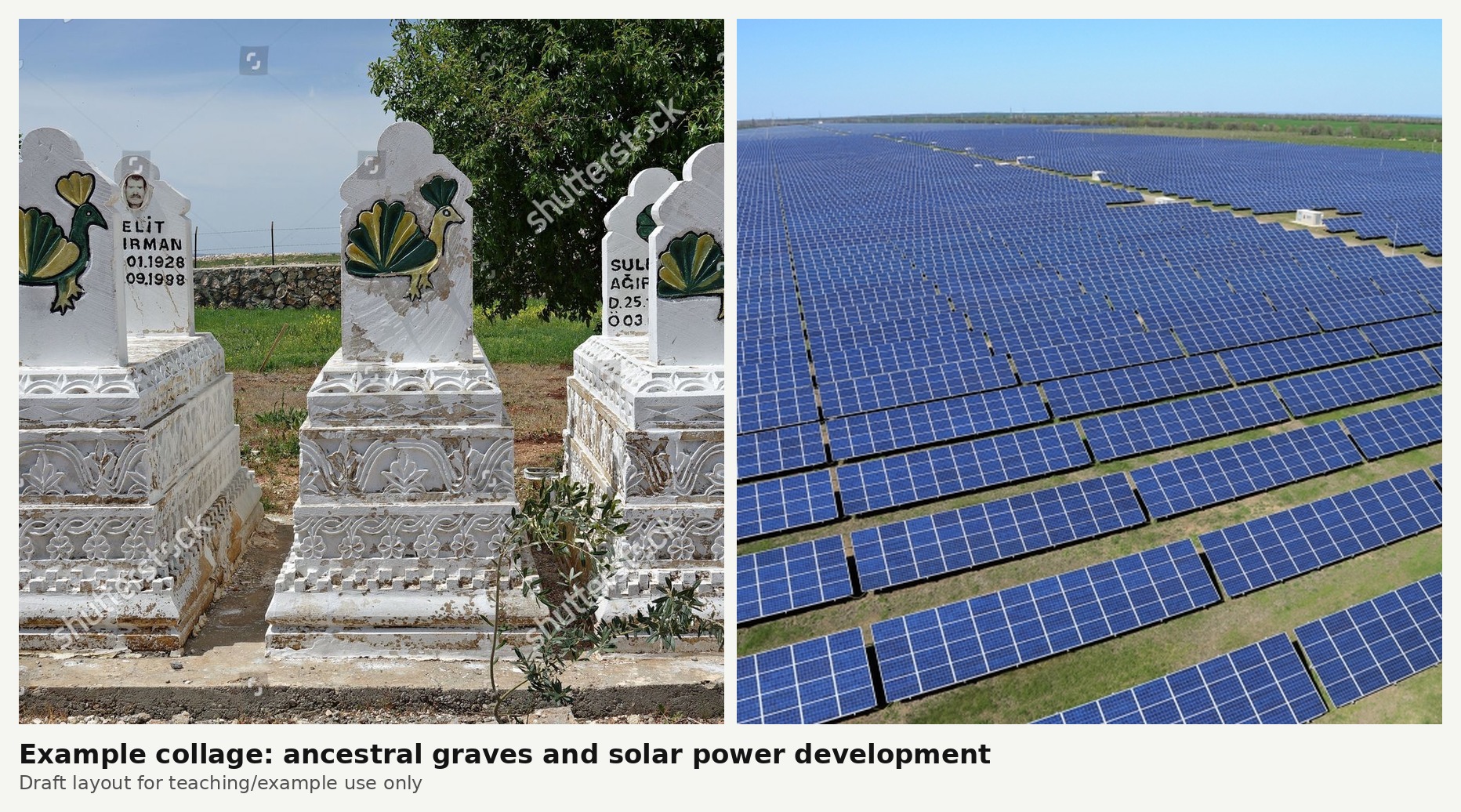
The residents also argue that the land has cultural and religious significance. The area is not only pastureland but is also remembered as being connected to old pilgrimage and cemetery traditions. For the Ezidi people, land, graves, oral memory, sacred places, and ancestral continuity are deeply connected. A place remembered through generations cannot be treated as a blank industrial zone simply because official documents classify it differently.
This is why the project is being described by residents as an insult and an attack on the village’s cultural life. Their objection is not only about the location of solar panels. It is about whether Ezidi history and sacred memory will be respected at all.
Instead, residents say their concerns have been dismissed. The demand from Bacînê residents is clear: the project should be cancelled.
At the very least, all work should be halted until a full and independent review is conducted. That review should examine the land’s pasture status, environmental impact, effects on livestock, proximity to homes, possible alternative sites, and the cultural and religious significance of the area. It should also include meaningful consultation with the residents of Bacînê, including those living in Europe who remain connected to the village and are part of its return process.
No project should be imposed on an Ezidi village without the informed and meaningful consent of the people affected.