



Ezidi News






Content Loading
Content Loading
Content Loading
Content Loading
Must Read
View MoreA Response to İkbal Dürre: Why Ezidis in Russia Are Not Counted in Kurdish Demographic Statistics
This article responds to İkbal Dürre’s claims about why Ezidis in Russia are not counted within Kurdish demographic statistics. Ezidis identify as Ezidi, not Kurdish, and Russia records them accordingly. Labeling them as Kurds ignores their distinct identity, their Sharfadin faithh. Ezidis reached Russia after the 1915 genocide that the kurds cmmited againt them.
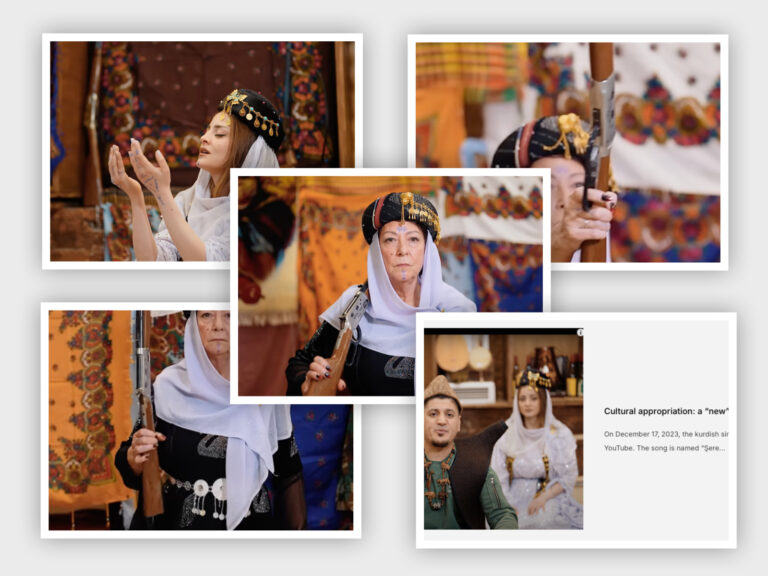
Ezidi Design on Kurdish Catwalk: Respect or Cultural Appropriation?
When a Kurdish designer presented a traditional Ezidi dress on the runway in Milan, many applauded the gesture as a sign of inclusion. But is it really recognition—or appropriation? For Ezidi Times, the question runs deeper: why must Ezidis rely on others to showcase their traditions, and what does it mean when their heritage is absorbed into a broader Kurdish narrative? At stake is not just fashion, but the survival of an ancient people’s identity.
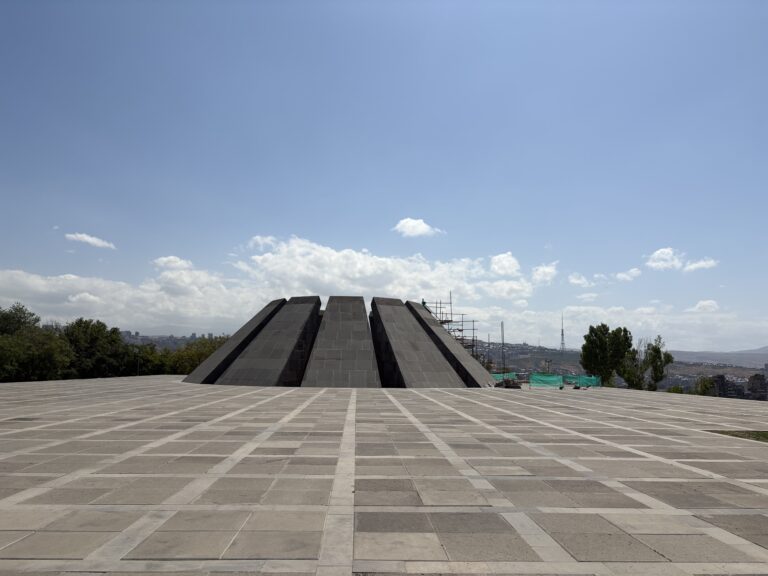
Never Forget the Past, for It Loves to Repeat Itself
Humanity walks through history carrying the ashes of its own crimes. Every stone laid at memorials like Tsitsernakaberd whispers of lives extinguished and of promises broken — never again, we say, yet again and again, we fail. As the eternal flame burns for the Armenians of 1915, it casts a shadow that reaches Sinjar, where the Ezidi people still suffer the consequences of the genocide ISIS unleashed in 2014. Eleven years later, the wounds remain unhealed, deepened by betrayal, neglect, and cynical politics. How many more memorials must we build before we finally understand that remembrance is not enough — justice and protection must follow, or the cycle will never end?
Zara: The Ungrateful Child of Ezdixan
Zara’s recent actions expose not just a troubling detachment from her Ezidi heritage, but a blatant disregard for the dignity and struggle of the people to whom she owes her very identity. In an era where the Ezidi people are still recovering from genocide and fighting for recognition, Zara has chosen not to stand with them, but to turn her back entirely—trading ancestral truth for political relevance and shallow applause. Her repeated shifts in self-identification—from Armenian to Russian, and now opportunistically Kurdish—suggest not evolution, but erasure. Even worse, her public alliance with individuals who have openly blasphemed the sacred tenets of the Sharfadin faith crosses a moral line. This is not neutrality—it is betrayal.
My Ethnicity is Ezidi
While many peoples throughout history have formed, merged, created languages and religions, and then gradually dissolved into larger populations and states, the Ezidis remained loyal to their traditions and faith, preserving their identity.
Book Review


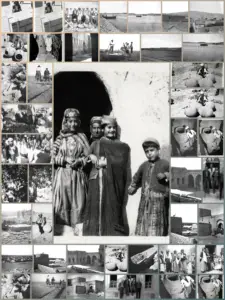
Ezidi Heritage in Photos
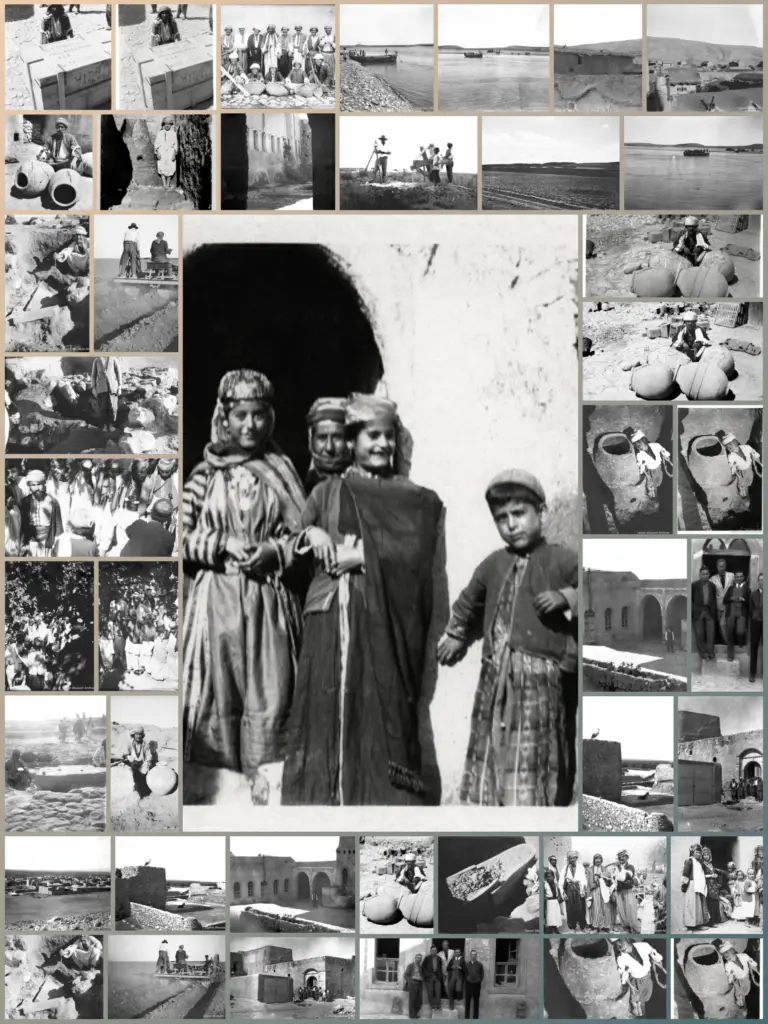
Moments of Ezidi Heritage Captured in Photos
A rare set of 1930s photographs has been uncovered, capturing the daily life, traditions, and sacred sites of the Ezidi people in northern Iraq—preserving moments of a culture nearly erased by history.