
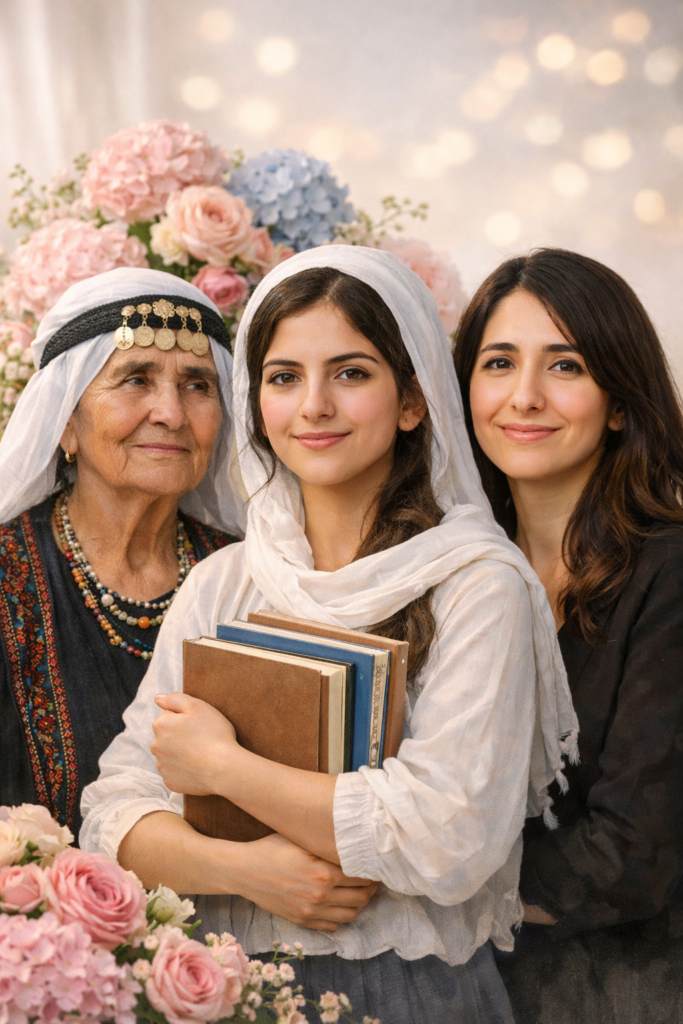
International Women’s Day: The Strength and Role of Ezidi Women in Society

Ezidi women have long played a central role in preserving the traditions, faith, and social life of the Ezidi people. After the genocide of August 3, 2014, their voices also emerged on the global stage, as survivors and activists began speaking publicly about the crimes committed against their people. This article explores the historical role of women among the Ezidis, the profound changes that followed the genocide, and how a new generation of women is shaping the future of the Ezidi people through resilience, education, and leadership. Read more.
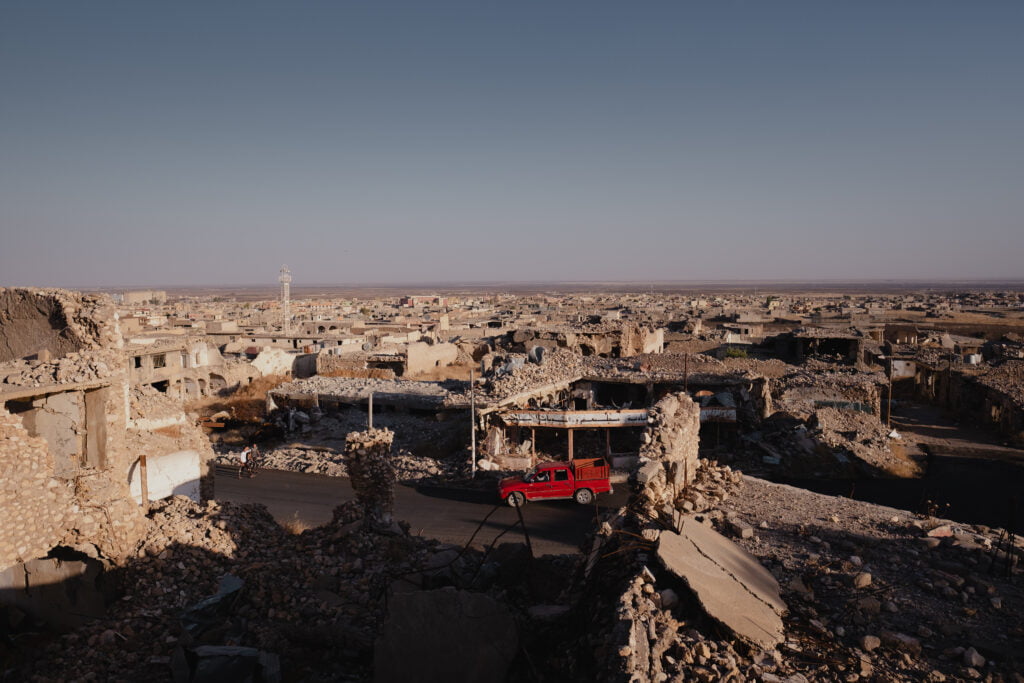
Ultimatum Over Shingal: Ezidis Face Renewed Uncertainty as March 10 Deadline Looms

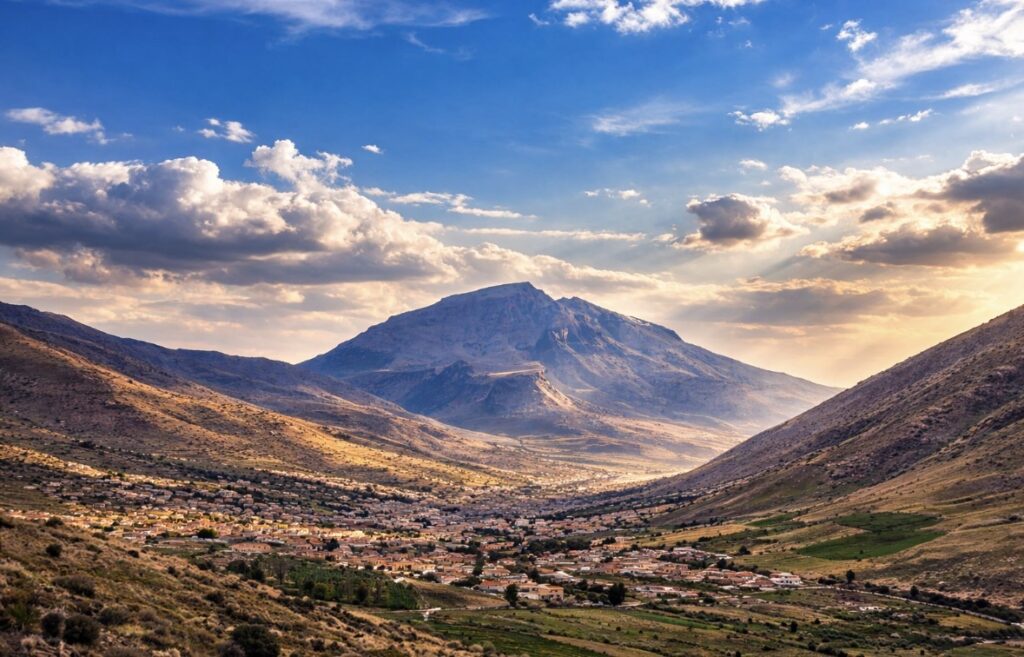
Dissolve by 10 March—or face attack. That was the message delivered to the YBŞ in Mosul, placing Shingal’s Ezidis at another crossroads. For a people still rebuilding after genocide, the prospect of imposed security decisions revives a familiar and dangerous pattern. Ezidi leaders warn that dismantling local defense forces without a binding administrative and security agreement could force new displacement and leave the homeland of Sharfadin exposed once again.

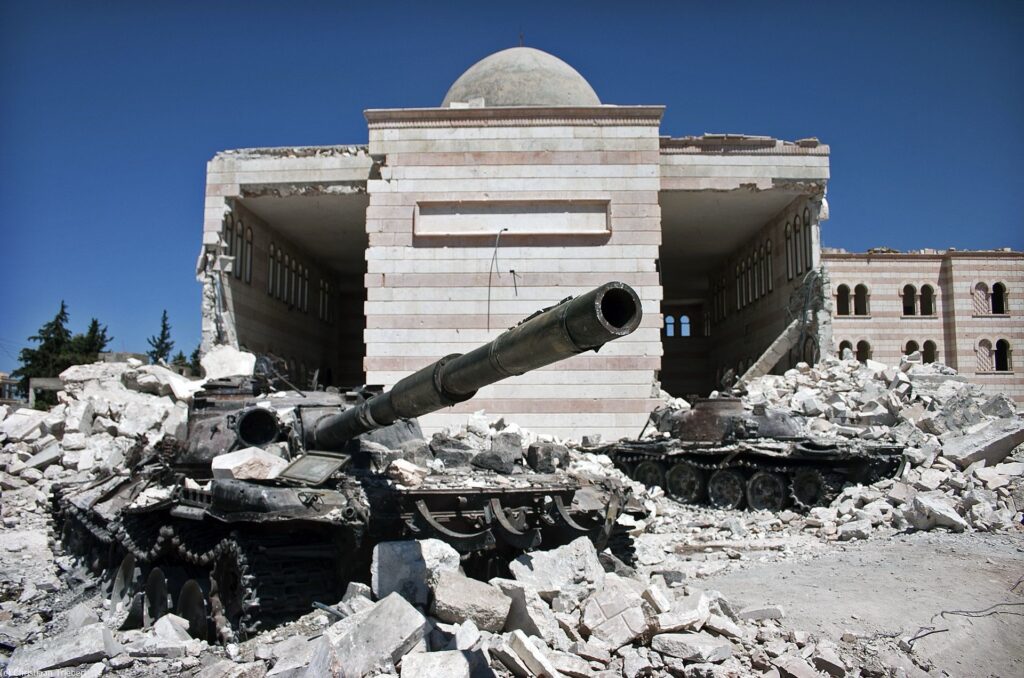
Military Shifts at the Syrian Border Raise Concerns in Sinjar

Recent military developments along the Syrian-Iraqi border have drawn significant attention in Sinjar, an area that remains deeply marked by the events of 2014. The arrival and positioning of forces aligned with the Syrian state near the border has prompted heightened alert among local defense groups and residents, reflecting longstanding fears shaped by past violence against Ezidis.

‘They Were Our Friends’ — Betrayal in Iraq

Trust between neighbors can be as fragile as it is sacred. In northern Iraq, lifelong bonds between Ezidi families and their Arab neighbors unraveled in the face of ISIS violence. What once was a relationship built on shared meals, trade, and mutual support turned into fear and pursuit, forcing families to flee overnight. Stories like these reveal not only the brutality of violence, but also the deep emotional wounds left when trust is broken by those once considered friends.

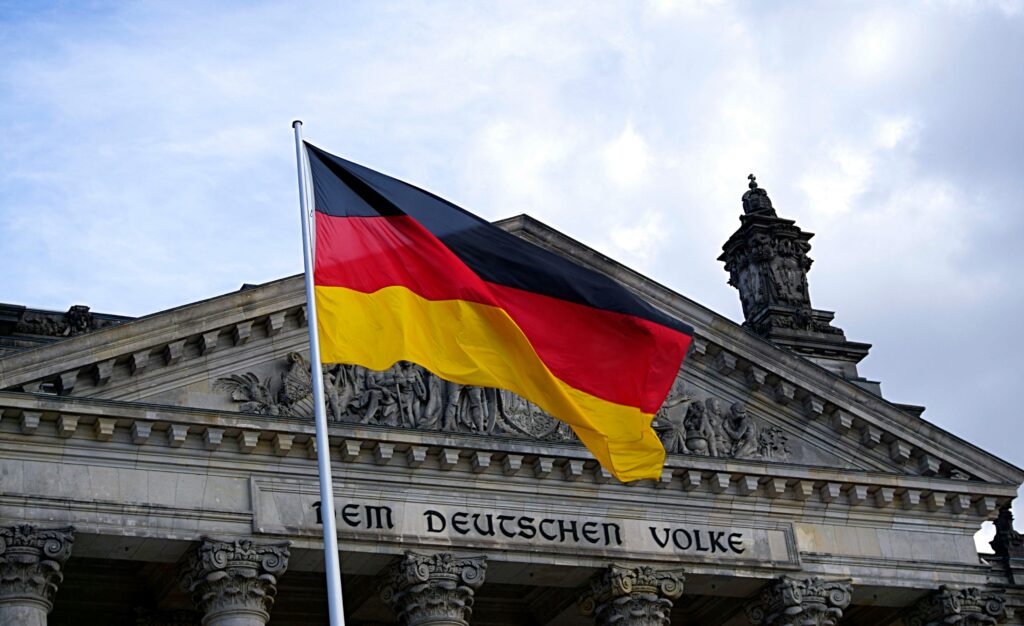
Germany’s Prosecution of ISIS Crimes against Ezidis

Germany has successfully prosecuted ISIS members for crimes against humanity against Yazidis, including murder, torture, rape, and enslavement. Trials, starting in 2019–2020, relied on Yazidi survivor testimony, police and NGO reports, and expert evidence on Yazidi culture and ISIS structures. Despite challenges such as re-traumatization of witnesses and language barriers, courts deemed the testimony credible, leading to multiple convictions. International cooperation proved essential at every step, highlighting the importance of global accountability mechanisms.

Los ezidíes exigen representación en las próximas elecciones de Irak

A medida que Irak se prepara para las elecciones parlamentarias del 11 de noviembre, la comunidad ezidí exige una representación auténtica tras años de desplazamiento y marginación. Con la creación de la Alianza por la Causa Ezidí, los candidatos buscan superar los límites del escaño de cuota y construir una voz política independiente que refleje la voluntad y la dignidad del pueblo ezidí.

Jesiden fordern Vertretung bei den kommenden Wahlen im Irak

Jesiden fordern bei den Parlamentswahlen im Irak am 11. November echte politische Vertretung. Neben dem offiziellen Quotenplatz treten zahlreiche Kandidaten über die Ezidi Cause Alliance an, um Stimmen zu bündeln und Shingal, das nach Vertreibung und Völkermord noch immer um Wiederaufbau kämpft, politisch stärker zu vertreten. Es geht um mehr als Sitze – es geht um Selbstbestimmung, Würde und die Zukunft des jesidischen Volkes.