
Once a Terrorist = Always A Terrorist

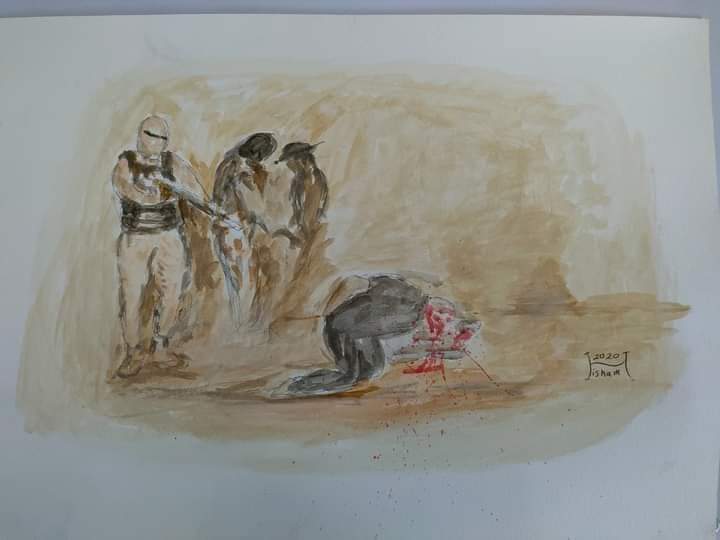
Two former Ezidi women enslaved by ISIS expose the dark past of Syria’s interim leader Ahmed al-Sharaa, warning the West not to trust a man who once walked among jihadi commanders and presided over unspeakable horrors. Their testimony challenges the narrative of reform and calls for vigilance against repeating history.

Iraqi Official Urges PKK Disarmament to Include Sinjar

🇬🇧🇫🇷🇮🇶🇷🇺🇦🇲🇹🇷🇳🇱🇧🇷🇪🇸🇸🇪🇩🇪🇩🇰

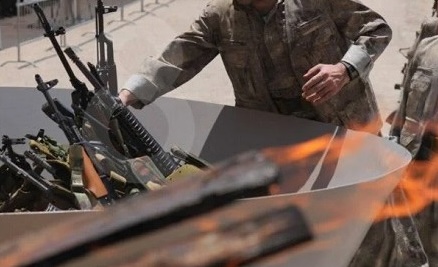
An Iraqi military official emphasized that the PKK disarmament process should include Sinjar, where armed groups loyal to the PKK remain active. The official stressed that these groups must be part of any agreement. The PKK began destroying weapons in May, a move welcomed by Turkey as “a new era.”

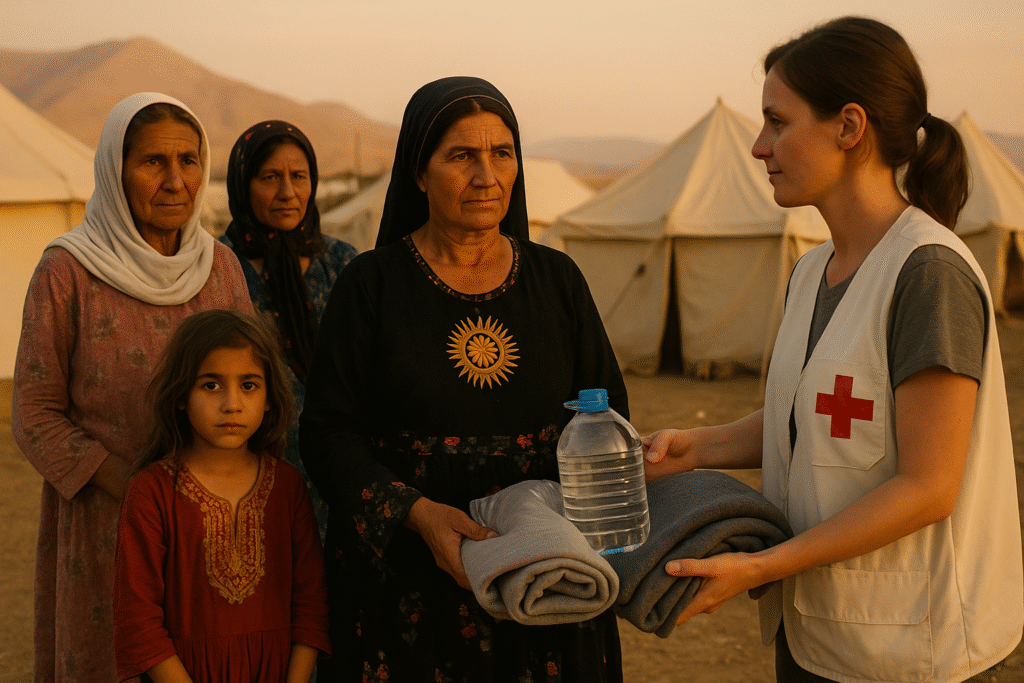
ISIS Victims Accept Christian Aid, Not Christian Conversion

The Ezidi people endured brutal attacks in 2014 when ISIS forcibly displaced them from their ancestral homeland in northern Iraq, killing and enslaving thousands. ISIS falsely accused the Ezidis—whose ancient religion, Sharfadin, has roots in Mesopotamia—of worshipping Satan. After the military defeat of ISIS, many Ezidis remained in United Nations camps for internally displaced persons, relying heavily on humanitarian assistance.

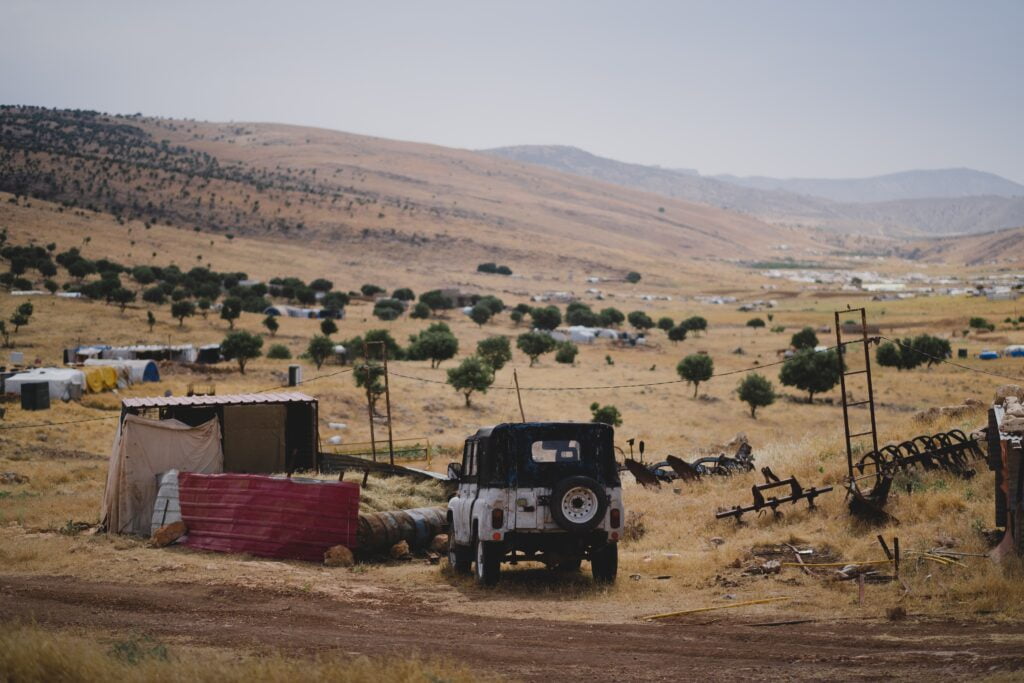
USAID Funding Cuts Leave Ezidi Displacement Camps in Crisis

The Ezidi people, an ancient ethnic and religious group from northern Iraq, continue to face dire conditions in displacement camps years after ISIS attacks forced them from their homes. The reduction in funding from the U.S. Agency for International Development (USAID) has severely impacted reconstruction efforts, access to medical care, and essential services in camps where many Ezidis remain internally displaced.

TAJÊ dringt aan op erkenning en gerechtigheid voor 19 verbrande Ezidische vrouwen

Het Diplomatieke Comité van de Beweging van Vrije Ezidische Vrouwen (TAJÊ) heeft een dringende oproep gedaan aan de Iraakse president en belangrijke internationale instanties om de identiteit vast te stellen van 19 Ezidische vrouwen die in 2016 in Mosul levend werden verbrand door ISIS. De beweging eist tevens dat deze gruweldaad officieel wordt erkend als een daad van feminicide.

TAJÊ fordert Anerkennung und Gerechtigkeit für 19 verbrannte ezidische Frauen

Das diplomatische Komitee der Ezidischen Bewegung Freier Frauen (TAJÊ) hat einen dringenden Appell an den irakischen Präsidenten und zentrale internationale Organisationen gerichtet. Es fordert die Identifizierung von 19 ezidischen Frauen, die 2016 in Mossul von ISIS bei lebendigem Leib verbrannt wurden. Zudem verlangt die Bewegung, dass dieses Verbrechen offiziell als Femizid anerkannt wird.

They Turned Us Into the Enemy of Our Own Children

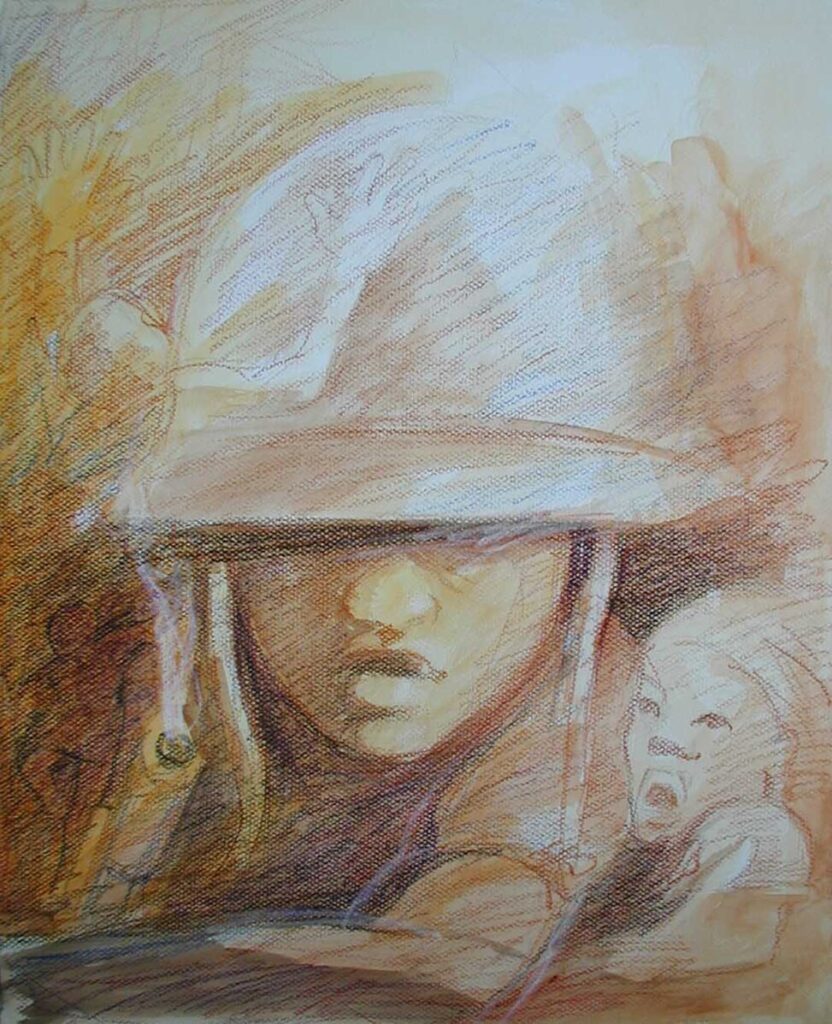
Since the 2014 genocidal ISIS attack, the Ezidi people still face a devastating and existential crisis. Most of the focus has been directed towards the atrocities committed against the women, and unfortunately, the fate of the abducted Ezidi boys is rarely discussed. It is unclear why this horrendous part of the genocide campaign receives so little attention. Perhaps no one knows they are still alive. But one fact remains: these Ezidi boys have come to hate us — the Ezidis — because ISIS has indoctrinated them to do so.

Rechtszaak over genocide op het Ezidi-volk begint morgen in München

Op maandag 19 mei 2025 begint bij het Oberlandesgericht in München de rechtszaak tegen een echtpaar dat wordt beschuldigd van het tot slaaf maken, mishandelen en seksueel misbruiken van twee Ezidi-meisjes van vijf en twaalf jaar oud tijdens de heerschappij van de zogenaamde Islamitische Staat (IS). De vermeende misdaden vonden plaats tussen 2015 en 2017 in Irak en Syrië. De aanklachten omvatten genocide, wat de gerichte campagne van IS weerspiegelt tegen het eeuwenoude Ezidi-volk, dat de religie Sharfadin volgt.

Ezidi Life Ten Years After the Genocide: A Look at Youth and Male Survivors

Many Ezidis remain unable to return to their homeland in Sinjar due to ongoing insecurity, political tensions, and the destruction left behind. Thousands continue to live in camps with limited access to education, healthcare, and employment opportunities. Even those who have managed to return face immense hardships, with homes in ruins, infrastructure in poor condition, and economic instability making survival difficult. Justice remains elusive, as many perpetrators of the genocide are still free, and international attention has largely faded, leaving survivors feeling abandoned.