
From 1915 to 2014: Tracing Gendered Genocide Through Ezidi Women’s Voices
Historian Dr Rebecca Jinks has dedicated recent years to documenting the lived experiences of Ezidi women who survived ISIS captivity...
Historian Dr Rebecca Jinks has dedicated recent years to documenting the lived experiences of Ezidi women who survived ISIS captivity...
Ezidi institutions and activists have raised grave concerns over renewed security threats following recent developments in Syria and Iraq, warning...
Ezidis in Syria are sounding urgent alarms as renewed fighting, collapsing security arrangements, and instability around ISIS detention camps create...
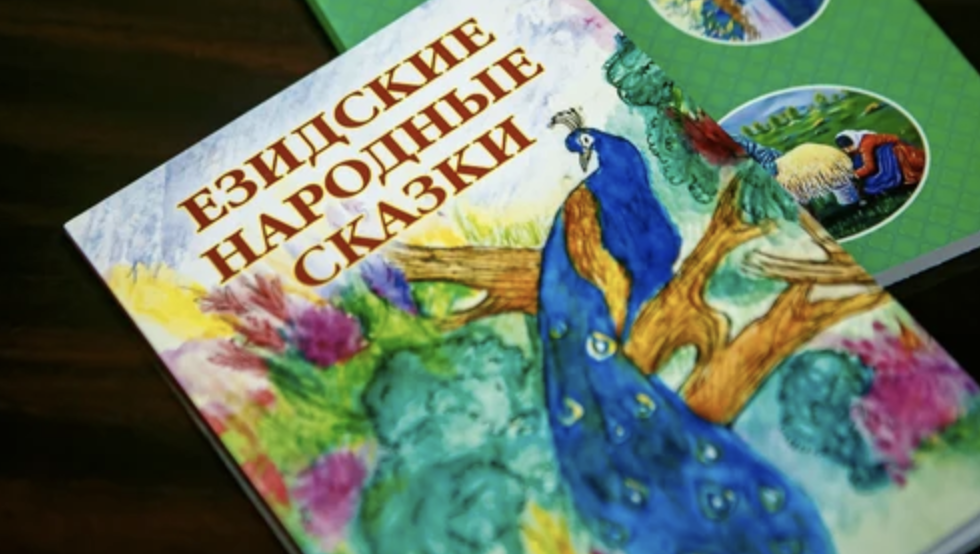
A new Russian-language book, Ezidi Folk Tales, opens a window into the rich culture and traditions of the Ezidi people. Published by Mesopotamia under the leadership of Samvel Saidovich Mstoyan, with illustrations by Aida Mstoyan, the collection brings centuries-old stories and values to life, introducing Russian children to the history, customs, and worldview of one of the world’s oldest peoples.
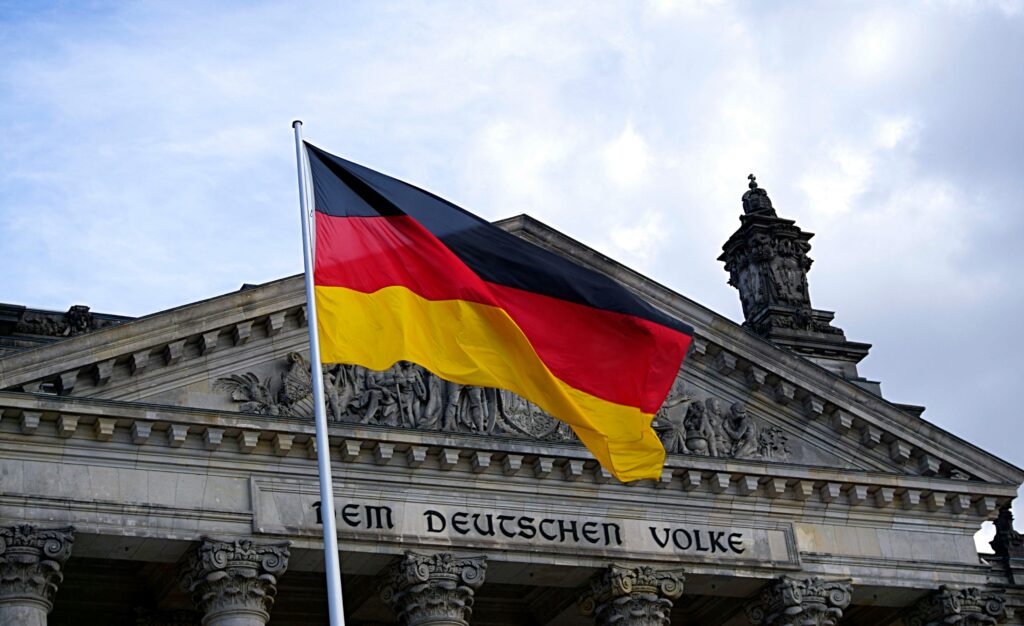
Germany has successfully prosecuted ISIS members for crimes against humanity against Yazidis, including murder, torture, rape, and enslavement. Trials, starting in 2019–2020, relied on Yazidi survivor testimony, police and NGO reports, and expert evidence on Yazidi culture and ISIS structures. Despite challenges such as re-traumatization of witnesses and language barriers, courts deemed the testimony credible, leading to multiple convictions. International cooperation proved essential at every step, highlighting the importance of global accountability mechanisms.
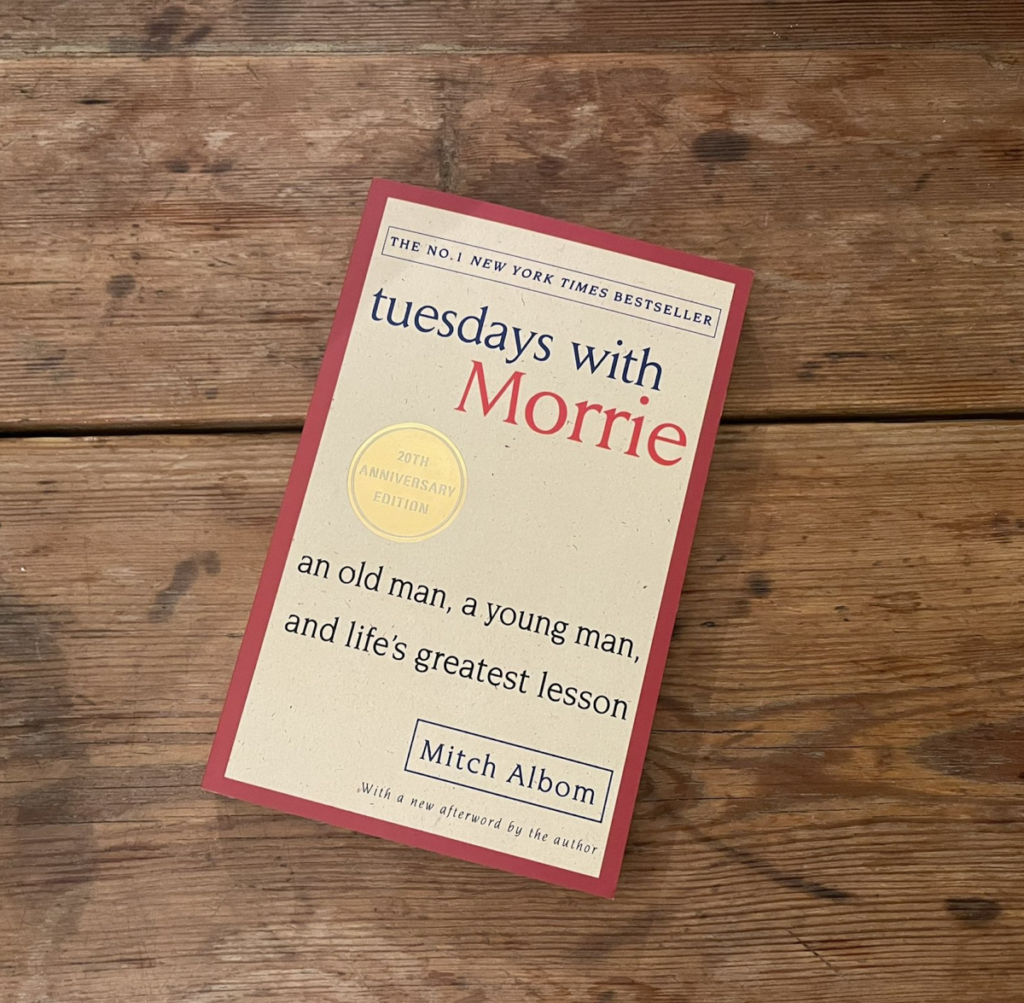
Tuesdays with Morrie by Mitch Albom is a heartfelt exploration of life, love, and death, based on the author’s real relationship with his college professor, Morrie Schwartz. Through weekly Tuesday meetings, Morrie shares lessons on what truly matters—love, human connection, and caring for others—reminding readers that life’s meaning comes not from success or possessions, but from giving and receiving love, facing mortality honestly, and living without regret.
Эксклюзивное интервью с езидским рэп-артистом SELODEUXSEPT раскрывает историю создания трека *Je m’appelle Ezidi*, его глубокое послание о гордости, силе и единстве езидов, а также путь самого артиста — от первых фристайлов до стремления стать одним из ведущих музыкантов Германии.
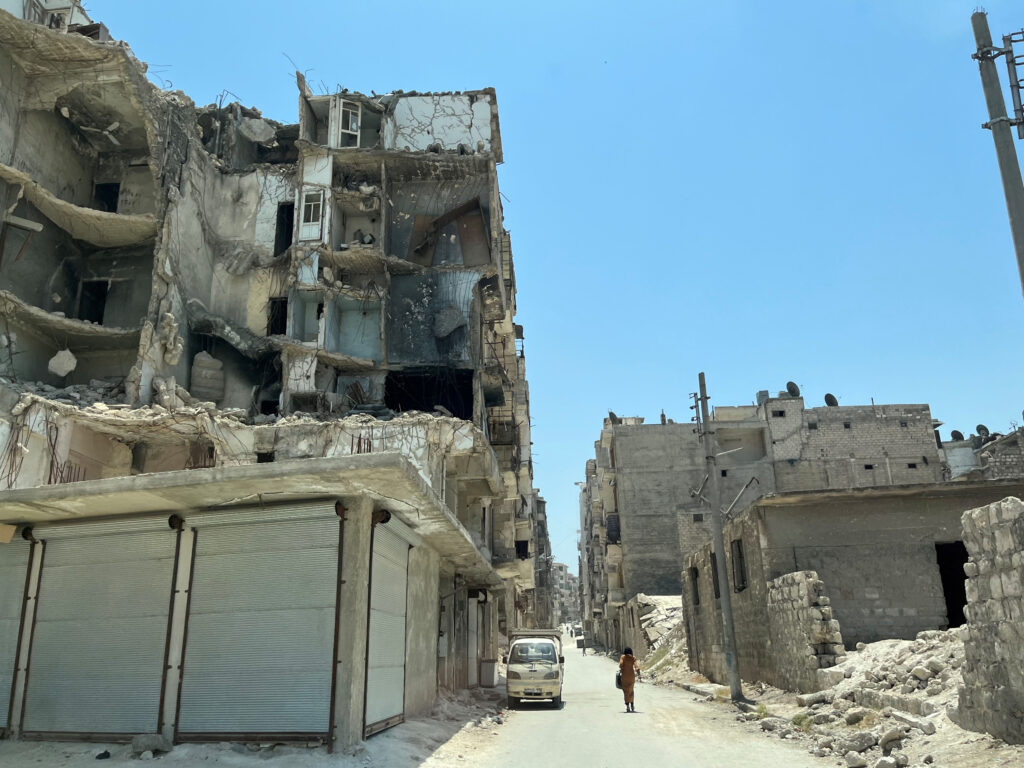
Ezidis em Alepo, cerca de 5.000 pessoas, estão presos sob cerco nos bairros de Sheikh Maqsoud, Ashrafieh e al-Suryan, enfrentando falta de eletricidade, escassez de medicamentos e deslocamento forçado. Quase 1.200 famílias já fugiram, enquanto milhares permanecem em risco. O Ezidi Times apela à Alemanha e à comunidade internacional para agir imediatamente e garantir que o governo de facto da Síria proteja os Ezidis.
Los 5.000 ezidis de Alepo están atrapados bajo asedio en Sheikh Maqsoud, Ashrafieh y al-Suryan, enfrentando cortes de electricidad, escasez de medicamentos y desplazamientos forzosos. Casi 1.200 familias ya han huido, mientras miles permanecen en riesgo. Ezidi Times hace un llamado a Alemania y a la comunidad internacional para actuar de inmediato y garantizar que el gobierno de facto sirio proteja a los ezidis.
Aleppo’s 5,000 Ezidis are trapped under siege in Sheikh Maqsoud, Ashrafieh, and al-Suryan, facing electricity outages, medicine shortages, and forced displacement. Nearly 1,200 families have already fled, while thousands remain at risk. Ezidi Times calls on Germany and the international community to act immediately and ensure the newly de facto Syrian government protects Ezidis.
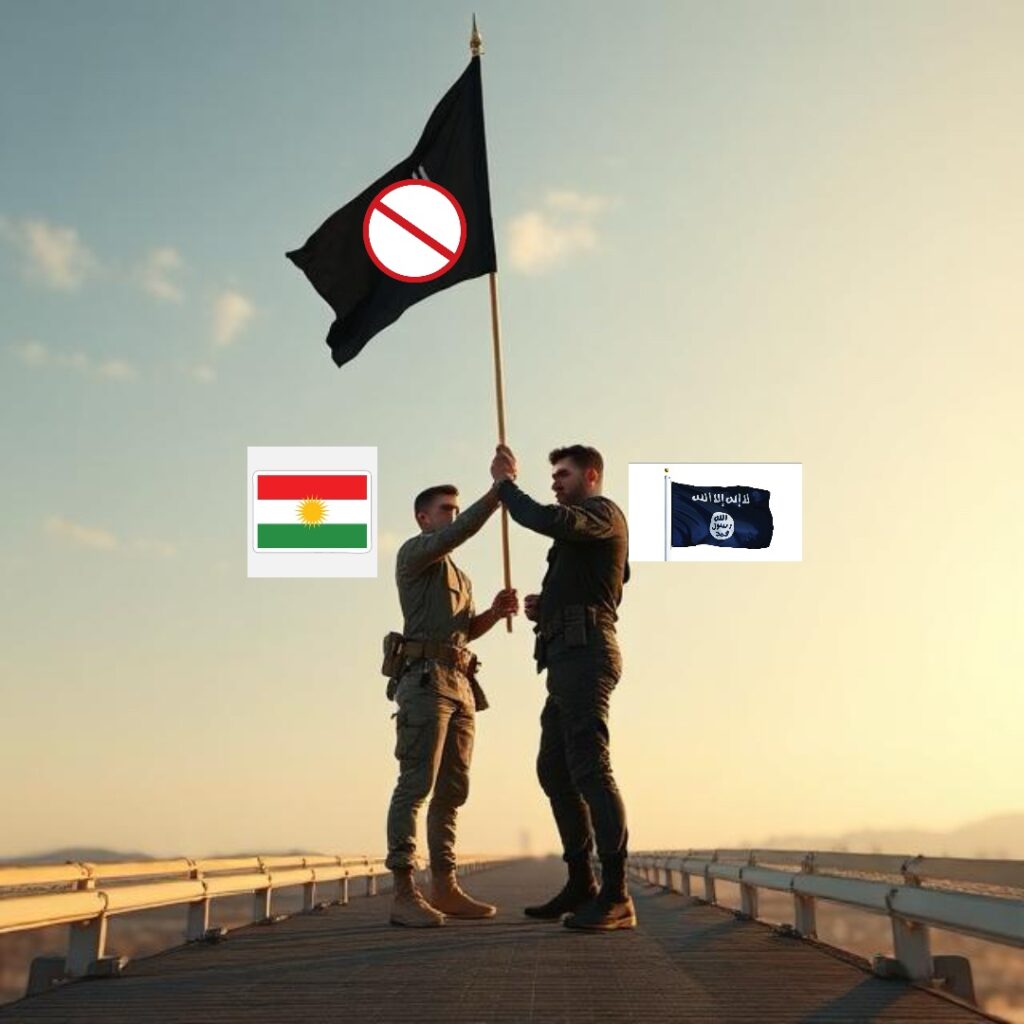
Kurdish Peshmerga disarmed and trapped civilians, cooperated with ISIS fighters, and left Sinjar defenseless in 2014. From the 2007 bombings to the post-genocide occupation, the destruction of the Ezidis was not ISIS alone—it was systematically enabled by those claiming to protect them.
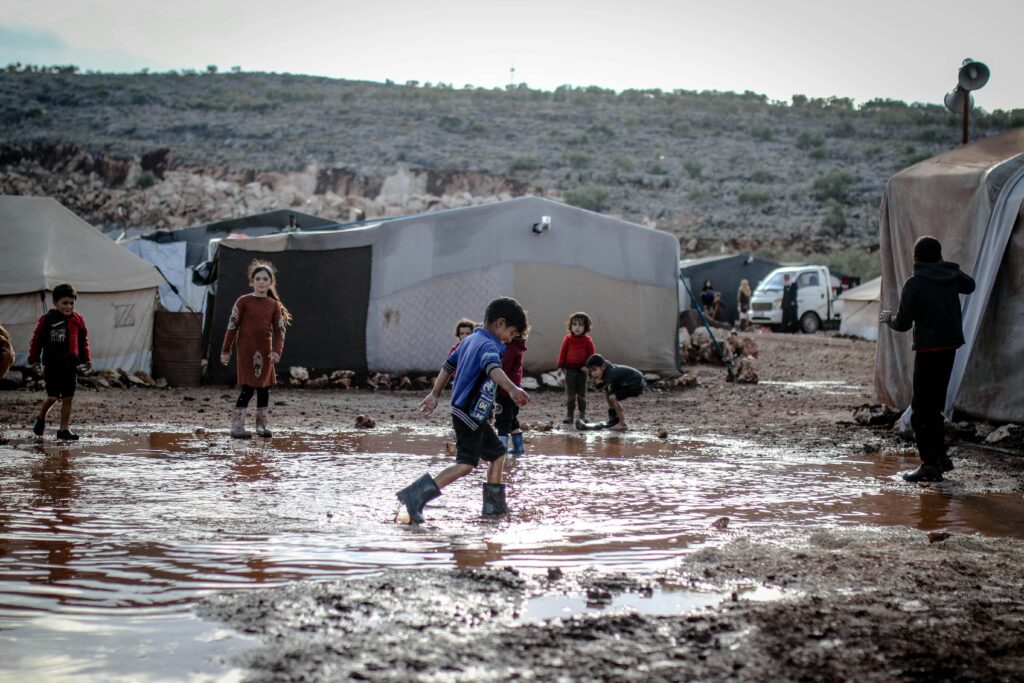
Fires tore through two Ezidi displacement camps near Zakho, destroying dozens of shops and several tents and leaving hundreds of families without their only source of income. More than eleven years after the Ezidi genocide, repeated camp fires once again expose unsafe living conditions, lack of protection, and the continued failure to ensure dignified, voluntary return for displaced Ezidis.
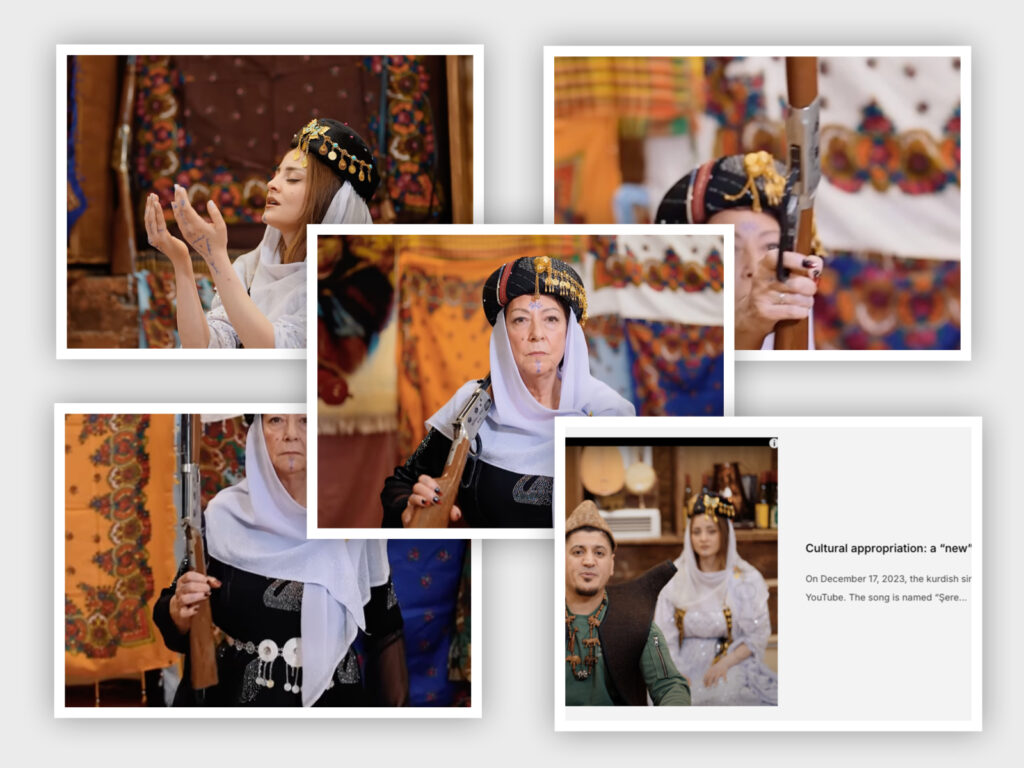
In 2023, Ezidi Times published an article raising concerns about a Kurdish singer using Ezidi traditional clothing in a music video and presenting it as “Kurdish.”
The video shows women in Ezidi attire dancing with weapons, portraying a peaceful and sacred culture in a violent, distorted way — and even attempts to include Ezidis under an artificially constructed “Kurdish” identity.
This is more than cultural appropriation — it is cultural and identity theft happening right before our eyes. The problem still remains and deserves far more attention. The article explores why this matters and is a big issue.
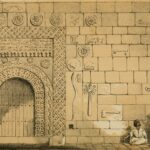
Mağara (Ezidi) Village, once abandoned during decades of violence, is reopening to tourists. The village offers a rare insight into the Ezidis, followers of Sharfadin, and their centuries-old traditions—finally shedding light on a history often misunderstood.
As Barham Salih prepares to assume leadership of the UN refugee agency, an advisor to Iraq’s prime minister has called on him to make the prolonged displacement of Ezidis a top priority, highlighting stalled reconstruction, ongoing insecurity, and the continued inability of thousands to return to Sinjar.
A viral video shows a Muslim woman refusing food, toys, and candy from Ezidi women, exposing the persistence of anti-Ezidi discrimination. Even acts of basic kindness are rejected due to centuries-old prejudice against Ezidis, followers of Sharfadin. The footage highlights how historical marginalization—from the 1915 massacres to the 2014 genocide—continues to shape social interactions, showing that anti-Ezidi sentiment remains normalized in everyday life.
Iraq has launched a nationwide campaign to collect DNA samples from relatives of Ezidi victims of the 2014 genocide, aiming to identify remains from mass graves in Sinjar and provide long-awaited answers to families still searching for the missing.
Ezidi Times warmly congratulates all Ezidis around the world on the sacred holiday of Aida Ezdit.
On the 16th of December, the three-day fast of Rojîyê Êzid began, honoring Sultan Ezid (Ezdit), a manifestation of the Creator in the Sharfadin faith. This sacred period of fasting, prayer, and reflection celebrates the birth of light, spiritual purification, and the divine presence in the world. Rojiyên we bi xêr û xoşî bin!
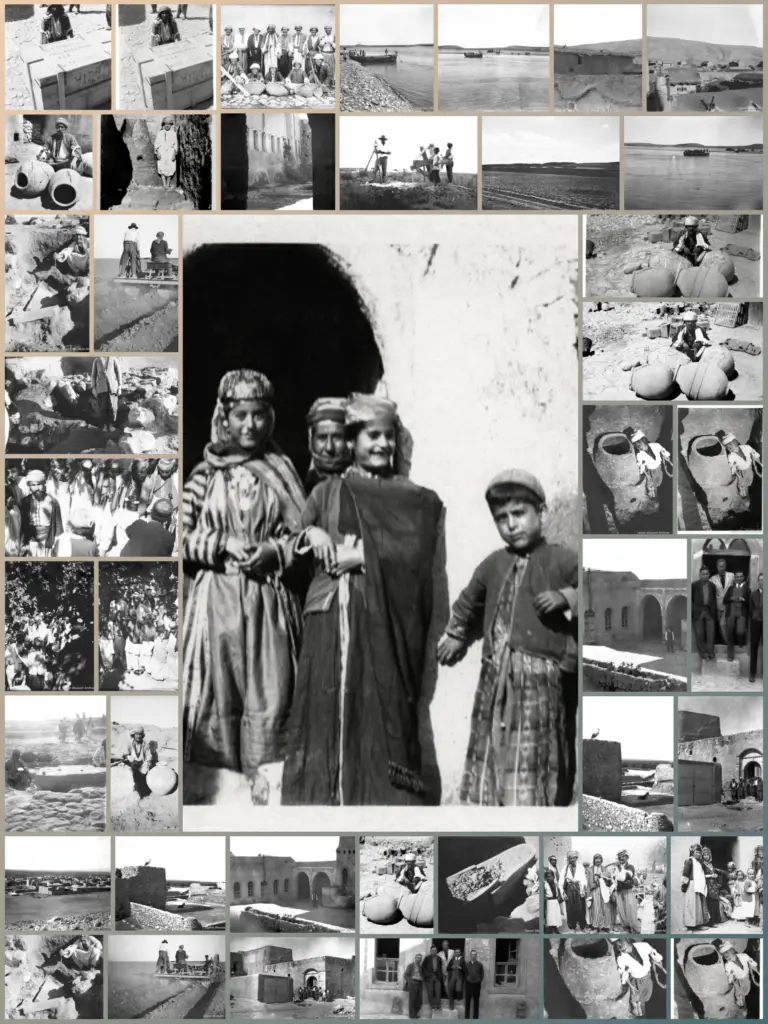
A rare set of 1930s photographs has been uncovered, capturing the daily life, traditions, and sacred sites of the Ezidi people in northern Iraq—preserving moments of a culture nearly erased by history.