

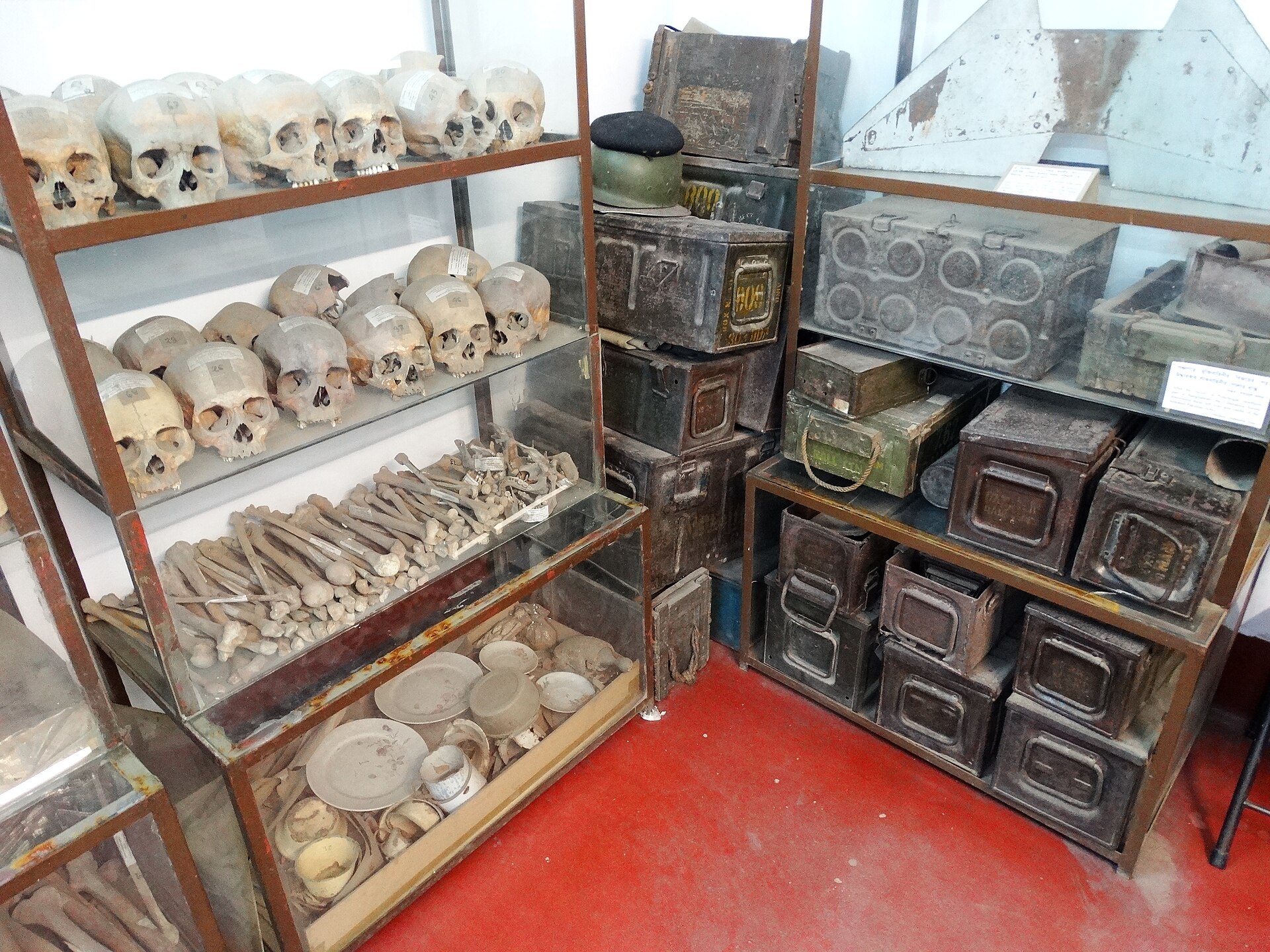
Recognition of Bangladesh Genocide: Assessing Through the Lenses of International Criminal Law

Bangladesh’s 1971 genocide remains largely unrecognized internationally, despite clear evidence of mass killings, sexual violence, and attacks on intellectuals. This analysis examines the events through international criminal law, highlighting the urgent need for recognition, justice, and remembrance—lessons that resonate deeply with Ezidis and all peoples who have endured systematic persecution.

Er det realistisk muligt for Ezidierne at vende tilbage til Sinjar?

I Är i august vil det vÊre 10 Är siden, at IS angreb Sinjar, begik grusomme forbrydelser og tvang flere hundrede tusinde Ezidier til at forlade deres forfÊdres land. Indtil i dag rapporteres det, at mellem 100.000 og 200.000 Ezidier bor i internflygtningelejre over hele MellemÞsten. Det irakiske reprÊsentantrÄd har vedtaget Yezidi Survivors Law (YSL), som havde til formÄl at bringe retfÊrdighed til Ezidierne, men ogsÄ til Turkmenerne, Kristne og Shabaks. Alligevel er ingen irakisk domstol endnu blevet dÞmt for at begÄ folkedrab mod Ezidi-folket. PÄ trods af dette er der hÄb blandt Ezidierne, der bor i internflygtningelejre, om at vende hjem til Sinjar.

Is the return of Ezidis to Sinjar realistically possible?

This year in August it will be 10 years since the IS attacked Sinjar, committed heinous crimes, and forced several hundred thousand Ezidis to leave their ancestral land. To this day it’s reported that between 100 000 to 200 000 Ezidis live in IDP camps across the Middle East. The Iraqi Council of Representatives has adopted the Yezidi Survivors Law (YSL) which was aimed to bring justice to Ezidis but also Turkmen, Christians and Shabaks. Yet, to this day, no Iraqi court has sentenced anyone for committing genocide against the Ezidi people. Despite this, there are hopes among the Ezidi people, living in IDP camps, to return home to Sinjar.Â