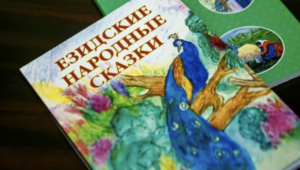


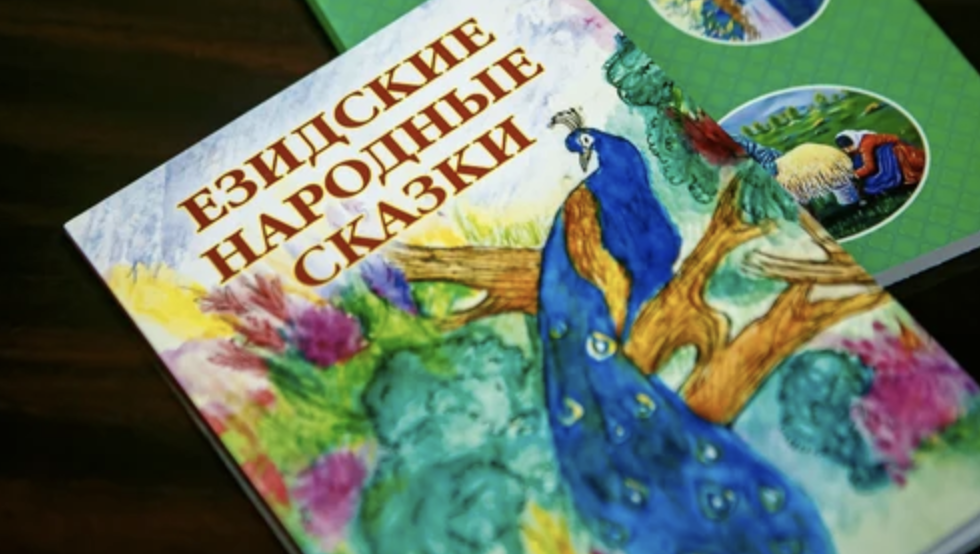
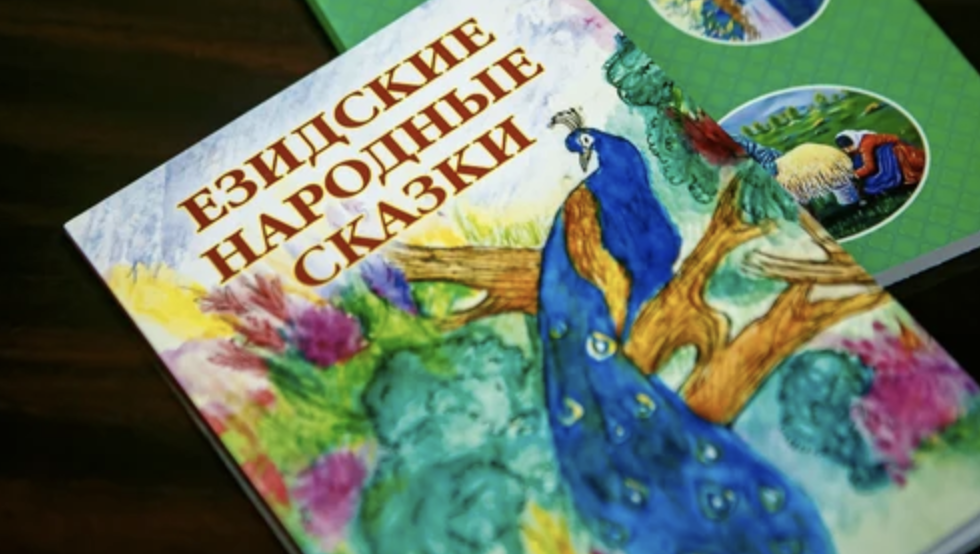
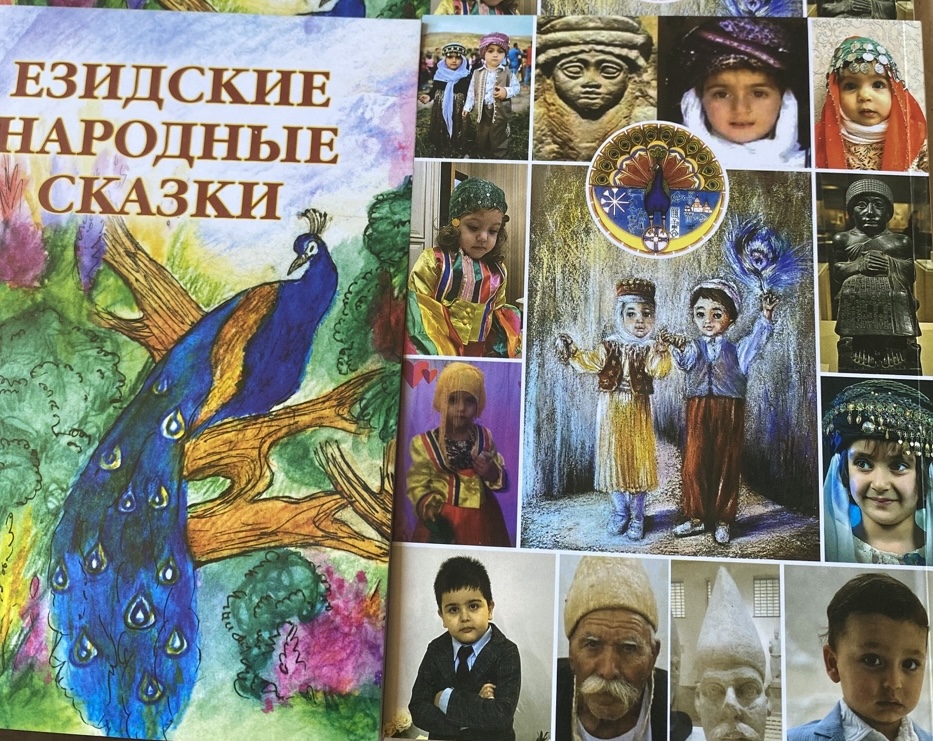
Last autumn, the book “Ezidi Folk Tales” was released in the Vladimir region of Russia, offering young readers an opportunity to explore the rich cultural heritage of the Ezidi people. Published by the Vladimir Regional Ezidi National Cultural Public Organization Mesopotamia, the book was created under the leadership of Samvel Saidovich Mstoian, with illustrations by his daughter-in-law, Aida Mstoian. This collection is part of the organization’s ongoing efforts to preserve and share the traditions of one of the world’s oldest peoples.
Fairy tales have long served as a window into the soul of a people. In Ezidi families, they are traditionally read by adults to children, passing down moral lessons, cultural values, and stories of resilience across generations. Ezidi Folk Tales continues this tradition, presenting a variety of stories that reflect the ethics, customs, and worldview of the Ezidis, while also introducing these elements to children from outside the community.
The collection contains stories rooted in Ezidi history and folklore. Themes of love, destiny, and justice appear alongside vivid depictions of everyday life, family structures, and religious customs. One example illustrates how prophecies and moral lessons shape the lives of the characters, showing that, in Ezidi storytelling, virtue and perseverance are ultimately rewarded.
Ezidi Folk Tales is the second collection published by Mesopotamia with support from the city administration of Vladimir, following their first book, Tales of the Peoples of Vladimir. The new collection emphasizes the Ezidis’ ancient roots in Mesopotamia, tracing their lineage to the Babylonian era, and highlights the role of religion, Sharfadin, in shaping the community’s identity. It also provides glimpses of traditional rituals such as weddings, funerals, and seasonal celebrations, including the Ezidi observance of Easter in December.
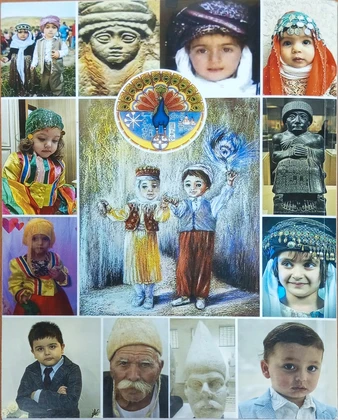
The illustrations by Aida Mstoian, featuring children in traditional Ezidi attire, complement the narratives and help convey the beauty and uniqueness of Ezidi culture. By combining storytelling with visual representation, the book makes Ezidi traditions accessible to a broader audience and encourages cultural understanding from a young age.
Mesopotamia has played a key role in promoting Ezidi heritage in Russia over the past decade. Beyond publishing, the organization organizes cultural and sports projects, including international tournaments and city-wide competitions, all designed to foster unity and mutual respect among diverse communities.
With the release of Ezidi Folk Tales, Mesopotamia continues its mission to preserve and share the legacy of the Ezidi people. By introducing Russian children to these timeless stories, the organisation ensures that the values, history, and cultural richness of the Ezidis are recognized and appreciated by future generations.