
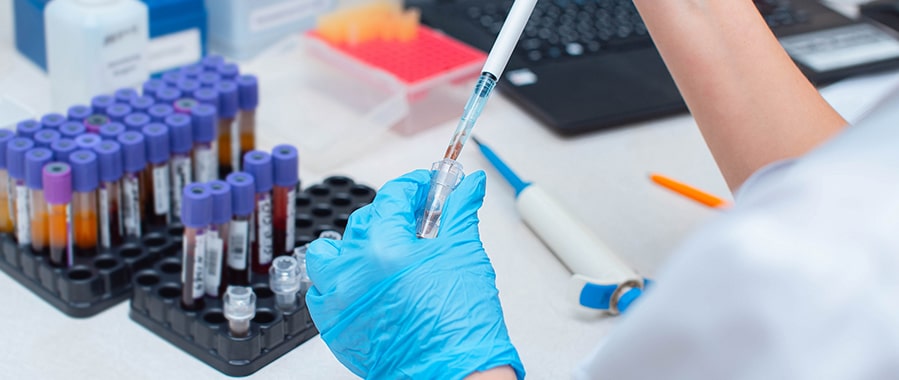
Iraq has launched a new national campaign aimed at identifying Ezidi victims of the ISIS genocide by collecting blood samples from relatives of those who were killed or remain missing. The initiative is being implemented by the Ministry of Health through its forensic medicine and mass graves departments, with a focus on Nineveh province, where many of the crimes took place.
The campaign is part of broader efforts to identify human remains recovered from mass graves left behind after ISIS’s 2014 attack on Sinjar. During that assault, thousands of Ezidis were murdered and thousands more, especially women and children, were abducted, subjected to enslavement, violence, and forced displacement. Thousands still remain unaccounted for more than a decade later.
According to Iraqi officials, the collected blood samples will be used to support DNA analysis and help match families with remains that have already been exhumed or may be recovered in the future. The program also includes cooperation with international partners such as the International Committee of the Red Cross and the International Commission on Missing Persons, focusing on technical expertise related to searches, identification processes, and the dignified return and burial of remains. Authorities have stated that psychosocial support will also be provided to affected families.
Human rights organizations estimate that dozens of mass graves have been located in Sinjar, though only a portion have been excavated. While hundreds of bodies have been recovered, only a small number have been formally identified so far, highlighting the scale and complexity of the task ahead.
ISIS’s crimes against the Ezidis have been recognized as genocide by the United Nations and by multiple states. For many Ezidi families, the new campaign represents a painful but necessary step toward truth, identification, and the possibility of long-delayed closure after years of uncertainty and loss.