
This week, from 9 to 12 December 2025, Ezidis mark Aida Xwudane Male, a deeply respected religious period within the tradition of Sharfadin. These days honor the Xwudanê Male — the family patron saints who, according to Ezidi belief, are earthly representatives of the holy angels. These saints are understood as protectors of the household, guardians of moral integrity, and reminders of the spiritual lineage that binds every Ezidi family to the divine.
Aida Xwudane Male is therefore not only a ritual cycle but also a moment when Ezidis reconnect with their ancestors, reaffirm their faith, and reflect on the blessings and responsibilities carried through generations. It is a holiday that blends gratitude, quiet introspection, and a deep sense of belonging to the ancient spiritual heritage of Sharfadin.
How Ezidis Observe These Days
During these days, Ezidis fast from sunrise until sunset. From dawn onward, no eating, drinking, or smoking takes place. The day begins with an early meal known as pasiv, taken before sunrise to strengthen the believer for the hours ahead.
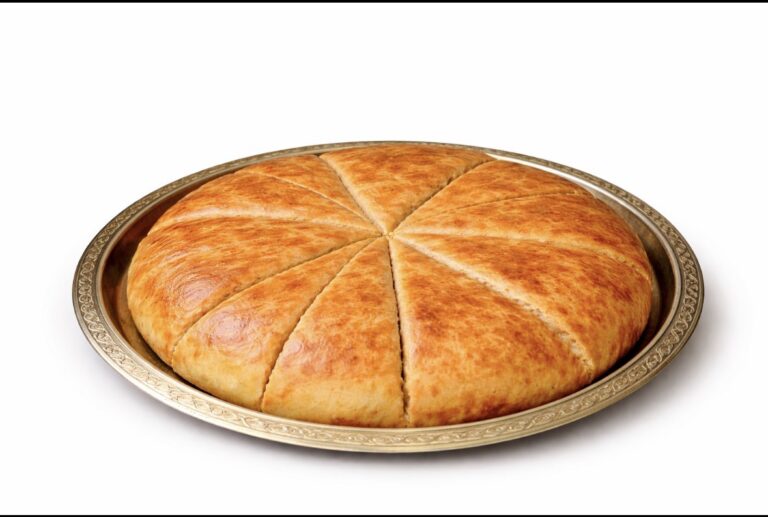
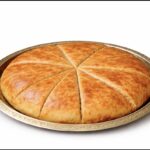
When the sun sets, the fast is traditionally broken with a piece of bread, a glass of water, and the Ezidi table prayer, Dua Sifrê. This moment is not simply the end of fasting; it is a spiritual pause in which the household expresses thankfulness for sustenance, protection, and the presence of the family saints who watch over each home.
The rhythm of each day—pasiv, fasting, and the prayerful breaking of the fast—creates a cycle of discipline, reflection, and gratitude. It is a reminder that spiritual clarity is nourished not only through belief but through daily acts of intention.
The Ezidi Prayer: Dua Sifrê
Below is the Dua’ Sifrê (Ezidi table prayer) with an English translation.
Important: note that this prayer is not performed during xêrê û qurbanê, special rituals in which Ezidis honor the deceased with food offerings or when they carry out (animal) sacrificial rites.
| Dua Sifrê | English Translation Ezidi table prayer | German Translation | Russian Translation |
|---|---|---|---|
| Zmane Êzdîkî | In English | Auf Deutsch | На русском |
| Ya R´ebî, tu dayîmî, tu k´erîmî, Tu reh´îmî, tu melkê erşê e´zîmî Ji ezelda tu qedîmî | O Lord, You are eternal, generous, and merciful, the great sovereign of the heavenly throne. You existed before all creation. | O Herr, Du bist ewig, großzügig und barmherzig, der große Herrscher des himmlischen Thrones. Du existiertest vor aller Schöpfung. | О Господь, Ты вечен, щедр и милосерден, великий владыка небесного трона. Ты существовал до всего творения. |
| Xwedêo, tû heftê û du milletî bêyî reh’mê Serê ser be’lgîya, girtîyê h’ebsîya R´êwîyê r´îya, k´esîb, belengaz û êxsîra, Me jî pêra | O God, You are the protector of all people, the one who lifts burdens, frees captives, guides travelers, and supports the poor, the struggling, and the needy. | O Gott, Du bist der Beschützer aller Menschen, der die Lasten hebt, Gefangene befreit, Reisende leitet und die Armen, die Kämpfenden und die Bedürftigen unterstützt. | О Боже, Ты защитник всех людей, тот, кто снимает тяжесть, освобождает пленников, ведет путешественников и поддерживает бедных, страждущих и нуждающихся. |
| Hûn bi meş bin, bi berat bin, bi xelat bin Bi kur û qîz û mal û dewlet bin Bi îman û erkan û axret bin | Walk with us, strengthen us, and grant us Your gifts. Bless us with sons, daughters, home, and prosperity. Keep our faith, principles, and the afterlife secure. | Geh mit uns, stärke uns und schenke uns Deine Gaben. Segne uns mit Söhnen, Töchtern, Haus und Wohlstand. Bewahre unseren Glauben, unsere Prinzipien und das Leben nach dem Tod. | Иди с нами, укрепляй нас и даруй нам Твои дары. Благослови нас сыновьями, дочерьми, домом и благополучием. Сохрани нашу веру, принципы и загробную жизнь в безопасности. |
| Xem nebî, dem nebî Rizqê we û hadir-guhdêra kêm nebî Siyar bûyî peya nebî Ya dîtî mehrûm nebe | Let there be no sorrow, let no misfortune come. May our sustenance and daily needs never be lacking. Let our paths be upright and never blocked. May none among us be deprived of what is due. | Möge kein Kummer kommen, möge kein Unglück eintreten. Mögen unsere Nahrung und täglichen Bedürfnisse niemals fehlen. Mögen unsere Wege aufrecht sein und niemals blockiert werden. Möge niemand unter uns des ihm Zustehenden beraubt werden. | Пусть не будет печали, пусть не придет несчастье. Пусть наш пропитание и повседневные нужды никогда не иссякнут. Пусть наши пути будут прямыми и никогда не перекрыты. Пусть никто из нас не будет лишен того, что ему полагается. |
| Şîn û şaîya kêm nebe Ji dost û dijmina şermîn nebe | May you not be deprived of sorrow and happiness. Let us not be shamed before friends or enemies. | Mögest du weder der Trauer noch des Glücks beraubt werden. Möge uns vor Freunden oder Feinden keine Schande treffen. | Пусть вы не будете лишены ни печали, ни радости. Пусть мы не будем опозорены перед друзьями или врагами. |
| Çîya bê kerî nebe Avê gelîya û Kanîya ziha nebe Nan ji xezna Şîxadî be Ew sifre ji sifrê celîl be Bereket bi gotina Birahîm Xelîl be | Let no mountain be without its flock, let the waters of our valleys and springs remain pure (not drain) May this bread come from the treasury of Şîxadî, may this meal be noble, and may its blessing be like the words of Birahîm Xelîl | Möge kein Berg ohne seine Herde sein, mögen die Wasser unserer Täler und Quellen rein bleiben. Möge dieses Brot aus dem Schatz von Şîxadî kommen, möge diese Mahlzeit edel sein, und möge ihr Segen den Worten von Birahîm Xelîl gleichen. | Пусть ни одна гора не останется без своего стада, пусть воды наших долин и родников остаются чистыми. Пусть этот хлеб будет из сокровищницы Шихади, пусть эта трапеза будет благородной, и пусть ее благословение будет как слова Бирахима Хелиля. |
| Em kêmin, Şîxadî t´emame | We are incomplete— Şîxadî is complete | Wir sind unvollständig – Şîxadî ist vollständig. | Мы неполны — Шихади совершенен. |