


– Persecution During the Armenian Genocide
The Ezidi people, a religious and ethnic minority with ancient roots in the Middle East, have endured a long history of persecution and marginalisation. While the world is familiar with the horrific ISIS genocide that targeted the Ezidis in Iraq in the 21st century, another dark chapter in their history often remains overlooked—their exposure to genocide during the Armenian Genocide. Here we sheds light on the lesser-known but equally tragic episode in Ezidi history, exploring how they too suffered at the hands of the Kurds and Turks during the First World War.
Historical Marginalisation and Persecution
The Ezidis have faced a long history of marginalisation and persecution in the region. They have often been misunderstood and wrongly accused of being devil-worshippers due to their religious beliefs. Throughout history, they have experienced discrimination, forced conversions, and violence under various rulers and empires, including the Ottoman Empire.

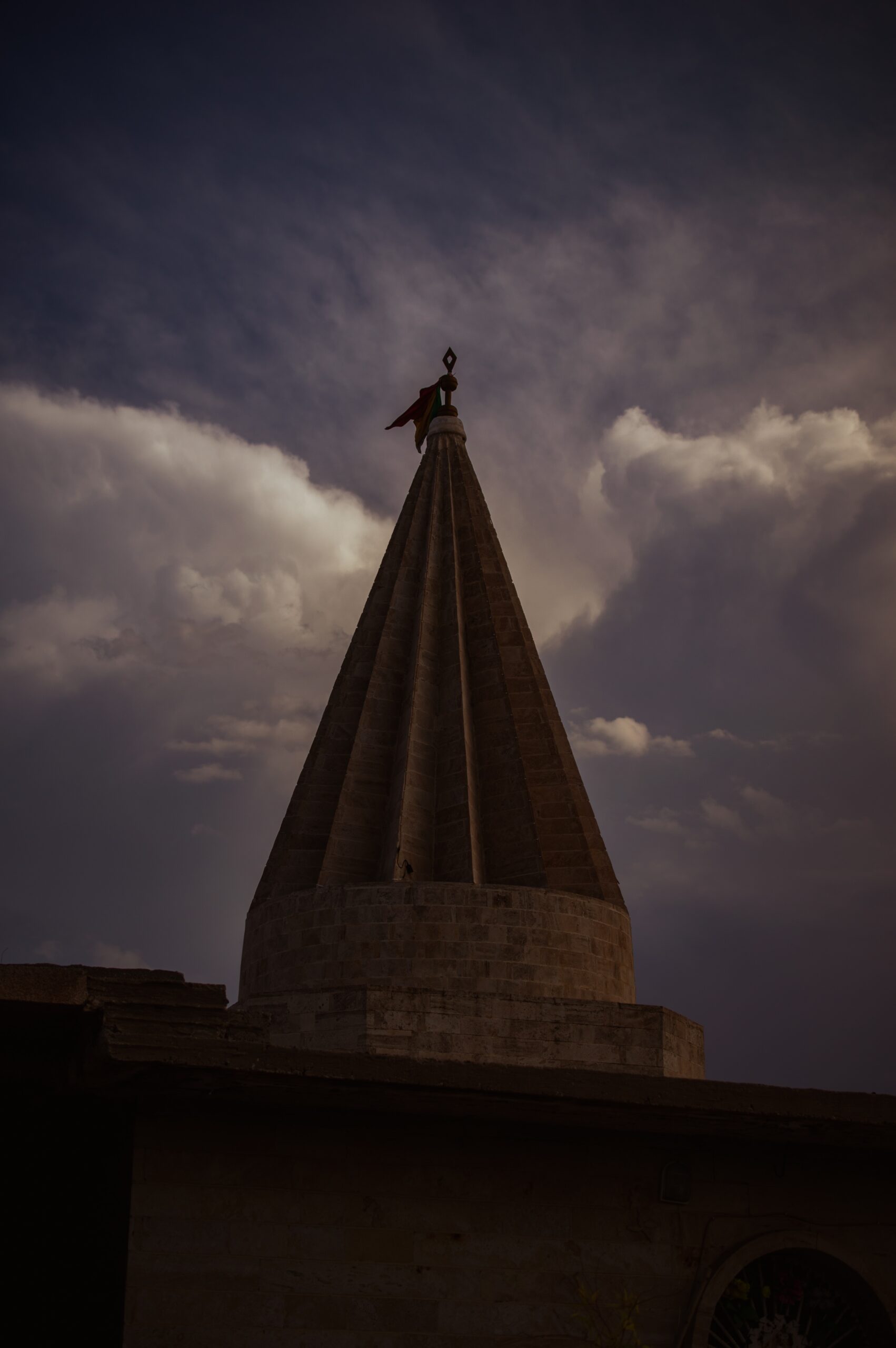
Photo by Levi Meir Clancy on Unsplash.
The Armenian Genocide and Ezidis Suffering
The Armenian Genocide, which took place during World War I, is primarily associated with the systematic extermination of the Armenian population by the Ottoman Empire. However, the Ezidis, who lived in proximity to Armenians, Assyrians, Kurds, and Turks, were also caught in the crossfire.
- Forced Deportations: Ezidis, like Armenians, were subjected to forced deportations and death marches. Many Ezidi villages were emptied as their inhabitants were forced to march to unfamiliar and arid regions, where they faced starvation and harsh conditions.
- Mass Killings: Ezidis, especially those who resisted forced conversions to Islam, were subjected to mass killings and atrocities. Many were massacred by Ottoman forces, with their historical records and sacred sites deliberately destroyed.
- Persecution by Kurds: During the Armenian Genocide, Kurdish tribes actively participated in the persecution of Ezidis. They seized Ezidi properties, kidnapped women and children, and subjected the Ezidi population to violence and displacement.
Forced Deportations
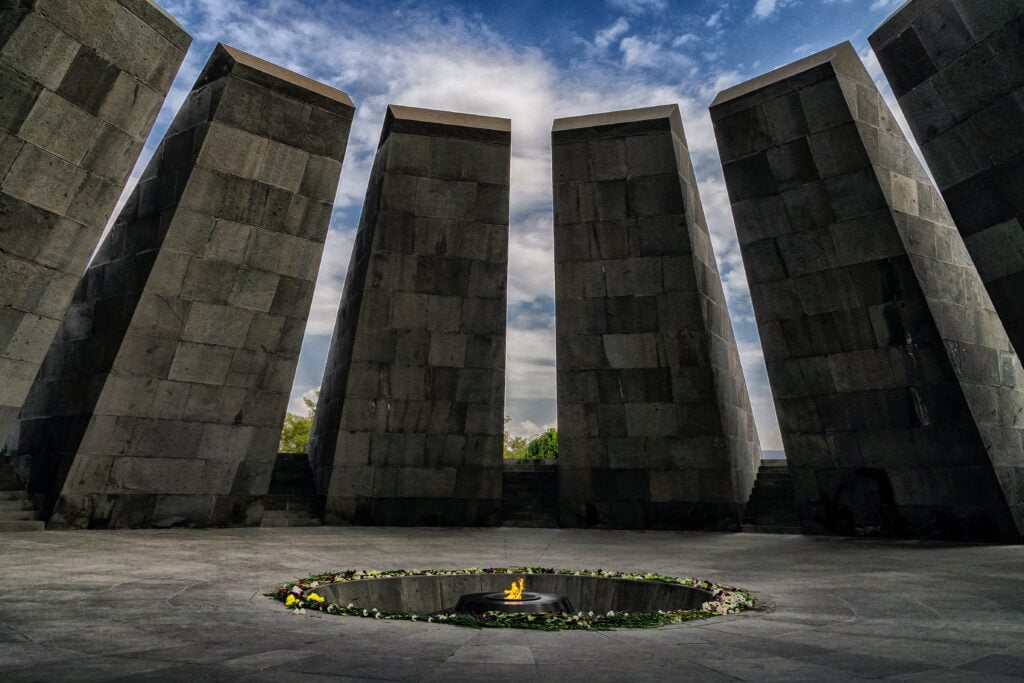
During the Armenian Genocide that unfolded during World War I, the Ezidi population found themselves trapped in a maelstrom of violence and persecution. Forced deportations and death marches became a grim reality for many Ezidis as they were subjected to inhumane treatment by the Ottoman Empire. This section explores the profound suffering endured by the Ezidis due to forced deportations.
The forced deportations of the Ezidis bore a striking resemblance to the experiences of their Armenian neighbours. Ezidi villages, like Armenian communities, were targeted for mass removal. Families were torn apart, with men, women, and children subjected to harrowing journeys that often led to desolate and unfamiliar regions.
The forced deportations were characterized by brutality and cruelty. Ezidis were given little time to prepare, and they were often stripped of their possessions, leaving them destitute. Families were separated, and the elderly and the young faced the same grueling hardships. Many were forced to march on foot for long distances, with little access to food or water. These forced death marches were punctuated by the agonising cries of the hungry and the wounded.
The conditions faced by Ezidis during these forced deportations were deplorable. They were crammed into overcrowded caravans, subjected to harsh weather conditions, and frequently left without shelter. Starvation and exhaustion were rampant, leading to the deaths of countless Ezidis along the way. The sick and the weak often perished due to the extreme physical toll of the journey.
The forced deportations of the Ezidis represented not only an act of mass displacement but also a systematic attempt to break their spirit and cultural identity. Many Ezidi villages were emptied, their inhabitants scattered across the Ottoman Empire’s vast territories. This dispersion not only resulted in the loss of lives but also in the dissolution of tight-knit Ezidis communities.
Mass Killings
The fate of Ezidis during the Armenian Genocide was marked by mass killings and unspeakable atrocities. While some Ezidis were forced to convert to Islam, others who resisted faced a horrifying fate at the hands of Ottoman forces.
Ezidis who clung to their ancient faith and resisted conversion were singled out for brutal treatment. Mass killings became a harrowing reality for many. Ottoman forces, driven by a zeal to eliminate non-Muslim communities, carried out massacres on a horrifying scale. Entire Ezidis communities were wiped out, leaving behind nothing but mass graves as grim testimony to the atrocities committed.
Ezidi historical records and sacred sites were deliberately destroyed as part of a concerted effort to erase their cultural and religious heritage. This cultural vandalism aimed not only to exterminate Ezidi lives but also to eradicate their identity from the annals of history.
The mass killings inflicted profound trauma on the Ezidis people. Survivors were left with enduring scars, both physical and psychological. The memory of loved ones lost and the horrors witnessed during the genocide haunt the collective consciousness of the Ezidis to this day.
Persecution by Kurds: A Painful Betrayal
During the Armenian Genocide, Kurdish tribes actively participated in the persecution of the Ezidis. This betrayal added another layer of suffering to the already beleaguered Ezidi population.
Kurdish tribes, who shared the same region as the Ezidis, played a particularly damaging role in the persecution. Kurds seized Ezidi properties, confiscating homes, lands, and possessions. This dispossession left Ezidis not only displaced but also stripped of their livelihoods and heritage.
Kidnappings and violence were also employed as tools of persecution by certain Kurdish groups. Ezidi women and children were kidnapped, and many faced unspeakable abuse and forced conversions to Islam. This cruel treatment compounded the trauma suffered by Ezidi, leaving them with deep emotional wounds.
The Ezidi population was subjected to violence and displacement, often at the hands of their Kurdish neighbours. This painful betrayal by fellow residents of the region further exacerbated the Ezidis suffering during the Armenian Genocide.
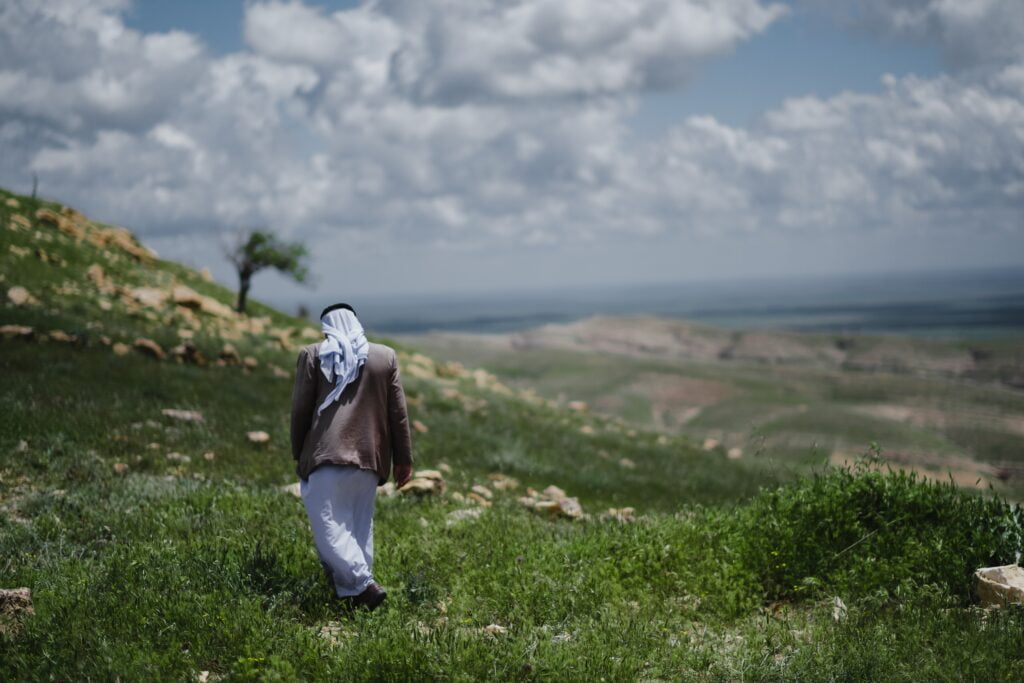
Photo by Levi Meir Clancy on Unsplash.
Aftermath and Ongoing Challenges
The Armenian Genocide officially ended with the collapse of the Ottoman Empire, but the Ezidis continued to face challenges. Their communities were shattered, and survivors struggled to rebuild their lives. Many Ezidis remain displaced, with their trauma compounded by the genocide’s long-lasting effects on their cultural and religious identity.
Ezidis experience during the Armenian Genocide highlights the complexity of ethnic and religious relations in the Middle East during a tumultuous period in history. Their experiences, while lesser-known than those of the Armenians, are a testament to the profound human tragedy that unfolded during this dark chapter in history.
Acknowledging and remembering the Ezidis historical persecution is essential not only for historical accuracy but also for understanding the broader context of ethnic and religious diversity in the region.It is a testament to their resilience that the Ezidis have persisted despite centuries of adversity, and their unique culture and faith continue to enrich the tapestry of the Middle East.
Recognising and remembering the Ezidis ordeal is essential for acknowledging the breadth of suffering that occurred during this period and for understanding the complexities of inter-ethnic relations in the Middle East.