
Beter om kinderen honger te laten lijden dan hulp van Ezidi’s te accepteren

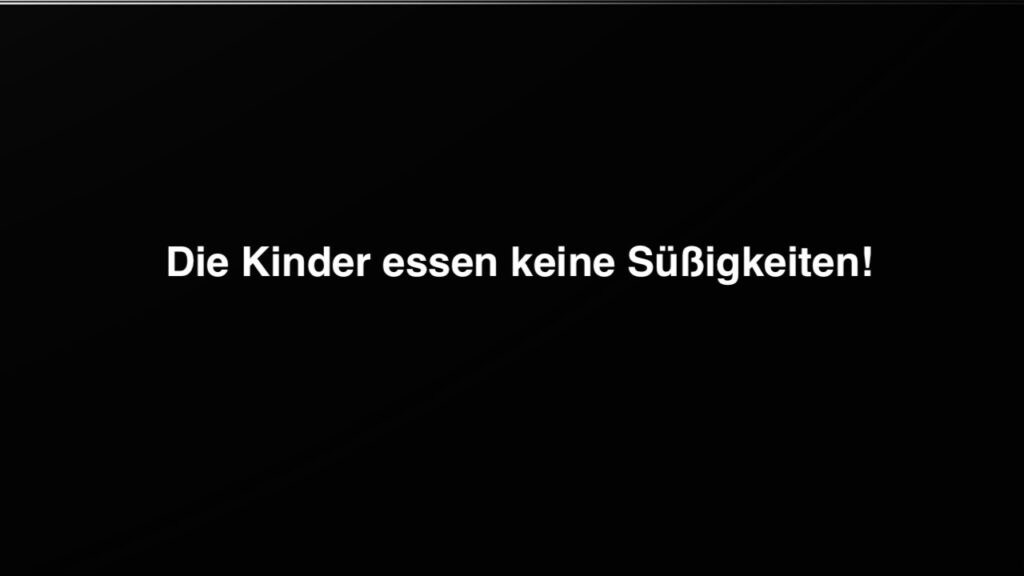
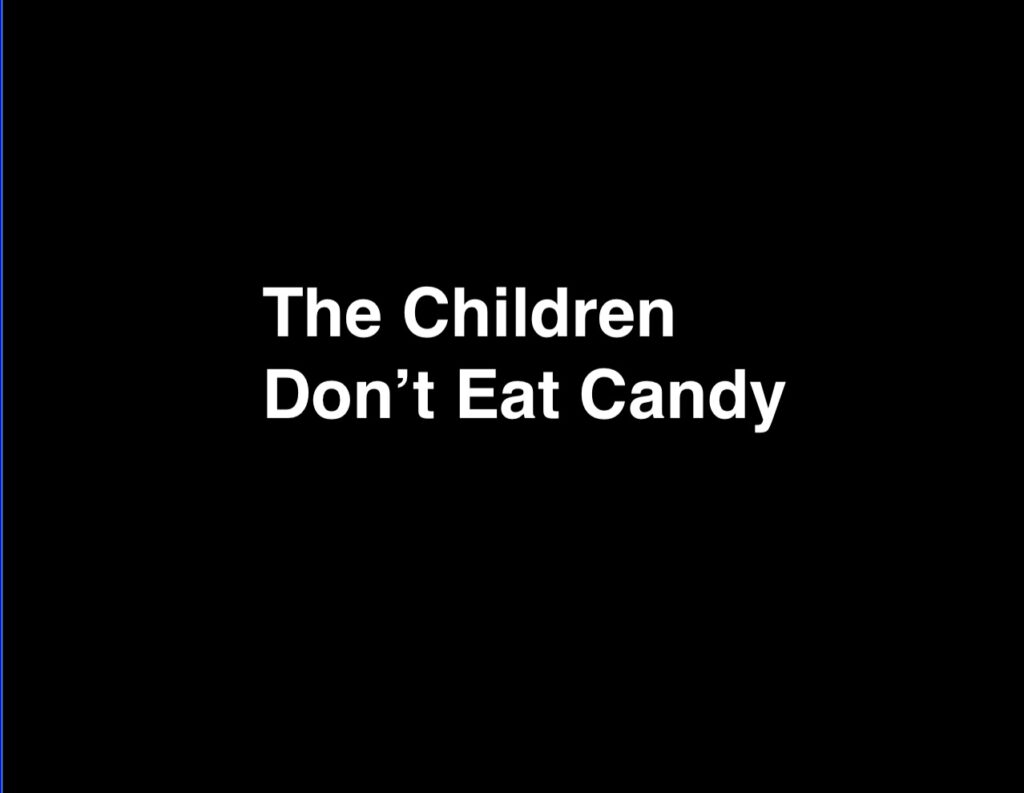
Een virale video toont een moslimvrouw die voedsel, speelgoed en snoep weigert van Ezidische vrouwen, waarmee de aanhoudende anti-Ezidische discriminatie wordt blootgelegd. Zelfs basisvriendelijkheid wordt afgewezen vanwege eeuwenoude vooroordelen tegen Ezidi’s, aanhangers van Sharfadin. De beelden laten zien hoe historische marginalisering — van de massamoorden in 1915 tot de genocide van 2014 — sociale interacties blijft beïnvloeden en hoe anti-Ezidische sentimenten genormaliseerd zijn in het dagelijks leven.
Melhor Deixar as Crianças Passarem Fome do Que Aceitar Ajuda de Ezidis

Um vídeo viral mostra uma mulher muçulmana recusando comida, brinquedos e doces oferecidos por mulheres Ezidis, expondo a persistência da discriminação anti-Ezidi. Até atos básicos de bondade são rejeitados devido ao preconceito secular contra os Ezidis, seguidores de Sharfadin. As imagens destacam como a marginalização histórica — desde os massacres de 1915 até o genocídio de 2014 — continua a moldar as interações sociais, mostrando que o sentimento anti-Ezidi permanece normalizado na vida cotidiana.

Mejor dejar que los niños pasen hambre que aceptar ayuda de los Ezidis

Un video viral muestra a una mujer musulmana rechazando comida, juguetes y golosinas de mujeres ezidis, exponiendo la persistencia de la discriminación anti-ezidi. Incluso los actos de bondad básica son rechazados debido a prejuicios centenarios contra los ezidis, seguidores de Sharfadin. Las imágenes destacan cómo la marginación histórica —desde las masacres de 1915 hasta el genocidio de 2014— continúa moldeando las interacciones sociales, mostrando que el sentimiento anti-ezidi sigue normalizado en la vida cotidiana.

Lieber hungrige Kinder, als Hilfe von Eziden anzunehmen

Ein virales Video zeigt, wie eine muslimische Frau Lebensmittel, Spielzeug und Süßigkeiten von ezidischen Frauen ablehnt und damit die anhaltende Anti-Eziden-Diskriminierung offenlegt. Selbst einfache Akte der Freundlichkeit werden aufgrund jahrhundertealter Vorurteile gegenüber Eziden, Anhängern von Sharfadin, zurückgewiesen. Das Material zeigt, dass historische Marginalisierung — von den Massakern 1915 bis zum Völkermord 2014 — weiterhin soziale Interaktionen prägt und Anti-Eziden-Einstellungen im Alltag normalisiert.

Better to Let Children Go Hungry Than Accept Help From Ezidis

A viral video shows a Muslim woman refusing food, toys, and candy from Ezidi women, exposing the persistence of anti-Ezidi discrimination. Even acts of basic kindness are rejected due to centuries-old prejudice against Ezidis, followers of Sharfadin. The footage highlights how historical marginalization—from the 1915 massacres to the 2014 genocide—continues to shape social interactions, showing that anti-Ezidi sentiment remains normalized in everyday life.

The Minority Quota Seats in the Iraqi Parliament – Its Structure and Purpose

The Ezidi quota seat in Nineveh was won by Khalid Sido, backed by the KDP, despite many independent Ezidi candidates from Sinjar running. The open voting system allowed non-Ezidi voters to influence the outcome, and the KDP’s organizational power ensured their candidate’s victory. As a result, the seat provides symbolic representation but limited political independence for Ezidis, leaving Sinjar’s displaced population with minimal influence over their own reconstruction, security, and rights.

Պատասխան Իկբալ Դյուրեին. Ինչու՞ Ռուսաստանում գտնվող եզդիները չեն հաշվառվում քրդական ժողովրդագրական վիճակագրության մեջ

Վերջերս «Ռուդավ»-ում հրապարակված հոդվածում Իկբալ Դյուրեն մի քանի պնդումներ է անում Ռուսաստանում քրդերի թվի վերաբերյալ և պնդում, որ պաշտոնական թվերը...

Uma resposta a İkbal Dürre: por que os Ezidis na Rússia não são contados nas estatísticas demográficas curdas

İkbal Dürre afirma que os Ezidis na Rússia deveriam ser contados como curdos. Mas isso ignora um fato fundamental: os Ezidis são um povo com identidade própria e uma fé — Sharfadin — que antecede e se distingue da identidade curda. Se eles se identificam como Ezidis, a Rússia os registra corretamente. Forçá-los a entrar em estatísticas curdas seria uma distorção de sua identidade.

Respuesta a İkbal Dürre: Por qué los Ezidis en Rusia no se contabilizan en las estadísticas demográficas kurdas

Rusia contabiliza a los Ezidis como Ezidis porque así se identifican ellos mismos. Los Ezidis son un pueblo con una identidad étnica ancestral y una fe propia, el Sharfadin, distinta y anterior a cualquier otra clasificación. Reducirlos a una etiqueta que rechazan no es análisis demográfico, sino una imposición política sobre la identidad de un pueblo.

Een antwoord aan İkbal Dürre over waarom Ezidi’s in Rusland niet als Koerden worden geteld

In een recent opiniestuk beweert İkbal Dürre dat Rusland het aantal Koerden verkeerd telt, omdat Ezidi’s zich als Ezidi’s registreren en niet als Koerden. Dit argument negeert een fundamenteel feit: Ezidi’s zijn een eigen volk, met een eeuwenoude etnische identiteit en de religie Sharfadin, die losstaat van een Koerdische identiteit. Wanneer Ezidi’s zichzelf als Ezidi identificeren en Rusland hen dienovereenkomstig registreert, is dat geen fout, maar een correcte erkenning van wie zij zijn.

9 декабря — День памяти, достоинства и ответственности

Сегодня мы вспоминаем жертв геноцида и напоминаем: езидский геноцид продолжается последствиями. Тысячи остаются в перемещении, многие всё ещё пропавшие. Память должна вести к справедливости и предотвращению новых преступлений.

The International Day of Genocide Commemoration: A Reminder the Ezidi Genocide Is Not Over

On 9 December, the world marks the International Day for the Victims of Genocide — established in 2015 on Armenia’s initiative. For Ezidis, this day is a reminder that the 2014 genocide is not history. Nearly 200,000 Ezidis remain displaced, more than 2,500 are still missing, and mass graves in Sinjar await proper identification. remembrance must lead to justice, accountability, and real prevention.