
The International Day of Genocide Commemoration: A Reminder the Ezidi Genocide Is Not Over

On 9 December, the world marks the International Day for the Victims of Genocide — established in 2015 on Armenia’s initiative. For Ezidis, this day is a reminder that the 2014 genocide is not history. Nearly 200,000 Ezidis remain displaced, more than 2,500 are still missing, and mass graves in Sinjar await proper identification. remembrance must lead to justice, accountability, and real prevention.
A Response to İkbal Dürre: Why Ezidis in Russia Are Not Counted in Kurdish Demographic Statistics

This article responds to İkbal Dürre’s claims about why Ezidis in Russia are not counted within Kurdish demographic statistics. Ezidis identify as Ezidi, not Kurdish, and Russia records them accordingly. Labeling them as Kurds ignores their distinct identity, their Sharfadin faithh. Ezidis reached Russia after the 1915 genocide that the kurds cmmited againt them.

Turkey’s Non-Sunni Minorities, Ezidis Among Them, Face Growing Hostility –

A new report highlights rising hostility in Turkey toward Ezidis, Jews, Alevis, and Christians. Between 2023 and 2024, state institutions increasingly aligned with Sunni Islam, historic sites were reconverted, schools expanded compulsory Sunni instruction, and minorities faced harassment and attacks. The findings show that legal guarantees alone are not enough—protecting diverse communities requires political will, accountability, and respect for long-standing cultures.

Sinuni: A Town Whose Name Carries a People’s Memory

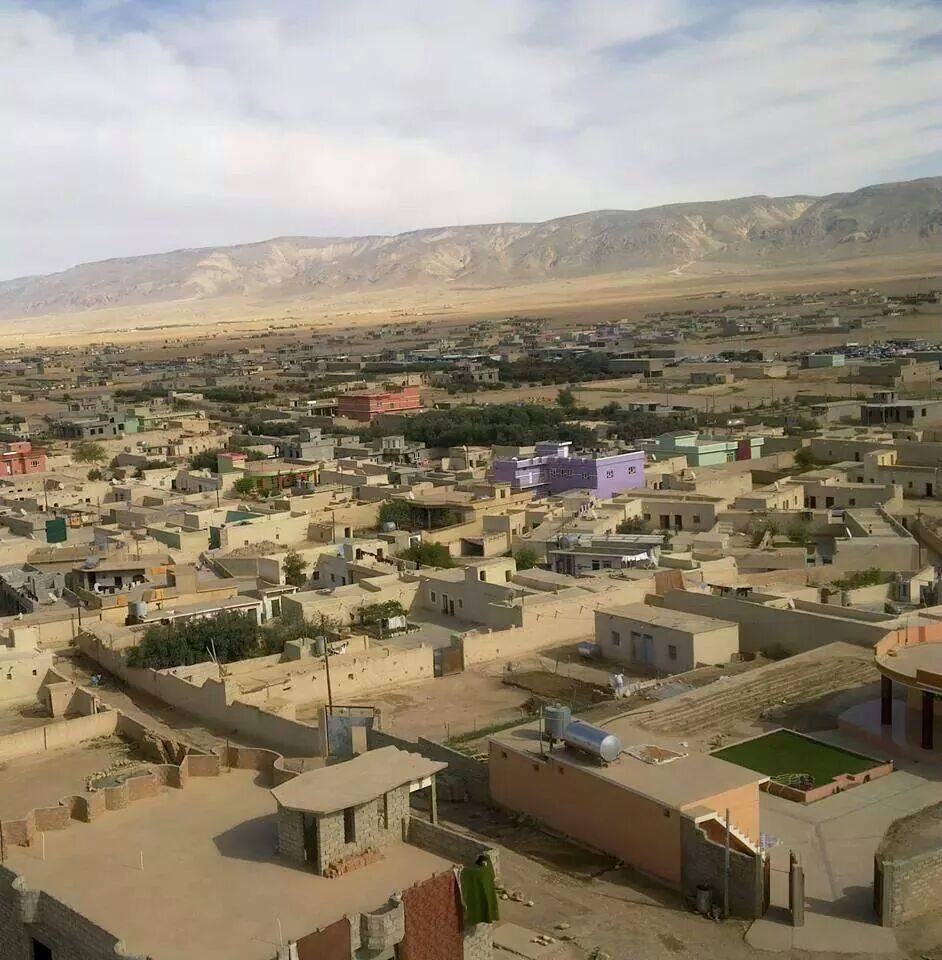
Sinuni, whose name means “our spring” in the Ezidi language, is one of the central towns of the Sinjar region. Once known for its quiet rural life, it was devastated during the 2014 ISIS genocide. Today, Ezidis continue to rebuild it house by house, field by field. Sinuni stands as a place where loss, memory, and resilience meet — a reminder that even after destruction, renewal is possible.

Nadia Murad Honored with Doctorate in Peru for Her Work Defending Human Rights

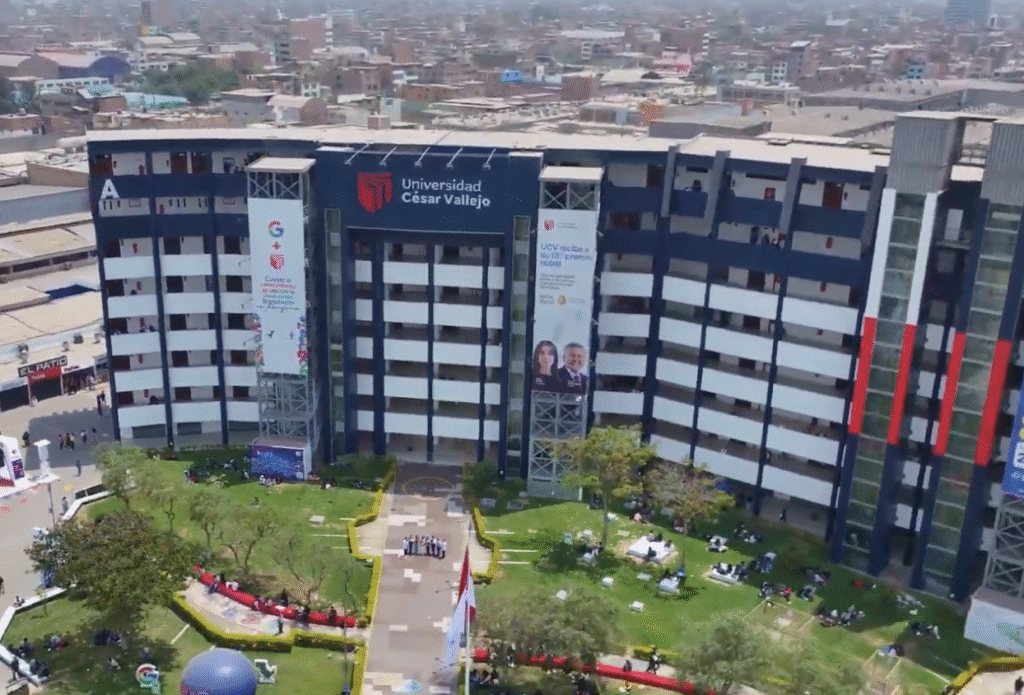
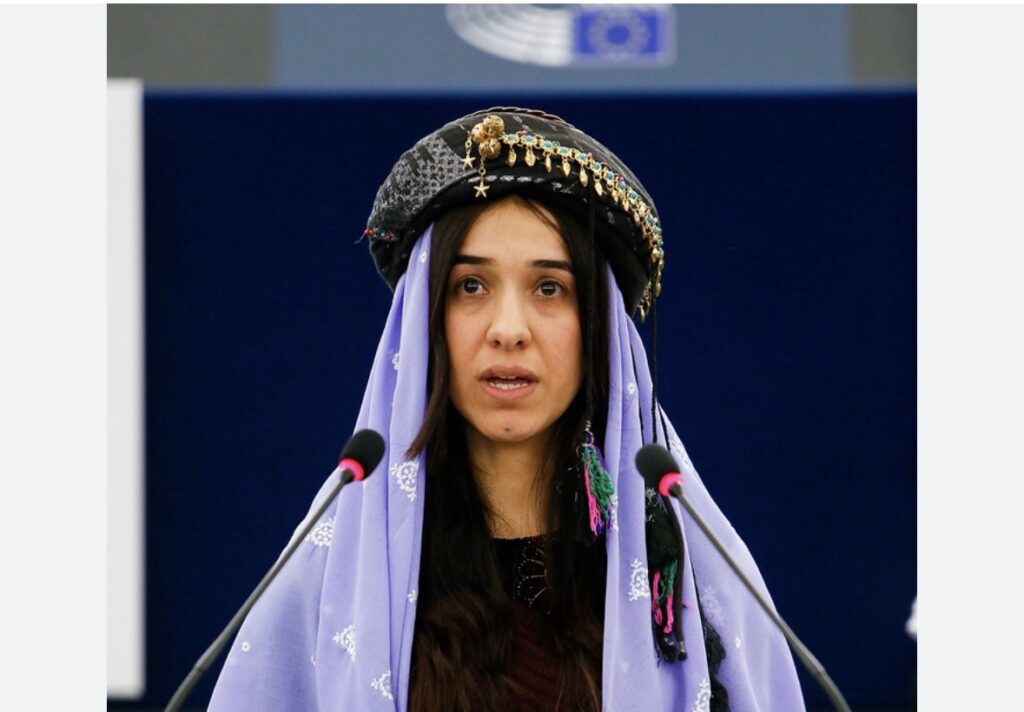
Nadia Murad has been awarded an honorary doctorate by César Vallejo University in Peru for her global advocacy against sexual violence in conflict and her ongoing work for Ezidi survivors. During the university’s 34th anniversary ceremony, Murad highlighted the power of education in rebuilding lives after genocide — a message that continues to resonate more than a decade after the 2014 atrocities.

Belgium to hold first genocide trial for crimes against Ezidis

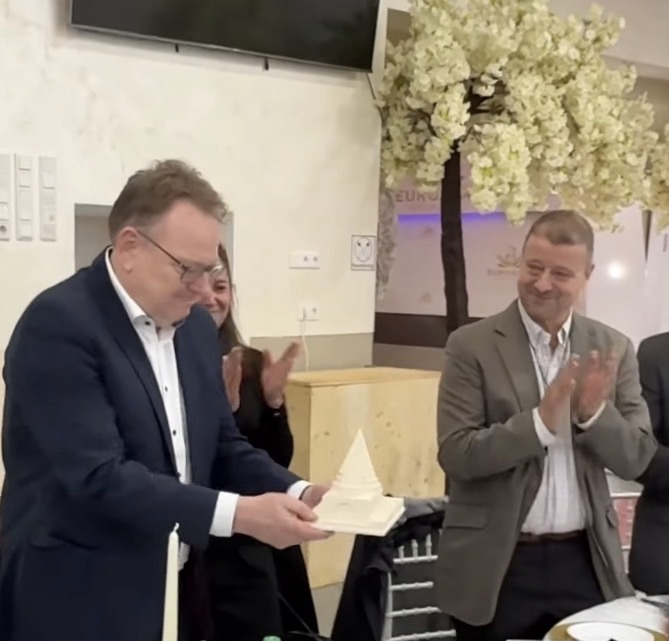
Belgium is set to hold its first-ever trial for genocide against the Ezidi people, as IS fighter Sammy Djedou faces charges in absentia for murder, rape, and sexual enslavement. For the survivors who will testify, the courtroom is more than a legal stage — it is a rare space to confront the violence that shattered their lives and to assert that the world cannot forget the genocide against the Ezidis.

Ezidi Design on Kurdish Catwalk: Respect or Cultural Appropriation?

When a Kurdish designer presented a traditional Ezidi dress on the runway in Milan, many applauded the gesture as a sign of inclusion. But is it really recognition—or appropriation? For Ezidi Times, the question runs deeper: why must Ezidis rely on others to showcase their traditions, and what does it mean when their heritage is absorbed into a broader Kurdish narrative? At stake is not just fashion, but the survival of an ancient people’s identity.