
Exclusive Interview with SELODEUXSEPT
Ezidi Times is happy to start 2026 with an exclusive interview with the Ezidi artist SELODEUXSEPT.We would like to begin...
Aleppo’s 5,000 Ezidis are trapped under siege in Sheikh Maqsoud, Ashrafieh, and al-Suryan, facing electricity outages, medicine shortages, and forced displacement. Nearly 1,200 families have already fled, while thousands remain at risk. Ezidi Times calls on Germany and the international community to act immediately and ensure the newly de facto Syrian government protects Ezidis.
Ezidis in Khanke and Sharia fear that recent land allocations to non-Ezidis could slowly change the demographic makeup of these historic Ezidi areas, threatening their identity, culture, and ancestral lands.
Haje Bakoyan is a leading Ezidi activist in Armenia working to expand educational and social opportunities for Ezidi women and girls. As the director of Shams Humanitarian NGO, she addresses challenges such as early marriage, limited access to education, economic exclusion, and lack of self-confidence among Ezidi girls. Her work is grounded in the belief that lasting change can occur without abandoning Ezidi traditions or the faith of Sharfadin, by strengthening families, promoting education, and creating space for women to participate fully in social and economic life.
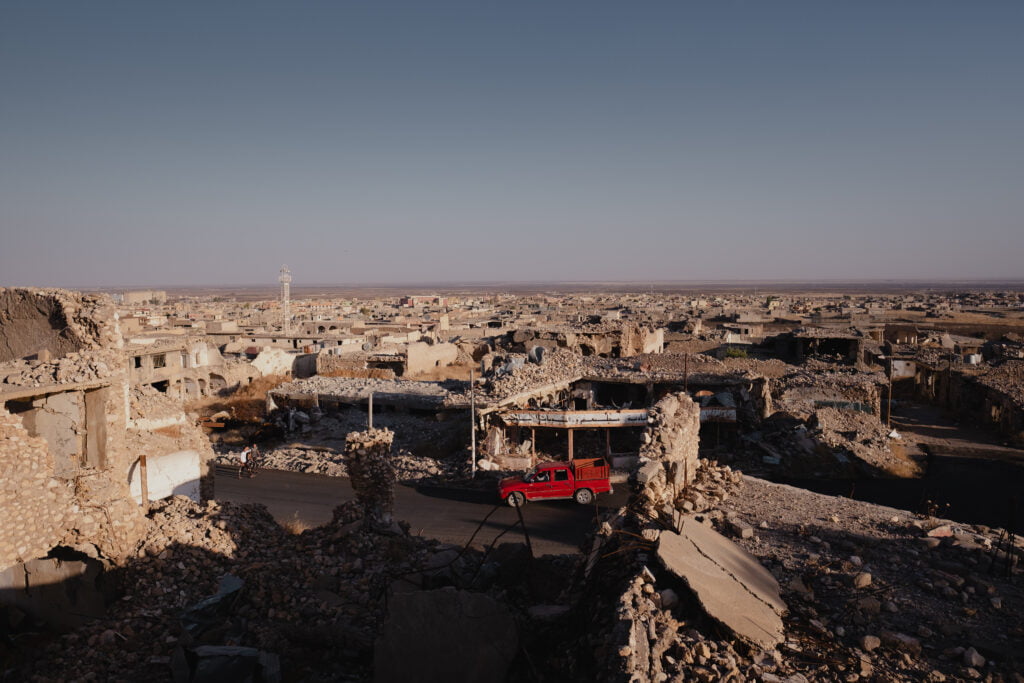
Kurdish Peshmerga disarmed and trapped civilians, cooperated with ISIS fighters, and left Sinjar defenseless in 2014. From the 2007 bombings to the post-genocide occupation, the destruction of the Ezidis was not ISIS alone—it was systematically enabled by those claiming to protect them.
Fires tore through two Ezidi displacement camps near Zakho, destroying dozens of shops and several tents and leaving hundreds of families without their only source of income. More than eleven years after the Ezidi genocide, repeated camp fires once again expose unsafe living conditions, lack of protection, and the continued failure to ensure dignified, voluntary return for displaced Ezidis.
In 2023, Ezidi Times published an article raising concerns about a Kurdish singer using Ezidi traditional clothing in a music video and presenting it as “Kurdish.”
The video shows women in Ezidi attire dancing with weapons, portraying a peaceful and sacred culture in a violent, distorted way — and even attempts to include Ezidis under an artificially constructed “Kurdish” identity.
This is more than cultural appropriation — it is cultural and identity theft happening right before our eyes. The problem still remains and deserves far more attention. The article explores why this matters and is a big issue.
Gülsüme Oğuz’s exhibition brings the experiences of Ezidi women into focus, portraying their journeys of survival, displacement, and resilience through powerful visual storytelling. The works reflect both the immense hardships these women have endured and their courage, strength, and determination, transforming personal and collective trauma into a testament to the enduring power of womanhood.
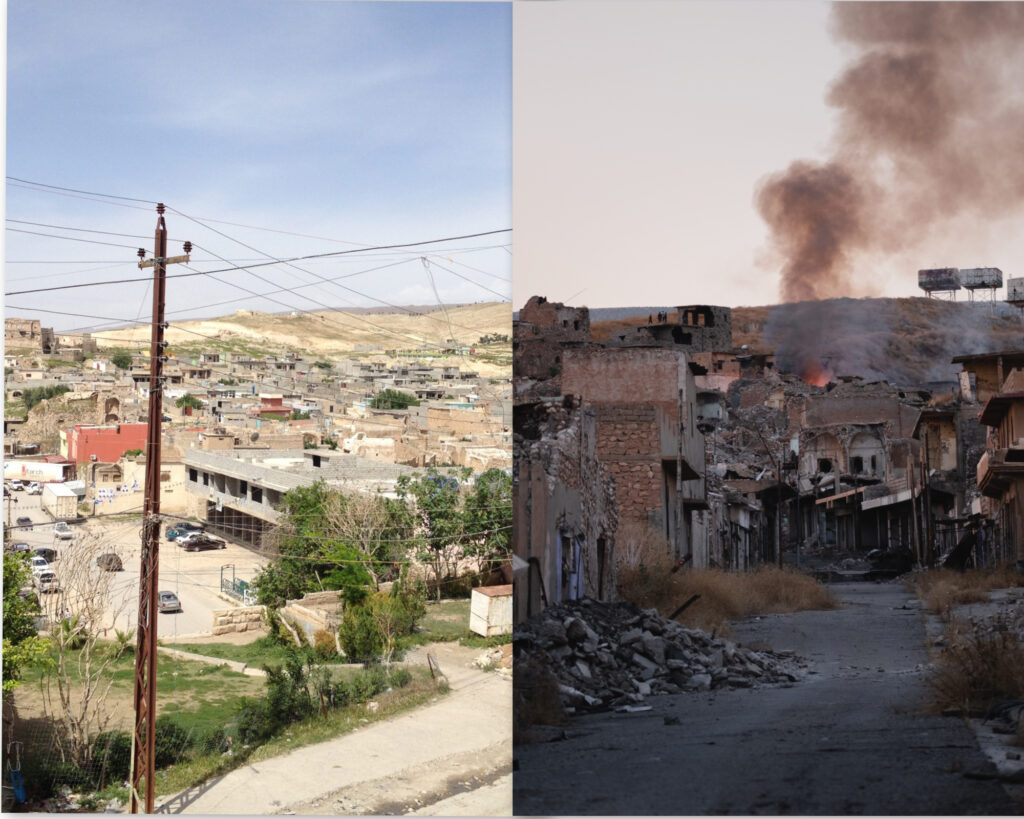
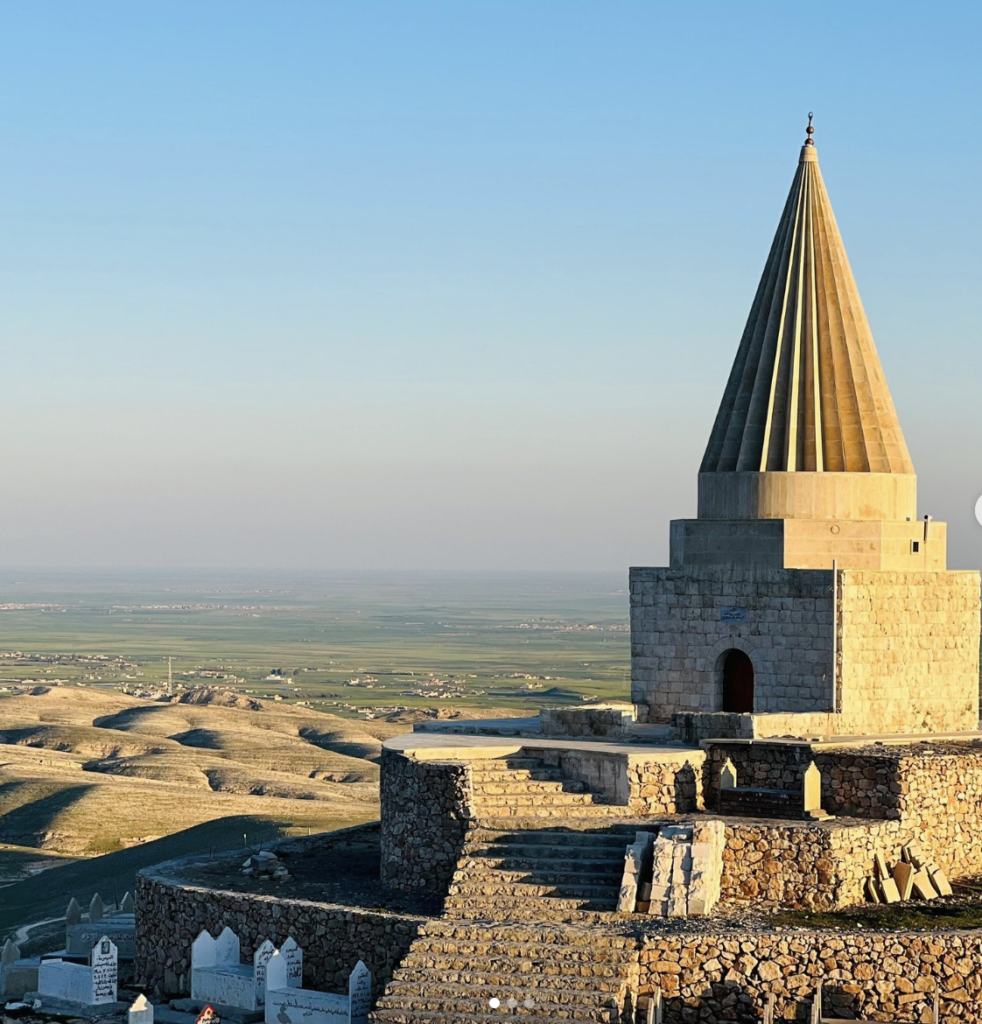
Mağara (Ezidi) Village, once abandoned during decades of violence, is reopening to tourists. The village offers a rare insight into the Ezidis, followers of Sharfadin, and their centuries-old traditions—finally shedding light on a history often misunderstood.
As Barham Salih prepares to assume leadership of the UN refugee agency, an advisor to Iraq’s prime minister has called on him to make the prolonged displacement of Ezidis a top priority, highlighting stalled reconstruction, ongoing insecurity, and the continued inability of thousands to return to Sinjar.
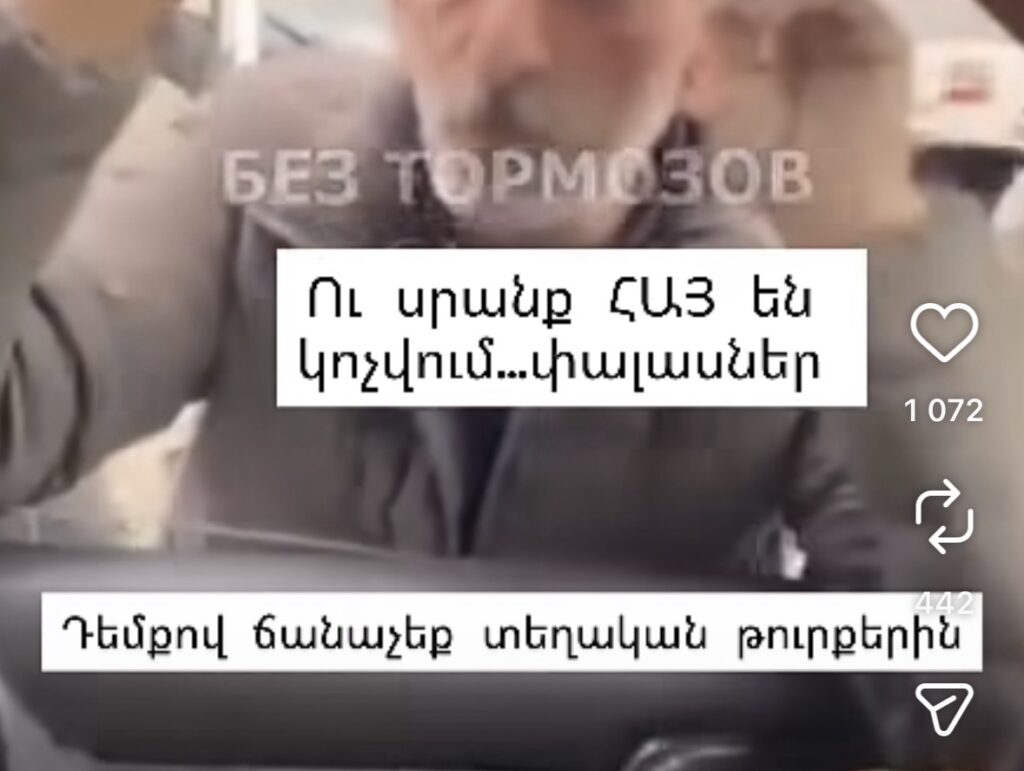
A viral video shows a Muslim woman refusing food, toys, and candy from Ezidi women, exposing the persistence of anti-Ezidi discrimination. Even acts of basic kindness are rejected due to centuries-old prejudice against Ezidis, followers of Sharfadin. The footage highlights how historical marginalization—from the 1915 massacres to the 2014 genocide—continues to shape social interactions, showing that anti-Ezidi sentiment remains normalized in everyday life.
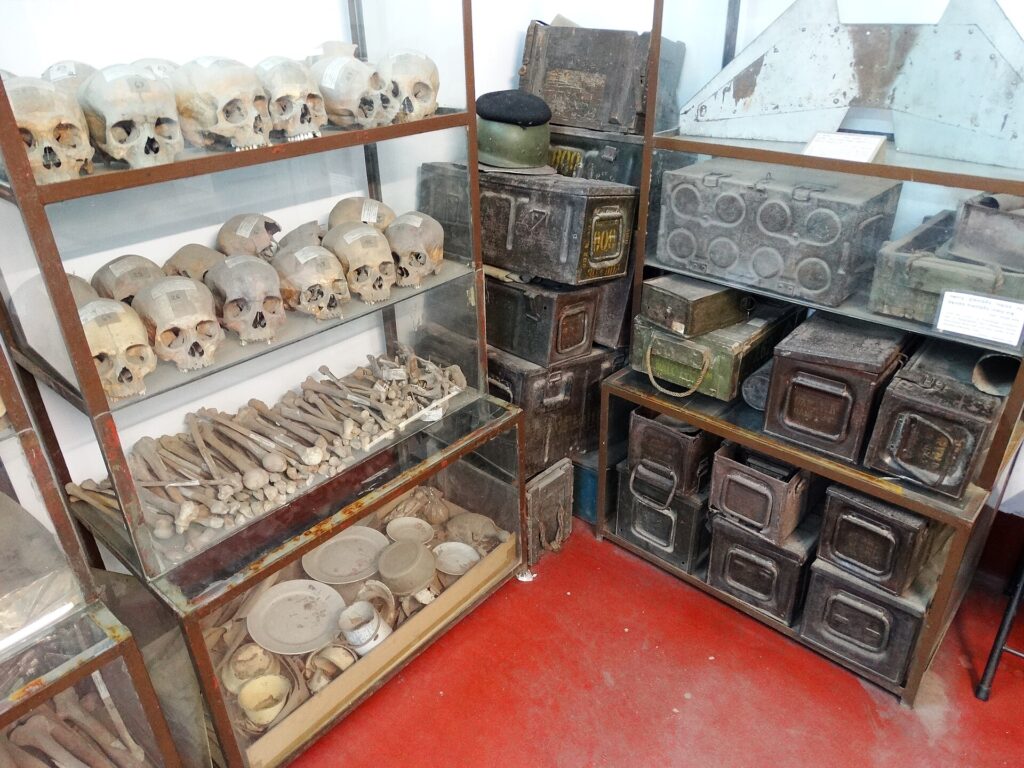
Iraq has launched a nationwide campaign to collect DNA samples from relatives of Ezidi victims of the 2014 genocide, aiming to identify remains from mass graves in Sinjar and provide long-awaited answers to families still searching for the missing.
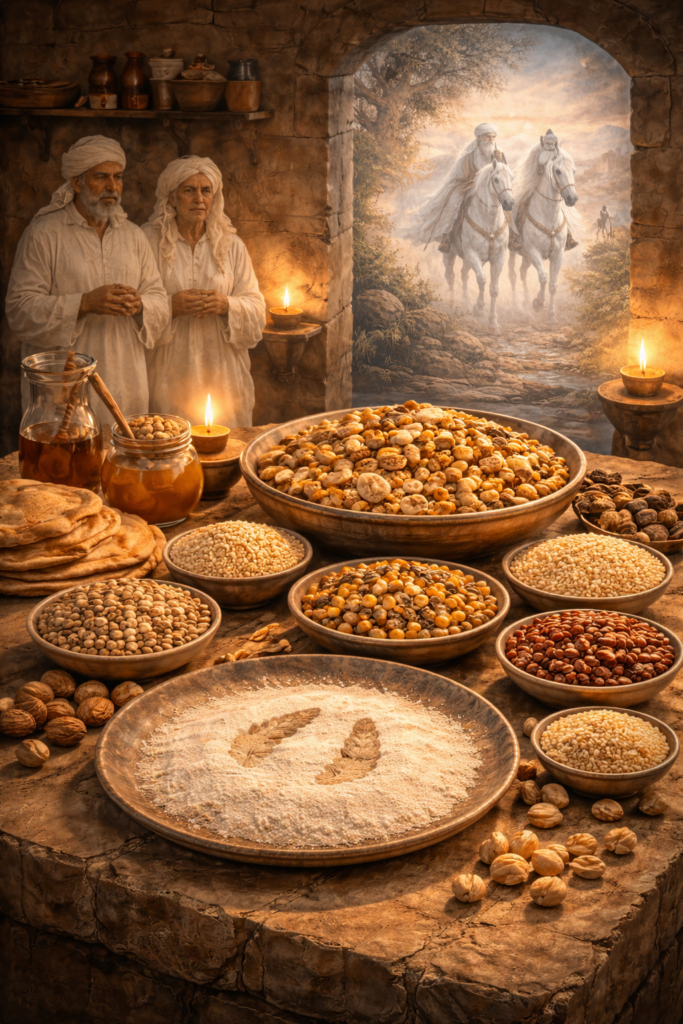
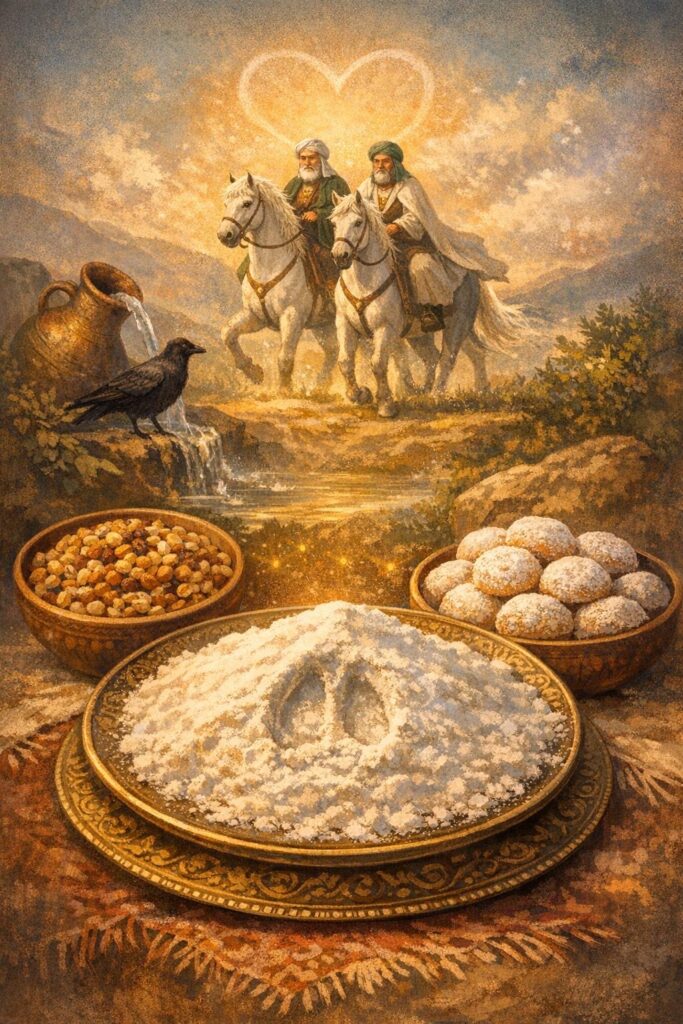
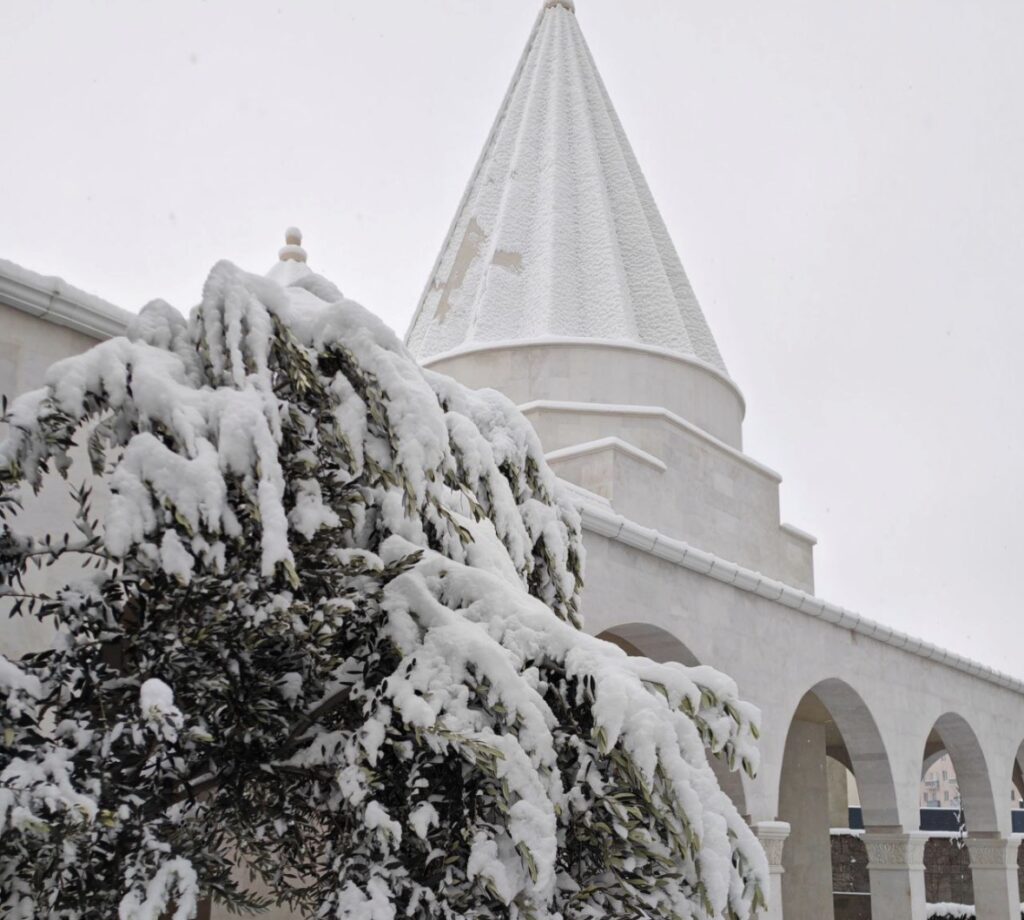
On the 16th of December, the three-day fast of Rojîyê Êzid began, honoring Sultan Ezid (Ezdit), a manifestation of the Creator in the Sharfadin faith. This sacred period of fasting, prayer, and reflection celebrates the birth of light, spiritual purification, and the divine presence in the world. Rojiyên we bi xêr û xoşî bin!
In the Midnight Library, Nora Seed explores the lives she might have lived, only to discover that happiness isn’t found in perfection—it’s found in the choices we make today.
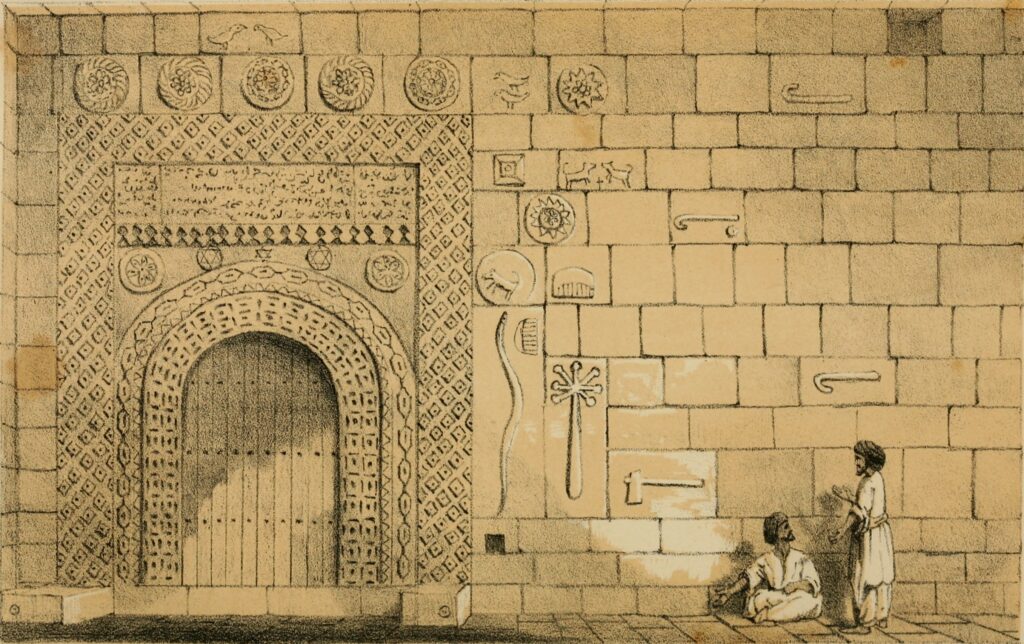
A rare set of 1930s photographs has been uncovered, capturing the daily life, traditions, and sacred sites of the Ezidi people in northern Iraq—preserving moments of a culture nearly erased by history.
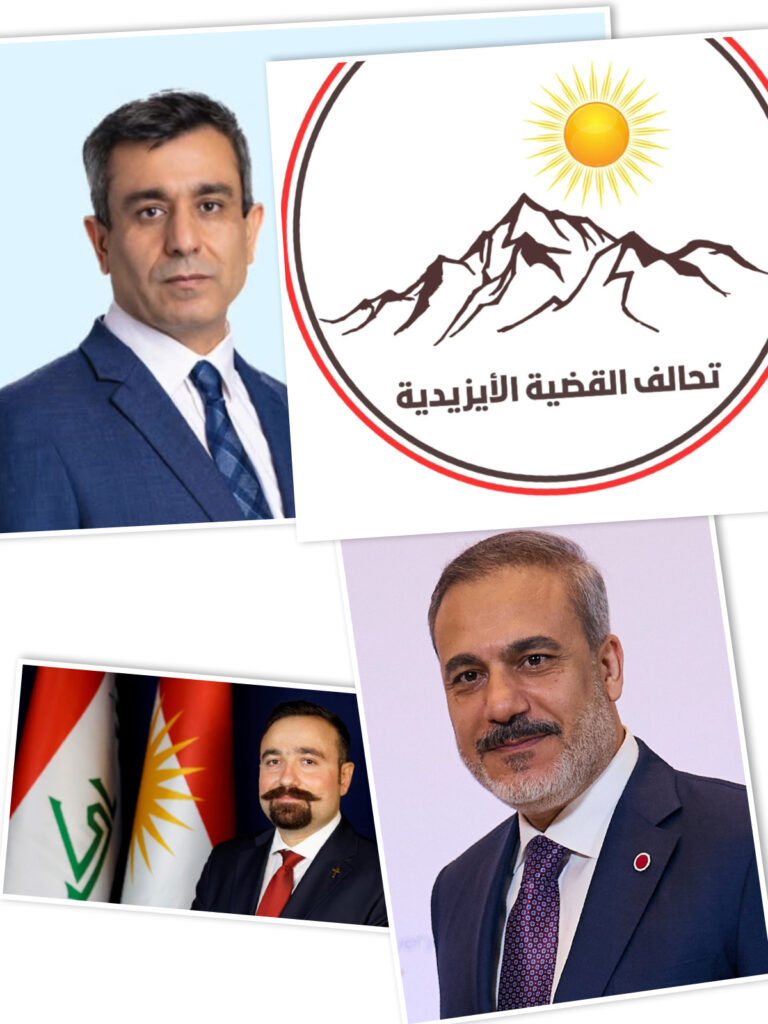
The Ezidi quota seat in Nineveh was won by Khalid Sido, backed by the KDP, despite many independent Ezidi candidates from Sinjar running. The open voting system allowed non-Ezidi voters to influence the outcome, and the KDP’s organizational power ensured their candidate’s victory. As a result, the seat provides symbolic representation but limited political independence for Ezidis, leaving Sinjar’s displaced population with minimal influence over their own reconstruction, security, and rights.
This week, from 9 to 12 December 2025, Ezidis observe Aida Xwudane Male, honoring the family patron saints with fasting, reflection, and the sacred Dua Sifrê prayer—a ritual that reconnects families with their spiritual heritage and the blessings of Sharfadin.
On 9 December, the world marks the International Day for the Victims of Genocide — established in 2015 on Armenia’s initiative. For Ezidis, this day is a reminder that the 2014 genocide is not history. Nearly 200,000 Ezidis remain displaced, more than 2,500 are still missing, and mass graves in Sinjar await proper identification. remembrance must lead to justice, accountability, and real prevention.
Assyrian football player Dyana Dawood is breaking barriers for minorities in Iraq. From Mosul to the national team, her journey inspires young athletes to embrace their heritage and pursue their dreams against all odds.
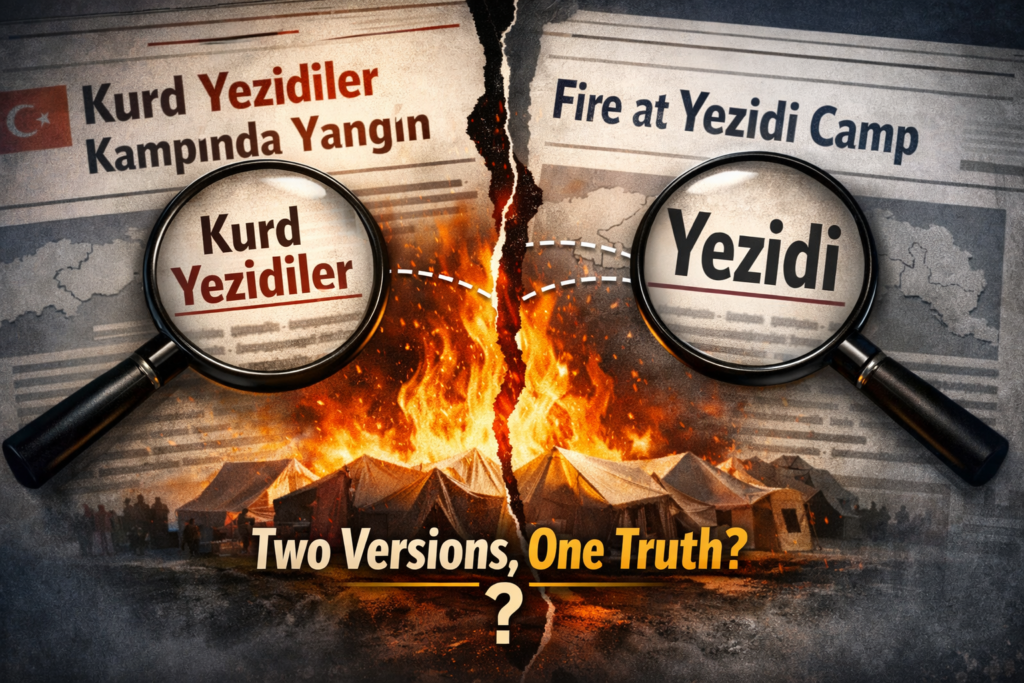
This article responds to İkbal Dürre’s claims about why Ezidis in Russia are not counted within Kurdish demographic statistics. Ezidis identify as Ezidi, not Kurdish, and Russia records them accordingly. Labeling them as Kurds ignores their distinct identity, their Sharfadin faithh. Ezidis reached Russia after the 1915 genocide that the kurds cmmited againt them.