Kurds Returning to Armenia: A Grave Security Risk

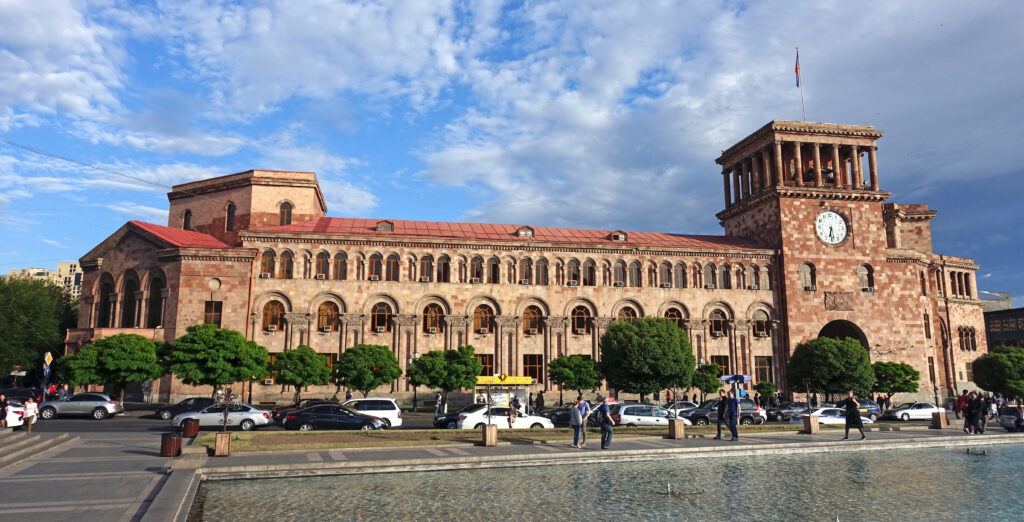
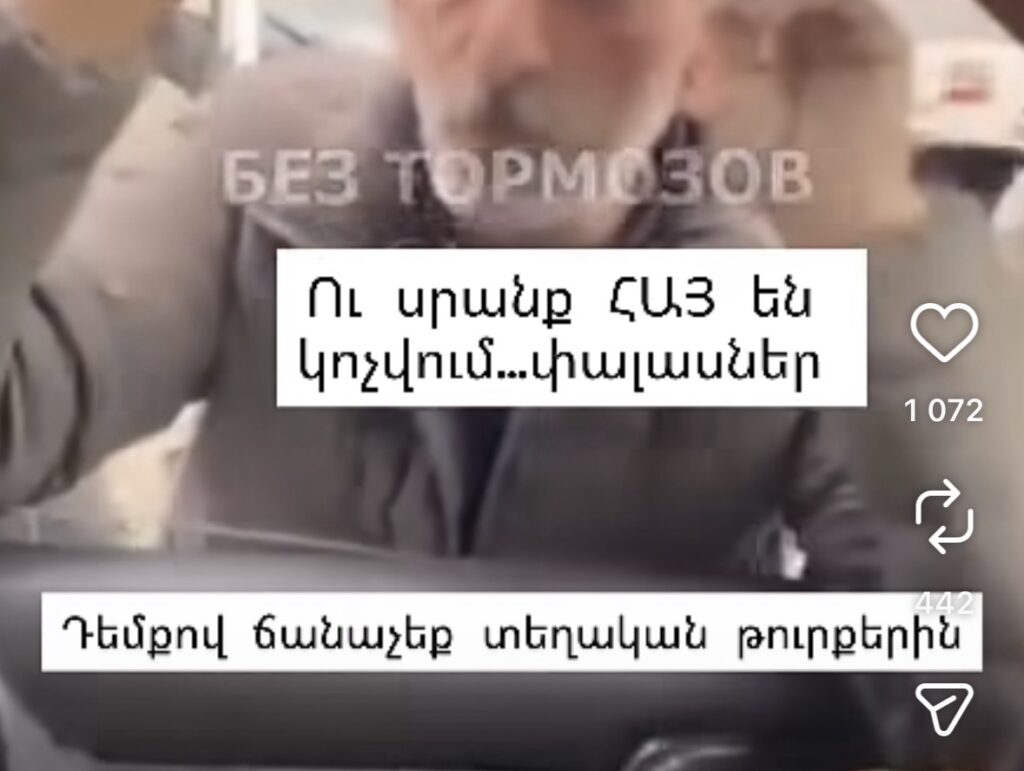
In the late 1980s, during the Armeniaโ€“Azerbaijan war, many Kurds left Armenia, openly stating they would not fight against their Muslim brothers. They relocated to Kazakhstan and remained there for decades, removed from the political and military realities Armenia faced. This development raises legitimate security concerns. Individuals who once refused to defend the state on religious grounds demonstrated that their loyalty was conditional. If loyalty is defined by religion rather than citizenship, the implications are serious. In any future conflict involving a Muslim-majority country, where would such actors stand? Armenia cannot ignore this question.

Rudawโ€™s Obsession with Ezidis: Twisting Truth Across Languages

Rudaw recently published two versions of the same story about a fire at an Ezidi campโ€”one calling them โ€œEzidi Kurdsโ€ in Turkish, the other โ€œYazidiโ€ in English. Beyond the inconsistency, the facts differ, raising serious questions about journalistic ethics. Why is there such an obsession with Ezidis, their religion, language, and history? Itโ€™s time for media to stop politicizing truth and start reporting honestly.

The Holiday of Xidir รŠliyas and Xidir Nebรฎ in Sharfadin

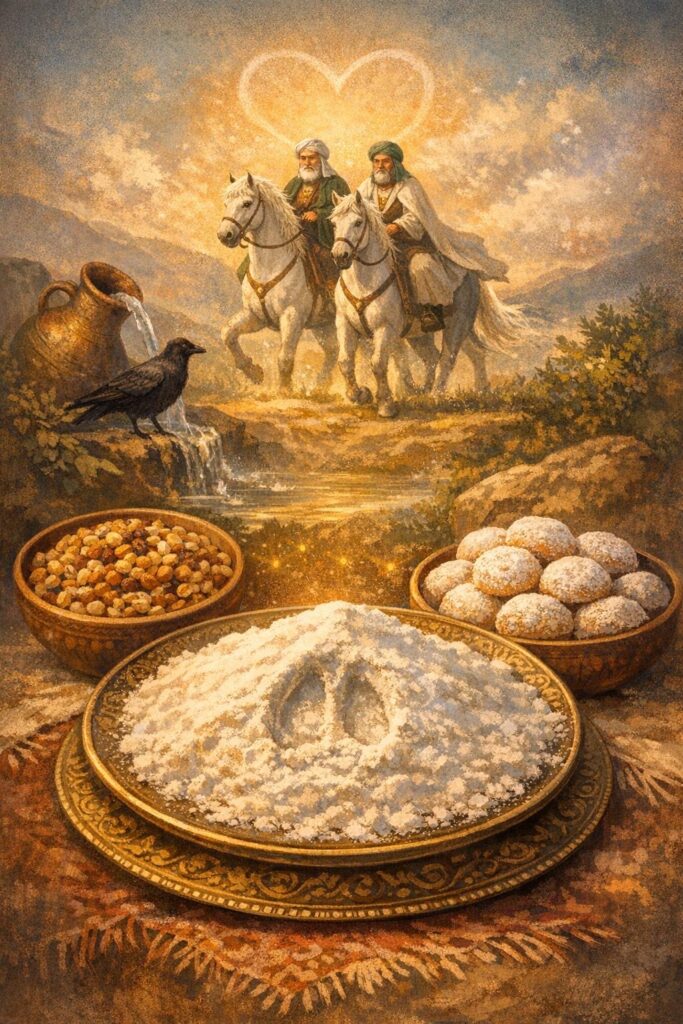
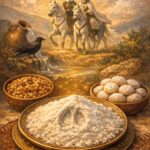
The holiday of Xidir รŠliyas and Xidir Nebรฎ is a sacred Ezidi holiday honoring the immortal saints Xidir รŠliyas and Xidir Nebรฎ, guardians of life, love, and protection. Observed each year in February, the days combine voluntary fasting, preparation of symbolic foods called the Sacred Seven, and rituals that invite blessings into the home. From the mystical hoofprint sign to the making of Pekhรปn, the holiday celebrates healing, divine guidance, and the renewal of both body and spirit.

Exposing the Kurdish Lies About โ€œEzidi Supportโ€

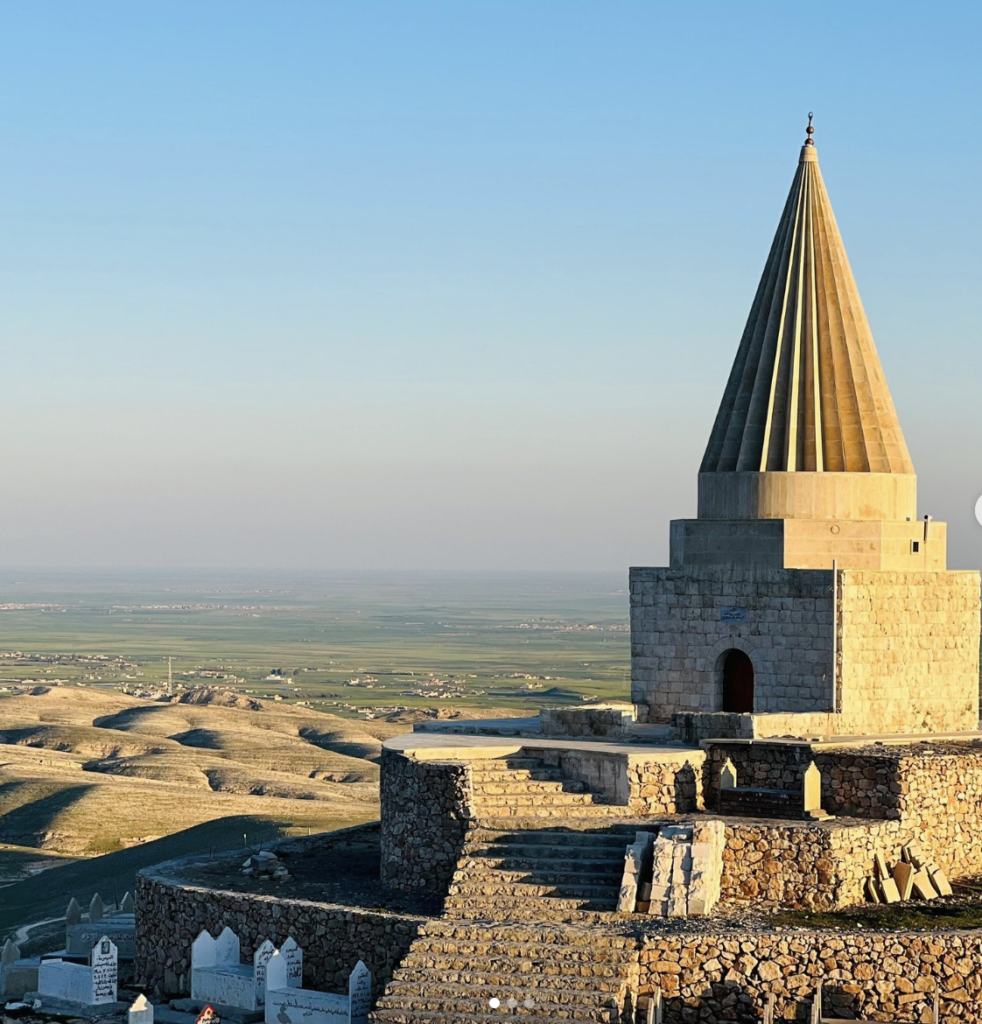
Rudaw claims that Ezidis are โ€œKurds,โ€ repeating the long-standing attempt by Neรงirvan Barzani and the KRG to co-opt our identity. Ezidis are our own people, followers of Sharfadin, with our own history, rights, and voice. Germany supports displaced Ezidis because it is their responsibility, not because of Barzani. Calling us โ€œKurdish Ezidisโ€ erases our identity, hides decades of marginalization, and tries to use us for political gain. Ezidis are independent, and no politician or media outlet can rewrite our history or take away our future.

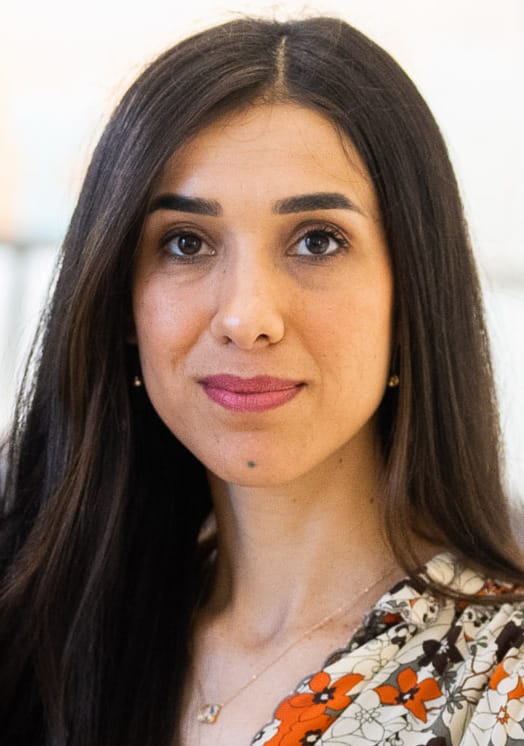
Nadia Murad Meets European Parliament President, Renewing Focus on Accountability for Crimes Against Ezidis

Nadia Murad met with European Parliament President Roberta Metsola in a discussion reinforcing international attention on accountability for the 2014 genocide against Ezidis in Iraq. A survivor of the genocide, Murad has spent the past decade advocating for justice, recognition, and protection for survivors of sexual violence in conflict. The meeting highlights continued engagement between European institutions and global advocates working to ensure that crimes committed against Ezidis and their Sharfadin faith remain recognised and addressed at the international level.

Military Shifts at the Syrian Border Raise Concerns in Sinjar

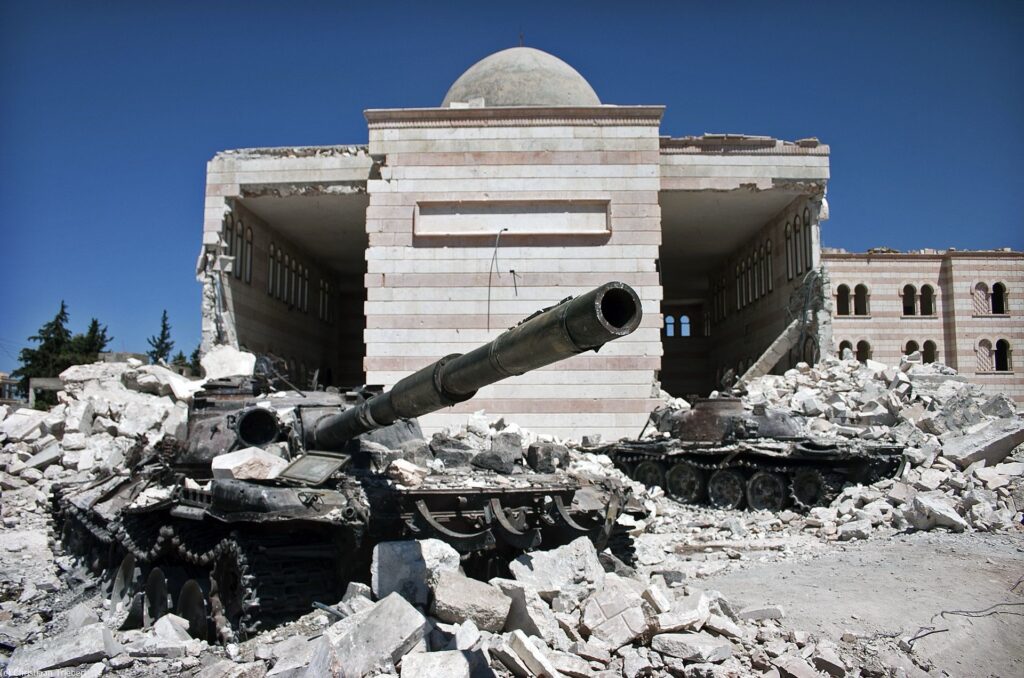
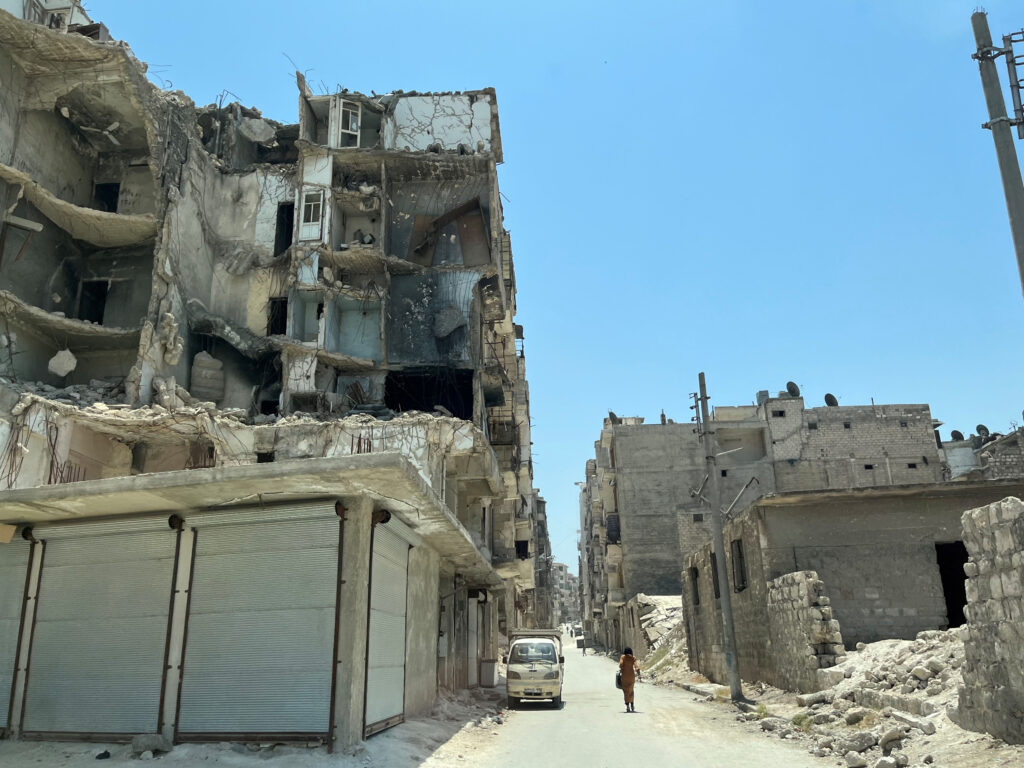
Recent military developments along the Syrian-Iraqi border have drawn significant attention in Sinjar, an area that remains deeply marked by the events of 2014. The arrival and positioning of forces aligned with the Syrian state near the border has prompted heightened alert among local defense groups and residents, reflecting longstanding fears shaped by past violence against Ezidis.

Ezidi Girl Receives Citizen of the Year 2026

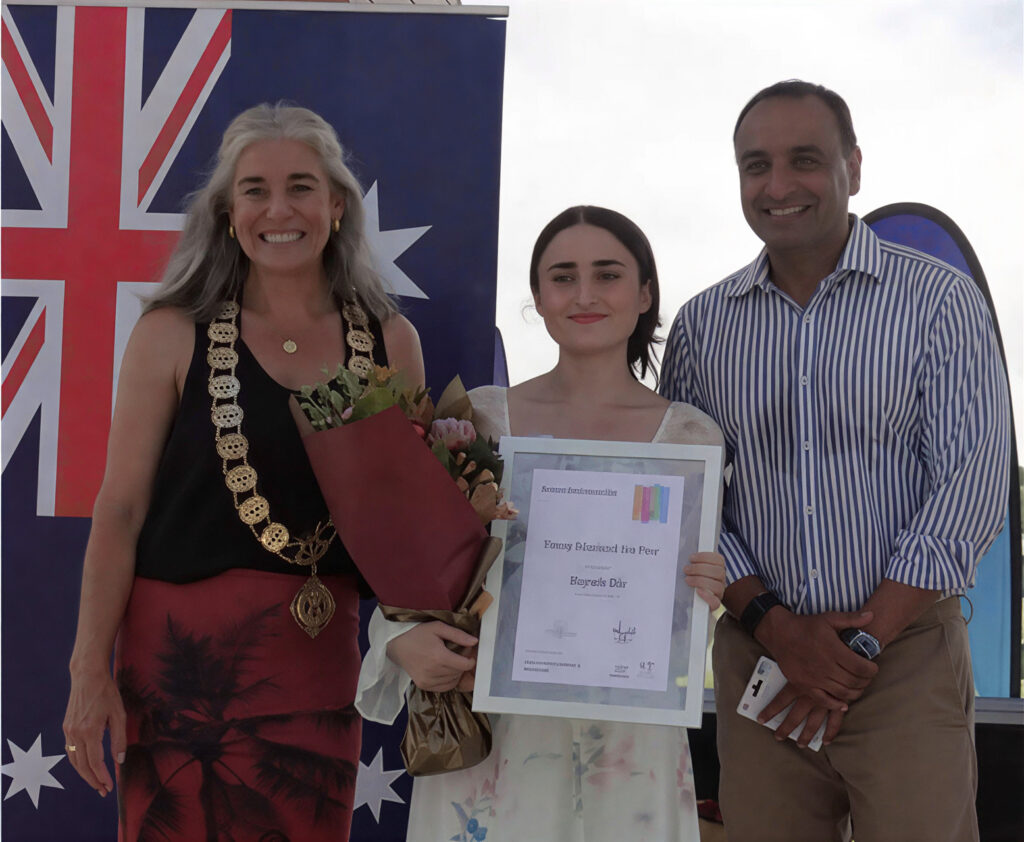
An Ezidi girl has been recognised at the Coffs Harbour Australian Citizen of the Year Awards 2026. Mayada Oso, who arrived in Australia in 2018 after surviving the Ezidi genocide, received the Young Citizen of the Year award for her achievements in education and her work supporting students. Her journey from captivity to leadership and service reflects the resilience of Ezidis and their continued strength after genocide.

Introducing Russian Children to Ezidi Culture Through Fairy Tales

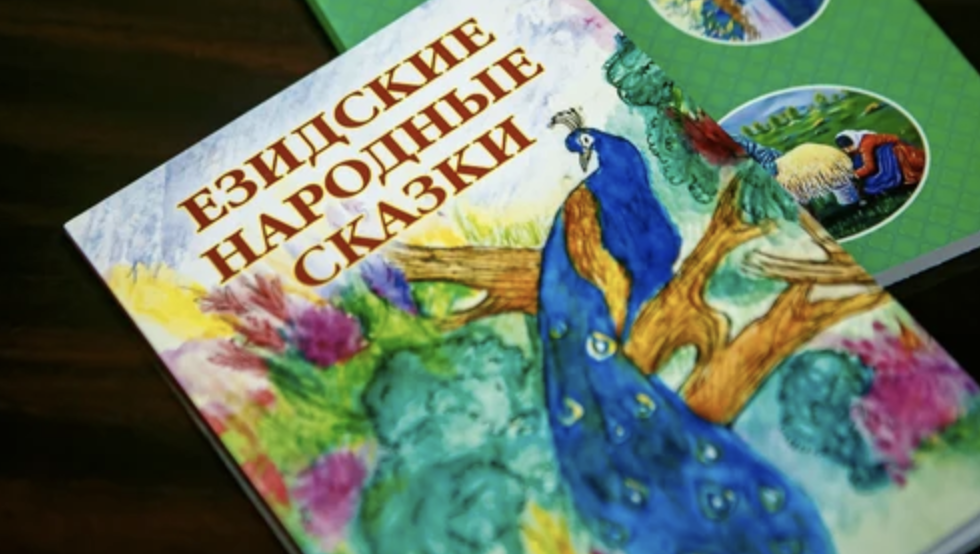
A new Russian-language book, Ezidi Folk Tales, opens a window into the rich culture and traditions of the Ezidi people. Published by Mesopotamia under the leadership of Samvel Saidovich Mstoyan, with illustrations by Aida Mstoyan, the collection brings centuries-old stories and values to life, introducing Russian children to the history, customs, and worldview of one of the worldโ€™s oldest peoples.