
Iraqi diplomatic missions in China, Malaysia, Indonesia and Iran held official commemorations in early August 2026 to remember the genocide committed against Ezidis by ISIS in Sinjar.
The ceremonies included moments of silence, speeches by Iraqi diplomats and references to justice, compensation and support for survivors twelve years after the attack of 3 August 2014. Several missions also highlighted Iraq’s Ezidi Survivors Law and the responsibility to prevent similar crimes from occurring again.
Guangzhou, China
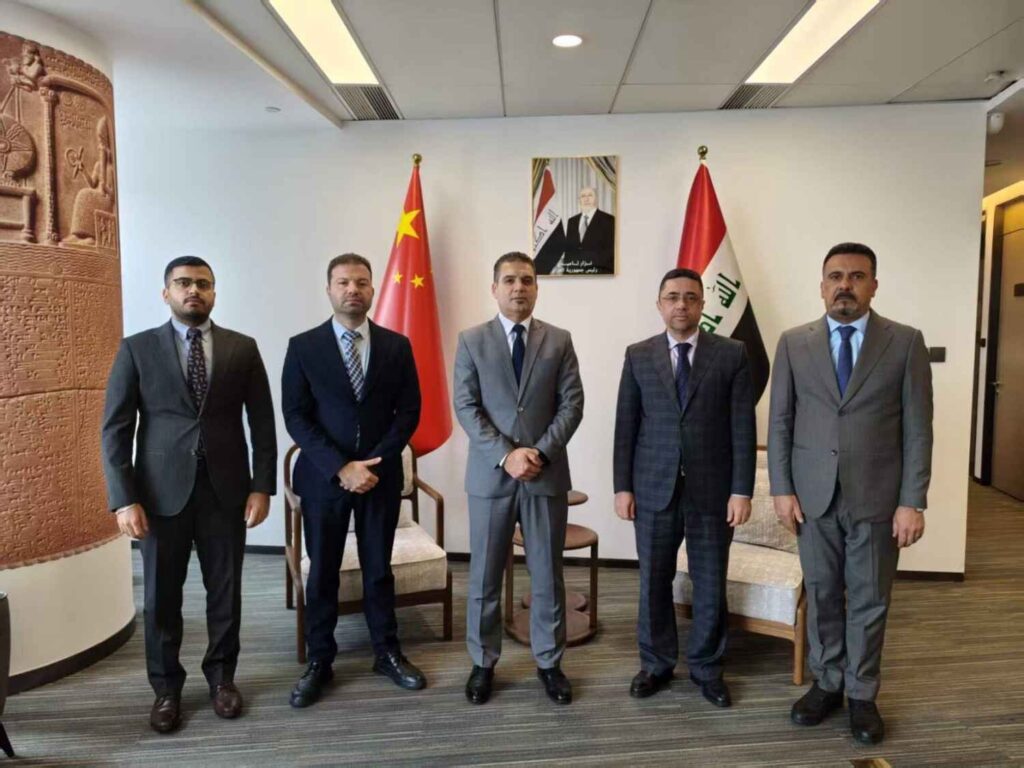
The Consulate General of Iraq in Guangzhou held a memorial vigil on 6 August 2026 to commemorate the genocide committed against Ezidis in Sinjar by ISIS.
The ceremony opened with a recitation of Surat Al-Fatihah followed by a minute of silence. The Consul General described the genocide as one of the most horrific crimes against humanity and one of the gravest crimes witnessed in Iraq’s history.
The consulate concluded its statement with a tribute to those killed in the genocide.
Kuala Lumpur, Malaysia
The Embassy of Iraq in Kuala Lumpur held a commemoration on 5 August marking twelve years since the genocide.
The ceremony began with the recitation of Surat Al-Fatihah and a minute of silence for those killed.
Iraq’s Chargé d’Affaires, Counsellor Hudaifa Ziad Mahmoud, described the crimes committed by ISIS against Ezidis as among the most serious crimes witnessed by humanity.
He also referred to efforts by the Iraqi government to support survivors, provide care and pursue justice and the rights of victims.
The embassy described remembrance as part of the continuing effort to ensure justice for those affected by the genocide.
Jakarta, Indonesia
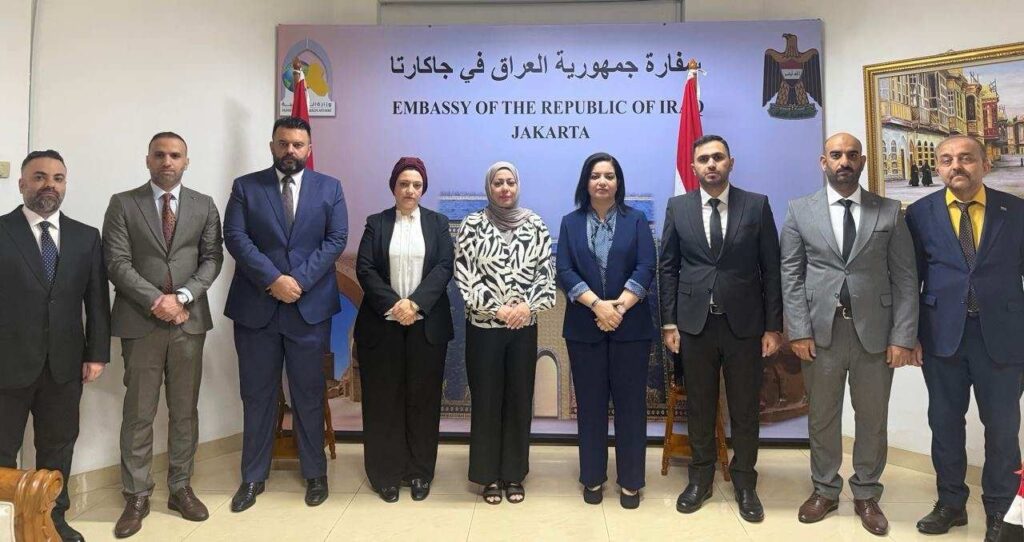
The Iraqi Embassy in Jakarta organised a solidarity vigil on 6 August to commemorate the genocide and crimes against humanity committed against Ezidis.
Chargé d’Affaires Counsellor Zainab Abdul Hadi Al-Hasani said that 3 August had become a national day of solidarity with Ezidis and recalled the atrocities committed by ISIS.
She highlighted measures adopted under Iraq’s Ezidi Survivors Law No. 8 of 2021, including compensation and reparations for survivors.
The ceremony concluded with a recitation of Surat Al-Fatihah for those killed during the genocide and other Iraqi victims.
Mashhad, Iran
The Consulate General of Iraq in Mashhad, Iran, held a solidarity vigil on 5 August 2026 to commemorate twelve years since the genocide and crimes against humanity committed against Ezidis by ISIS.
Consul General Dr Hamid Al-Jubouri described 3 August as a national day of solidarity with Ezidis and others in Iraq who suffered under ISIS. He also recalled the sacrifices made by victims across Iraq during the conflict with the organisation.
Al-Jubouri highlighted measures adopted under Iraq’s Ezidi Survivors Law No. 8 of 2021, including compensation for survivors, efforts to restore their rights and measures intended to address the harm caused by the genocide.
He also stressed the need for preventive security measures to ensure that such crimes are not repeated and called for those responsible to be prosecuted and held accountable.
Frankfurt, Germany
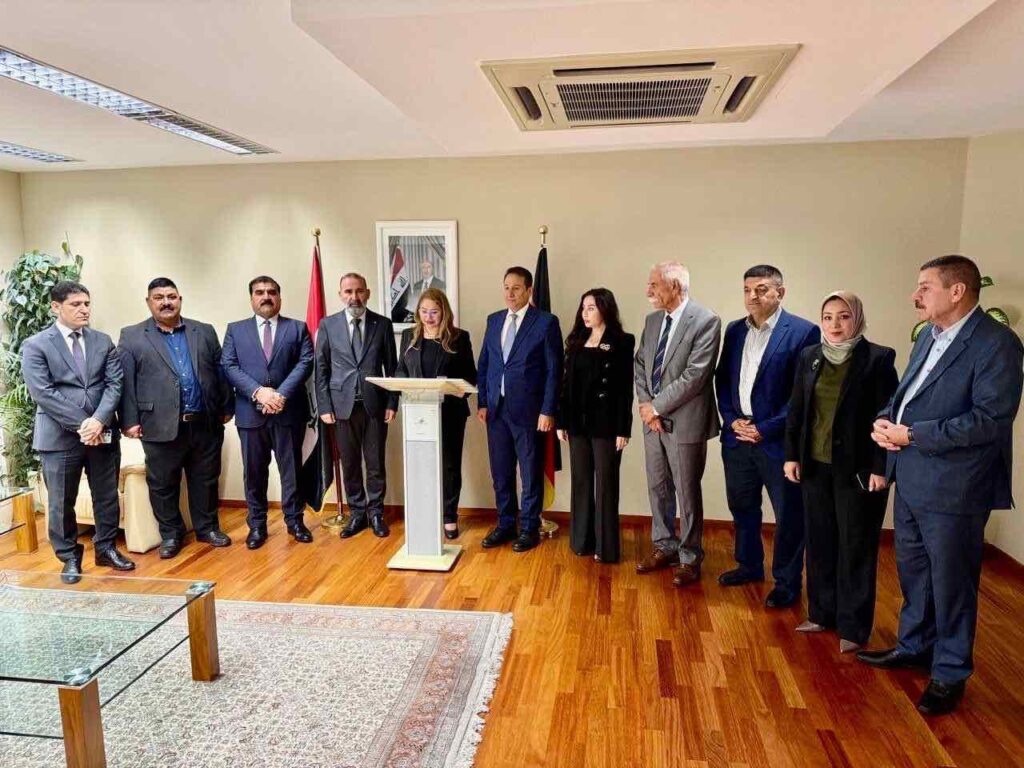
The Iraqi Consulate General in Frankfurt held a memorial for the victims of the 2014 Ezidi Genocide, attended by a delegation led by Kiran Ibrahim Bey, Undersecretary of the Emir of the Ezidi religion in Germany.
Chargé d’affaires Abeer Salem Khalifa condemned the crimes committed by ISIS and highlighted the Iraqi government’s responsibility towards Ezidis abroad. Kiran Ibrahim Bey called for greater attention to the continuing situation of displaced Ezidis, including ending prolonged camp displacement, improving security and stability, creating conditions for return and rebuilding affected areas.
Armenia: Iraqi Diplomats Meet Ezidi MP Rustam Bakoyan
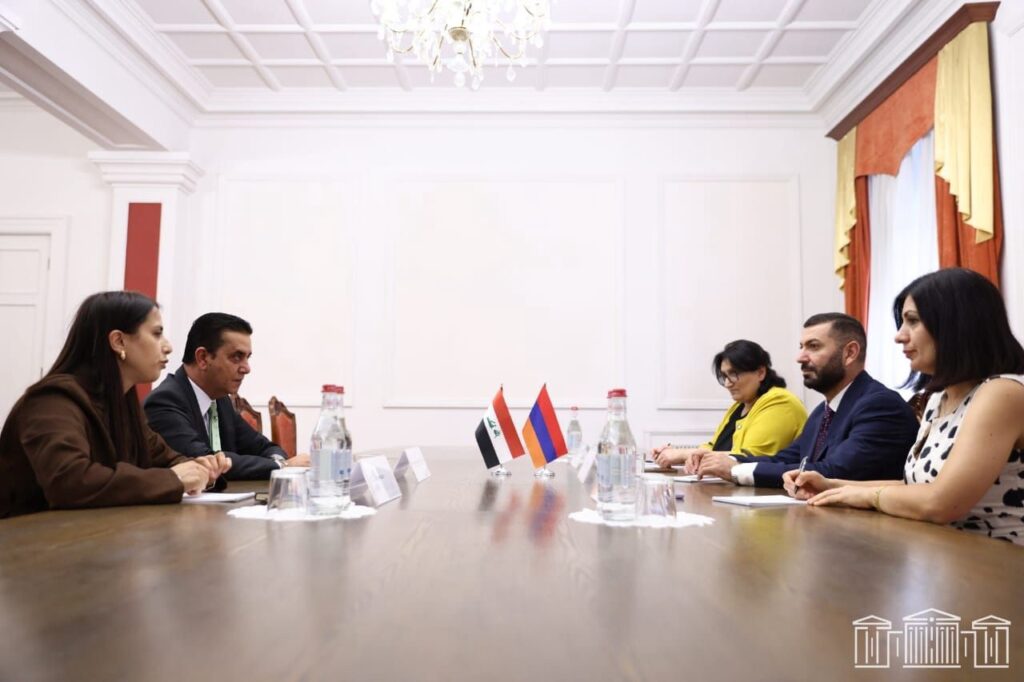
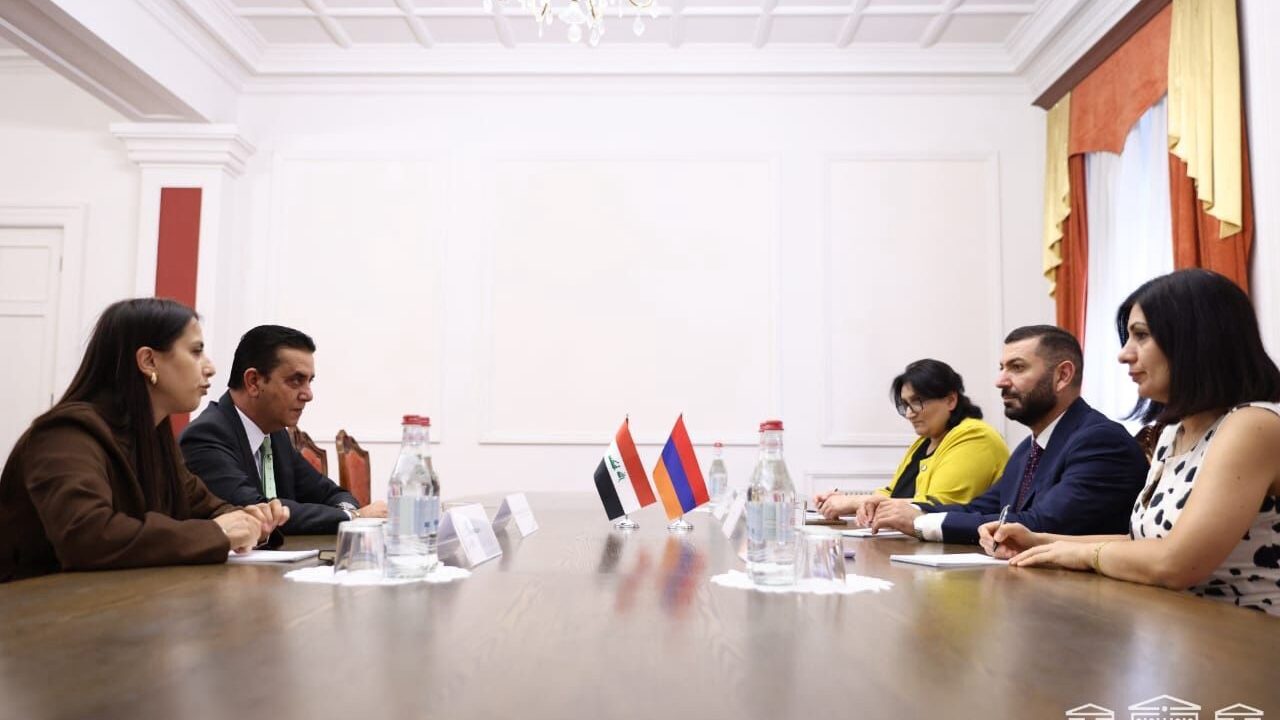
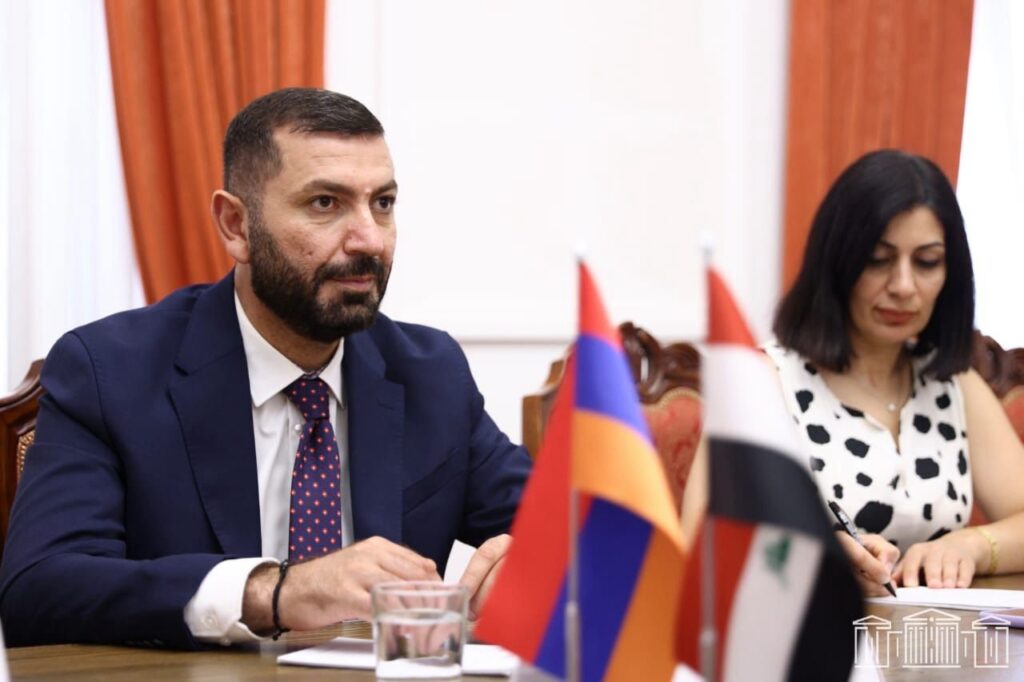
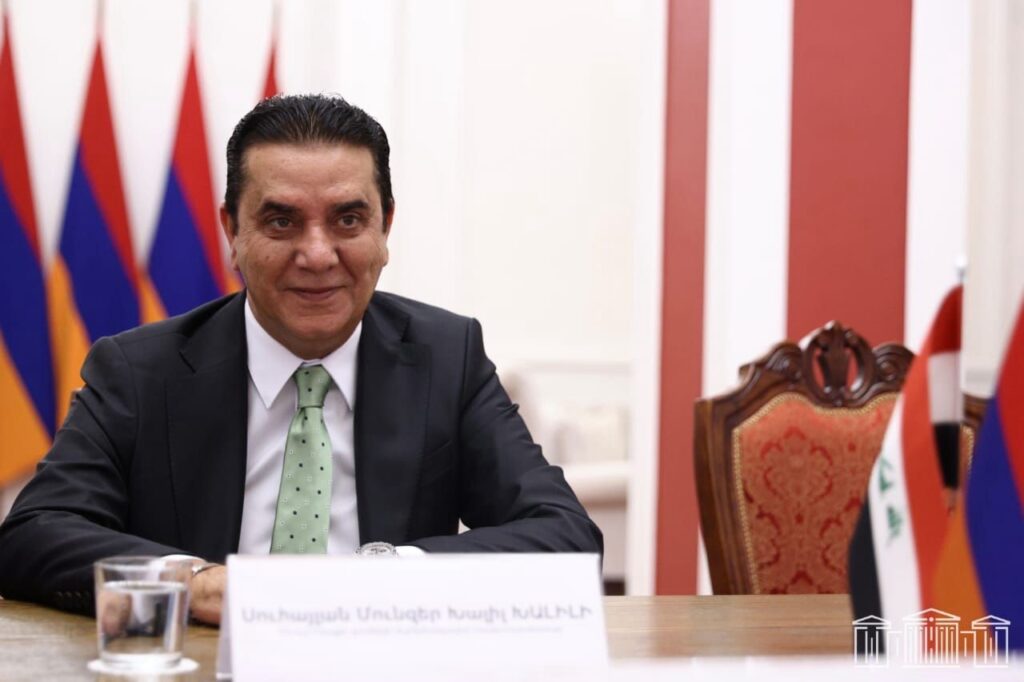
Separate from the commemorations, Iraq’s diplomatic mission in Armenia met Ezidi member of parliament Rustam Bakoyan on 6 August at the Armenian National Assembly.
The meeting focused primarily on strengthening parliamentary relations between Armenia and Iraq, including exchanges between parliamentary friendship groups and greater economic cooperation.
Unlike the diplomatic ceremonies in Asia, the meeting was not presented as a genocide commemoration. However, it took place during the same period of heightened official activity surrounding the 3 August remembrance.
Official recognition must be followed by action
The diplomatic commemorations demonstrate that the genocide against Ezidis is increasingly being incorporated into Iraq’s official international remembrance.
However, twelve years after the genocide, remembrance abroad remains only one part of Iraq’s responsibility towards survivors.
Thousands of Ezidis remain displaced, people abducted by ISIS remain missing, families continue to wait for the identification of relatives recovered from mass graves, and large areas of Sinjar still lack the security, infrastructure and economic conditions required for sustainable return.
Official ceremonies and statements of solidarity therefore carry greater meaning when accompanied by measurable progress inside Sinjar itself: reconstruction, compensation, accountability, recovery of the missing and conditions that allow Ezidis to return voluntarily and safely to their homeland. Why is no substantial part of the Iraqi budget being allocated for Sinjar specifically?