
Ezidi representatives, supporting associations and civil society organisations have called for the social, cultural and environmental impact of planned solar power plant projects near Ezidi villages in Turkey to be fully assessed before implementation.
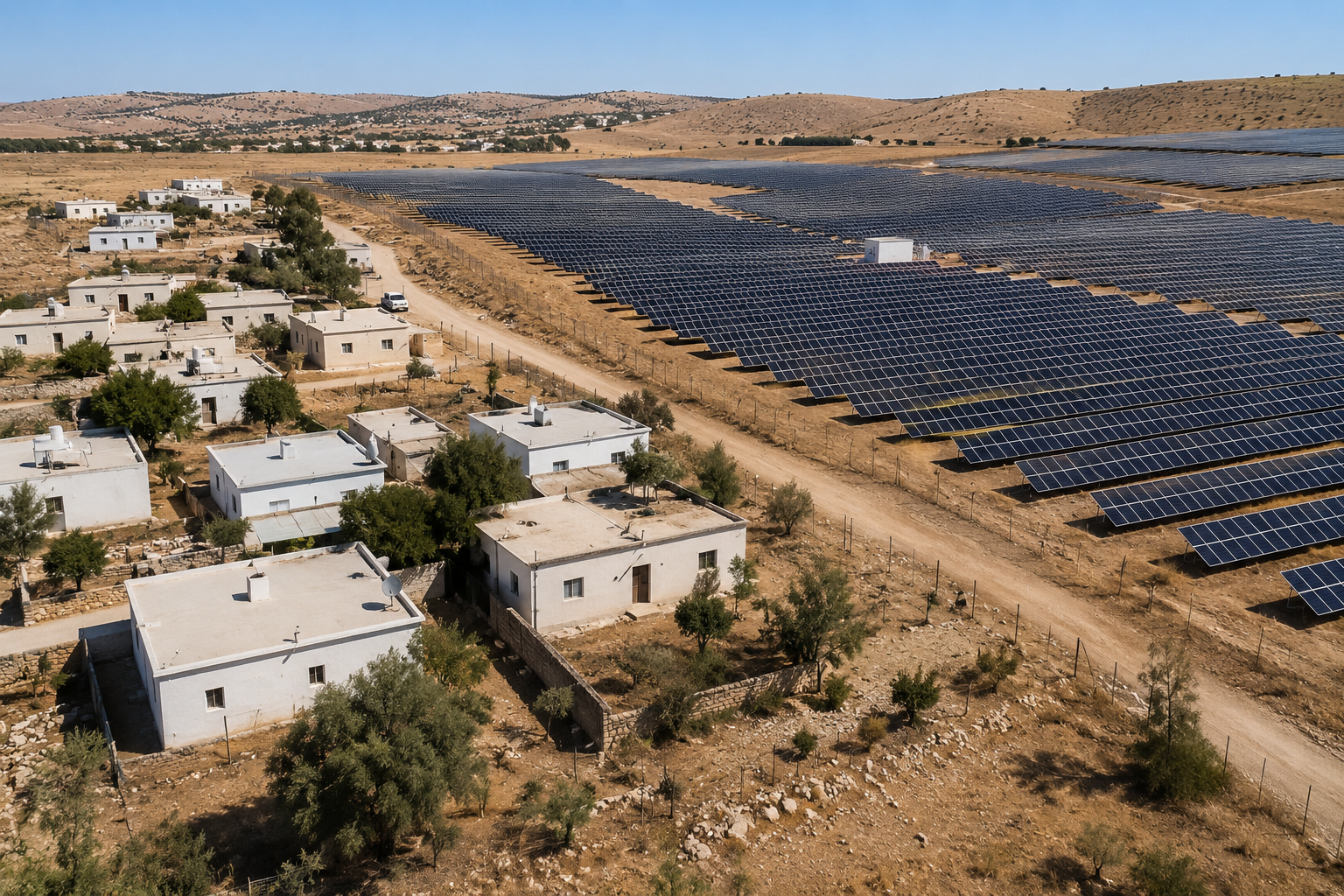
The statement concerns solar energy projects planned in areas connected to Ezidi villages in the Beşiri district of Batman and the Midyat district of Mardin. While the groups said they do not oppose renewable energy or sustainable energy policies, they warned that such projects must not ignore the historical, cultural and social importance of the affected areas. According to the statement, the lands included in the project areas have long played an important role in the agricultural life, animal husbandry and social existence of the Ezidi people in the region. These places are not only economic spaces, but also part of Ezidi cultural memory, family history and the connection to ancestral villages.
The groups stressed that many Ezidi families living abroad have begun returning to their villages in recent years. They have started rebuilding homes, restoring cemeteries and re-establishing living spaces after decades of displacement and absence. The planned solar projects, they warned, could negatively affect this fragile return process if implemented without proper consultation and safeguards.
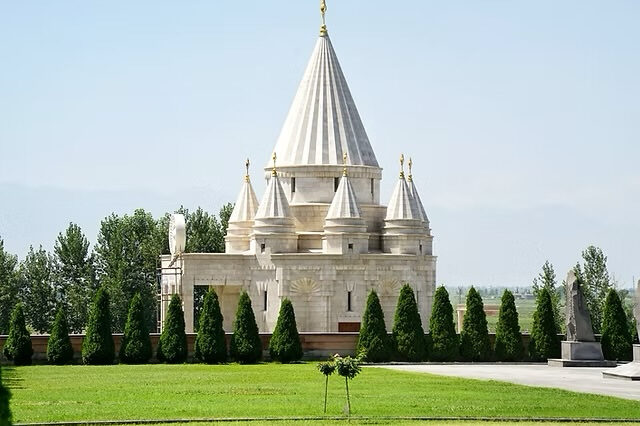
The statement called for traditional pastures and agricultural areas to be protected, and for the impact on natural life to be examined in detail. It also urged authorities to ensure that cultural heritage, including places connected to Ezidi identity and the Sharfadin faith, is not damaged. A central demand is that local people must be included more meaningfully in decision-making. The groups argued that projects affecting historic Ezidi villages cannot be treated only as technical or economic investments. Their social consequences must also be assessed, especially where return, reconstruction and cultural survival are directly involved.
The statement also proposed alternative solutions. These include evaluating different locations for energy investments, encouraging smaller-scale systems such as rooftop solar panels, and considering models where agriculture and energy production can continue together. Such approaches could support renewable energy without placing additional pressure on villages, pastures and agricultural land.
The groups further called for independent experts to examine environmental, historical and cultural effects before the projects are carried out. They stressed that sustainable development cannot be measured only through economic benefit, but must also respect social life, cultural continuity and the rights of the people connected to the land.