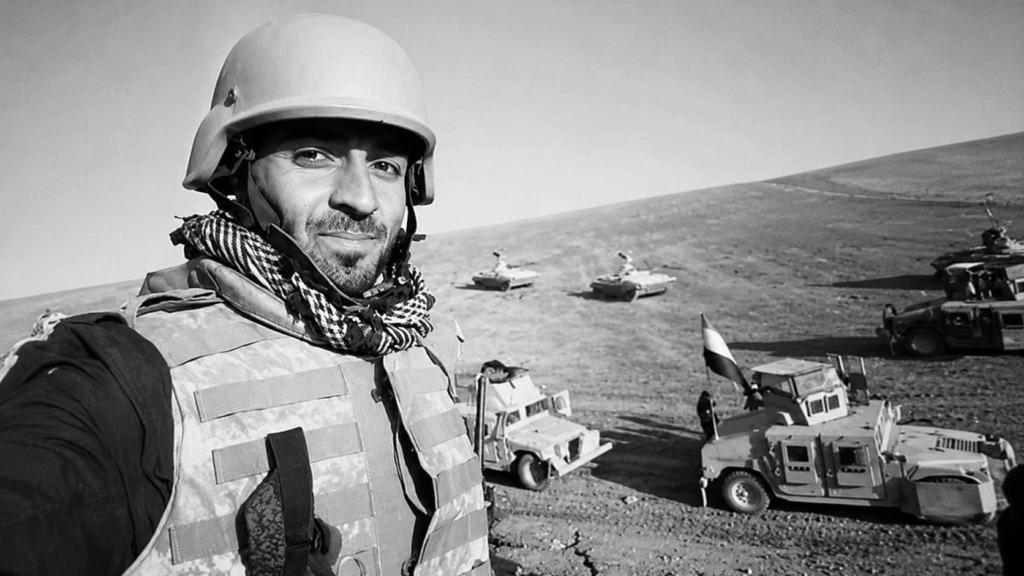

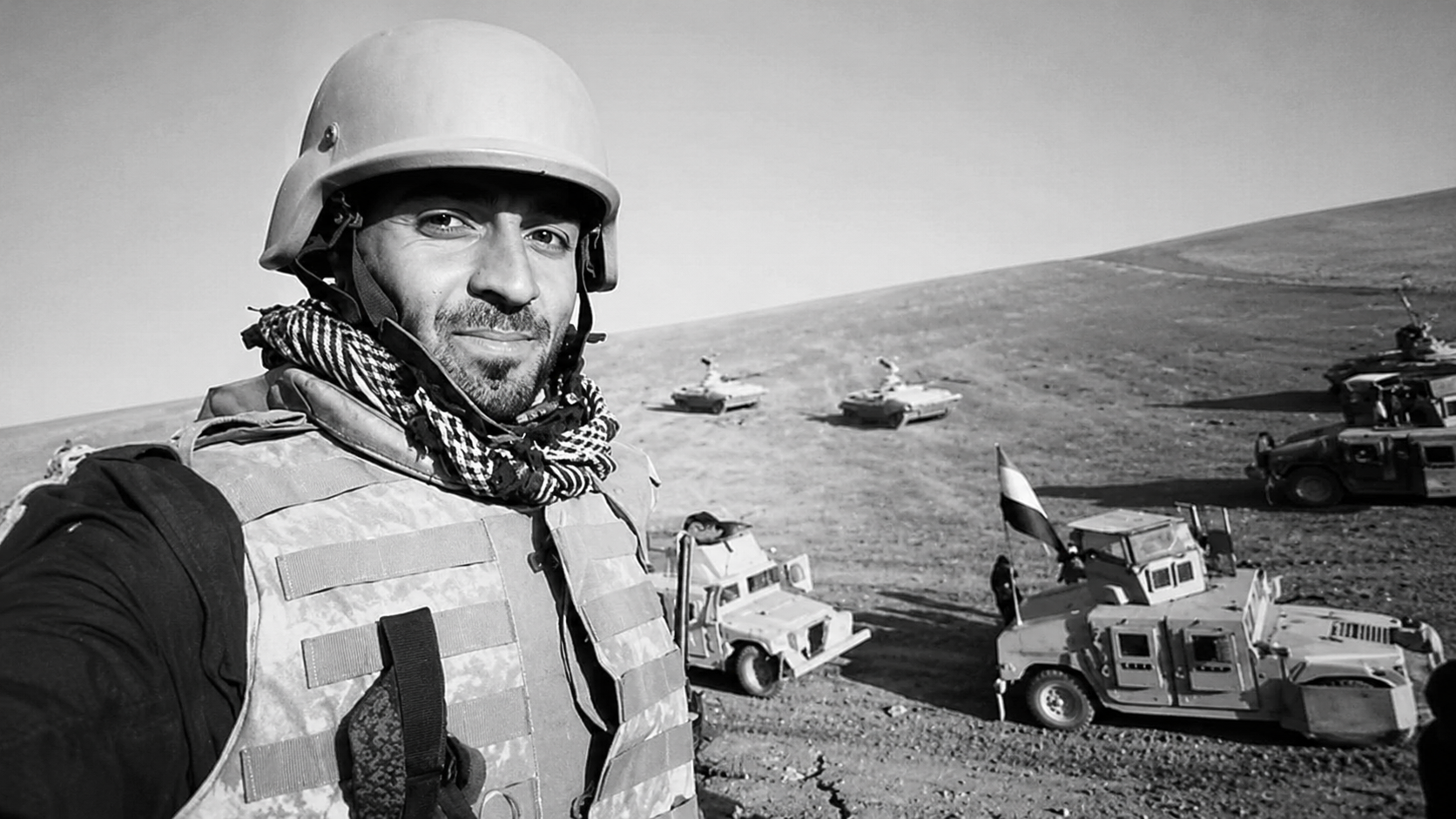
Nine years have passed since the martyrdom of Shaheen Khalaf al-Rashkani, known to many simply as Shaheen Khalaf. His name should not be remembered as a footnote from the battle of Mosul. It should be remembered as one of the clearest moral answers to ISIS: after ISIS tried to erase the Ezidi people, an Ezidi man gave his life trying to save a Muslim child.
Shaheen, born in 1988, was from Tall Banat, south of Mount Sinjar in Nineveh Province, Iraq. He belonged to a people who had already endured the genocidal violence of ISIS: villages emptied, families separated, women and children enslaved, men executed, and thousands forced into displacement. The United Nations has described ISIS crimes against the Ezidis as genocide, crimes against humanity, and war crimes.
That suffering could have hardened him. It could have turned his heart away from anyone outside his own people. Instead, Shaheen chose another path. He became known for courage, humour, poetry, and an almost reckless willingness to help civilians trapped in the brutality of war. Gariwo lists him among the “Righteous in the Resistance to Islamic Fundamentalism” and describes him as an Ezidi interpreter who sacrificed his life to save a Muslim girl.
During the battle for Mosul, Shaheen worked with the Free Burma Rangers, a humanitarian organisation active in war zones. Reports describe him as a translator who worked with humanitarian teams and helped rescue civilians under ISIS fire. One account states that he was helping rescue a young girl and her father when he was shot by an ISIS sniper, later dying from sepsis after being wounded.
On May 4, 2017, Shaheen saw a child trapped in a landscape of corpses, destruction, and sniper fire. He knew the danger. He was not naïve. He understood what ISIS snipers were doing to civilians trying to flee. Still, he moved forward. He chose the child’s life over his own safety. He was shot during the rescue attempt and died days later from his wounds. Free Burma Rangers also recorded that he died from complications after a gunshot wound sustained on May 4.
Shaheen’s story is a story of moral victory after genocide. ISIS tried to teach the world that cruelty was stronger than humanity. Shaheen answered with his own body. He showed that the Ezidi people, rooted in their ancient identity and Sharfadin, could survive genocide without losing the capacity for mercy.
There is something almost unbearable in the contrast. The Ezidi people were still grieving mass murder, enslavement, displacement, and the destruction of their villages. Yet in Mosul, one Ezidi man did not stop to ask whether the child in front of him belonged to his people, his religion, or his history. He saw a child marked for death, and he acted.
A playground was later dedicated to him in Mosul, close to the place where he saved the girl. His rescue action was also referenced in connection with the documentary Free Burma Rangers, directed by Brent Gudgel and Chris Sinclair.
Shaheen Khalaf is called “Martyr of Humanity” for a reason. His martyrdom exposes the moral bankruptcy of ISIS more powerfully than any speech could. ISIS murdered Ezidis because of who they were. Shaheen risked everything to save a child because of who he was.
“ While ISIS slaughtered our people, Shaheen walked into death to save a Muslim child. That is the difference between the ideology that came to destroy and the Ezidi humanity it failed to destroy. ”