
This is a summary of an article originally published by Penn Today, written by Kristina Linnea García, about the important effort to reconnect the Ezidi people with historic photographs from northern Iraq preserved in the Penn Museum archives. The project was led by Marc Marín Webb, a PhD candidate in Middle Eastern Languages and Cultures, together with photographer and researcher Nathaniel Brunt.
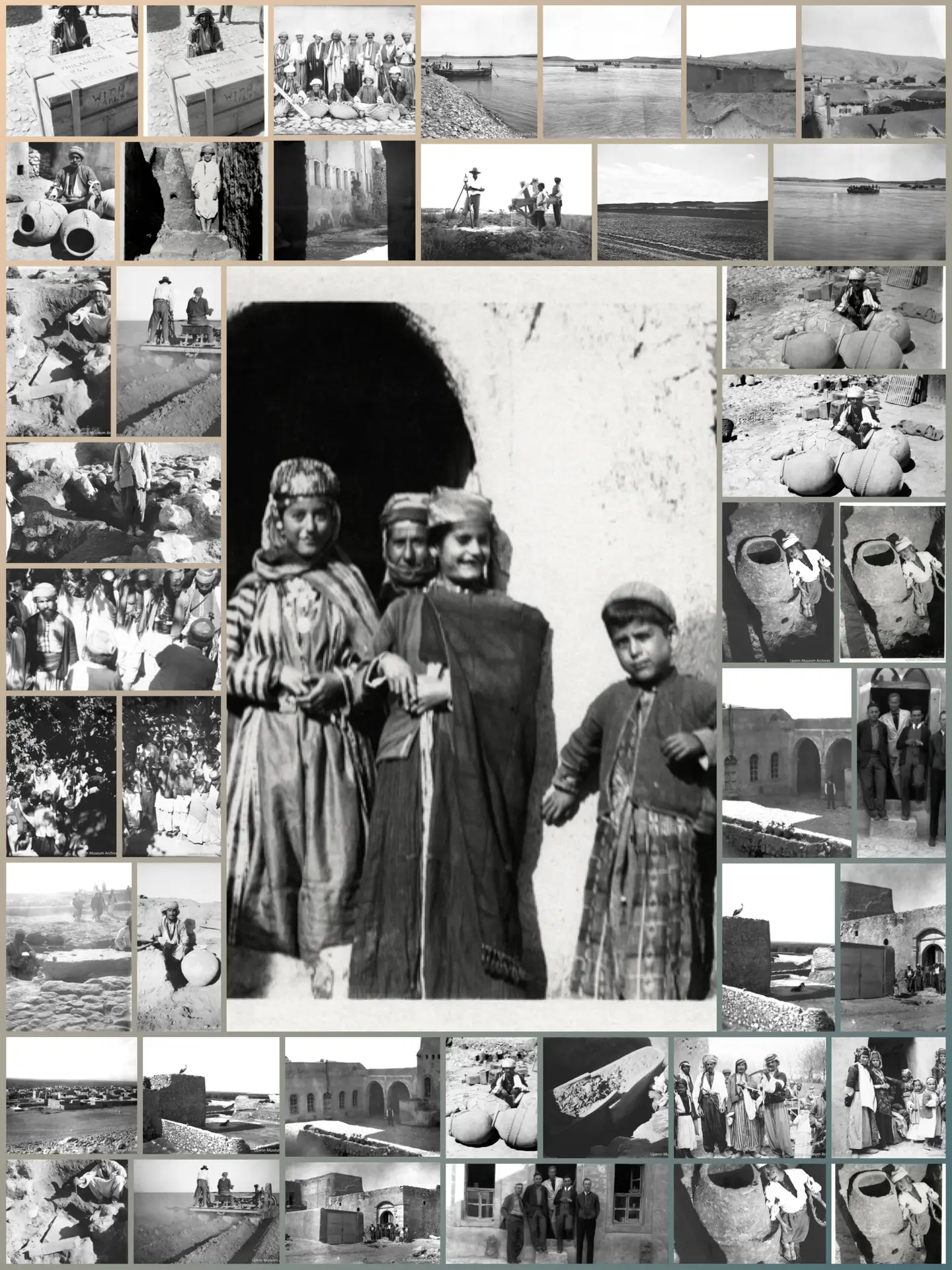
The report explains that around 300 archival images from the 1920s and 1930s were identified in the Penn Museum collection. Many of the photographs were taken during archaeological work near Ba‘shīqa and Baḥzānī, but they also captured local shrines, daily life, celebrations, and the people living there. Years later, some of these images became especially meaningful because they preserved places, traditions, and structures that were damaged or destroyed.
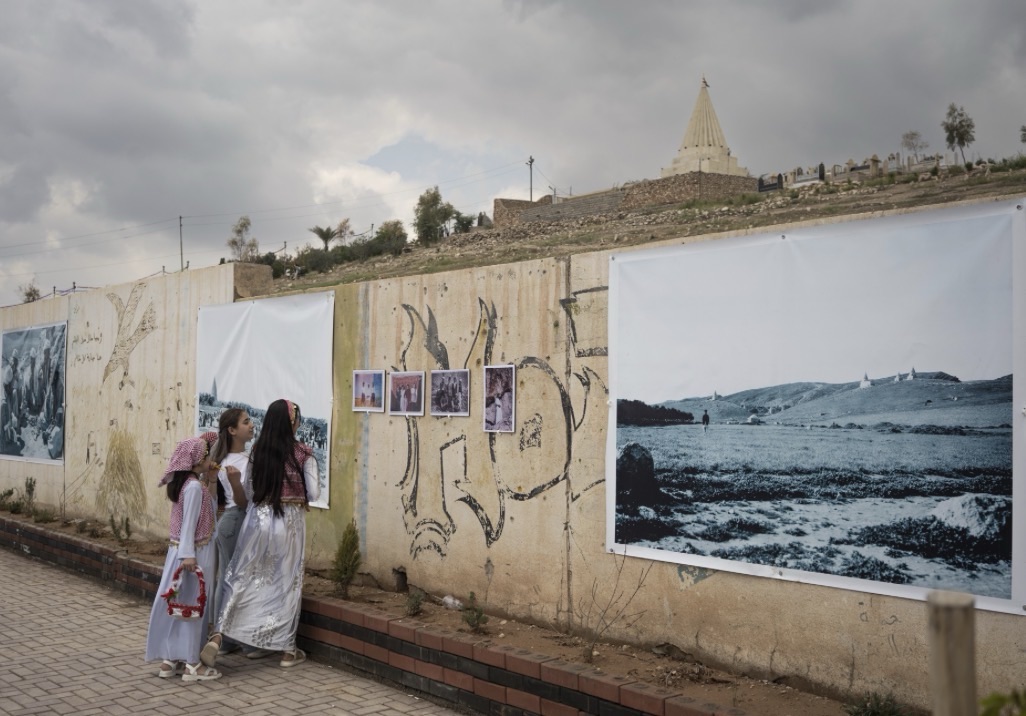
According to the original article, the photographs were later brought back to Ezidi towns and shown during Serê Salê celebrations in 2025 through open-air exhibitions. The goal was not only to display old images, but also to help restore memory, encourage intergenerational conversation, and support cultural preservation after genocide and displacement. The wider effort also includes more recent family photographs and personal archives contributed by Ezidis themselves.
The project reflects a larger reality many Ezidis know well: attacks against the Ezidi people were aimed not only at lives, but also at memory, heritage, and continuity. In that context, the recovery and return of historical images can become part of cultural restoration.
The original article was published by Penn Today and written by Kristina Linnea García. You can read it here.