

The Ezidi people know too well what happens when warnings are ignored. Prevention is not alarmism; it is responsibility. In a region where terrorism has repeatedly resurged and minorities have paid the highest price, the question confronting the Ezidis today is both urgent and unavoidable: are we being placed at risk once again?
With current developments in Syria and continued instability across the region, the Ezidis in Iraq particularly in Sinjar remain among the most vulnerable and marginalised. These threats are not hypothetical. They are rooted in lived experience, unresolved injustice, and the continued absence of reliable security and political protection. The conditions that enabled past atrocities have not been fully dismantled, and for People like Ezidis that has survived genocide, uncertainty is itself a warning sign.
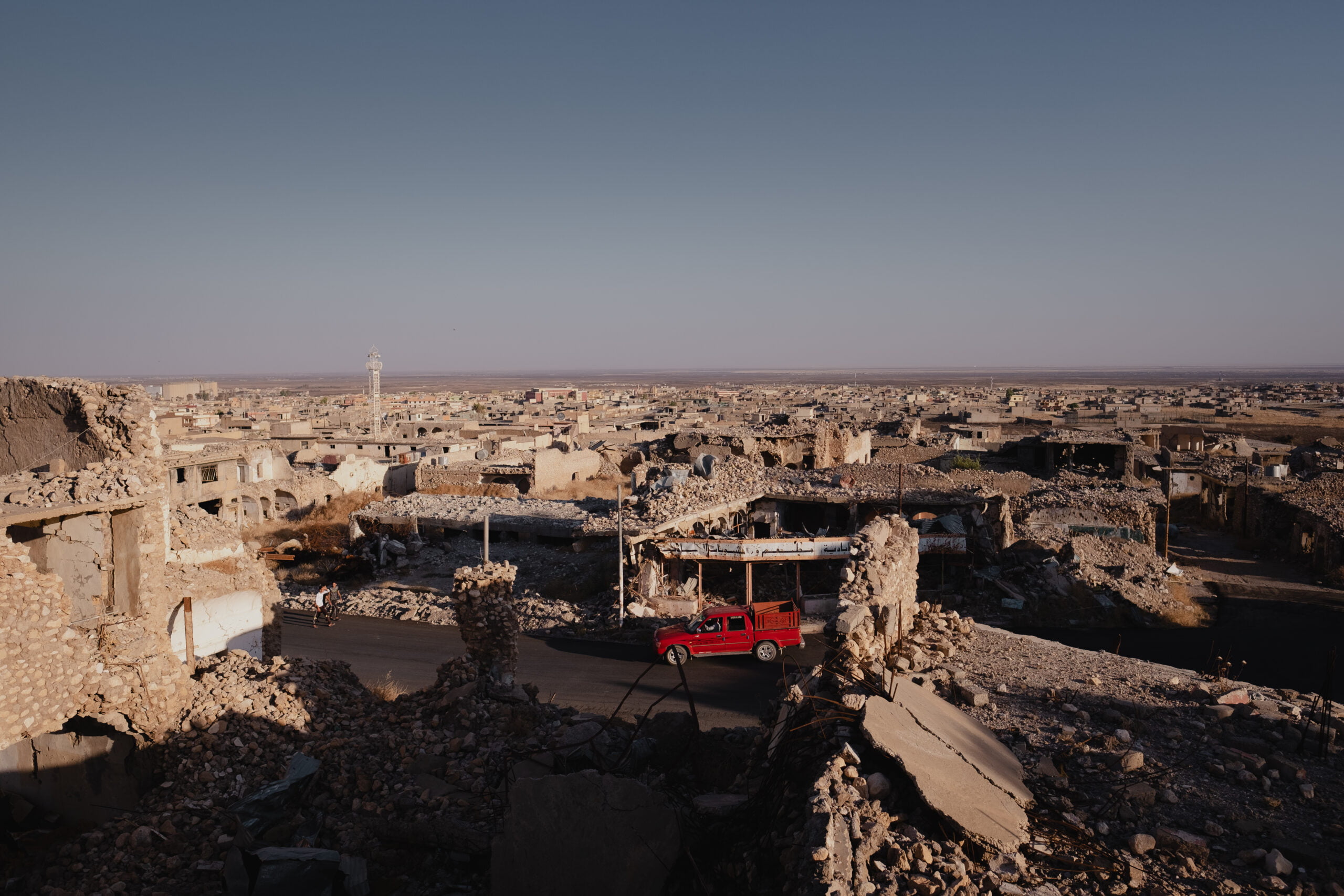
On August 3, 2014, the Ezidi people were told there was no threat to their lives. Within hours, genocide began. The so-called Islamic State (ISIS) launched one of the most brutal crimes of the 21st century, carrying out a deliberate and organized campaign of extermination in Sinjar, Iraq. Thousands of Ezidi men were executed. More than 6,400 women and children were abducted, enslaved, trafficked, and subjected to systematic sexual violence. These crimes were not incidental to conflict; they were deliberate tools of cultural erasure, aimed at destroying the Ezidi identity by assaulting its women, erasing its families, and severing its future.
The genocide also involved forced religious conversion, the militarization of children, mass displacement, and the destruction of sacred sites. Entire communities were uprooted, and survivors were left to rebuild their lives in the absence of justice, accountability, or meaningful protection. Silence did not protect the Ezidis then, and neglect will not protect them now.
The 2014 genocide was not an isolated event. The Ezidipeople have endured repeated genocides over centuries, each one stripping away lives, land, language, and sacred heritage. These losses are irreversible. Yet despite this history, the Ezidis remain resilient, visible, and determined to survive.
What makes the present moment especially dangerous is that many of the structural failures that enabled ISIS security vacuums, political fragmentation, and the marginalization of minorities continue to exist.
Iraq’s diversity should be a foundation for stability. Instead, it has too often been exploited by extremist groups that view minorities as expendable. Today, Ezidis continue to face discrimination, political exclusion, delayed reconstruction, and a near-total absence of justice for genocide crimes.
This is not a call for violence or separatism. It is a call for protection. The Ezidi people have the right to safety and the right to exist. The Iraqi state has a legal and moral obligation to ensure real security in Sinjar, empower local communities, and enable lawful, disciplined self-defense within the framework of the state.
Protection must be preventive, not reactive.
Waiting for another genocide before acting would be both a moral and political failure. Early action, acknowledgment of legitimate fears, and decisive support from the Iraqi government and the international community are essential to prevent history from repeating itself. Genocide prevention does not begin after mass graves are discovered; it begins when warning signs are recognized and taken seriously.
No one should ever again say, “We did not know.” The warning signs are visible. The responsibility to act is clear. Protecting the Ezidi people today is not only about justice for the past it is about ensuring their existence in the future. The Ezidi people should not be sacrificed to indifference, denial.