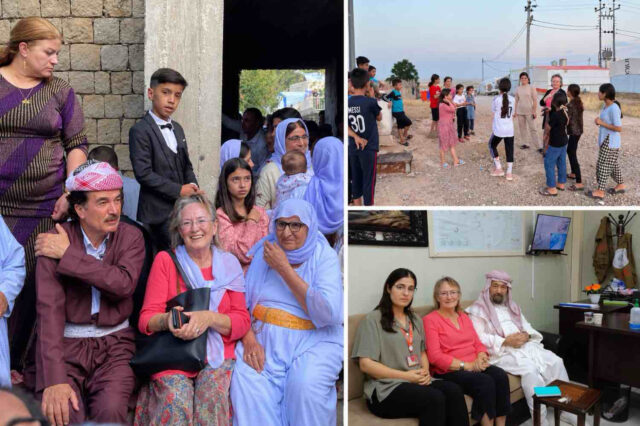
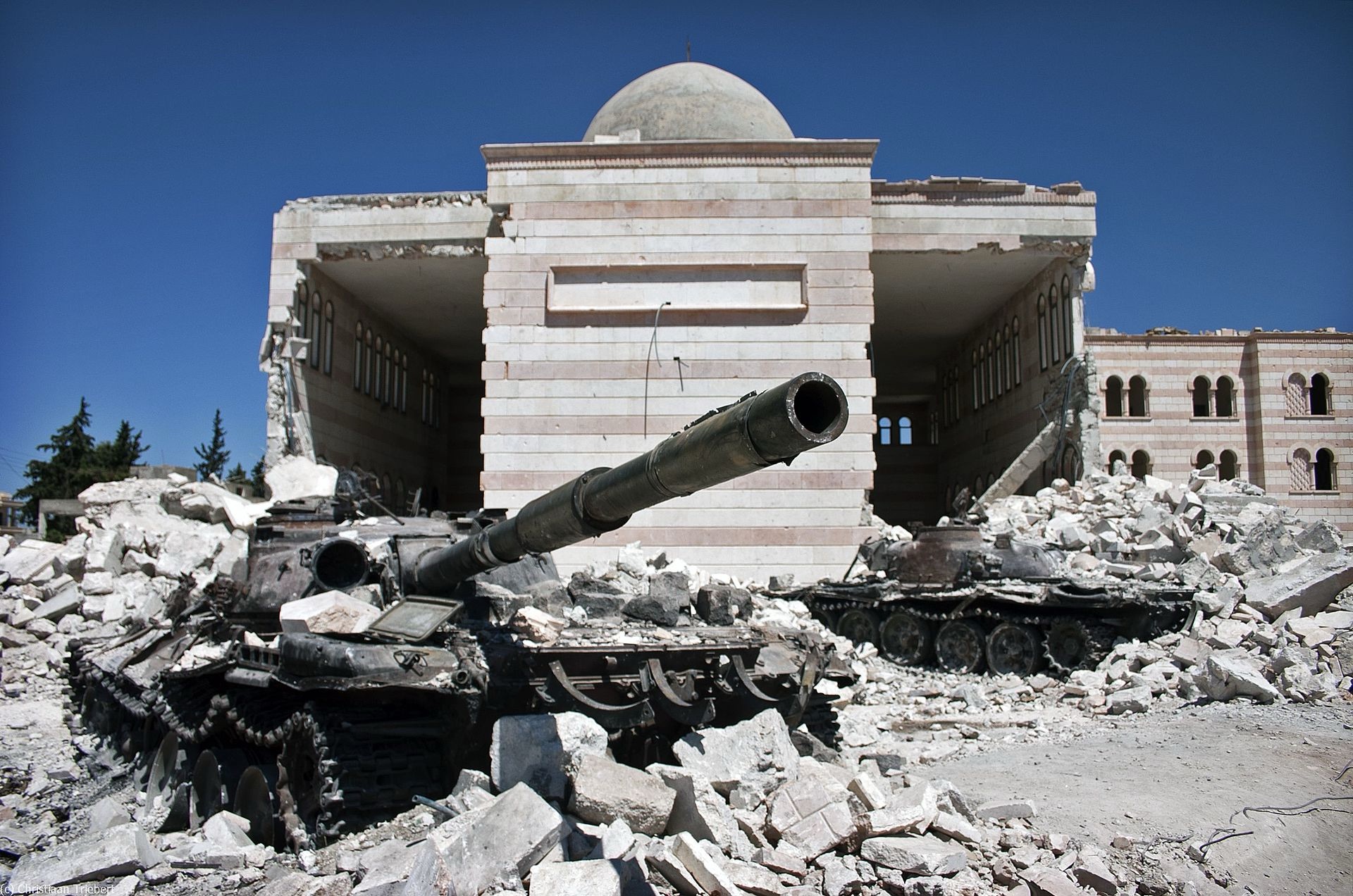
Recent military developments along the Syrian-Iraqi border have drawn significant attention in Sinjar, an area that remains deeply marked by the events of 2014. The arrival and positioning of forces aligned with the Syrian state near the border has prompted heightened alert among local defense groups and residents, reflecting longstanding fears shaped by past violence against Ezidis.
Security forces operating in Sinjar have increased their readiness levels, emphasizing the importance of protecting the region from any potential instability. The memory of mass violence and displacement remains strong among Ezidis, and the presence of new military actors near the border is being viewed through the lens of historical trauma and the urgent need for self-protection. Defense groups in the area continue to stress preparedness and vigilance, even though there are currently no confirmed direct threats.
Among civilians, anxiety has grown as military movements intensify. Residents fear that shifting power dynamics in neighboring regions of Syria could eventually spill into Iraqi territory. The uncertainty surrounding future security arrangements contributes to a sense of instability, particularly for families who have already experienced forced displacement and violence. Many remain concerned that regional conflicts may once again place Ezidis at risk.
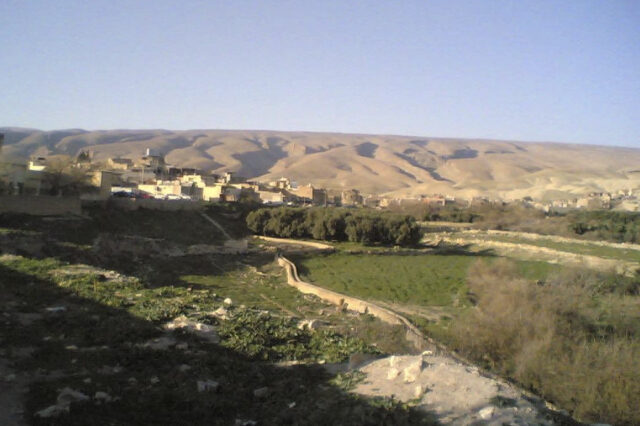
The border area surrounding Sinjar has been strategically significant since the defeat of ISIS, with different military forces maintaining control over various sections over the years. Changes in territorial control continue to influence both the political and security landscape of the region. For Ezidis, whose connection to Sinjar is central to their identity, heritage, and the practice of Sharfadin, any military shift in surrounding areas carries profound social and cultural implications.